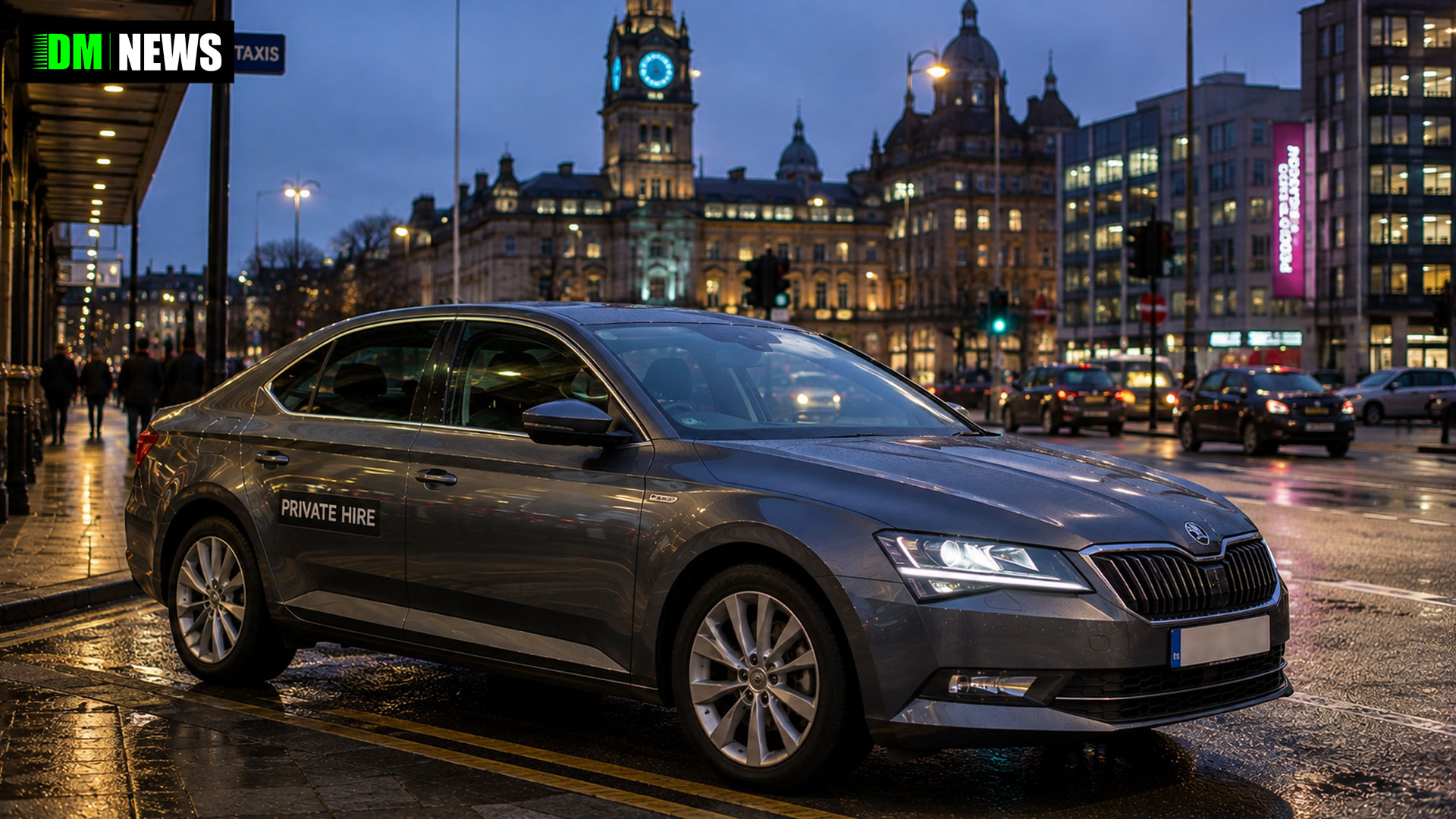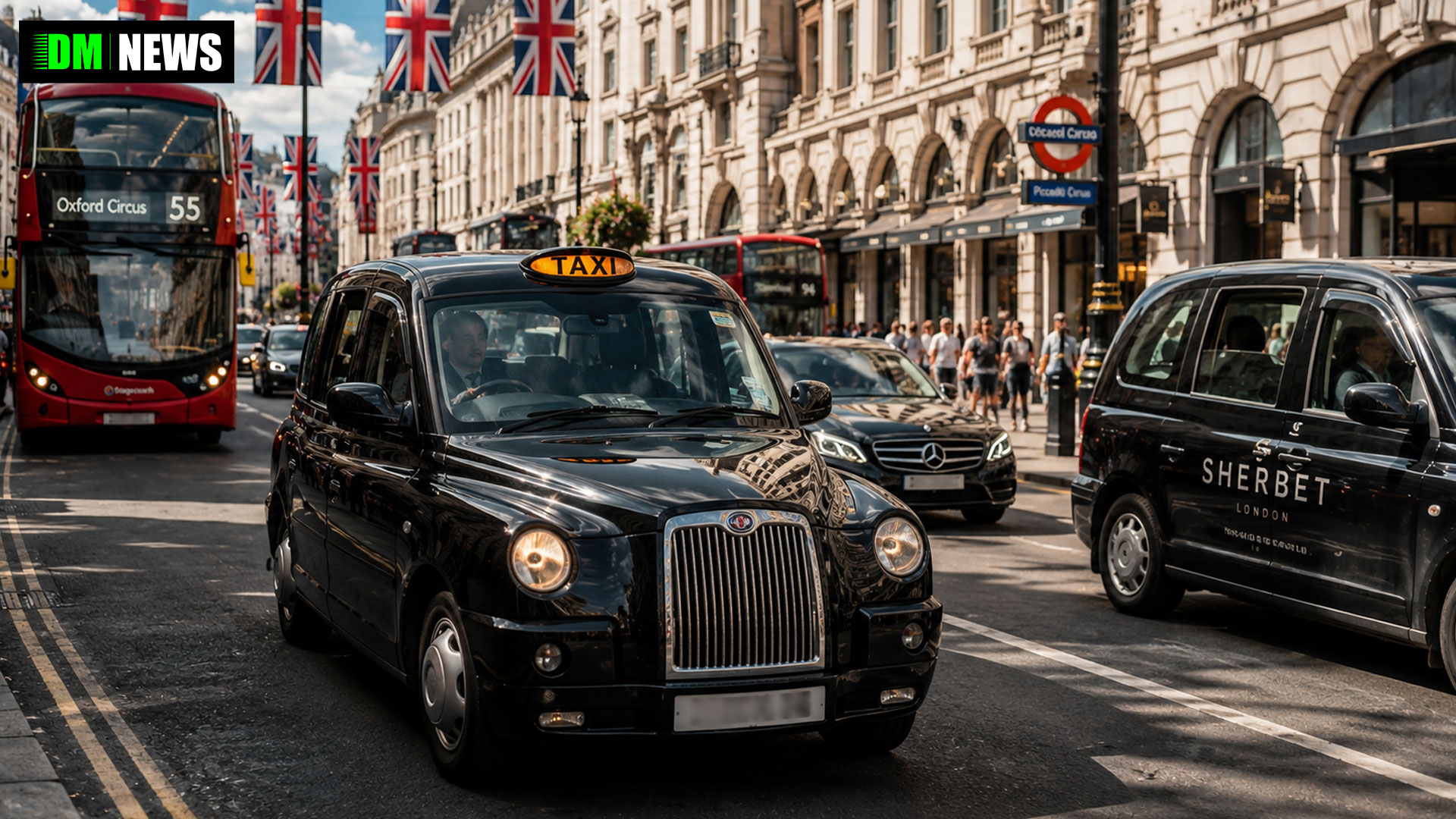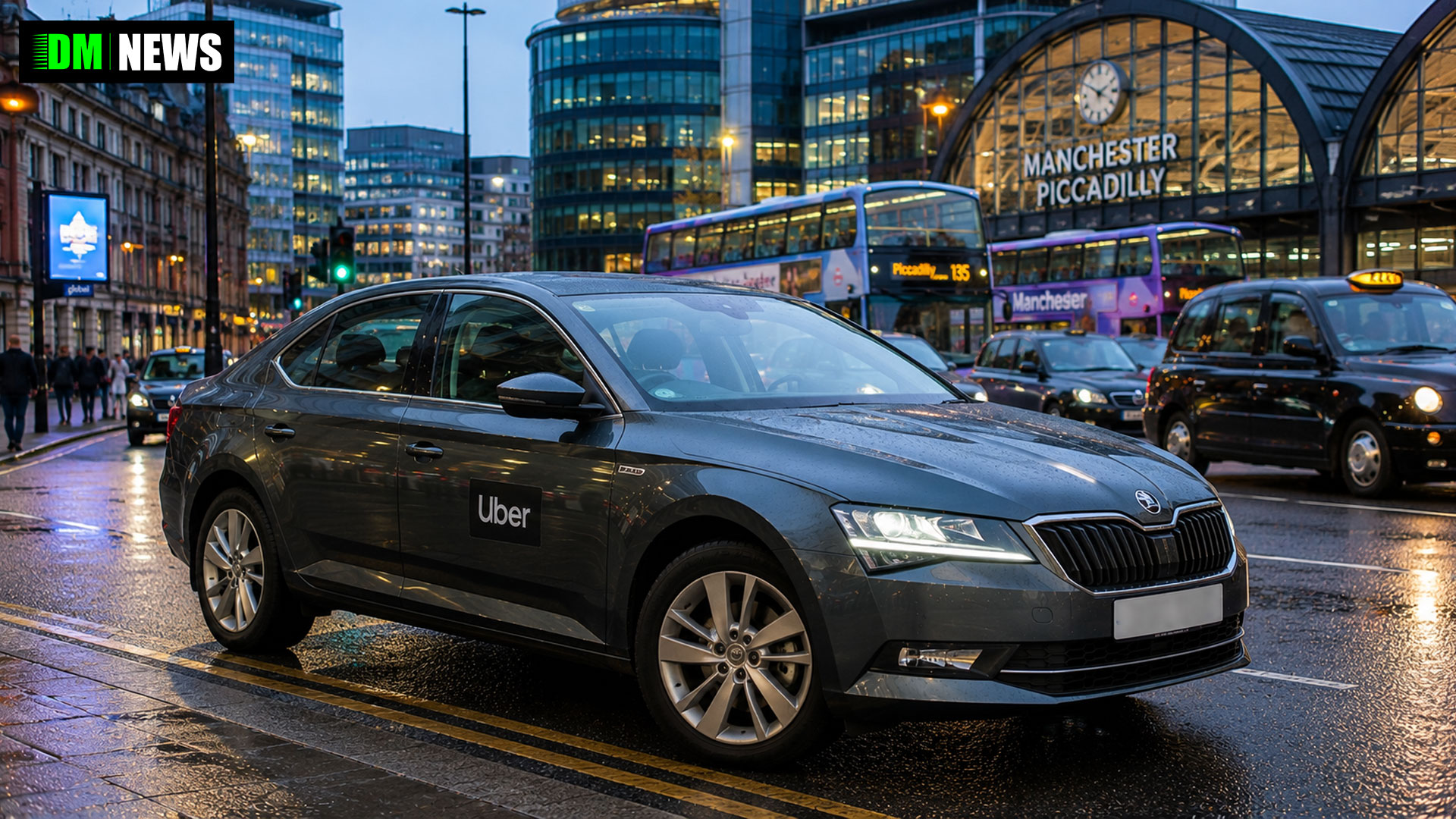
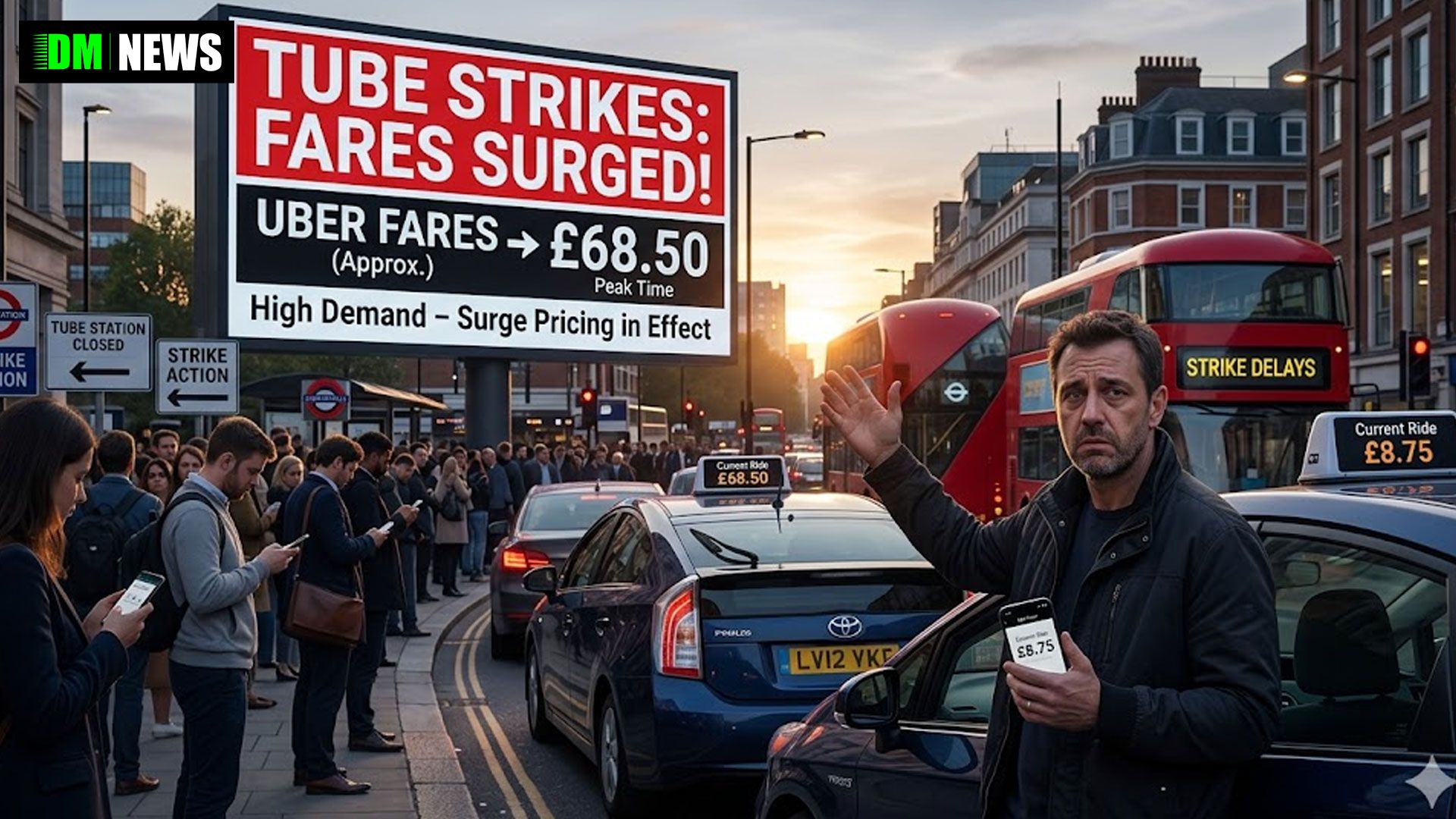
If you were trying to get around London this week during the RMT Tube strikes, there’s a good chance you opened Uber and winced at the price. You’re not alone — and according to the people actually behind the wheel, they weren’t exactly celebrating either.
The App Drivers’ and Couriers’ Union (ADCU) spoke out during this week’s strikes, urging Londoners not to take their frustration out on private hire drivers. Their argument was straightforward: the surge fares passengers were paying weren’t lining drivers’ pockets — they were largely going to the platform.

Under Uber’s current upfront pricing and variable commission model, the union says the company can take as much as 60% of the fare paid by a passenger. That means when you’re staring at a £40 ride that would normally cost £15, your driver could be receiving a fraction of what you’ve actually handed over. The ADCU’s General Secretary Cristina-Georgiana Ioanitescu described the system as one that exploits “both the desperate commuter and the hardworking driver alike,” accusing Uber of using algorithms to transfer wealth from workers to shareholders.
Uber, for its part, pushed back on the 60% figure. The company said the amount it takes varies trip to trip and that when averaged out over a week, the majority of fares go to drivers. A spokesperson confirmed the platform was seeing significant increases in demand during the strike period, and explained that fares rise automatically when a large number of people in one area are all booking at the same time with not enough available cars. They added that riders always see a fare estimate in advance and are informed when prices are higher than usual — and that Uber does have the ability to cap how high surge pricing can go during major disruption events.
It’s a debate that’s been rumbling along for years, but the Tube strikes have a way of bringing it back to the surface sharpish. When thousands of commuters suddenly can’t get on the Piccadilly line and are all reaching for their phones at once, the pricing spikes are very visible — and very easy to be angry about.
The reality is probably somewhere in the middle. Surge pricing does bring more drivers onto the road during busy periods, which is genuinely useful when the city’s public transport has ground to a halt. But the lack of transparency around exactly how much drivers take home versus what the platform keeps is a legitimate concern, and one the industry hasn’t fully resolved.
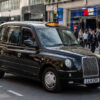
For now, if you’re ever caught in a strike situation and the Uber price looks eye-watering, it might be worth checking whether a black cab is nearby. Licensed taxis run on a regulated meter — what you see is what you pay, and every penny of it goes to the driver.
Thanks for visiting DM News! If you’ve got a question, a story tip, or anything you like to share, head over to DriverMatty.com — I love to hear from you. While you’re there, don’t forget to check out my other websites and social media channels.
Sources: