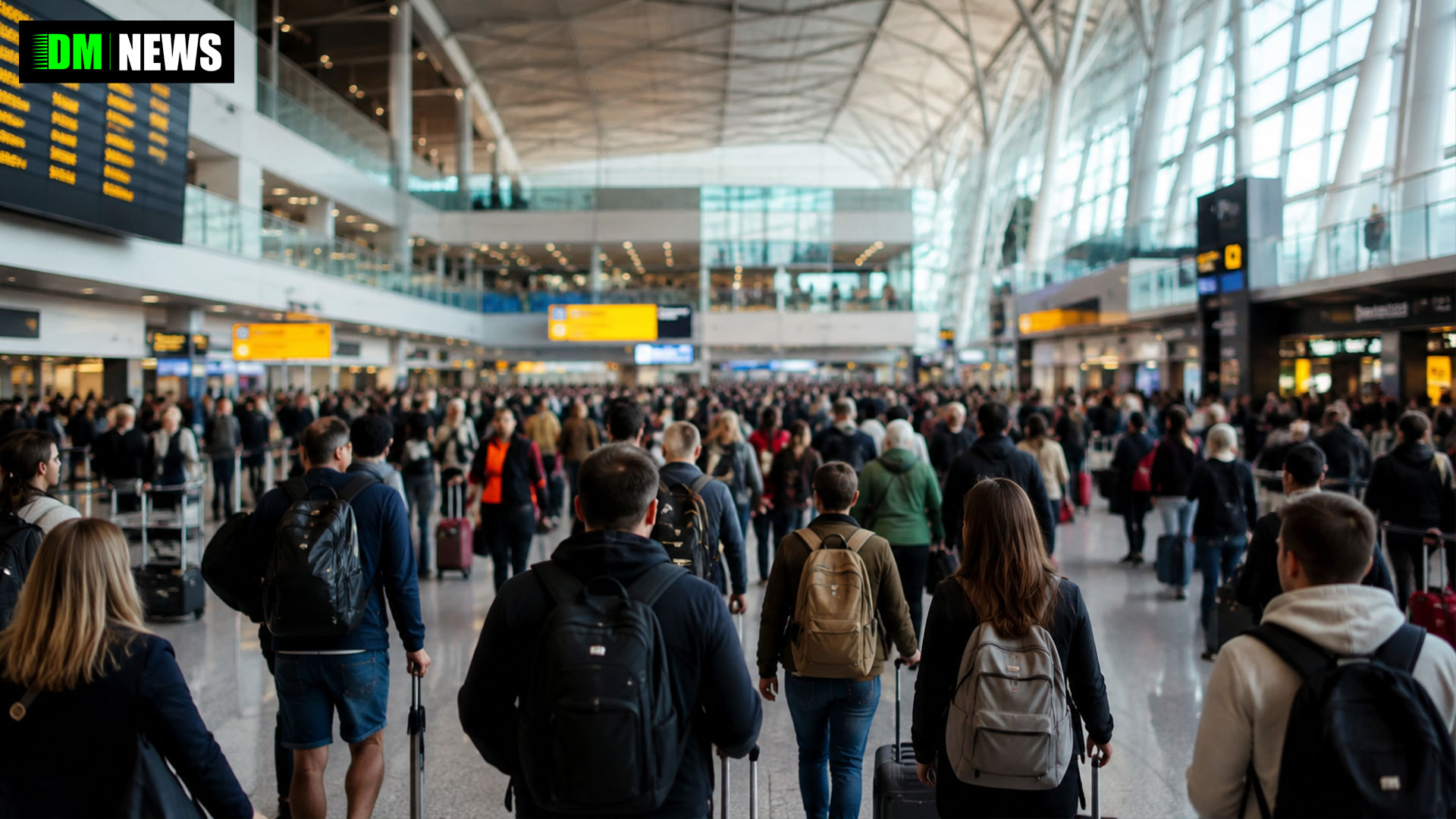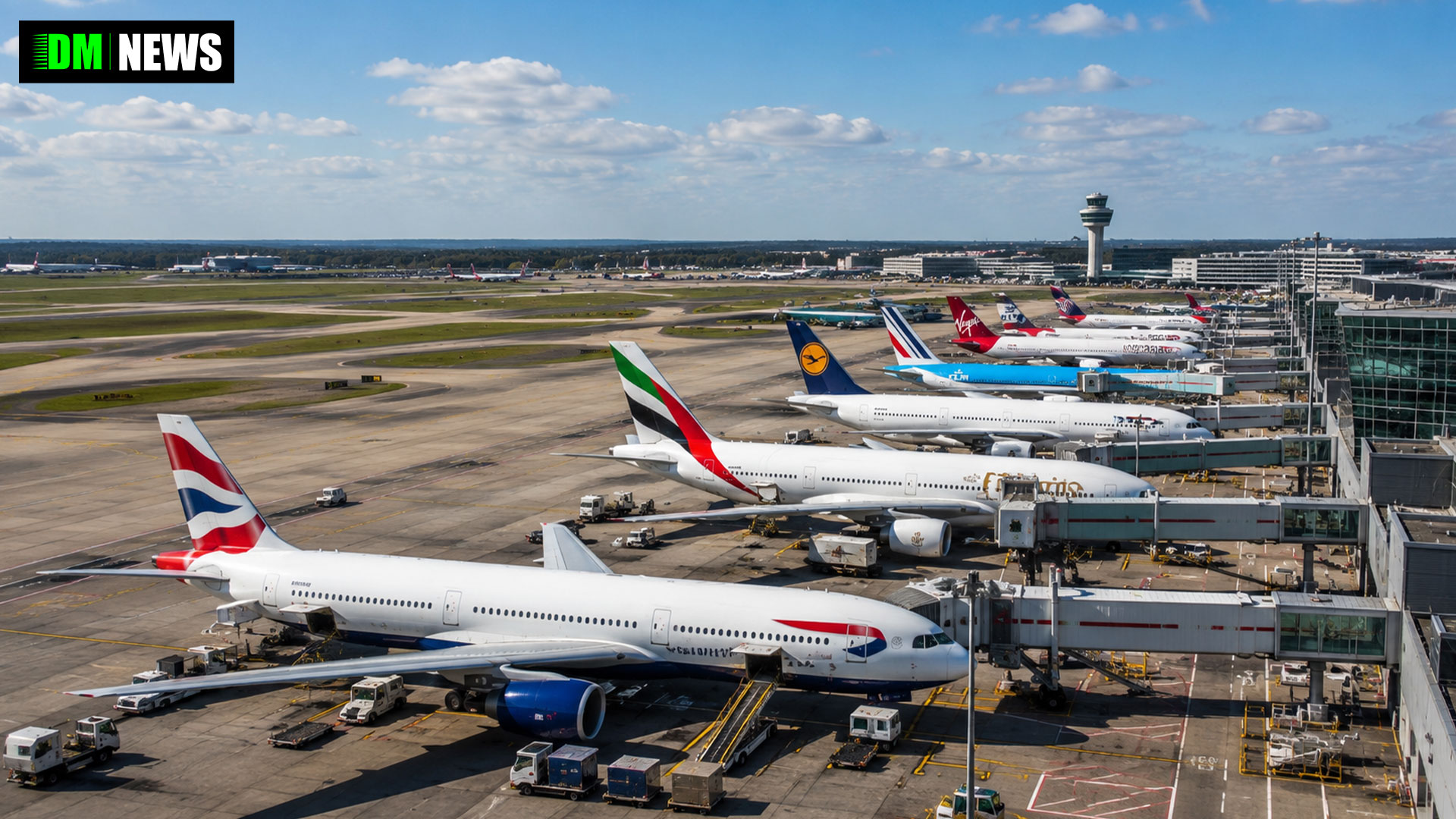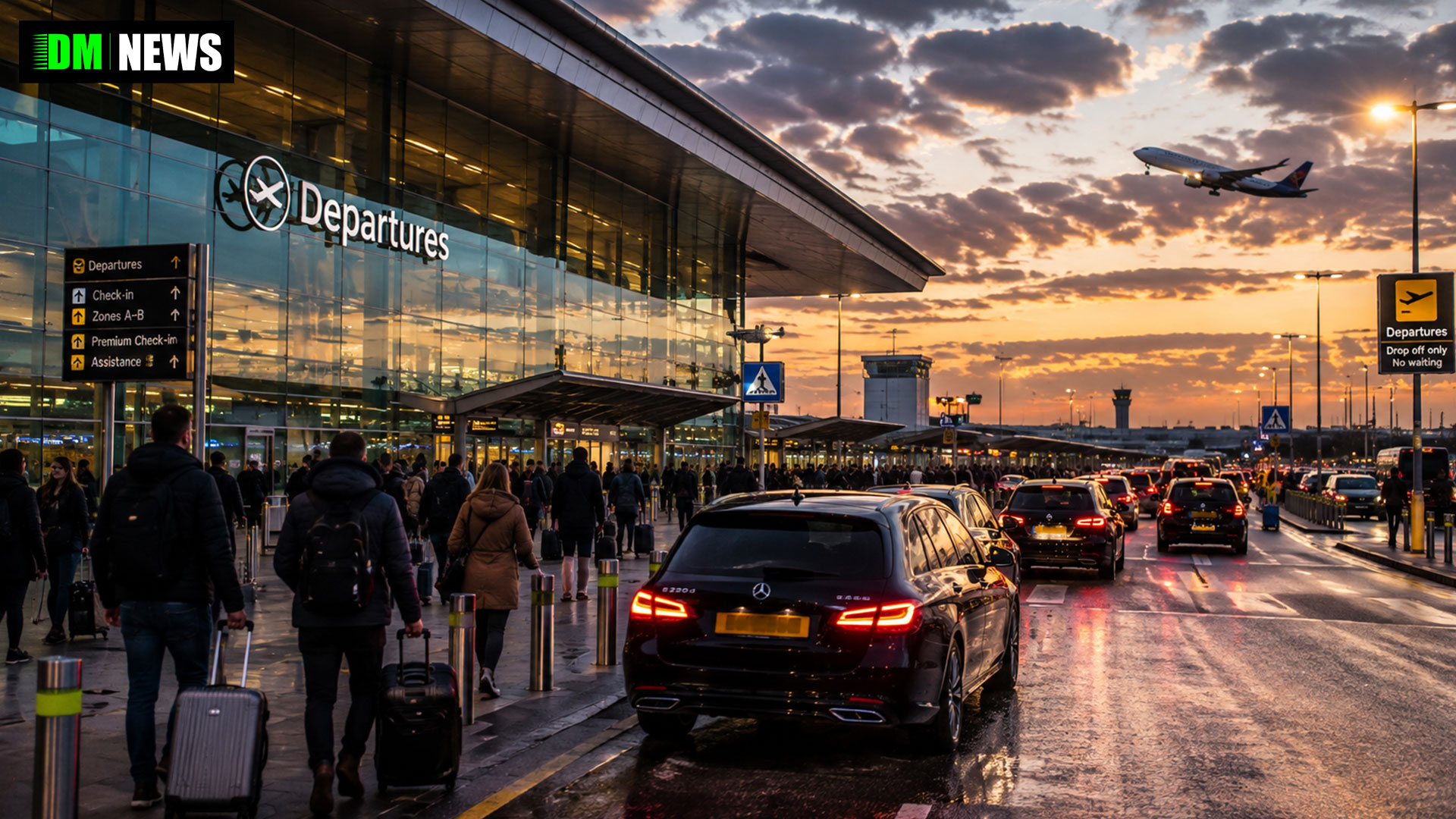
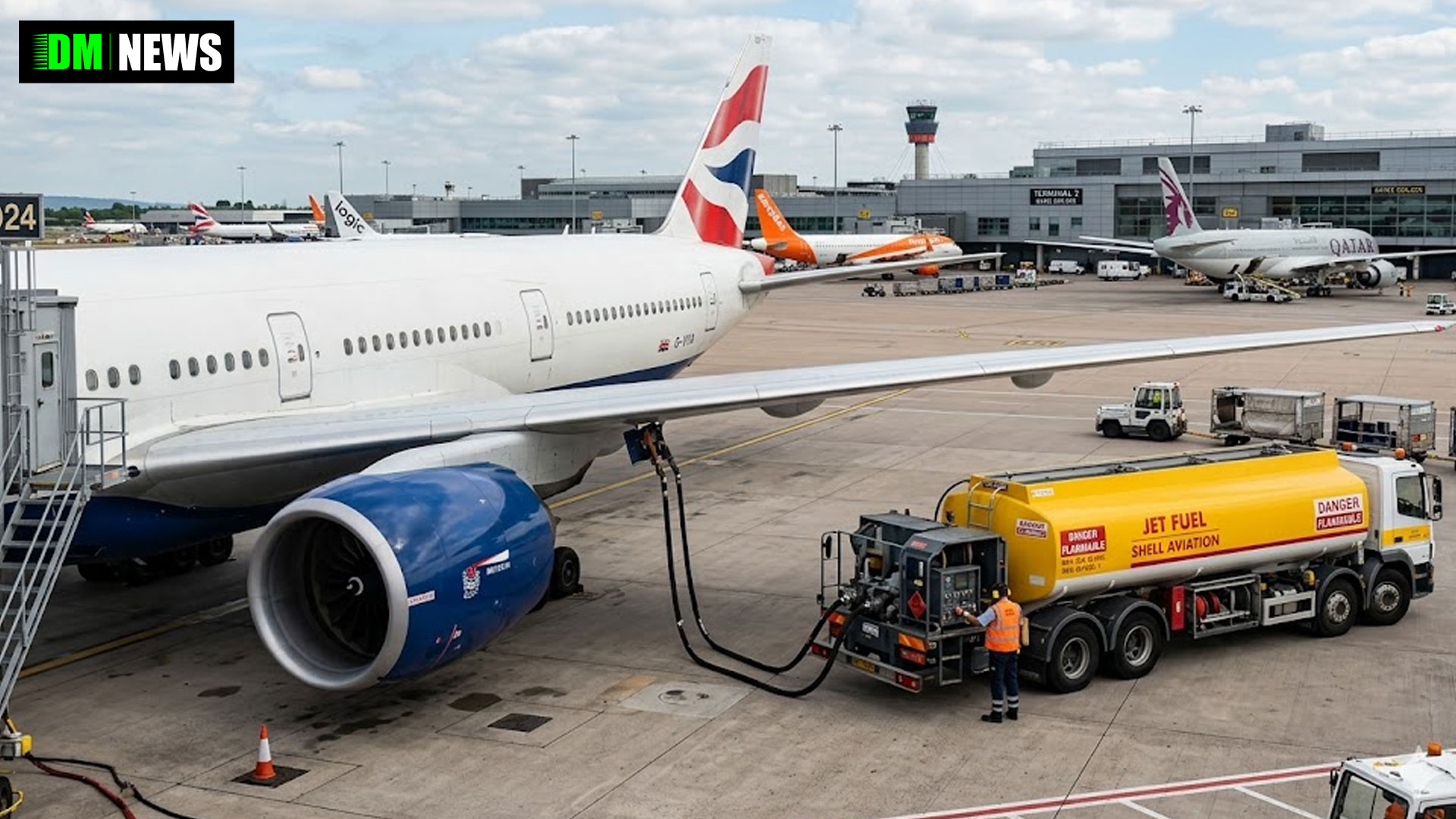
If you’ve got a holiday booked and you’ve seen the headlines about jet fuel shortages, you’re probably wondering whether your trip is at risk. The short answer is: probably not right now — but it’s worth keeping an eye on things.
Here’s what’s actually going on and what it means for you.
What’s Caused the Problem?
The trouble started back in late February 2026, when hostilities broke out in the Middle East and the Strait of Hormuz — a critical shipping route — became severely disrupted. Around 20% of the world’s oil supply passes through that narrow stretch of water, along with roughly 40% of Europe’s jet fuel imports. With the waterway effectively blocked, fuel supplies tightened quickly and prices nearly doubled in a matter of weeks.
By early April, jet fuel had climbed to around $1,838 per tonne. For airlines already operating on tight margins, that’s a serious problem.

What Is the UK Government Saying?
The government has been keen to keep passengers calm. The Department for Transport confirmed that UK airlines buy jet fuel well in advance, and that airports hold their own reserves to keep things running even when global supply chains are under pressure.
They’ve also made a practical change for airlines: the “use it or lose it” slot rule — which normally requires airlines to fly at least 80% of their allocated take-off and landing slots or lose them — has been relaxed. Airport Coordination Limited will now allow airlines to apply for an exemption if fuel shortages are preventing them from operating. The idea is to stop airlines from flying empty or near-empty planes just to protect their slots, and instead focus on managing disruption properly for passengers.
So as things stand, the government’s message is: carry on with your travel plans.
Should You Be Worried?
Honestly, there is some cause for caution — particularly if you’re flying to Spain or Portugal this summer. Routes from London Gatwick and Manchester to destinations like Málaga, Alicante, and Faro are considered among the higher-risk services, as airlines tend to cut leisure-heavy routes first when capacity gets tight.
The International Energy Agency has warned that Europe could burn through its remaining jet fuel stocks within around six weeks if the disruption continues. Airlines including Scandinavian Airlines have already started trimming schedules, and carriers like Air France-KLM and SunExpress have begun adding fuel surcharges to new bookings.
Some UK airlines — including British Airways, TUI, and easyJet — have apparently lobbied for passenger compensation rules to be suspended for cancellations made up to 14 days before departure. That hasn’t happened yet, but it’s something to be aware of.
What Are Your Rights If Your Flight Is Cancelled?
This is where it gets a bit complicated. Under UK261 (the UK’s version of the EU flight compensation rules), if an airline cancels your flight, you’re entitled to a full refund or an alternative flight. You do not have to accept a rebooking if it doesn’t work for you — you can ask for your money back instead.
However, compensation payments of between £220 and £520 — the sort that apply when a cancellation is the airline’s fault — are unlikely to apply here. Airlines will almost certainly argue the fuel shortage counts as “extraordinary circumstances” beyond their control, which generally gets them off the hook for the compensation element.
That said, even in extraordinary circumstances, airlines are still required to look after you. If your flight is cancelled or seriously delayed, they should provide meals and refreshments, and accommodation if you’re stuck overnight. Keep any receipts for expenses and don’t sign anything that might waive your rights without reading it carefully first.
What Can You Do Right Now?
A few practical things worth doing if you’ve got a summer flight booked:
Check your airline’s website regularly for any schedule changes. If your airline offers flexible rebooking — British Airways and easyJet have both activated options for affected routes — it may be worth taking advantage of that window now, before formal cancellations start.
Check whether your travel insurance covers flight cancellations caused by conflict-related disruptions. Many standard policies don’t, so it’s worth reading the small print.
If you haven’t booked yet and your trip is to a popular Spanish or Portuguese resort, booking sooner rather than later could lock in better prices and give you more options if things do deteriorate further.
The situation is still developing and a lot depends on what happens in the Middle East over the coming weeks. For now, there’s no need to panic — but a bit of preparation goes a long way.
Thanks for visiting DM News! If you’ve got a question, a story tip, or anything you’d like to share, head over to DriverMatty.com — I love to hear from you. While you’re there, don’t forget to check out my other websites and social media channels.
Sources:
- GOV.UK – Jet fuel and travel plans: what you need to know (published 24 April 2026): https://www.gov.uk/government/news/jet-fuel-and-travel-plans-what-you-need-to-know
- AirHelp – Jet Fuel Shortage 2026: Flight Cancellations, Surcharges & Your Passenger Rights: https://www.airhelp.com/en-int/blog/jet-fuel-shortage-what-it-means-for-your-flight-and-your-rights/
- AirHelp – Jet fuel shortage disrupts flights in UK and Europe: https://www.airhelp.com/en-int/flight-disruptions/jet-fuel-shortage-disrupts-uk-europe-flights-16042026/
- CNBC – What a looming jet fuel shortage could mean for summer travel: https://www.cnbc.com/2026/04/21/what-a-looming-jet-fuel-shortage-could-mean-for-summer-travel.html
- Air Traveler Club – Europe faces six-week jet fuel shortage, threatening UK summer flights to Spain and Portugal: https://www.airtraveler.club/news/europe-jet-fuel-shortage-uk-summer-flights-risk/