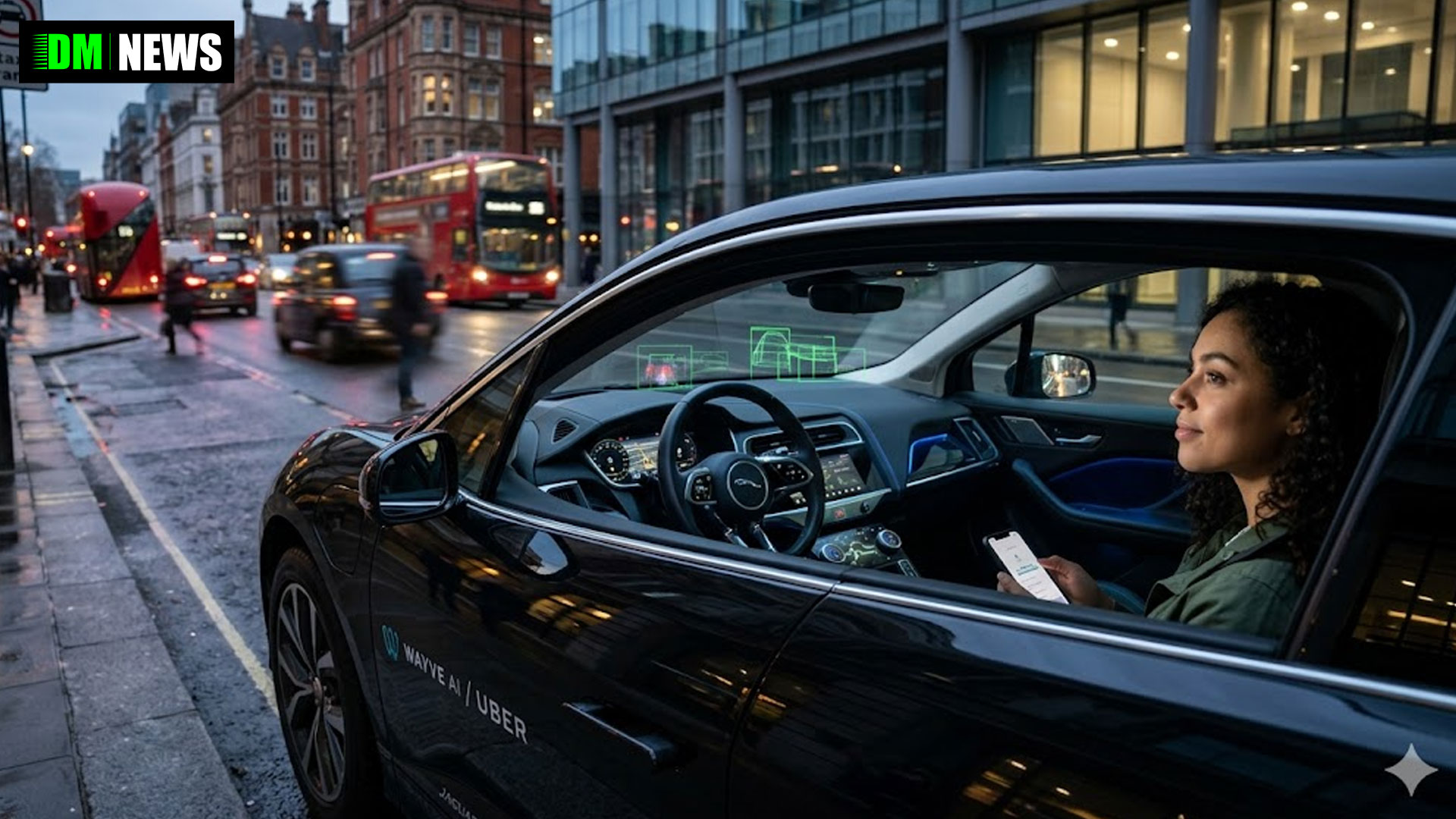
The future of transport has officially arrived on British streets. This month, the first wave of “robotaxis” has begun public trials in several UK cities, marking a massive milestone for the tech industry and a potential shift in how we think about getting from A to B.
While companies like Wayve and Uber have been testing the technology for years, April 2026 marks the first time these vehicles are operating in complex urban environments with the aim of eventually removing the human “safety driver” entirely.

What’s Happening Now?
The trials are focusing on high-density areas where traditional taxi and private hire services are most in demand. These vehicles are packed with advanced AI, LiDAR, and camera systems that allow them to “see” 360 degrees and predict the movement of pedestrians, cyclists, and other drivers.
Key highlights of the current pilot include:
- Geofenced Zones: The trials are currently restricted to specific “smart zones” where the road infrastructure supports high-speed data sharing between the car and the city.
- Safety Drivers: For the initial phase, a trained safety professional remains in the driver’s seat, though their hands rarely touch the wheel.
- Public Access: A select group of registered users can now hail these vehicles via an app, similar to how they would book a standard Uber.
Is the UK Ready?
The government is betting big on this technology, predicting that the self-driving sector could be worth over £42 billion to the UK economy by 2035. New laws passed earlier this year have clarified liability—meaning that if a car is in “autonomous mode,” the manufacturer or software provider is held responsible for its actions, not the person sitting in the seat.
However, for professional drivers, the news is a mixed bag. While some see it as an inevitable evolution that could improve road safety, others are concerned about job security and how these AI “drivers” will handle the unpredictable nature of British weather and narrow, winding city streets.
The Road Ahead
These trials are expected to last through the summer. If successful, the next step will be the removal of the safety driver, leading to a truly driverless experience. Whether the public is ready to hop into a car with a “ghost” at the wheel remains to be seen, but the technology is no longer a thing of science fiction—it’s parked at the traffic lights next to you.
Thanks for visiting DM News! If you’ve got a question, a story tip, or anything you like to share, head over to DriverMatty.com — I love to hear from you. While you’re there, don’t forget to check out my other websites and social media channels.
Sources: