
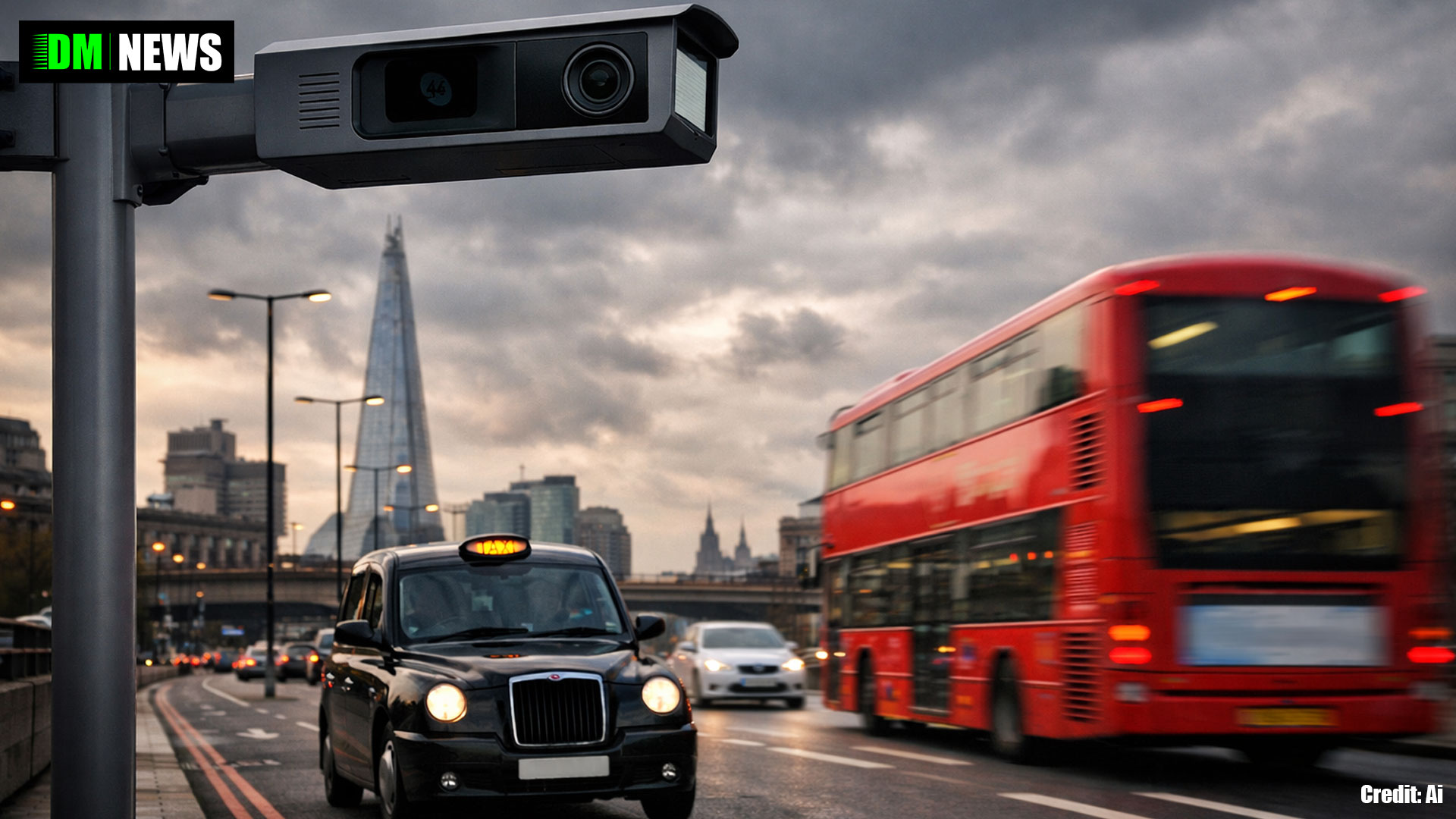
Transport for London (TfL) has announced it is trialling a new generation of radar-based speed cameras at up to 10 locations across the capital, according to an official TfL press release.
The trial, being carried out in partnership with the Metropolitan Police Service (MPS), will see cameras installed in areas including Haringey, Tower Hamlets, Havering, Croydon, Hammersmith and Fulham, Brent, Hackney, Ealing and Sutton. TfL confirmed all selected sites are on 20mph or 30mph roads and were chosen based on risk and suitability.
The new cameras combine 4D radar with a 4K colour camera. Unlike existing spot speed cameras, they do not require road sensors, painted markings, or a visible flash. TfL says this should improve reliability while also delivering clearer images for enforcement purposes.
The authority also highlighted that the new system can monitor up to five lanes of bi-directional traffic from a single unit, compared to current cameras which typically cover up to three lanes and rely on sensors embedded in each lane.
TfL stated that all enforcement signage will be checked and the cameras calibrated before they become operational, in line with standard policy.
The trial comes as TfL continues to focus on road safety. In the release, TfL said excess speed remains a major factor in collisions, with around half of fatal incidents in London in 2024 reporting speed as a contributing factor. The initiative forms part of the wider Vision Zero strategy, which aims to reduce deaths and serious injuries on London’s roads and includes plans to expand and upgrade the capital’s safety camera network.
TfL’s Director of Security, Policing and Enforcement, Siwan Hayward, said the trial would help assess whether the new technology meets future enforcement needs, while the Metropolitan Police added that improved image quality and reliability would support officers in tackling dangerous driving.

DM News Commentary
This move shows just how quickly enforcement technology is evolving. These cameras aren’t just replacing older ones — they’re expanding capability, covering more lanes, and removing some of the traditional limitations like road sensors.
For drivers, particularly those working in taxi and private hire, it means there’s less room for error. The days of knowing where fixed cameras are — and adjusting accordingly — are fading. Enforcement is becoming more flexible, more widespread, and harder to predict.
At the same time, TfL is clearly doubling down on speed as a key safety issue. Whether drivers agree with the approach or not, the direction of travel is obvious: smarter tech, tighter enforcement, and more coverage across urban roads.
Thanks for visiting DM News! If you’ve got a question, a story tip, or anything you’d like to share, head over to DriverMatty.com — I’d love to hear from you.
While you’re there, don’t forget to check out my other websites and social media channels.