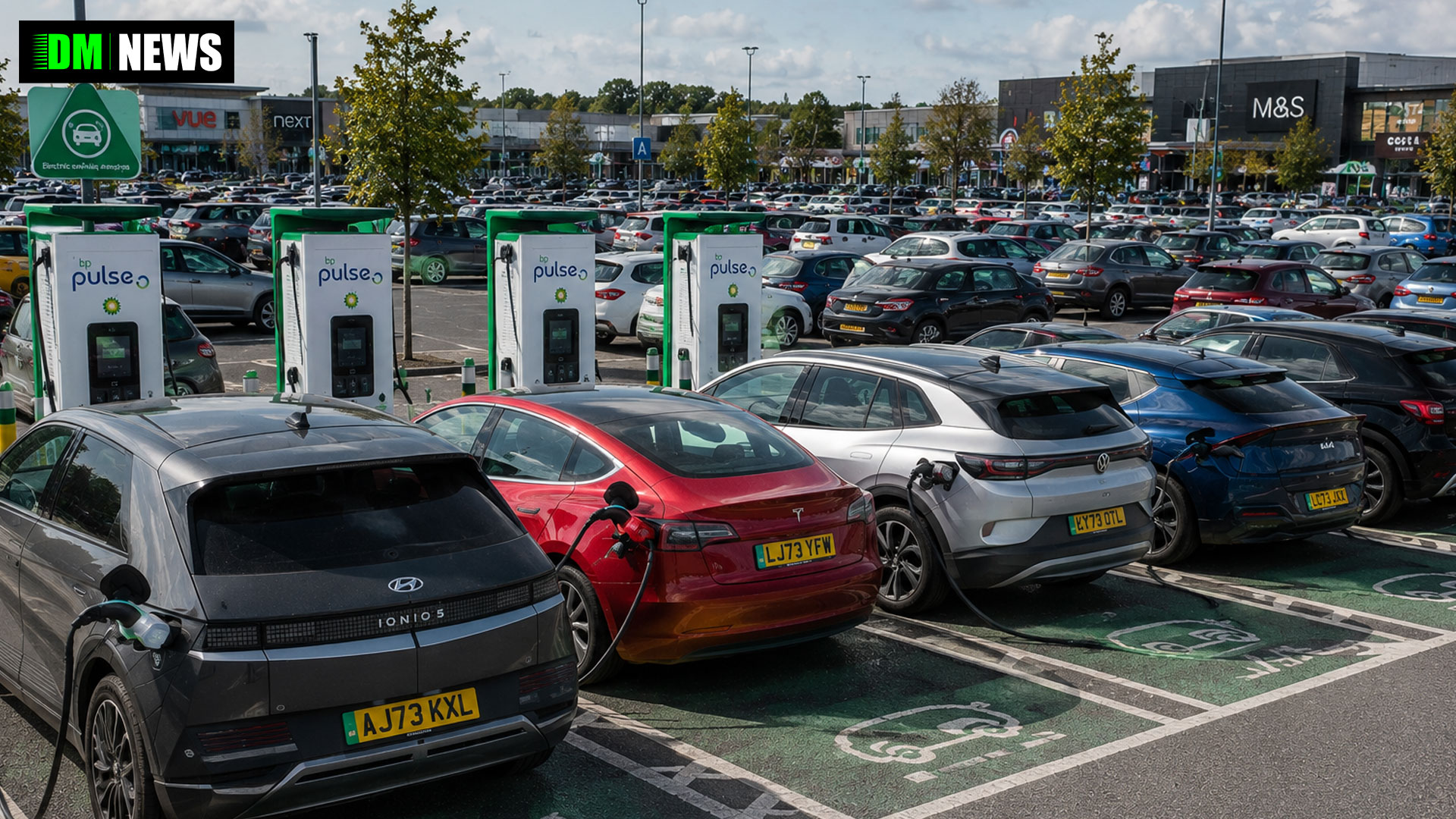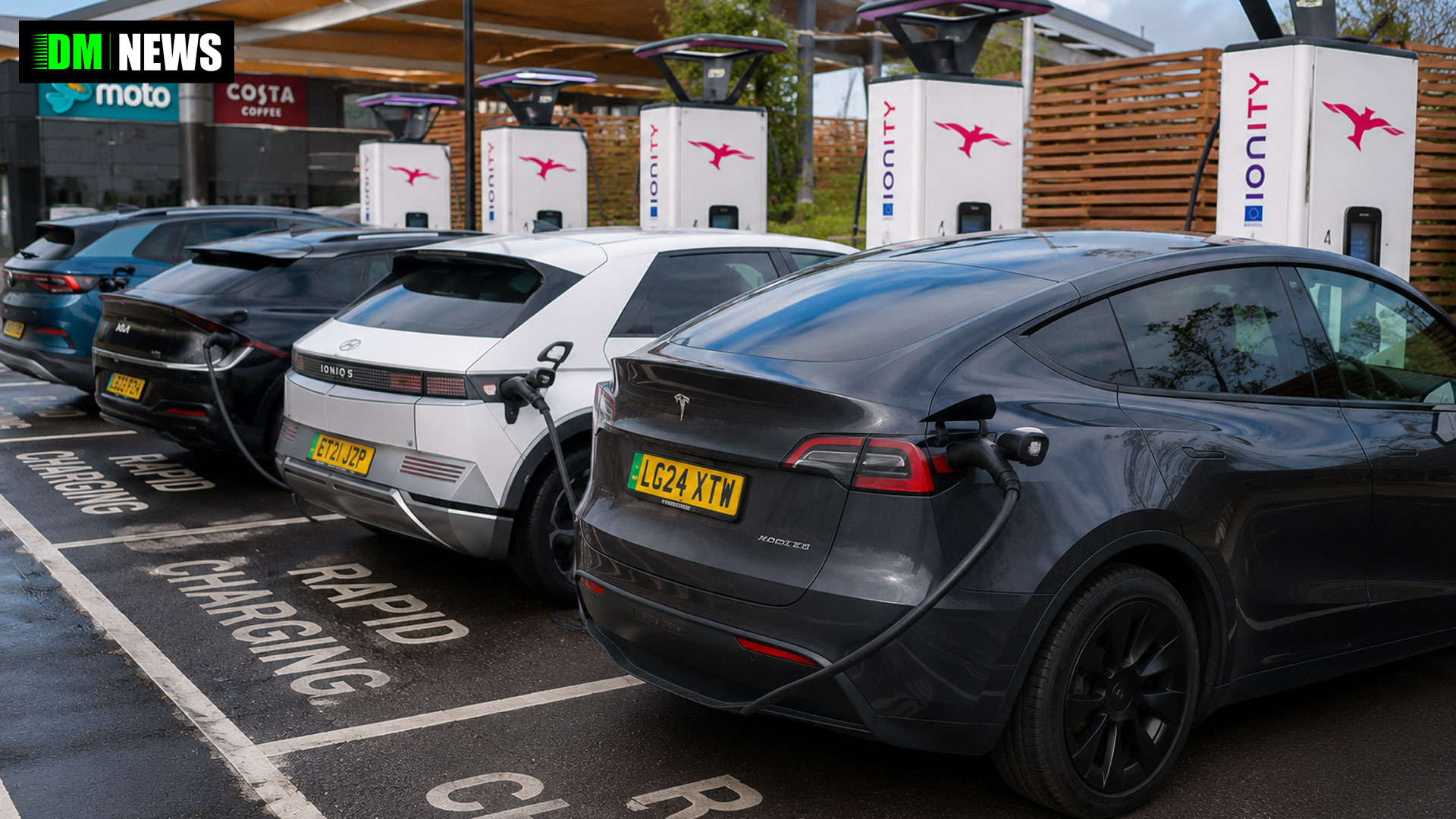
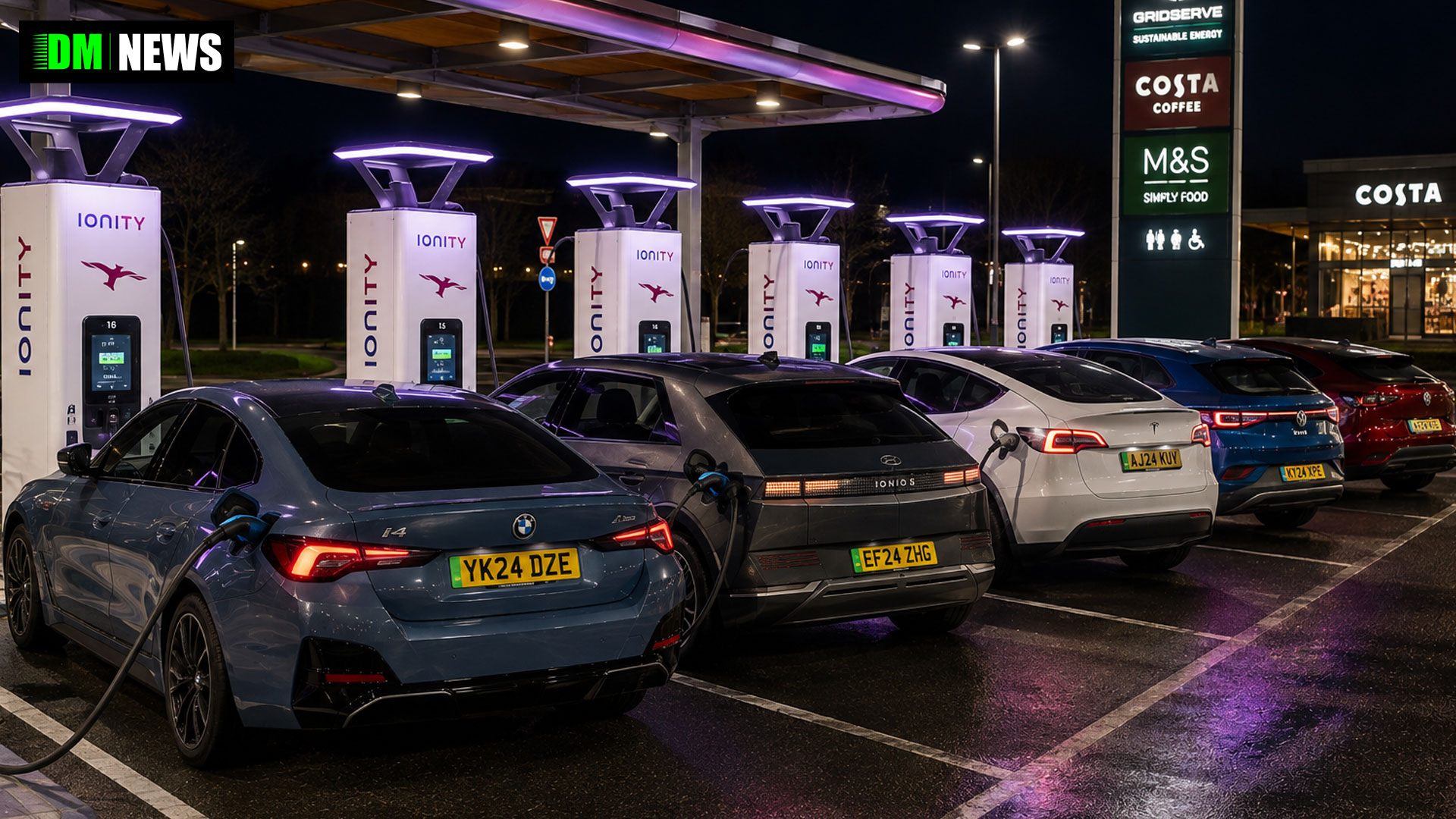
Around one in 85 used electric vehicles tested in the UK has shown a significant imbalance between individual battery cells, according to new analysis of approximately 10,000 EV battery tests.
The findings come from UK battery diagnostics specialist Generational, which analysed cell-level information collected through hundreds of automotive dealers.
The results are not evidence that used electric-car batteries are generally failing. In fact, the overwhelming majority of vehicles tested had well-balanced battery packs.
Across the dataset, the median difference between the highest and lowest-voltage cells was just eight millivolts, or mV.
However, around one in 85 tests recorded a difference of more than 50mV. Generational says a variation at that level warrants further investigation.
More substantial imbalances were considerably less common, with approximately one in 200 tests recording a difference above 100mV.
The issue matters because an EV battery is made up of numerous individual cells working together. A weaker or abnormal cell can potentially become a limiting factor even when the battery’s headline State of Health figure still appears relatively healthy.
Generational says cell imbalance can sometimes develop without obvious symptoms before eventually affecting available range, charging behaviour, performance or the value of the vehicle.
For drivers and small transport businesses looking to build their own online presence, DM Site Builder allows businesses to create a website completely free, with no credit card required.

The findings are particularly relevant to the rapidly growing used-EV market because a conventional battery State of Health percentage does not necessarily reveal differences between individual cells inside the pack.
In some cases, an imbalance may be addressed through battery balancing. More serious cases can require investigation or repair of individual cells or battery modules.
Auto Express reports that Generational encountered one vehicle where an imbalance involving three cells ultimately cost nearly £8,000 to rectify. That example should not be treated as a typical EV battery repair cost, as the price can vary significantly depending on the vehicle, battery construction, warranty status and whether individual modules can be repaired or replaced.
The wider picture from Generational’s previous UK battery research remains considerably more reassuring. Its Battery Performance Index, based on more than 8,000 assessments, found average used-EV battery State of Health of 95.15%.
The latest figures therefore highlight a relatively uncommon problem rather than suggesting widespread battery failure.
For buyers considering a high-mileage or older electric car, however, the findings strengthen the argument for obtaining detailed battery-condition information rather than relying only on the vehicle’s displayed range or a basic overall health percentage.
This could be especially relevant for taxi, private hire and other professional drivers, where a battery problem affecting charging speed or usable range can have a much greater financial impact because of the mileage covered and reliance on the vehicle for work.
A separate peer-reviewed study published in Nature Energy on 25 August also highlights the broader importance of consistency between cells. Using real-world data from electric passenger cars and buses, researchers found that differences in cell ageing can constrain battery-pack health, available power and overall lifetime.
Used EV buyers should not assume that a vehicle has a battery fault simply because of its age or mileage. The new UK testing data suggests most packs remain closely balanced, but it also demonstrates why checking what is happening at individual-cell level can reveal problems that might otherwise remain hidden.
Thanks for visiting DM News! If you’ve got a question, a story tip, or anything you’d like to share, head over to DriverMatty.com — I love to hear from you. While you’re there, don’t forget to check out my other websites and social media channels.