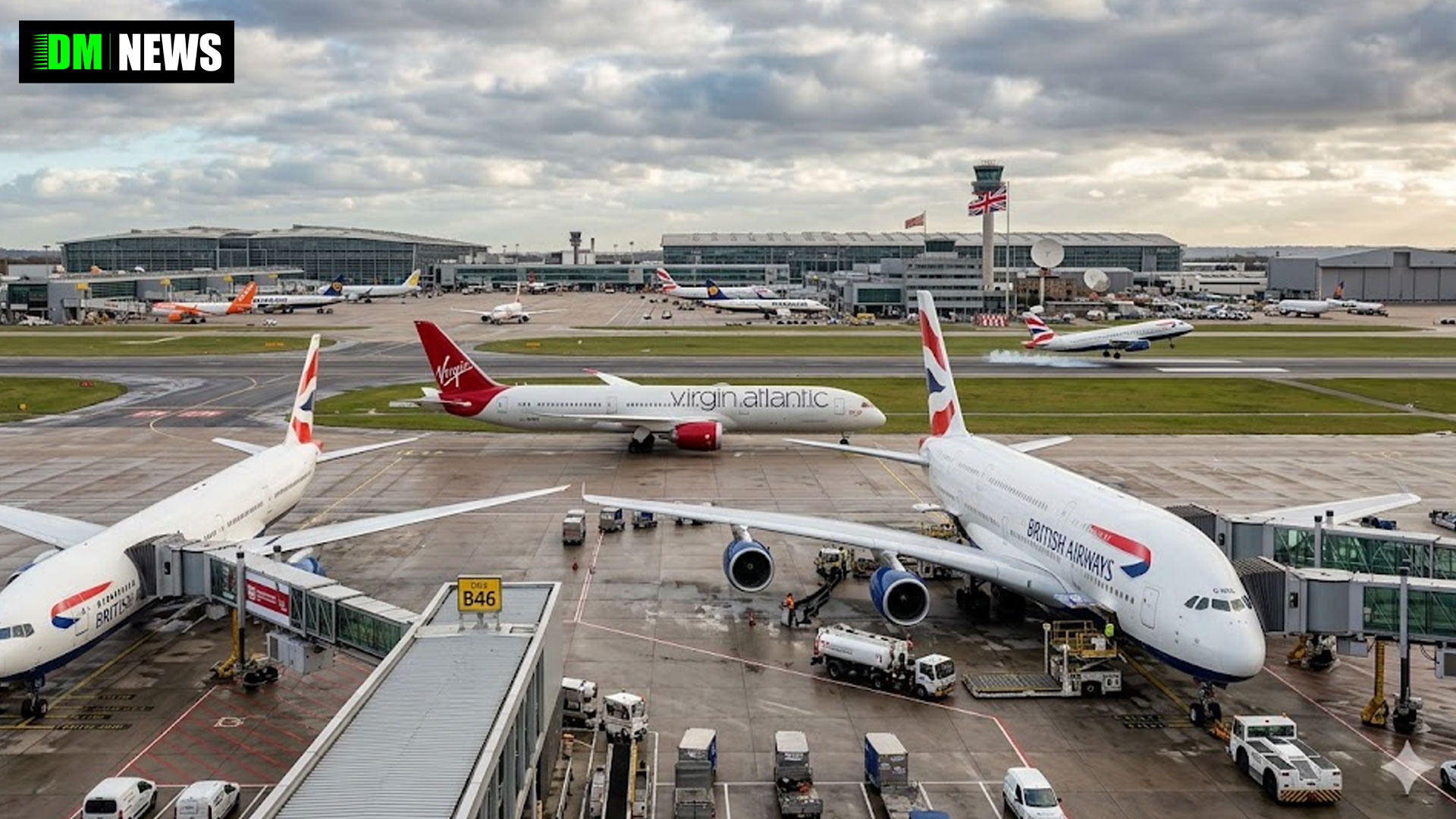
Heathrow has reported a 5.3% drop in passenger numbers for April, with the airport blaming the ongoing Iran conflict for reshaping travel plans across its network.
The UK’s busiest airport handled 6.7 million passengers last month, down from the equivalent figure a year earlier. In its update on 11 May, Heathrow Airport said the dip reflected the “ongoing impact of the Middle East conflict on some markets and short-term adjustments to travel plans.”
Interestingly, it wasn’t all bad news. Transfer passenger numbers were up 10% year-on-year, with travellers rerouting through Heathrow to reach Asia and Oceania while avoiding airspace closer to the Middle East. In other words, fewer people are starting or ending their journeys at Heathrow — but more are using it as a hub to swerve the conflict zone entirely.

Chief executive Thomas Woldbye said: “We know passengers want certainty when planning their hard-earned summer holidays, so we are supporting Government and airlines as they work through their plans to get passengers on their journeys. While we have seen some short‑term disruption linked to the Middle East conflict, demand for travel remains strong with current fuel supplies stable. April was still our busiest month so far this year, underlining the strength of a global hub airport that can adapt quickly in times of uncertainty.”
For taxi and PHV drivers who do airport work, the figures will be a mixed picture. Fewer originating passengers means fewer pickups for the inbound airport runs that many drivers rely on as bread-and-butter jobs. The transfer-passenger boost doesn’t help cabbies — those passengers never leave the terminal. April being Heathrow’s busiest month of the year so far means there’s still plenty of work going around, but the trajectory matters: Heathrow has said its 2026 passenger forecast will now be reviewed in June to take account of the disruption.
The wider economic ripple has already been flagged. Reports this week have suggested up to 163,000 UK jobs could be lost across 2026 thanks to the knock-on effects of the conflict — higher fuel costs, supply chain disruption, energy prices and shaky consumer confidence. For self-employed drivers, who feel fuel price moves more sharply than most, that’s an extra reason to keep a close eye on what happens next.
The Bank of England has warned UK unemployment could rise to 5.6% this year in its more pessimistic scenario for the impact of the war, up from the current 5.2%. None of that is good news for an industry whose customers are very sensitive to cost-of-living pressure.
For drivers working the major airports, the takeaway is straightforward: passenger flows are shifting, summer plans are being adjusted, and the next few months will tell us whether this is a short-term dip or something more lasting.
Thanks for visiting DM News! If you’ve got a question, a story tip, or anything you’d like to share, head over to DriverMatty.com — I love to hear from you. While you’re there, don’t forget to check out my other websites and social media channels.
Sources: