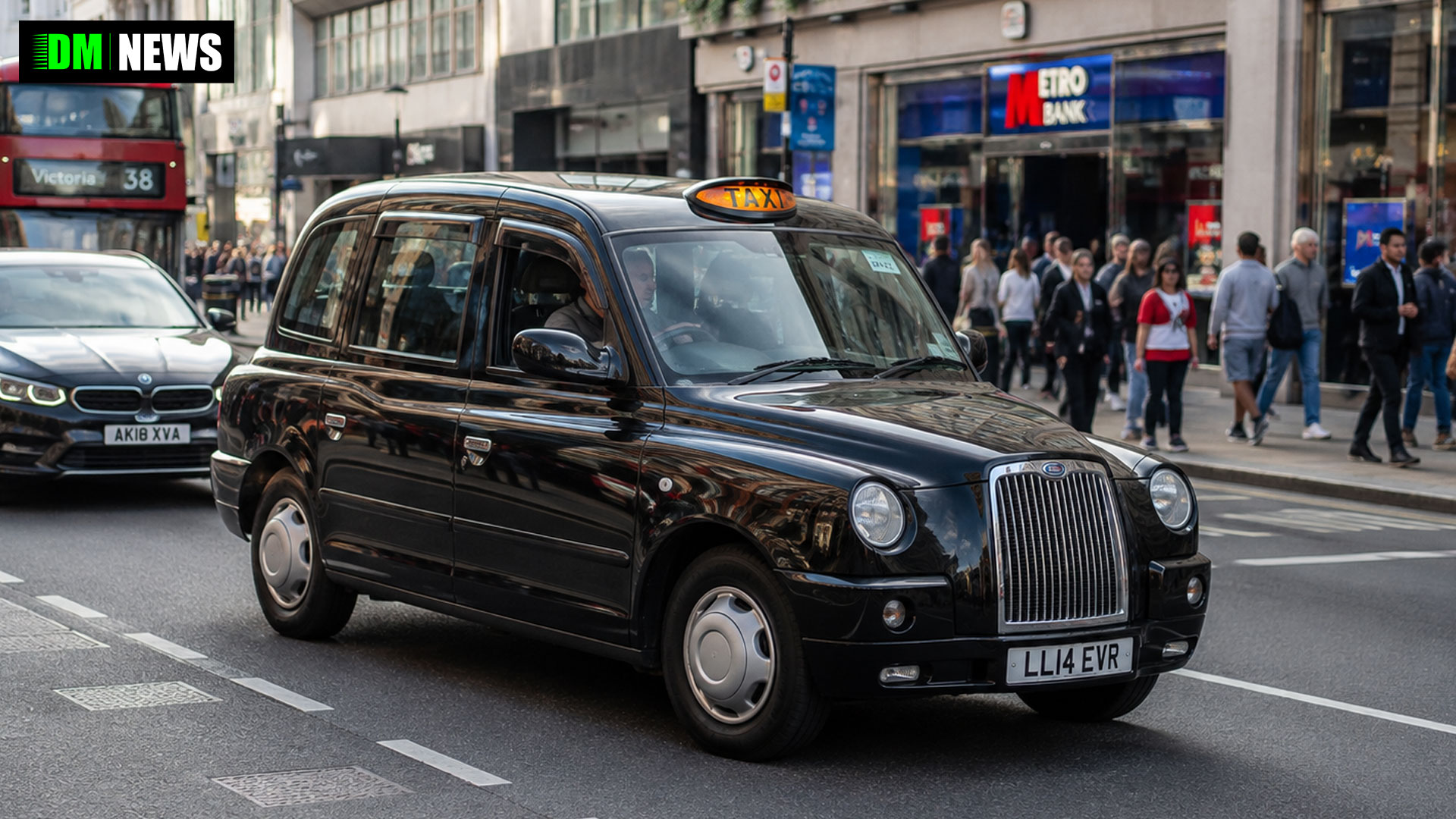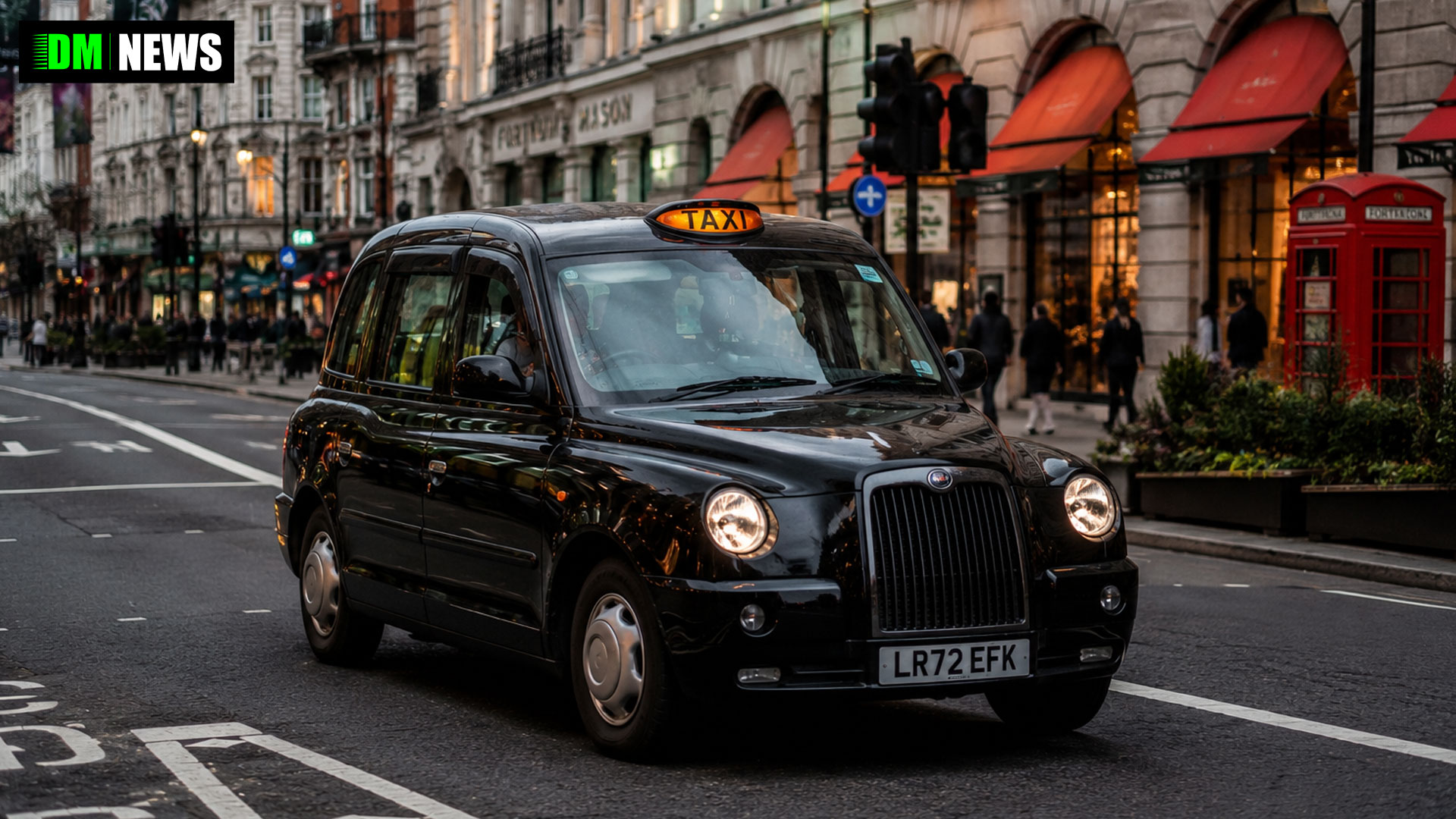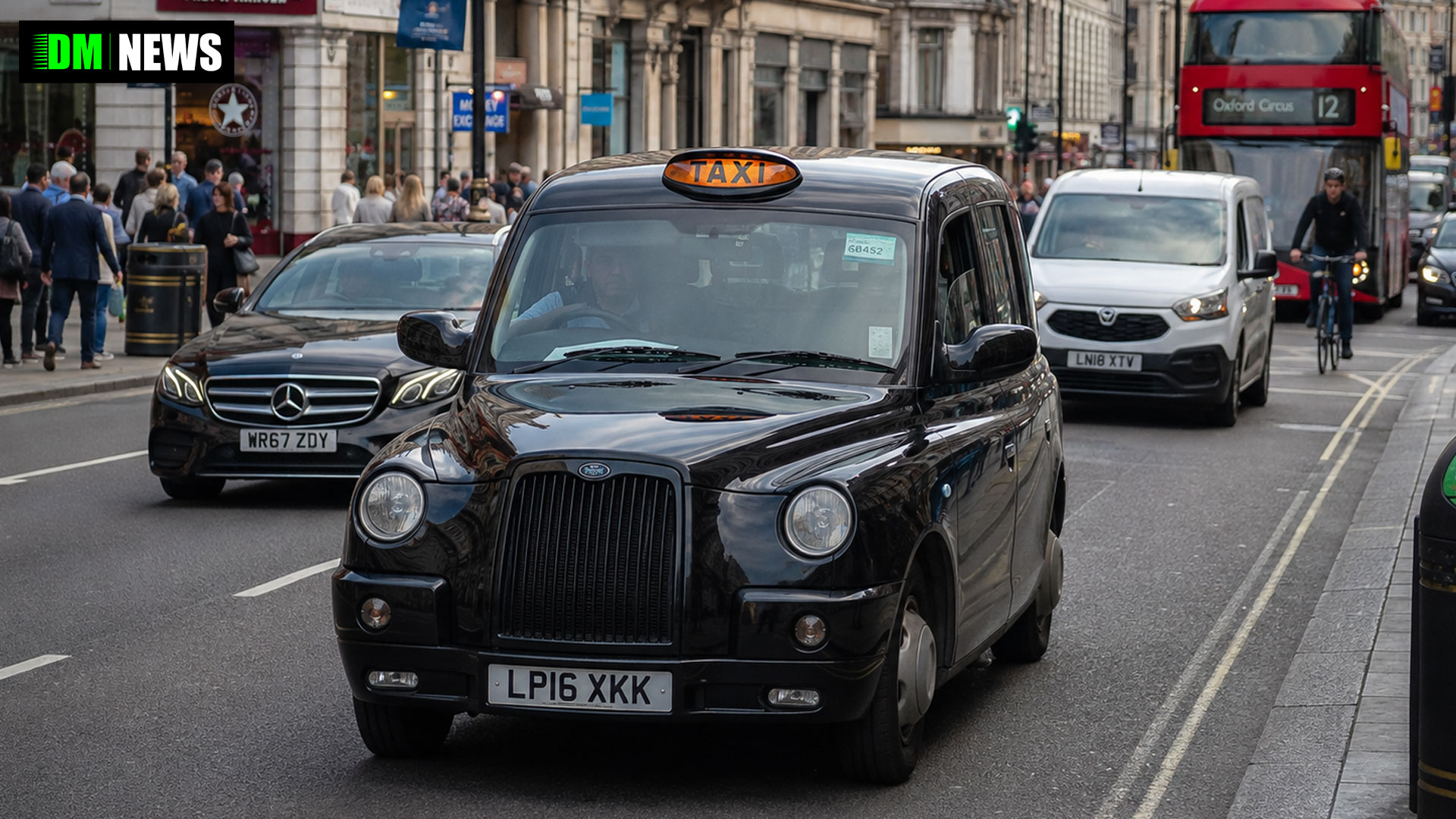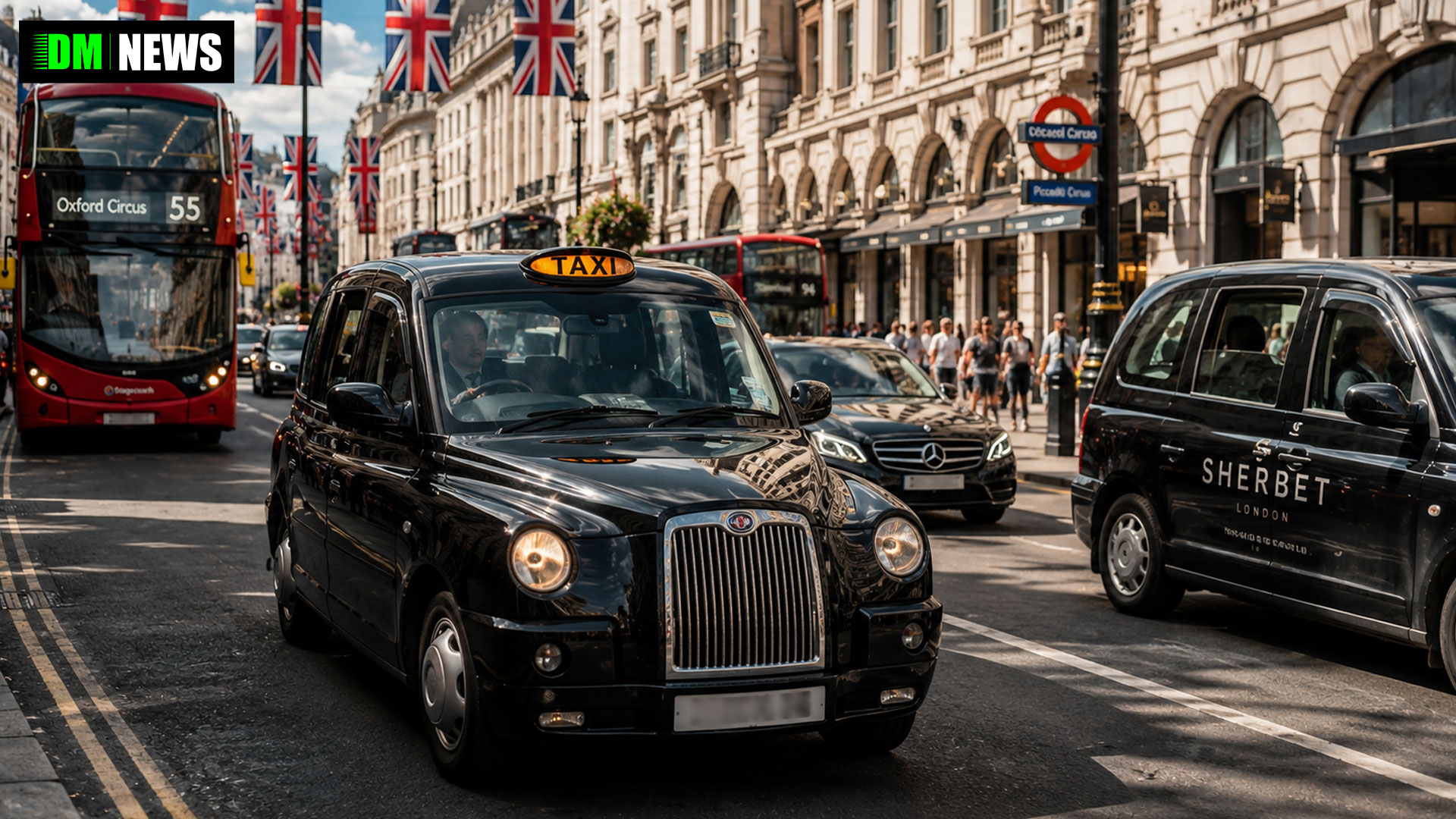

As of today, 1 April 2026, the landscape for the UK taxi trade has fundamentally shifted. The government’s long-running Plug-in Taxi Grant (PiTG) has officially come to an end, stripping away £4,000 in direct support for drivers making the switch to electric vehicles.
This move marks the final chapter in a decade of central government subsidies designed to decarbonise the UK’s taxi fleet. For many drivers—particularly those in London who are mandated to use Zero-Emission Capable (ZEC) vehicles—it is a significant financial blow that will directly increase the weekly cost of operation.
A Steep Financial Mountain
The PiTG, introduced in 2017, was designed to bridge the substantial price gap between traditional diesel cabs and new hybrid or fully electric models. Without it, the full upfront purchase cost of a new electric black cab—such as the ubiquitous LEVC TX or the Nissan Dynamo—falls entirely on the driver or the fleet operator.
Industry leaders have immediately expressed alarm. A spokesperson for the Licensed Taxi Drivers’ Association (LTDA) told DM News:
“Taking £4,000 away when drivers are already struggling with high interest rates, high energy prices, and a general cost-of-living crisis is a reckless move. It won’t stop the transition to electric, but it will make that transition significantly more painful, forcing many dedicated drivers off the road.”

Compounding Cost Pressures
The timing of the grant’s withdrawal is particularly difficult for the trade. While electric cabs offer significant savings on fuel and maintenance, these benefits are increasingly offset by other rising costs. Drivers in April 2026 are facing:
- High Interest Rates: Financing a £70,000+ vehicle is drastically more expensive today than it was when the grant was first introduced.
- Electricity Prices: Public rapid-charging costs have risen considerably, reducing the operating cost advantage over diesel.
- Insurance Premiums: Insurance for all professional drivers, particularly those in large urban areas, has seen double-digit increases over the last two years.
The Regional Divide
While London’s drivers must go green by law, the situation is different elsewhere in the UK. Licensing authorities in cities like Manchester, Birmingham, and Edinburgh are gradually introducing ZEC requirements.
Without the £4,000 incentive, there is a serious concern that drivers outside of the capital—who may not benefit from the same high demand or lower-cost ‘Taxi-only’ charging infrastructure—will delay replacing their aging diesel cabs. This could significantly slow the push for cleaner air in regional urban centres.
The End of an Era
The government’s position remains consistent: subsidies are a temporary measure to kickstart a market. The Department for Transport (DfT) argues that as electric taxi models become more established and charging infrastructure expands, direct grants are no longer required.
For the drivers working the ranks, however, the removal of the £4,000 PiTG is not an academic adjustment; it is an £80 increase in their monthly financing bill.
Thanks for visiting DM News! If you’ve got a question, a story tip, or anything you like to share, head over to DriverMatty.com — I love to hear from you. While you’re there, don’t forget to check out my other websites and social media channels.
Sources: