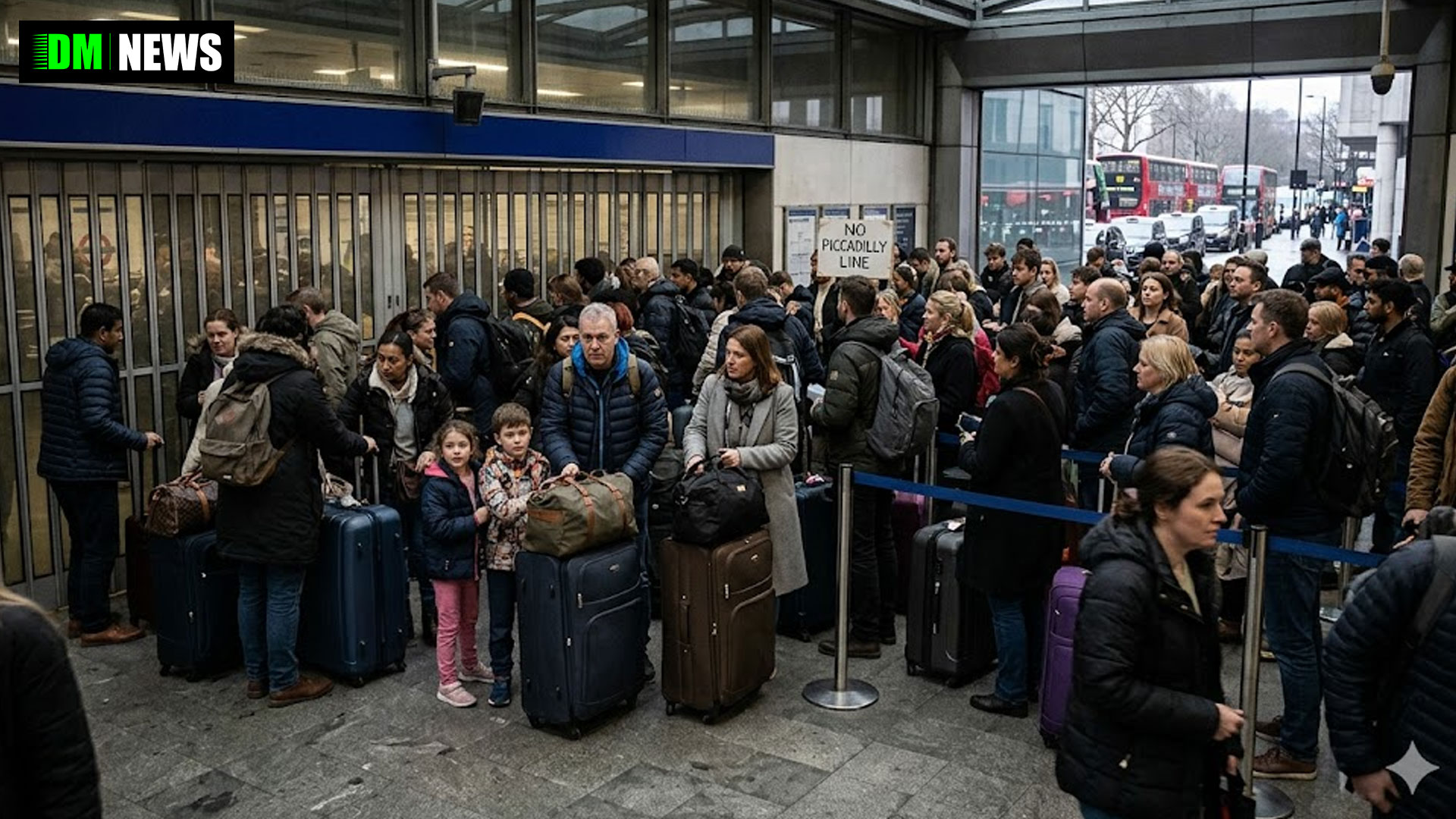
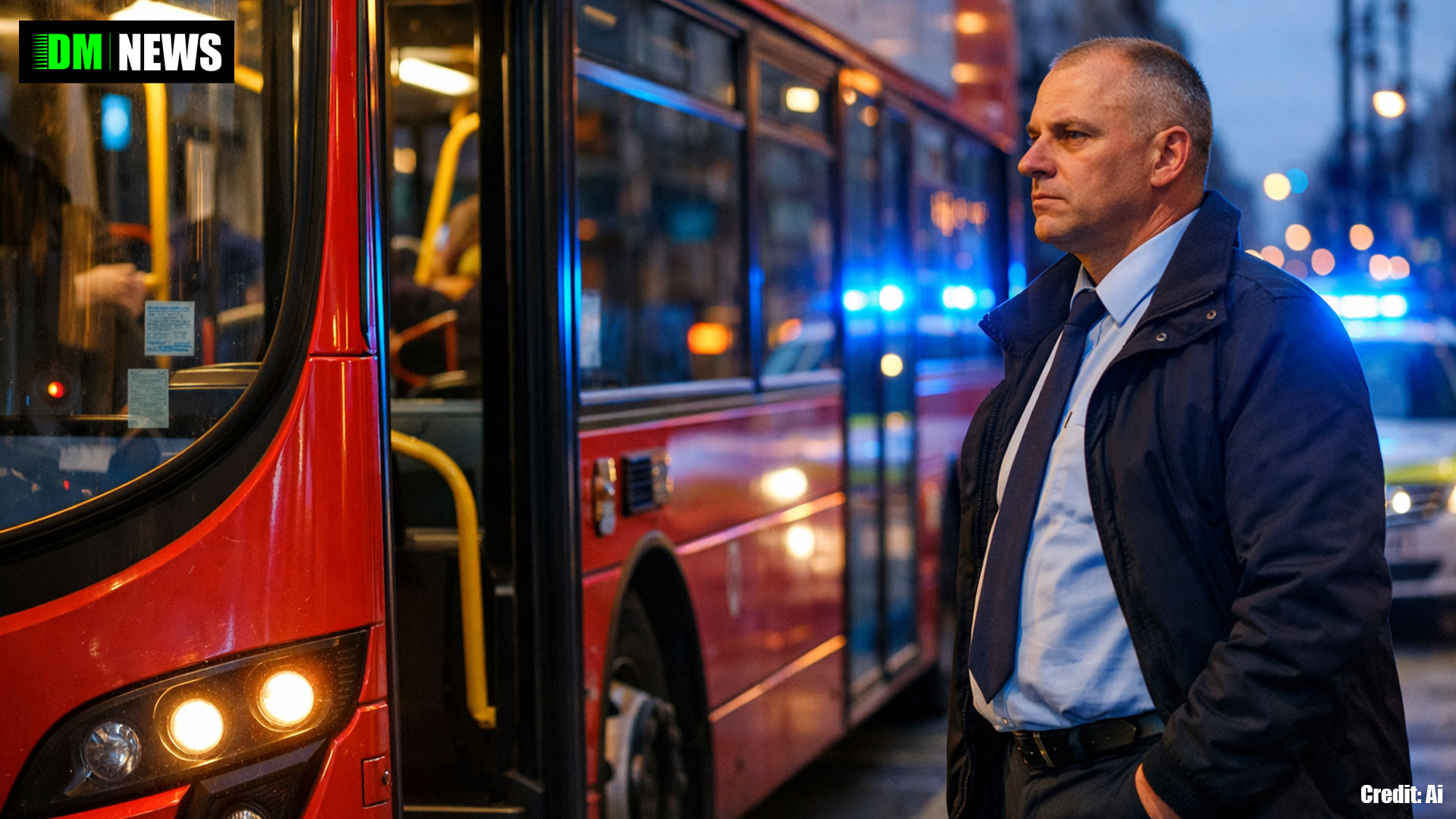
A London bus driver has been dismissed after chasing and punching a man who stole a passenger’s necklace, with an employment tribunal later examining whether the incident amounted to self-defence or a breach of company safety rules.
According to a report by Sky News, the driver, identified as Mr Hehir, pursued the alleged thief after the theft occurred. Tribunal evidence heard that the man later returned to the bus and threw “the first punch” at Mr Hehir. The driver responded by striking him once in self-defence, knocking him unconscious. Mr Hehir then dragged the man onto the pavement and restrained him for nearly half an hour.
The bus operator Metroline defended its decision to sack the driver, stating he had “breached protocols designed to keep staff and passengers safe”. Allegations included bringing the company into disrepute by physically assaulting a passenger and failing to protect passengers by leaving the bus unattended with the engine running.
Metroline argued that, regardless of provocation, company procedures are clear that drivers must not leave their vehicles or physically engage with members of the public, even in the aftermath of a crime.

DM News Commentary
This case highlights a difficult grey area for frontline transport workers. On one hand, drivers are expected to prioritise safety, avoid confrontation, and follow strict operating rules. On the other, they are often the first point of response when crimes happen right in front of them, involving their passengers.
From a wider transport perspective, this ruling reinforces how tightly operators expect staff to stick to policy, even when emotions run high and a crime has just occurred. While the tribunal heard claims of self-defence, the decision shows that employers will often focus less on intent and more on procedural breaches — such as leaving a vehicle unattended or physically restraining someone.
For drivers across buses, taxis and private hire, the message is blunt: intervening directly, even with good intentions, can put your job at risk. It also raises uncomfortable questions about how protected passengers really are in those moments, and whether current policies leave too much responsibility — and risk — on drivers’ shoulders.
Thanks for visiting DM News! If you’ve got a question, a story tip, or anything you’d like to share, head over to DriverMatty.com — I’d love to hear from you.
While you’re there, don’t forget to check out my other websites and social media channels.