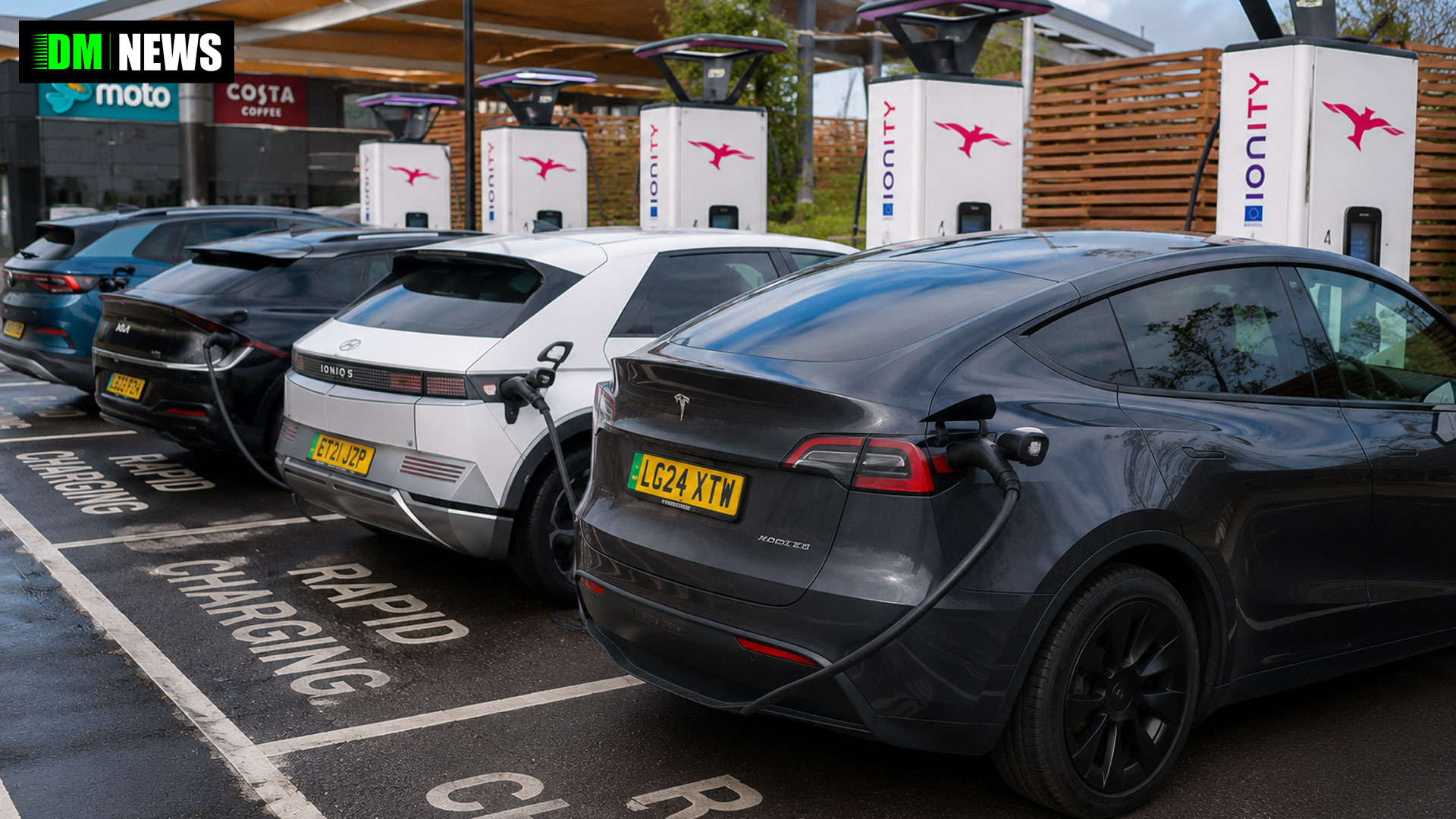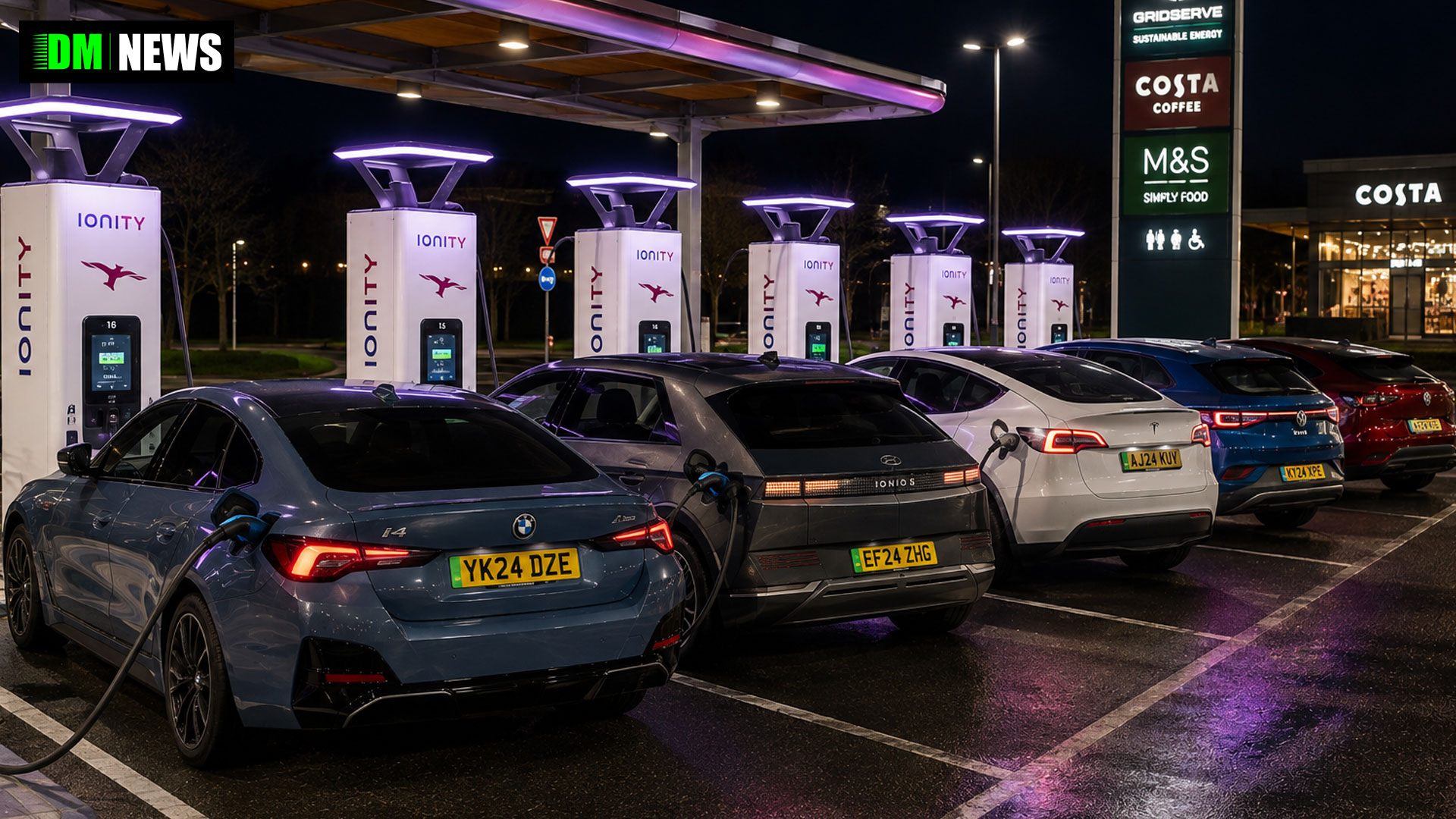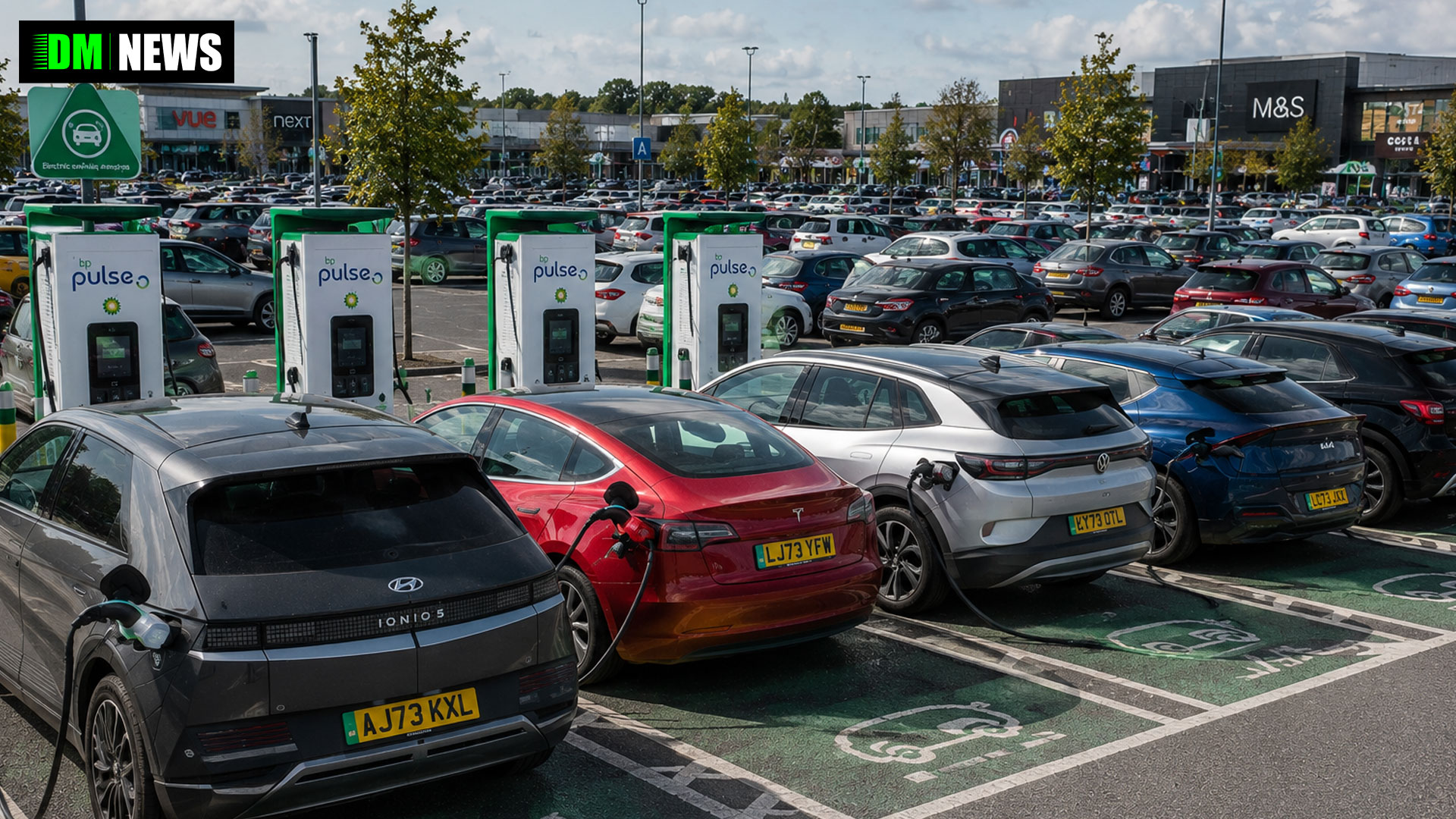
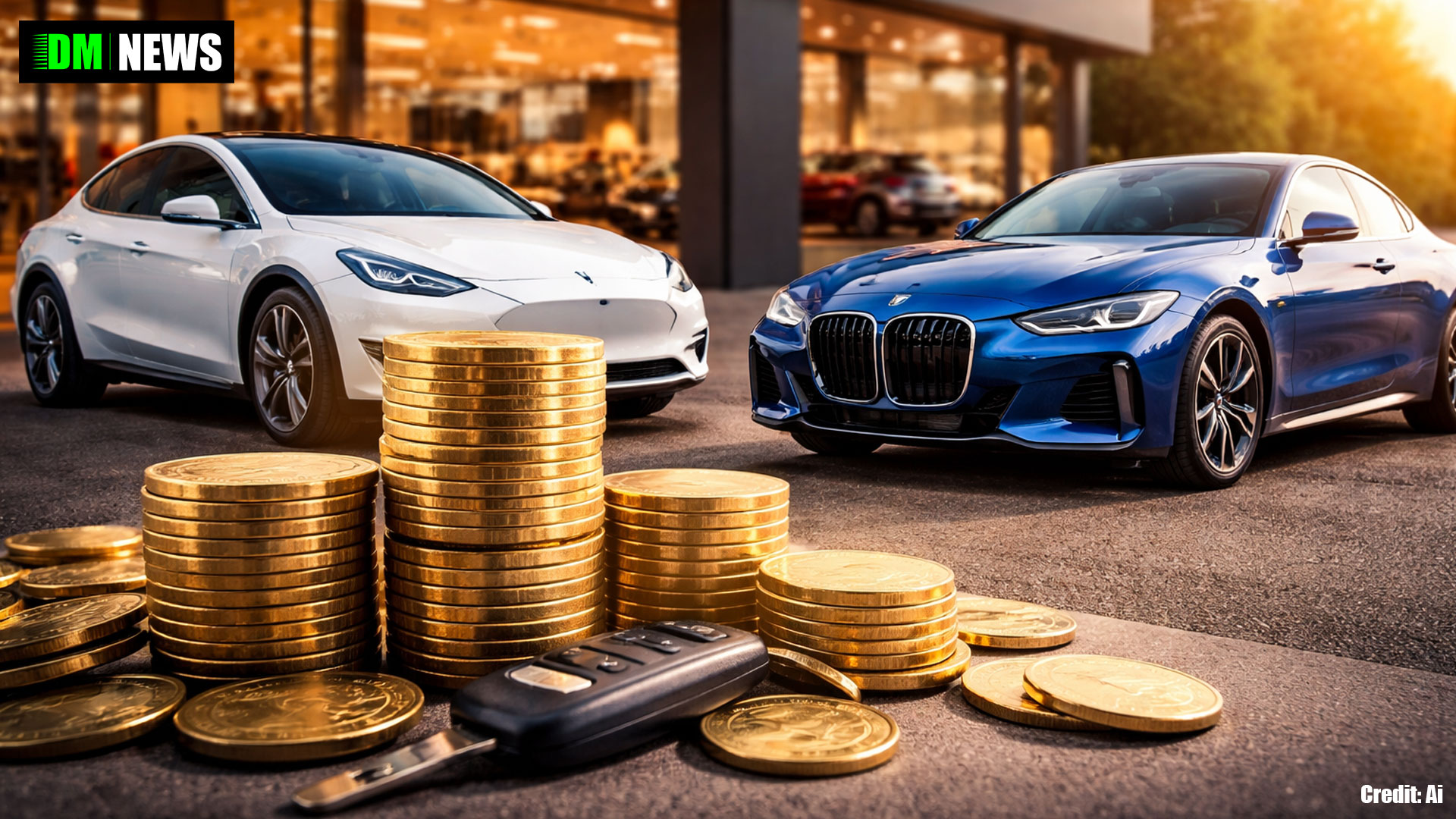
Electric vehicle buyers are set to benefit from a higher luxury car tax threshold, after the Government confirmed that the Expensive Car Supplement for EVs will increase from £40,000 to £50,000.
According to guidance published by RAC, the change comes into effect from 1 April 2026, but will also apply retrospectively to electric cars first registered from 1 April 2025 onwards.
Under the current system, vehicles with a list price above £40,000 are subject to the Expensive Car Supplement — often referred to as the “luxury car tax” — which adds £425 per year on top of standard Vehicle Excise Duty (VED) payments.
By raising the threshold to £50,000 for EVs, many popular electric models will now avoid the supplement altogether, saving drivers £425 per year during the five-year period the charge applies.
As a result, electric cars registered after 1 April 2025 with a list price below £50,000 will not face the higher annual charge, keeping their total VED bill lower compared with similarly priced petrol or diesel vehicles.

What This Means for Electric Car Drivers
The increase in the threshold offers some financial relief for EV buyers at a time when purchase prices remain higher than their petrol and diesel equivalents.
Without the supplement, EV drivers will avoid paying the combined annual charge of £620, which includes both the standard VED rate and the luxury car tax. This change is likely to make mid-range electric vehicles more attractive to private buyers and company car drivers alike.
However, it does not remove road tax altogether for electric vehicles.
Other Tax Changes Facing EV Drivers
While the higher luxury car tax threshold is welcome news, other changes are on the horizon for electric vehicle owners.
From April 2026, electric cars will no longer qualify for free road tax and will instead pay the standard flat VED rate, expected to be £200 per year, up slightly from £195 in line with inflation.
Looking further ahead, the Government has also confirmed plans to introduce a pay-per-mile electric Vehicle Excise Duty (eVED) system from April 2028. Under the proposal:
- Fully electric vehicles would pay 3p per mile
- Plug-in hybrid vehicles would pay 1.5p per mile
The Government estimates that an average electric car driver covering around 8,000 miles per year would pay an additional £240 annually, on top of standard VED.
Details on how mileage will be recorded have not yet been confirmed. The Government has said the system will protect driver privacy, with no tracking or reporting of journey locations. Mileage checks are expected to take place around vehicle registration anniversaries, potentially involving MOT test centres.
DM News Commentary
Raising the luxury car tax threshold to £50,000 is a sensible move and quietly acknowledges the reality of EV pricing in the UK. Many electric cars quickly cross the £40,000 mark once basic options are added, so the previous threshold was catching far more “normal” vehicles than originally intended.
That said, this change is clearly a balancing act. While EV buyers get some short-term relief, the long-term direction is clear: electric vehicles are no longer being treated as tax-exempt. With flat-rate VED returning in 2026 and mileage-based charging planned for 2028, EV drivers are being gradually brought back into the wider road tax system.
For drivers — particularly those covering high mileages — the overall cost picture for electric motoring is becoming less predictable, and future tax planning will matter more than ever.
Thanks for visiting DM News! If you’ve got a question, a story tip, or anything you’d like to share, head over to DriverMatty.com — I’d love to hear from you.
While you’re there, don’t forget to check out my other websites and social media channels.