Airports across Europe – including those serving millions of UK travellers – are preparing for longer queues and potential disruption as the European Union begins rolling out its new biometric border control system this month.
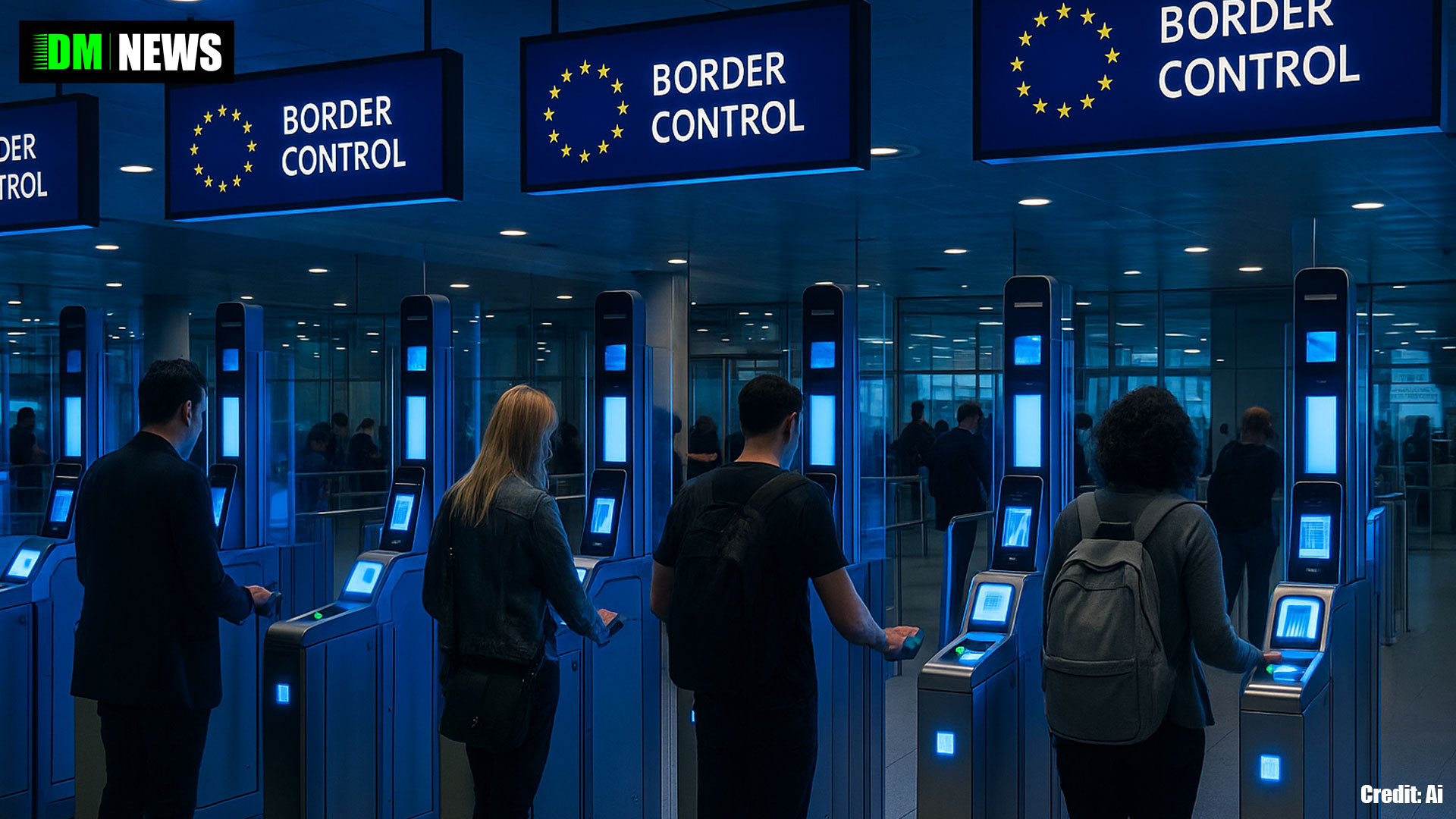
The Entry/Exit System (EES) officially launches on 12 October 2025, requiring non-EU visitors (including UK passport holders) to provide fingerprints, facial scans, and passport data when entering or leaving the Schengen area. The new process replaces traditional passport stamping and will be phased in over six months, finishing by April 2026.
What travellers can expect
Under the EES, anyone entering the EU for a short stay of up to 90 days in any 180-day period will need to register their biometric data the first time they travel. That information will then be stored for three years and checked automatically on future trips.
Children under 12 are exempt from fingerprinting, and EU, EEA, and Swiss nationals won’t need to register. The scheme is being managed by the European agency eu-LISA and will work alongside ETIAS, a new pre-travel authorisation system launching later in 2026.
Impact on UK borders
UK travellers are now classed as “third-country nationals”, meaning they will face EES checks at Dover, Folkestone (Eurotunnel), and London St Pancras (Eurostar).
The Port of Dover has said fingerprint and face-scan checks could take up to six minutes per vehicle, compared to around one minute under current procedures. However, officials insist their new £40 million facilities should prevent gridlock.
Eurotunnel has invested a further £80 million to prepare for the new system and is hiring 120 additional staff to help travellers register. Its chief executive believes any extra delays will be “modest”, predicting journey times will increase by no more than two minutes once the system beds in.
Airports prepare for queues
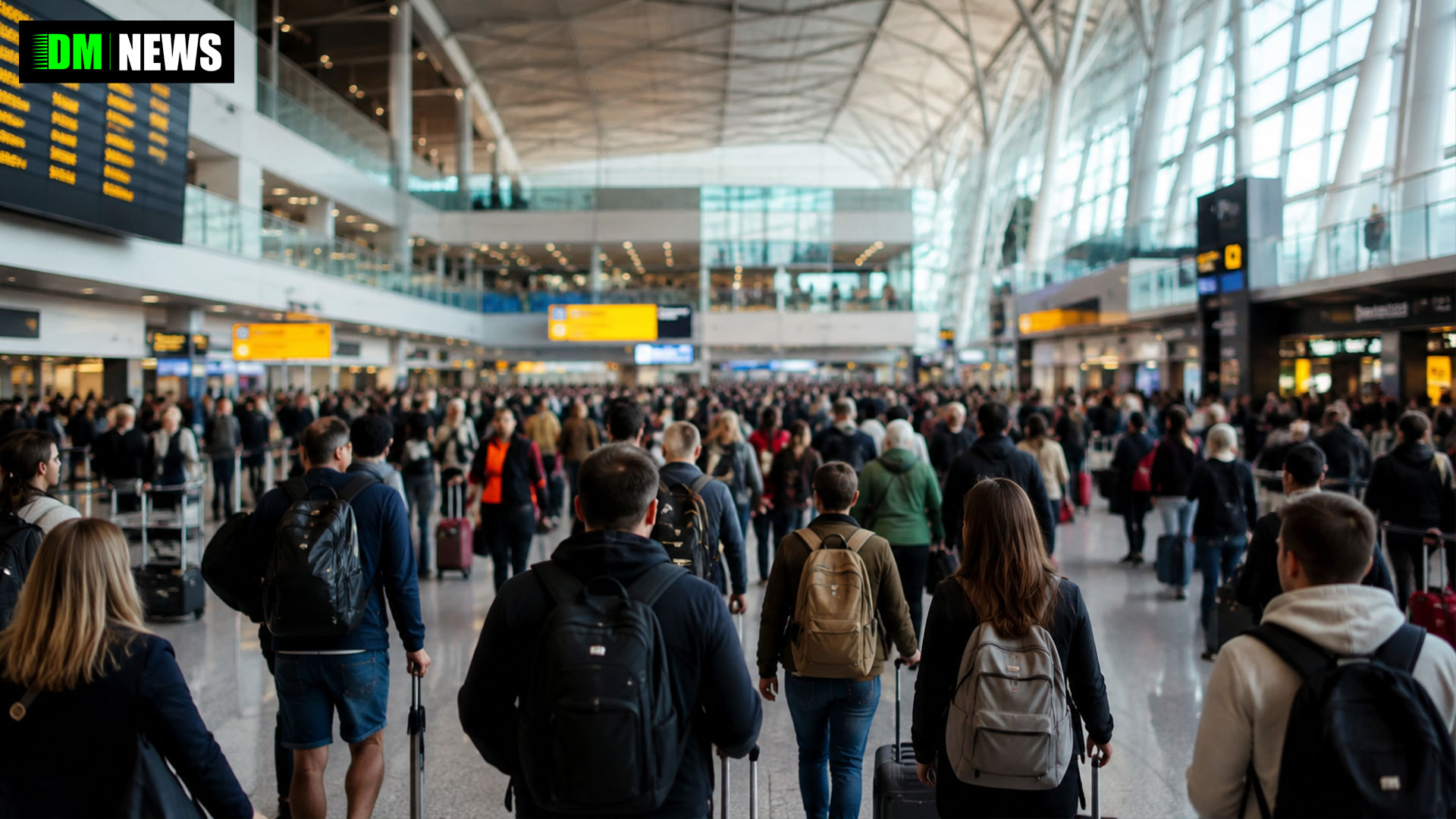
Across Europe, airports are bracing for longer queues during the initial rollout period. Travellers entering busy destinations in Spain, France and Italy could face extra waiting times as staff help first-time users with fingerprinting and facial scanning.
The EU has said border officers may temporarily suspend biometric collection if waiting times become excessive, and some countries are developing pre-registration apps to allow passengers to upload their data before arrival.
What it means for taxi and airport transfer drivers
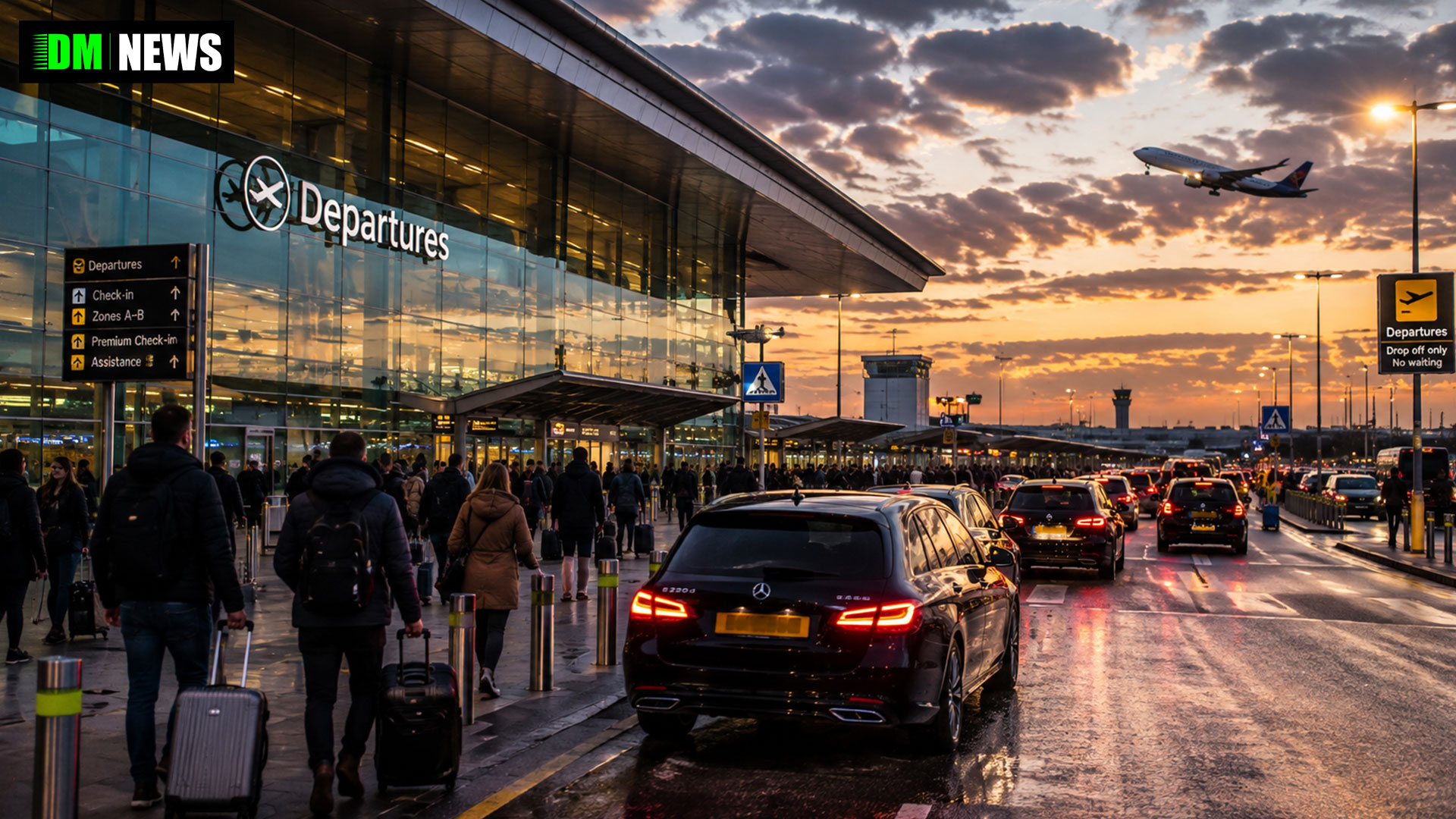
Private hire and taxi drivers operating at airports should be ready for passengers taking longer to clear immigration. Extended processing times could cause delays to scheduled pick-ups or missed transfers, particularly during peak travel hours.
Drivers and operators are being urged to:
- Monitor real-time flight and border control updates.
- Allow flexible waiting periods for inbound passengers.
- Inform customers to build in extra buffer time for border processing.
Once travellers are registered, the system should reduce manual passport checks and eventually speed up crossings — but experts warn that the first few months are likely to be bumpy.
Thanks for visiting DM News! If you’ve got a question, story, or anything you’d like to say, head over to DriverMatty.com — I’d love to hear from you! And while you’re there, don’t forget to check out my other websites and social media channels.
Sources:
- Reuters – What the EU’s new biometric border checks mean for non-EU citizens
- Financial Times – EU fingerprint scanners will not cause delays, Eurotunnel boss says
- Reuters – New EU border checks to take longer but won’t snarl peak travel, says Port of Dover
- Al Jazeera – How will the EU’s new entry-exit border system work?