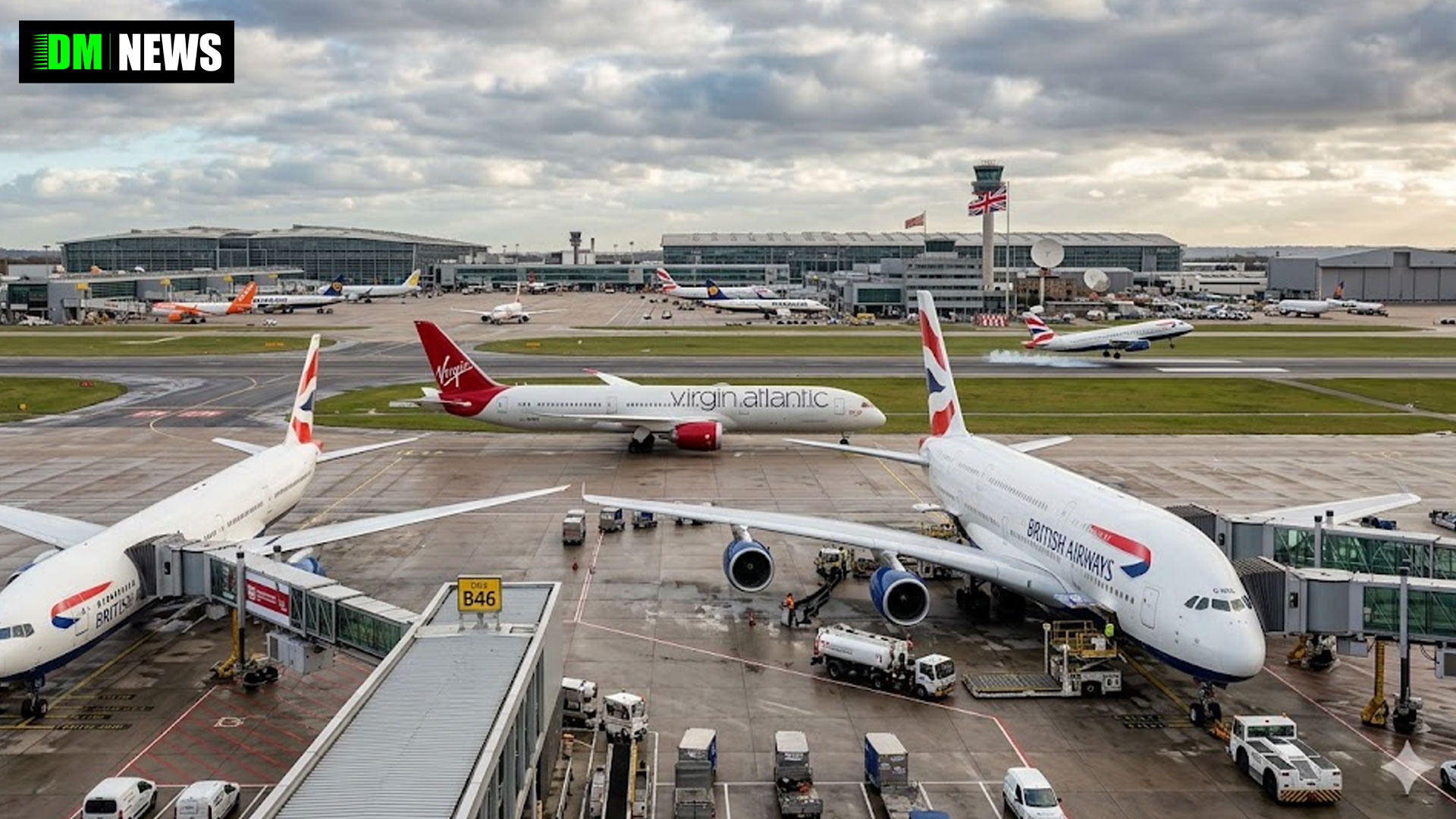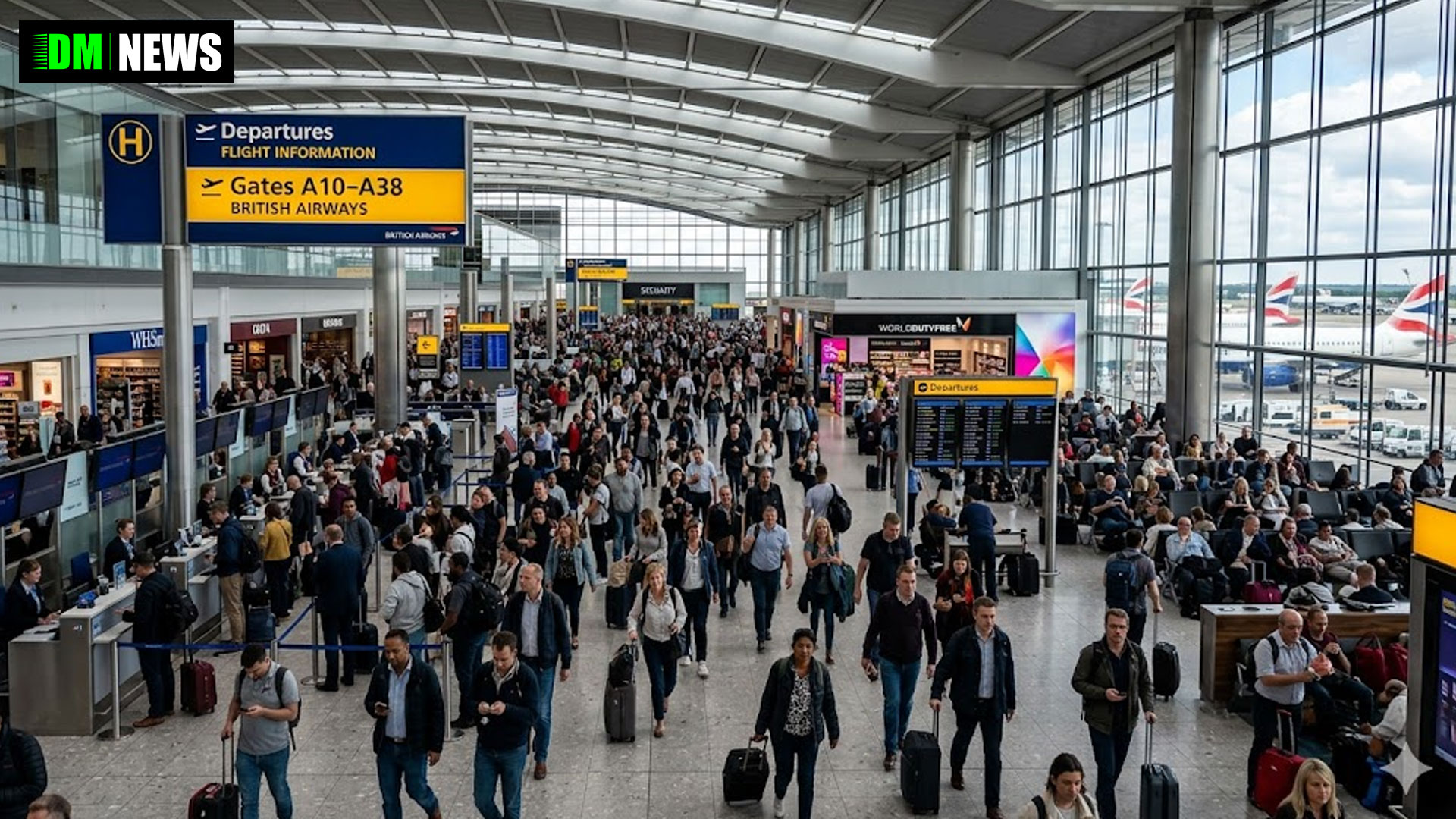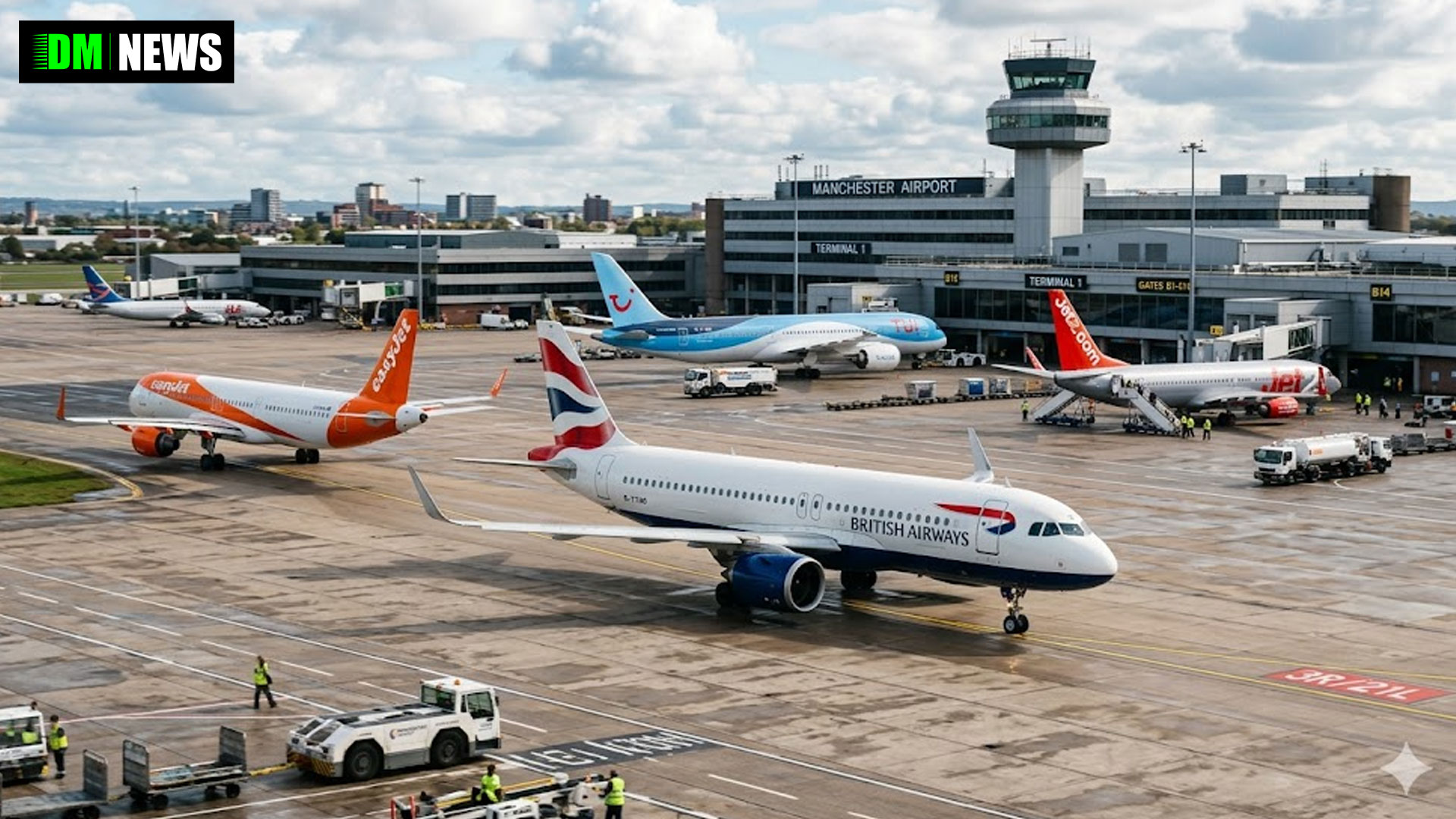
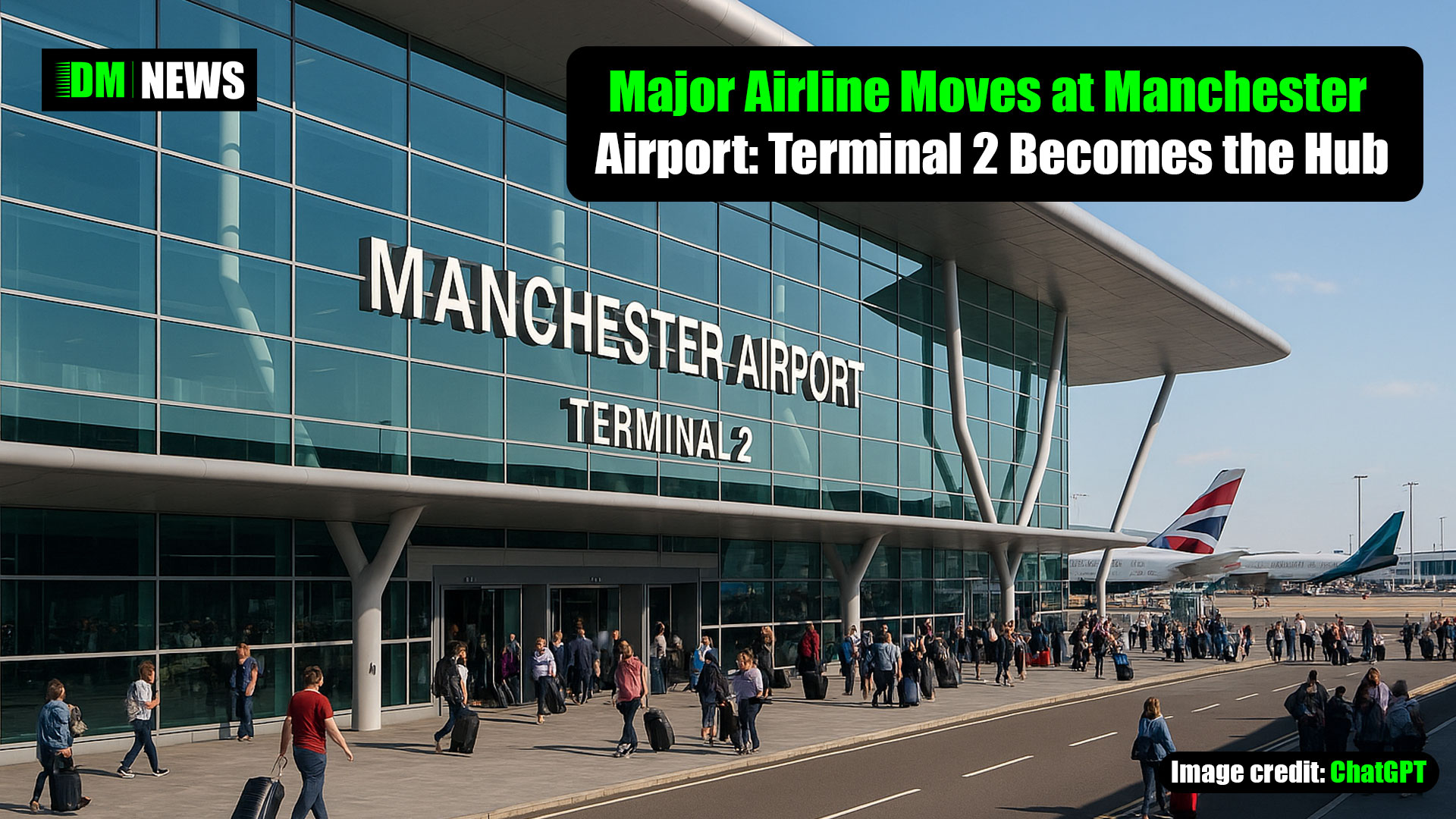
Manchester Airport is undergoing a major transformation, with a wave of airlines relocating to the newly redeveloped Terminal 2. The changes are part of a £1.3 billion investment project designed to modernise the airport, improve passenger experience, and streamline operations.
Who Has Already Moved
- Aer Lingus and Aer Lingus Regional completed their switch to Terminal 2 on 16 September 2025.
- Luxair followed on 22 September 2025.
- Finnair joined the move on 24 September 2025.
Who’s Moving Next
Several other airlines will transition in the coming weeks, including:
- British Airways — moving from Terminal 3 on 7 October 2025
- SAS, Loganair, Icelandair, Gulf Air, Turkish Airlines, Emirates, Etihad, easyJet and Norse — due to relocate between October and November
By the end of the process, most passenger flights will operate from Terminal 2, with Terminal 1 gradually phased out.

Why the Move?
1. A Modern Terminal
Terminal 2 has been completely overhauled with new facilities, including:
- A state-of-the-art security hall
- Expanded shopping and dining areas
- Upgraded lounges and passenger amenities
2. Efficiency and Simplicity
Consolidating airlines into one hub reduces confusion for passengers and streamlines transfers between flights.
3. Future-Proofing the Airport
With Terminal 2 expected to handle up to 80% of all airport traffic, Manchester is positioning itself as one of the UK’s most efficient aviation gateways.
What Passengers Need to Know
- Check your terminal before travelling — even regular flyers may find their airline has switched.
- Parking and lounge bookings: If you’ve booked in Terminals 1 or 3, Manchester Airport will reassign or refund where necessary.
- Pick-ups and drop-offs: Expect more traffic and activity at Terminal 2 forecourts, with updated signage guiding the way.
Impact on Drivers and Private Hire
For taxi and private hire drivers, the consolidation means most collections and drop-offs will now be focused around Terminal 2. This may slightly alter traffic flow, journey times, and congestion hotspots — particularly during the transition period. Staying up to date with changes will be key to minimising delays.
Looking Ahead
Manchester Airport’s master plan is to make Terminal 2 the beating heart of its operations, while Terminal 1 is gradually retired. Terminal 3 will remain in use for some short-haul and low-cost carriers, but the majority of passengers will pass through the upgraded T2 in the years ahead.
This is one of the biggest changes in the airport’s history — and it will reshape how millions of people start and finish their journeys each year.
Thanks for visiting DM News! If you’ve got a question, story, or anything you’d like to say, head over to DriverMatty.com — I’d love to hear from you! And while you’re there, don’t forget to check out my other websites and social media channels.