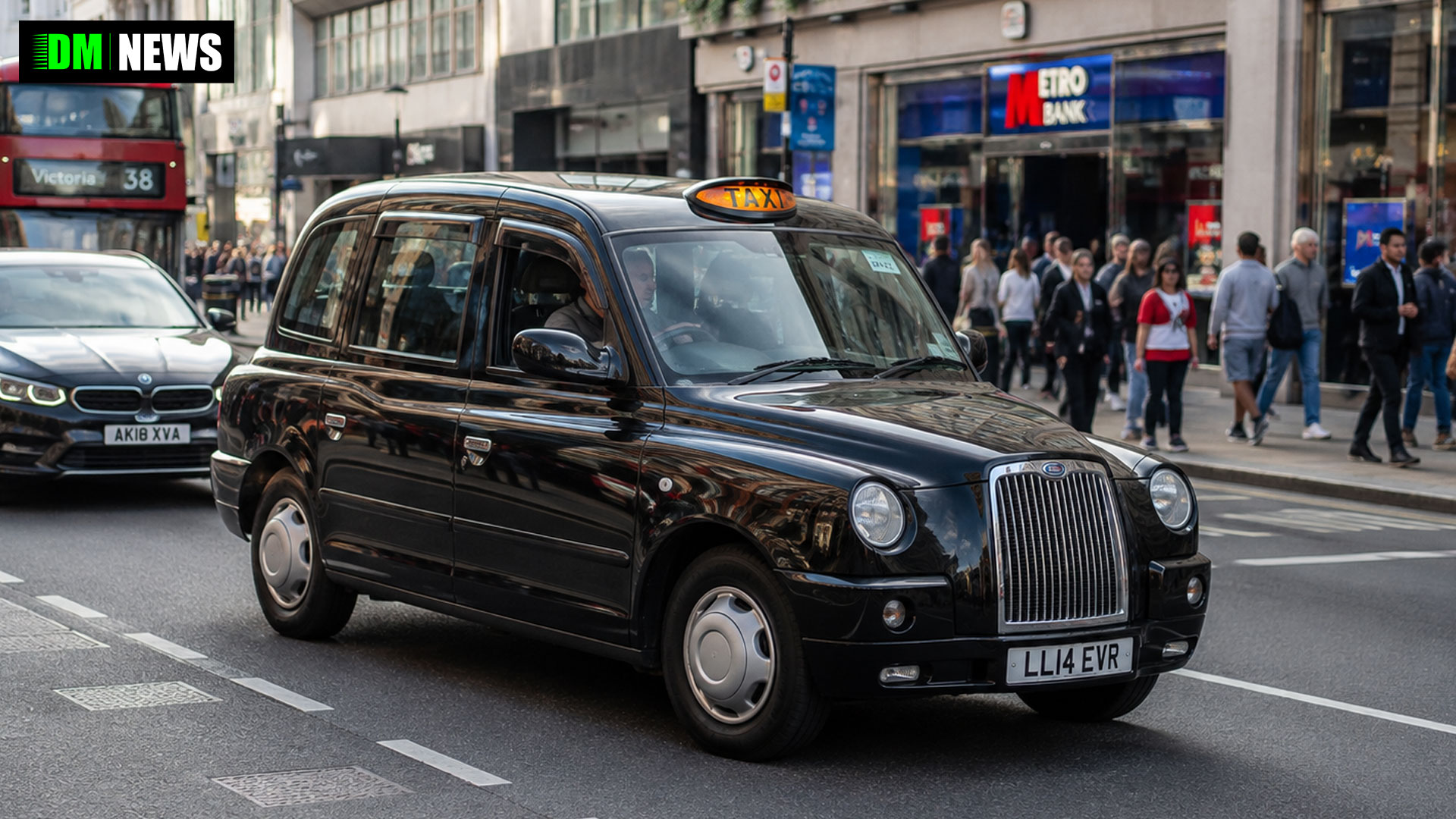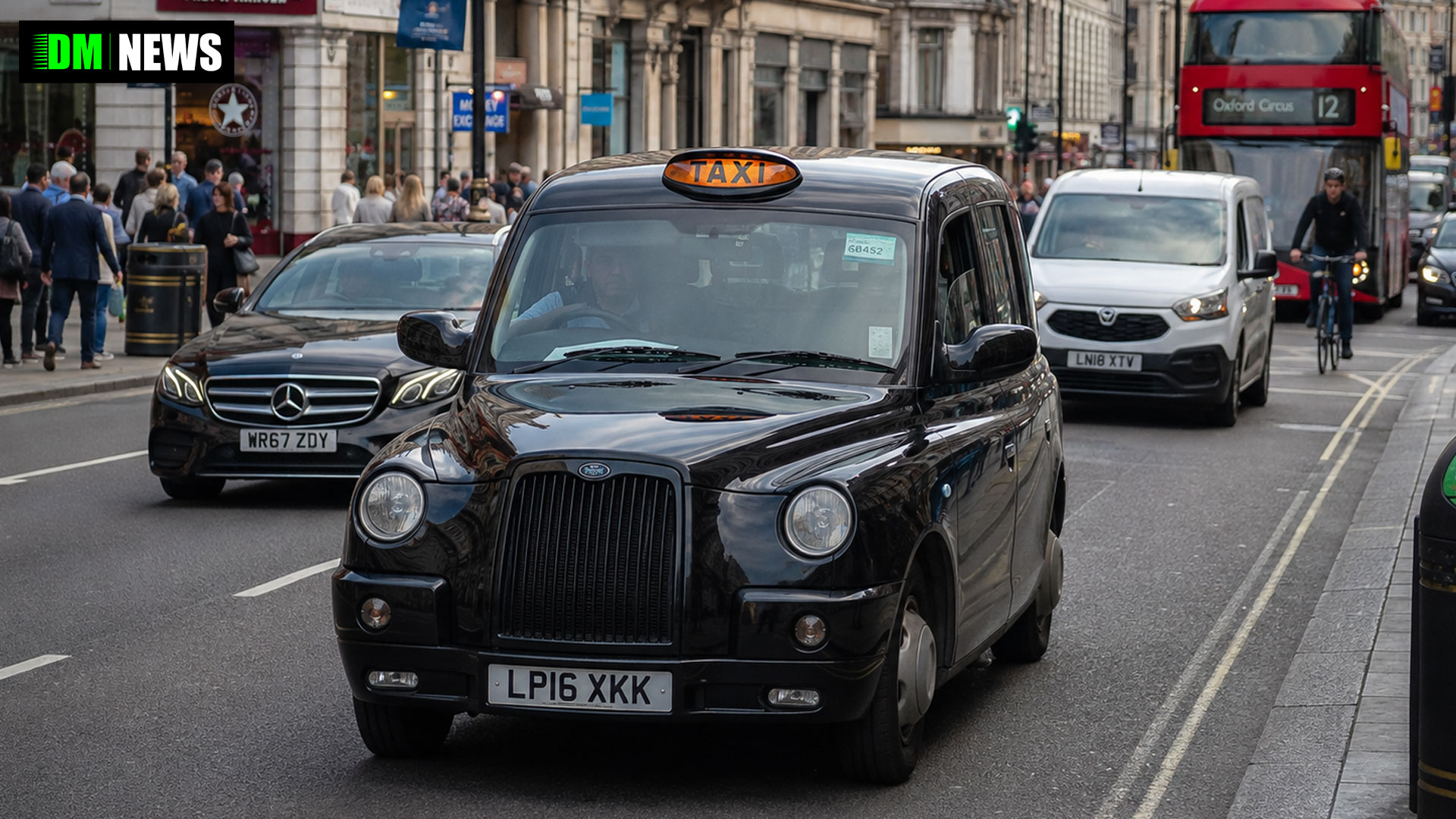
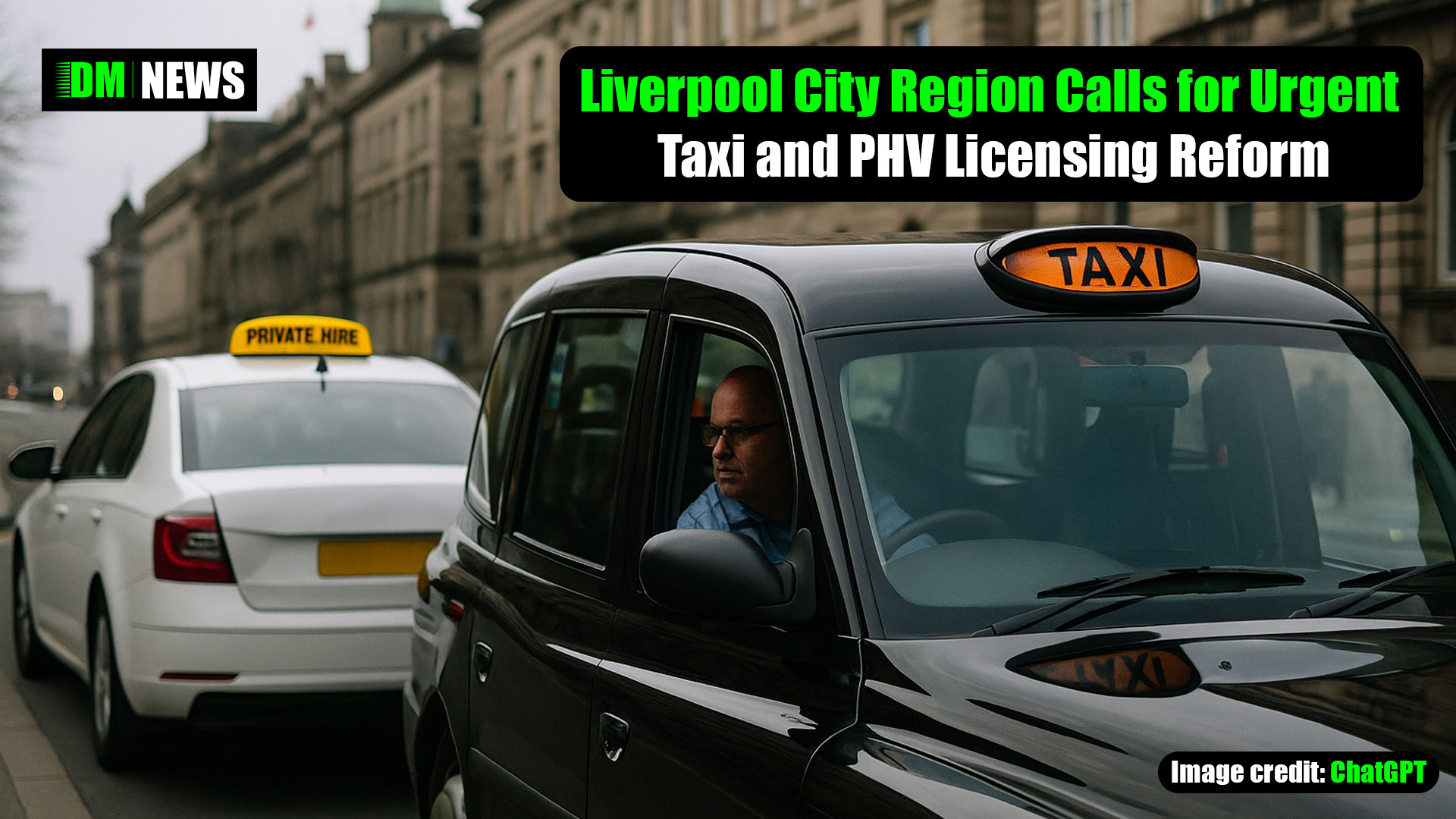
The Liverpool City Region’s six local licensing authorities, backed by the Police and Crime Commissioner, have submitted strong evidence to Parliament’s Transport Committee highlighting the urgent need for wholesale reform of taxi and private hire vehicle (PHV) licensing.
The submission warns that outdated legislation, inconsistent standards, and the ongoing problem of cross-border hiring are undermining passenger safety, weakening enforcement, and damaging the sector’s future.
Outdated Laws No Longer Fit for Purpose
Taxi and PHV laws in England are still largely based on the Town Police Clauses Act 1847 and the Local Government (Miscellaneous Provisions) Act 1976. Liverpool City Region authorities say these frameworks no longer reflect the realities of a modern, technology-driven industry.
While councils in the region already collaborate closely and share common minimum standards, they stress that local efforts cannot replace national reform. Without change, they argue, passenger protection and service quality will continue to vary dramatically between regions.

Uneven Standards Across the Country
Authorities point to three key areas where there is no national standard:
- Safeguarding training
- English language requirements
- Disability awareness
Some councils require verified in-person training, while others allow simple online tick-box courses. This lack of consistency, they say, undermines passenger safety and public trust.
Cross-Border Licensing: A Broken System
Cross-border working is identified as the single biggest issue. Under current law, drivers can obtain a licence in one area and then work almost entirely in another — often choosing councils with cheaper fees or lighter requirements.
The submission cites Wolverhampton as a common example, where thousands of drivers from across the country obtain licences before returning to operate in their home cities.
Liverpool City Region is calling for this practice to be scrapped in favour of an “ABBA” model, where private hire journeys must start or end in the same licensing area for the driver, vehicle, and operator. This, they argue, would restore local accountability, safeguard standards, and reduce passenger confusion.
Financial and Enforcement Challenges
Local councils also highlight the financial strain of processing applications that have little chance of approval, with no way of recovering costs.
They further warn that the removal of taxi driving as a notifiable occupation has made it harder for councils to access vital police information on arrests or safeguarding risks, weakening their ability to protect passengers.
Stronger Oversight of Ride-Hailing Platforms
Authorities stress the need for more robust oversight of app-based operators. Concerns include:
- Faceless, centralised platforms reducing local accountability.
- The consolidation of smaller operators into large national brands.
- Fewer choices for passengers if local operators disappear.
Key Reform Proposals
Liverpool City Region is calling for:
- National minimum standards for safeguarding, disability awareness, and English language testing.
- Mandatory licence conditions, similar to those under the Licensing Act 2003.
- A quality assurance framework to prevent councils adopting weaker policies.
- A stronger National Register of Licence Revocations and Refusals (NR3).
- Oversight of digital ride-hailing platforms to ensure accountability and consumer protection.
- Action on emerging risks such as autonomous vehicles.
Why It Matters
This submission adds to growing pressure for government action. Without reform, local authorities fear that the current “patchwork” system will continue to erode safety, weaken standards, and undermine trust in the taxi and private hire trade.
The Transport Committee’s ongoing inquiry will consider these recommendations alongside wider evidence from industry and passenger groups.
Thanks for visiting DM News! If you’ve got a question, story, or anything you’d like to say, head over to DriverMatty.com — I’d love to hear from you! And while you’re there, don’t forget to check out my other websites and social media channels.