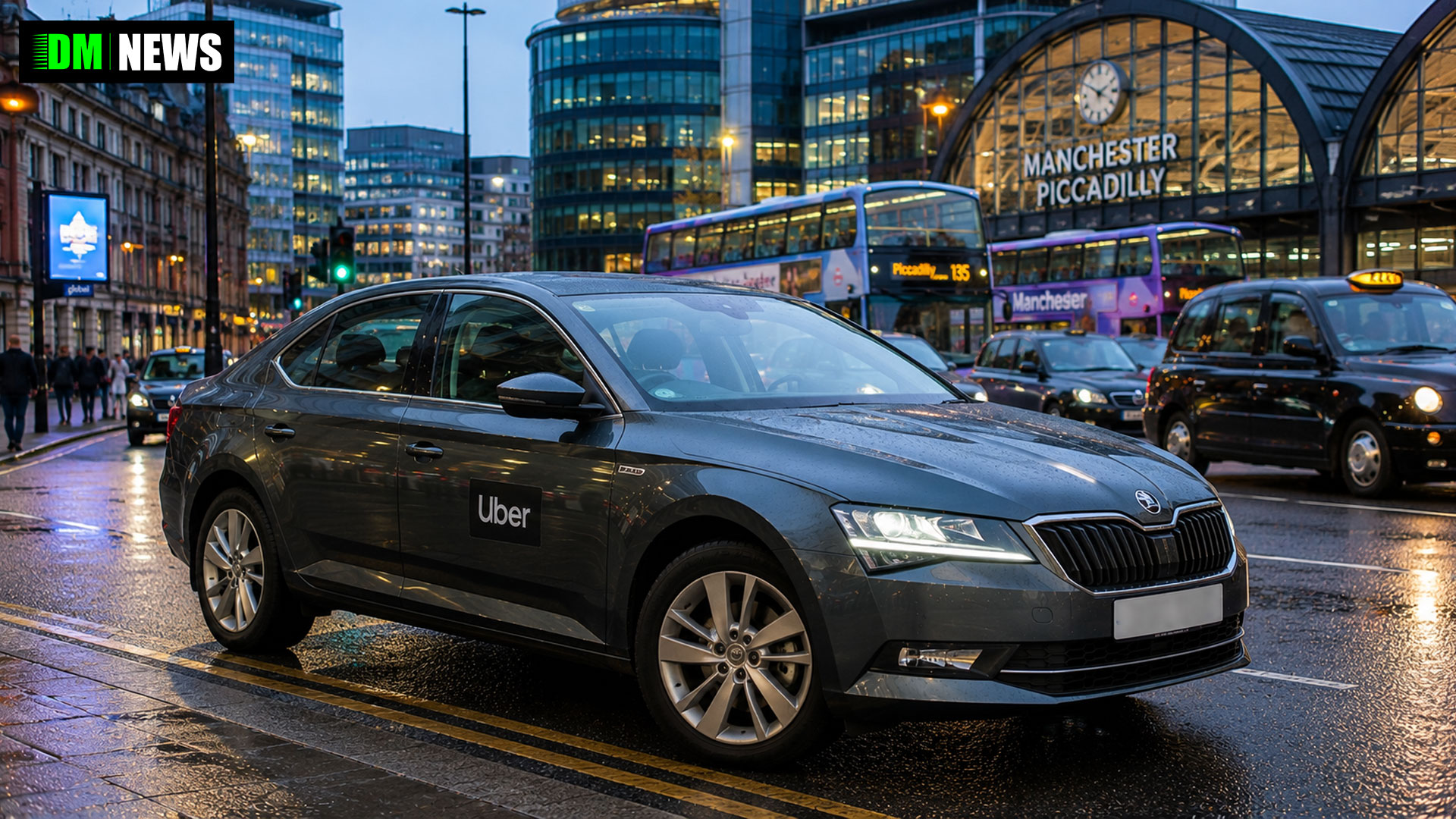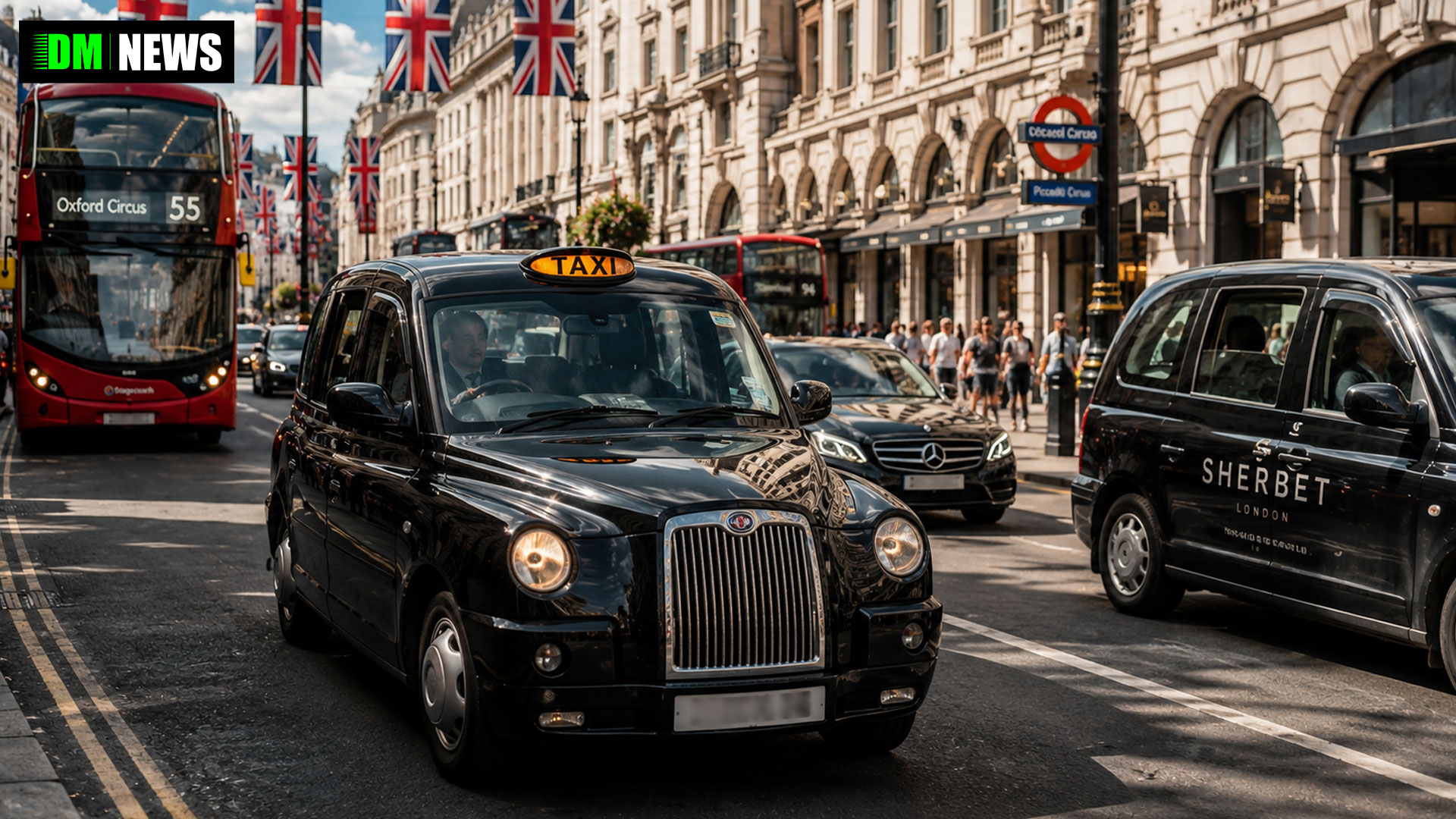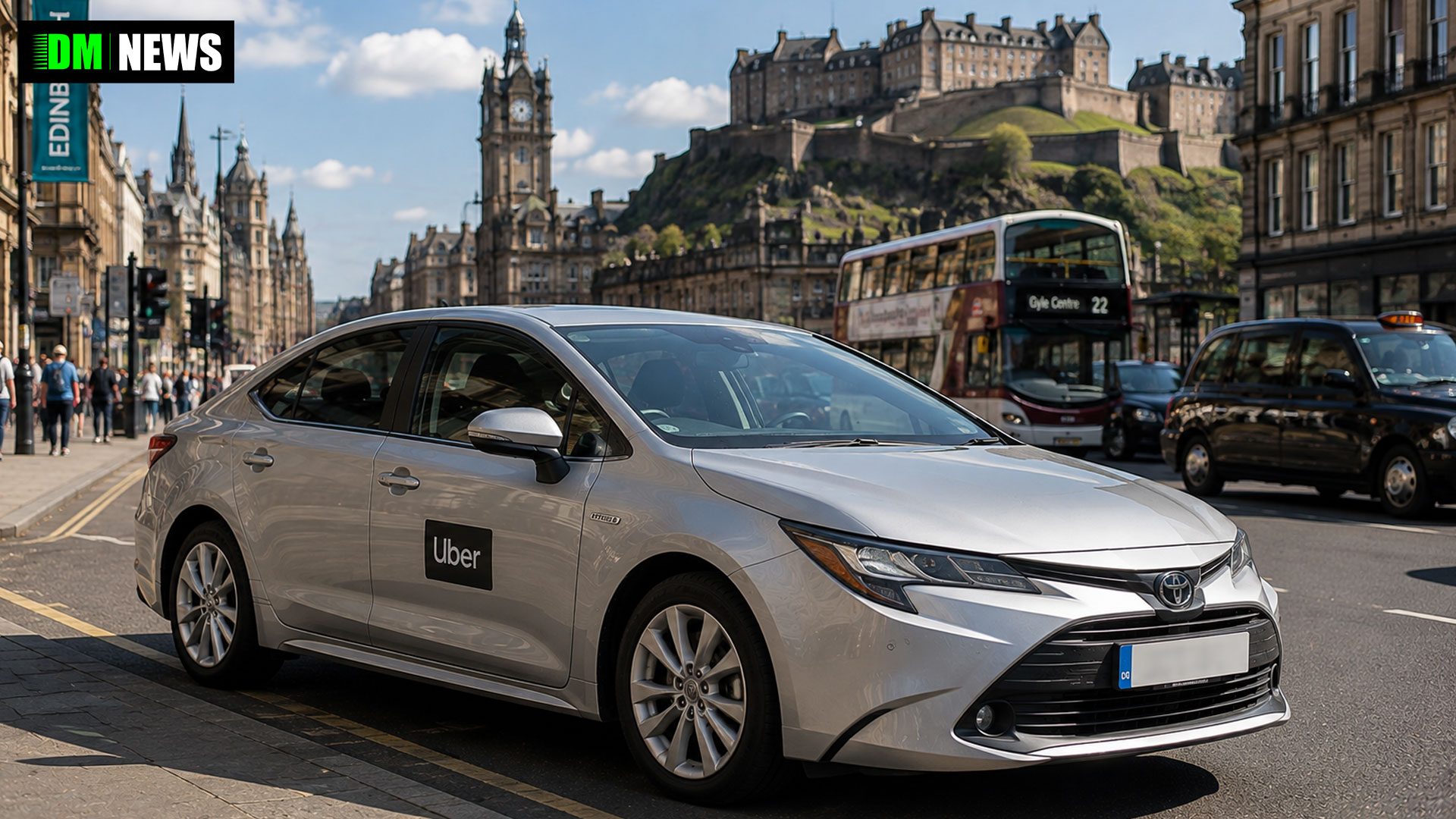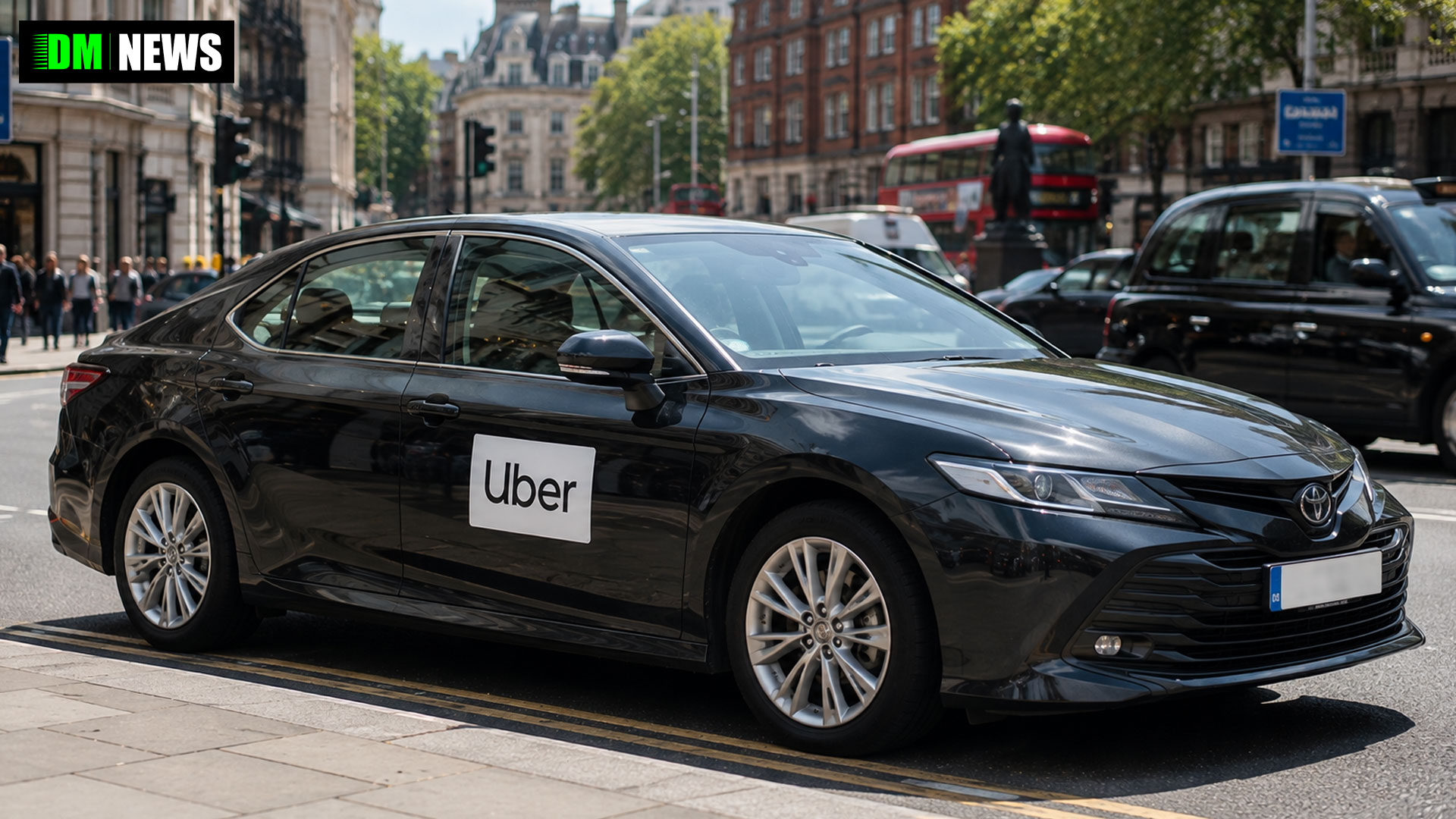
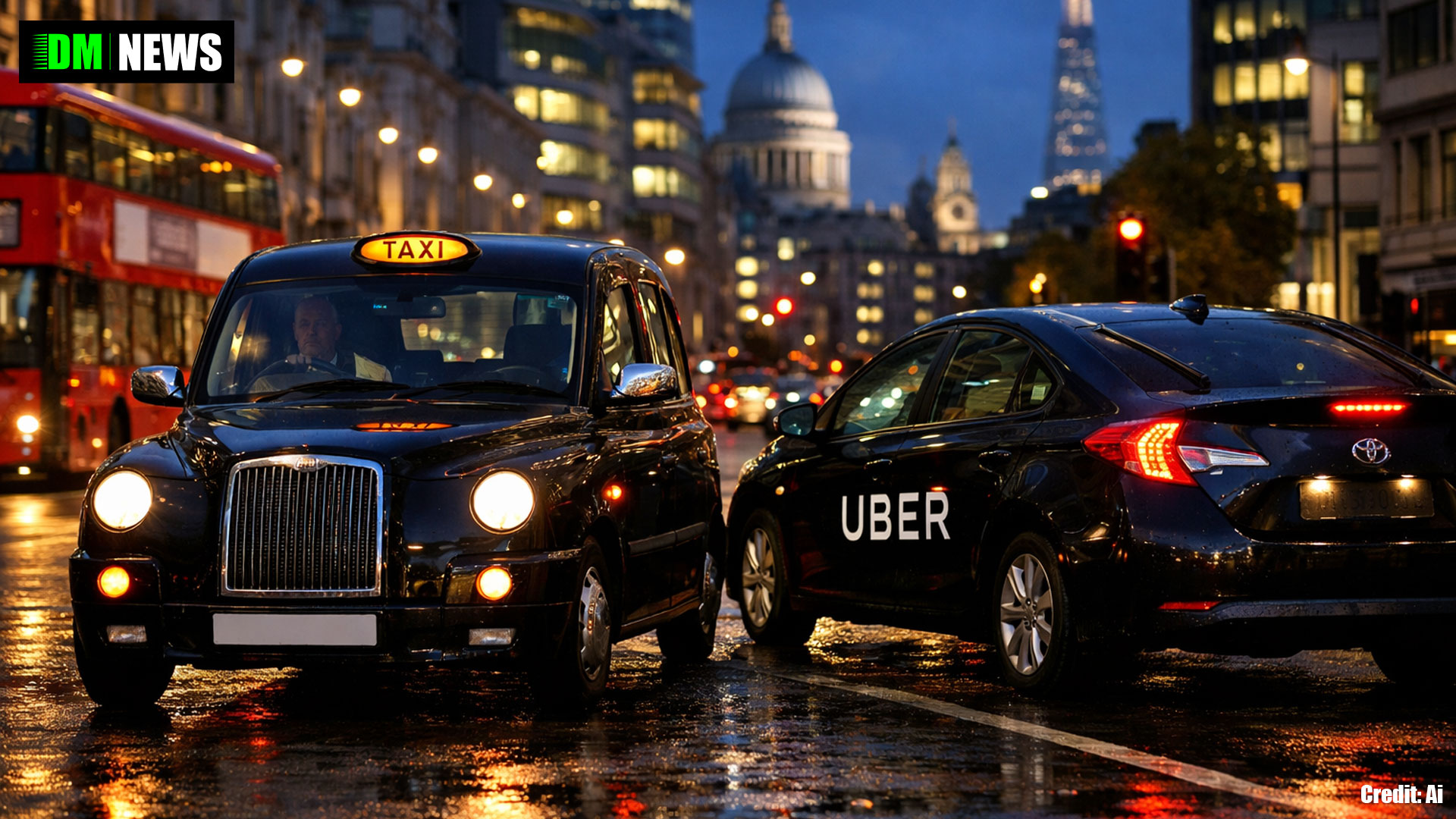
An article published by Business Matters Magazine reports that ride-hailing firms Uber and Bolt are warning London passengers of higher fares following the closure of a long-standing VAT loophole. According to the report, the Government has ended the use of the Tour Operators’ Margin Scheme (TOMS) by private-hire platforms operating in London, meaning VAT must now be charged on the full fare, not just the company’s margin.
Because Transport for London requires app-based operators to act as the principal rather than an agent, the change hits London particularly hard. The Treasury estimates the move could raise around £700 million per year, with ministers arguing it creates a fairer tax environment between private-hire apps and traditional taxi services.
Uber and Bolt, meanwhile, claim the change will increase prices for passengers and reduce earnings opportunities for drivers.

DM Commentary
This is one of the clearest moments in years where the pricing gap between London black cabs and ride-hailing apps narrows significantly.
For a long time, Uber and Bolt were able to appear cheaper largely because of how VAT was applied, not because their operating costs were genuinely lower. With that advantage removed in London, fares are likely to sit much closer together — especially on shorter and mid-range journeys where VAT makes a noticeable difference.
Does this put power back into London black cabs? To an extent, yes.
When prices are closer, passengers are more likely to choose based on reliability, driver knowledge, vehicle standards, and regulation — areas where black cabs are traditionally very strong.
That said, app-based operators won’t stand still. We’re already seeing signs that companies like Uber are looking at contract changes and alternative business models elsewhere to soften the VAT impact, and aggressive promotions could still be used to win market share.
From a trade perspective:
- Black cabs gain a fairer competitive footing.
- Private-hire drivers may feel pressure if passenger demand drops due to higher fares.
- Passengers could rethink value rather than defaulting to the cheapest app.
Overall, this move doesn’t guarantee a revival for black cabs — but it removes a major imbalance that’s existed for years. What happens next will depend on how operators, drivers, and customers adapt to a more level pricing landscape.
Thanks for visiting DM News! If you’ve got a question, a story tip, or anything you’d like to share, head over to DriverMatty.com — I’d love to hear from you.
While you’re there, don’t forget to check out my other websites and social media channels.