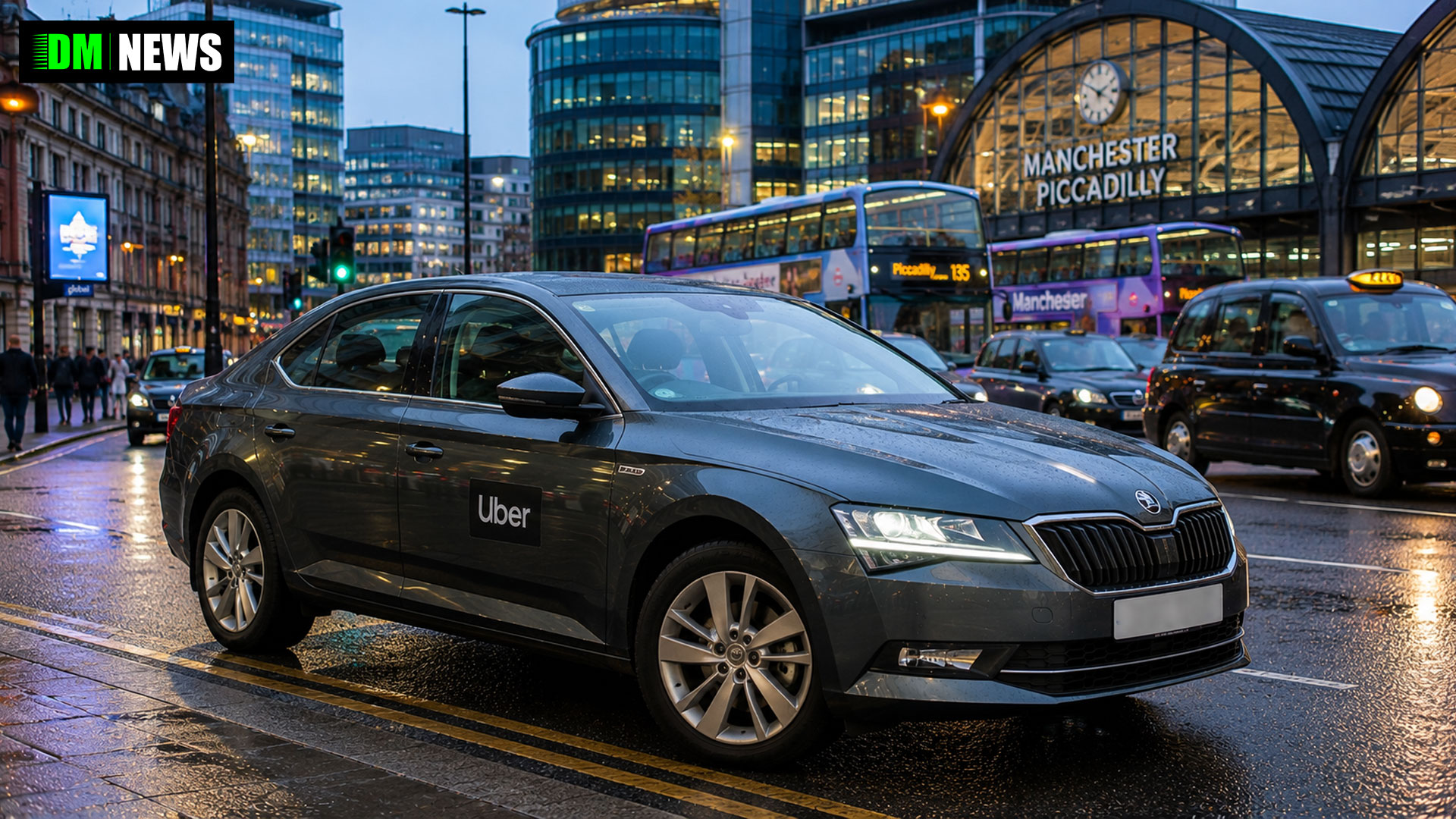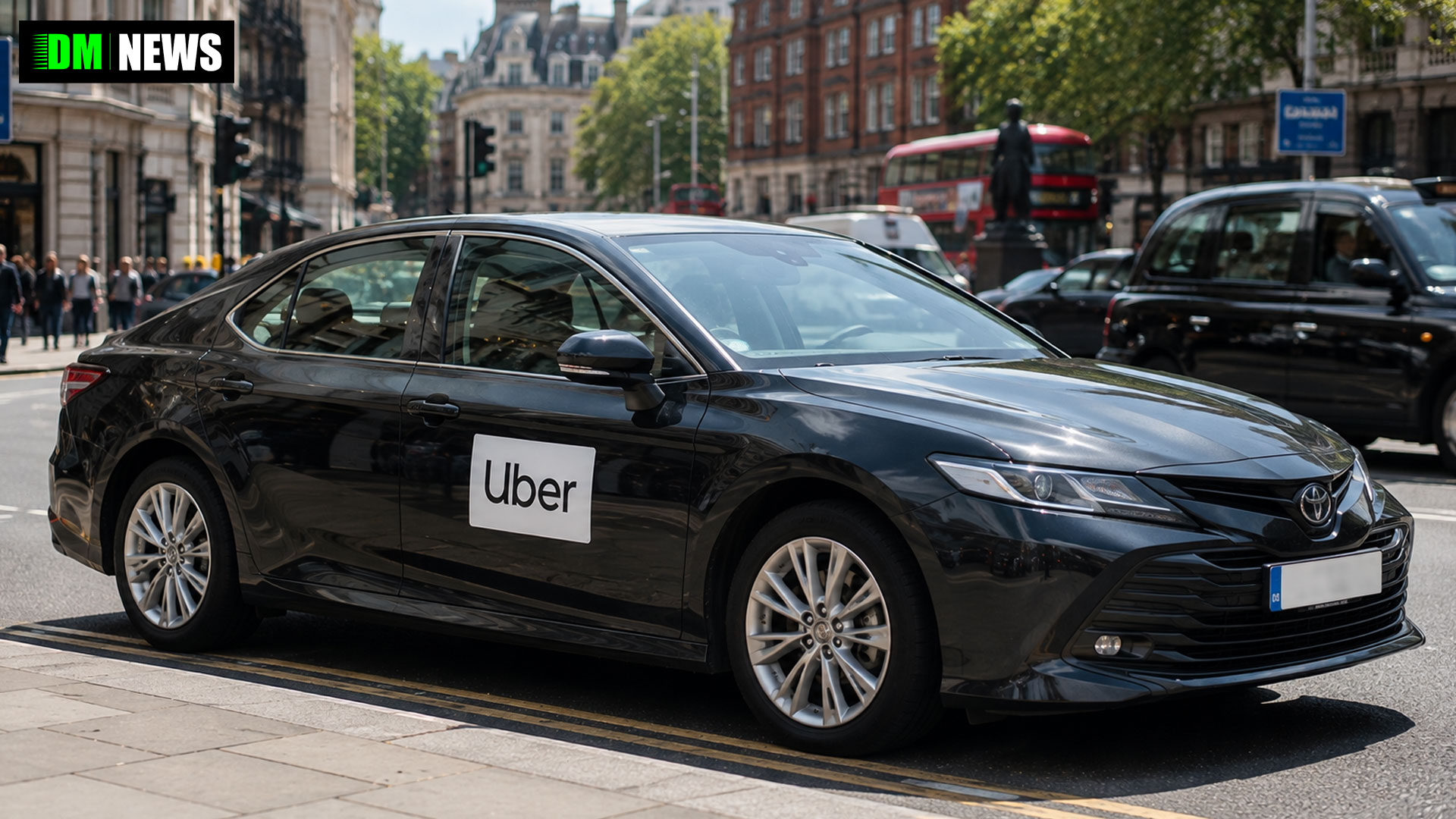

According to a report by The Independent, ride-hailing giants Uber and Lyft are teaming up with Chinese technology firm Baidu to introduce autonomous, driverless taxi services in London as early as 2026. The plans centre around Baidu’s Apollo Go self-driving platform, which has already been trialled and deployed in parts of China, including large cities such as Beijing and Wuhan, where driverless taxis are operating without a safety driver on board.
The article explains that London is being considered as a key European launch city due to its dense population, high demand for private hire journeys, and the UK Government’s ongoing work on autonomous vehicle legislation. While no final regulatory approval has been granted yet, ministers have previously signalled support for self-driving technology, with new laws expected to allow commercial autonomous services on UK roads later this decade.
The Independent reports that Uber and Lyft would act as the booking and customer-facing platforms, while Baidu supplies the autonomous vehicle technology and software. This partnership model mirrors existing arrangements seen in other global markets, where tech firms provide the vehicles and AI, while ride-hailing apps manage passengers, pricing, and demand.

DM News Commentary
For the UK taxi and private hire trade, this is another clear signal that driverless technology is no longer a distant concept — it’s being actively planned for London within a defined timeframe. While 2026 may still feel a way off, licensing authorities, operators, and drivers should be paying close attention now.
London is often used as a testing ground before wider UK rollouts. If autonomous taxis are approved and accepted in the capital, it’s likely we’ll see pressure to expand trials into other major cities such as Manchester, Birmingham, and Liverpool. That could have serious long-term implications for private hire drivers, particularly those reliant on app-based work.
That said, there are still major unanswered questions. Public trust, safety concerns, insurance liability, and how autonomous vehicles interact with cyclists, pedestrians, and complex UK road layouts all remain hurdles. There’s also the political and social challenge — replacing human drivers with AI in a sector that employs hundreds of thousands across the UK will not go unchallenged.
For now, this feels less like an immediate threat and more like a warning shot. Drivers and operators who focus on premium services, airport transfers, larger vehicles, assisted travel, and strong local knowledge may be better insulated than those relying purely on low-margin, short urban trips.
Thanks for visiting DM News! If you’ve got a question, story, or anything you’d like to say, head over to DriverMatty.com — I’d love to hear from you! And while you’re there, don’t forget to check out my other websites and social media channels.