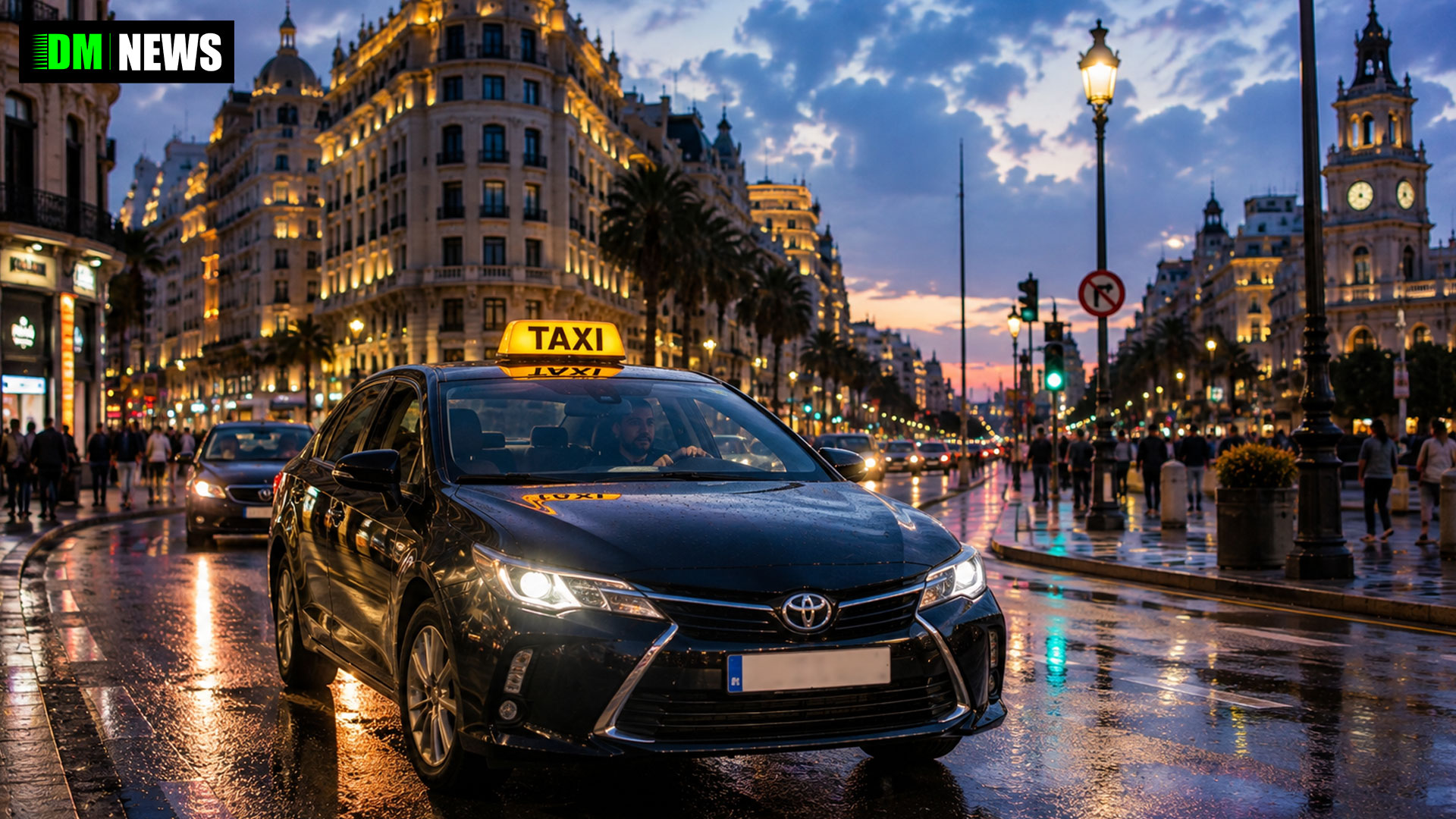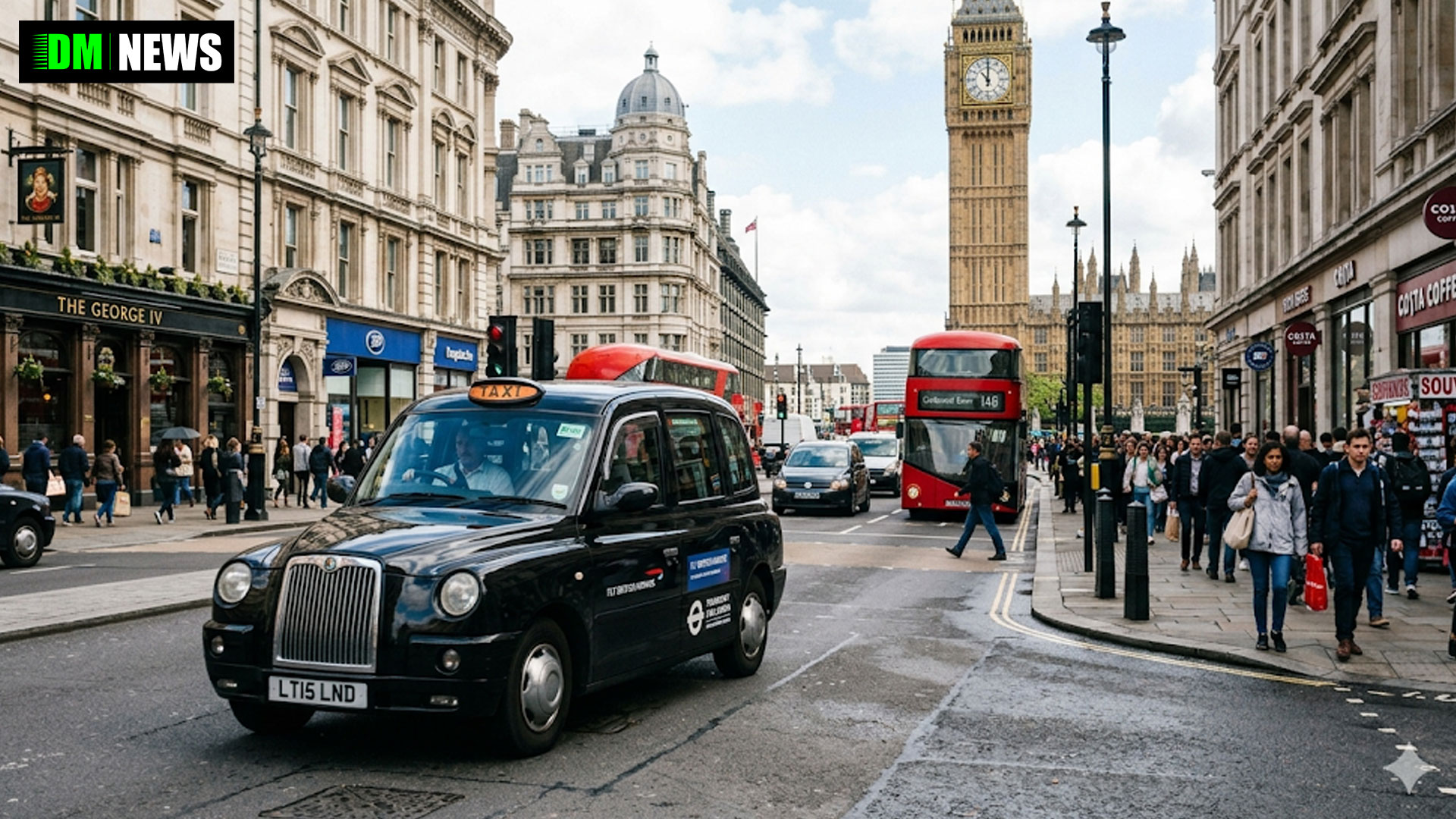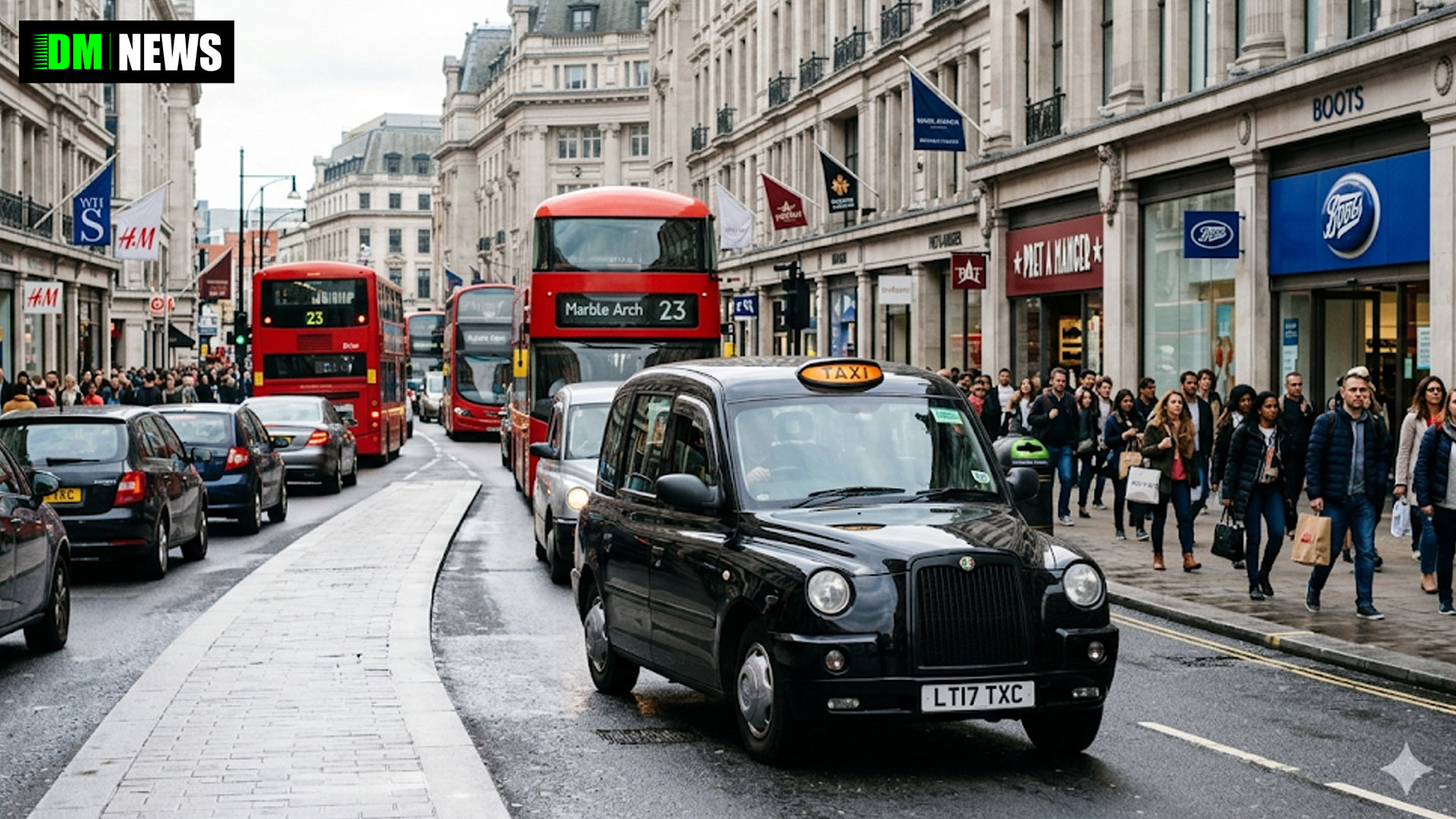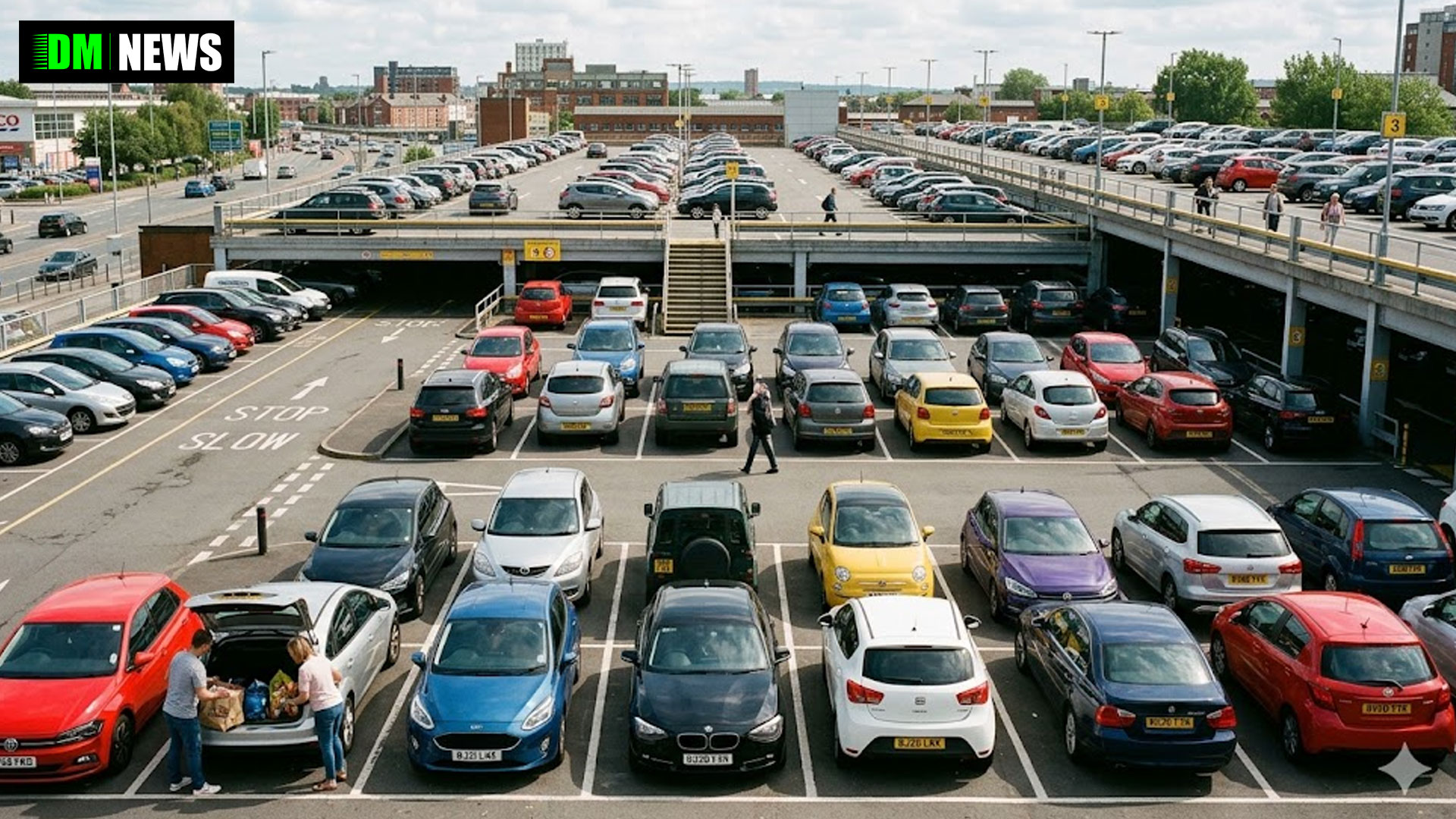
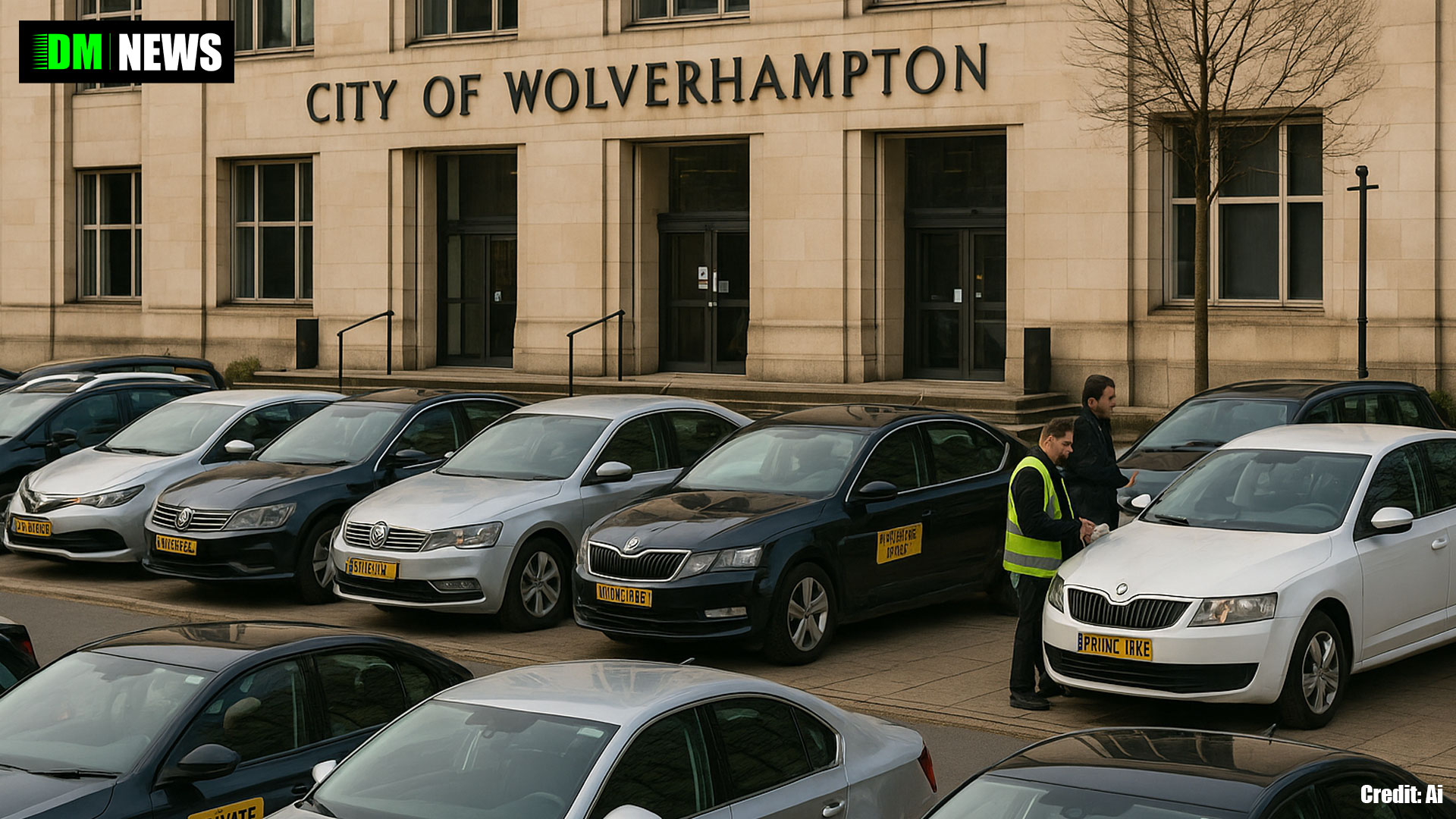
The number of private hire vehicles licensed by City of Wolverhampton Council has almost tripled in just five years — cementing the city’s controversial reputation as the UK’s “taxi capital”.
According to figures reported by BBC News, the council licensed 33,893 private hire vehicles in 2025, up from 10,768 in 2020. Although this represents a slight drop from 2024’s record high of 35,708, the authority still issues far more licences than any other council in England.
City of Wolverhampton Council said it had recruited more than 40 new staff this year to manage the surge in applications, alongside five additional customer service officers to handle enquiries.
Out-of-town taxi licensing controversy
The rapid growth has reignited criticism from other local authorities who claim Wolverhampton’s system undermines local control and safety standards. Councils including Manchester, Blackpool, Somerset, Hull and Portsmouth have all called for an end to so-called “out-of-town” taxi licensing, under which drivers can operate in areas far from where they are licensed.
Between April 2023 and March 2024, up to 96% of Wolverhampton’s licensed drivers lived outside the city, according to the BBC.
Greater Manchester Mayor Andy Burnham said he and other regional mayors supported a national ban on the practice. He argued that over half of private hire vehicles operating across Greater Manchester are licensed elsewhere — something he believes creates unfair competition and potential safety risks for passengers.
Burnham said differences in vehicle standards were a major concern, noting that Greater Manchester councils require newer vehicles and more comprehensive background checks than some other authorities.
Wolverhampton Council defends its system
In response, a City of Wolverhampton Council spokesperson said the authority was simply following national law.
“Under the current law, it is illegal for us to impose a limit on the number of private hire licences we can issue,” the spokesperson explained.
“Applicants are able to apply to any licensing authority. Many have chosen Wolverhampton due to our early adoption of digital technology and our efficient, yet rigorous, licensing process.”
The council added that it takes its enforcement responsibilities seriously, with officers working nationwide on Friday and Saturday nights to check vehicles and drivers.
It also stressed that it does not profit from taxi licensing, as all fees are legally ringfenced for related activities.
Union claims of “licence factory” delays
In October, the GMB Union accused Wolverhampton Council of becoming a “licence factory”, claiming drivers were facing renewal delays of up to five months due to the sheer volume of applications.
They said many drivers were left unable to work while waiting for renewals, with reports of unanswered emails and hour-long phone waits.
In August, the BBC spoke to campaigners who said one taxi driver had been unable to work for two months while awaiting renewal.
Wolverhampton Council said it was working hard to reassure drivers that renewals were being processed thoroughly and as quickly as possible.

DM News Commentary
The scale of Wolverhampton’s licensing operation has reshaped the UK’s taxi industry — and divided opinion across the country. While drivers praise the city’s efficient digital systems, many local authorities see it as an unfair loophole that sidesteps stricter local rules.
For private hire operators, the debate has major implications: national reform could dramatically alter where and how licences are granted. Until then, Wolverhampton looks set to remain the beating heart of the UK’s licensing system — for better or worse.
Thanks for visiting DM News!
If you’ve got a question, story, or anything you’d like to say, head over to DriverMatty.com — I’d love to hear from you! And while you’re there, don’t forget to check out my other websites and social media channels.