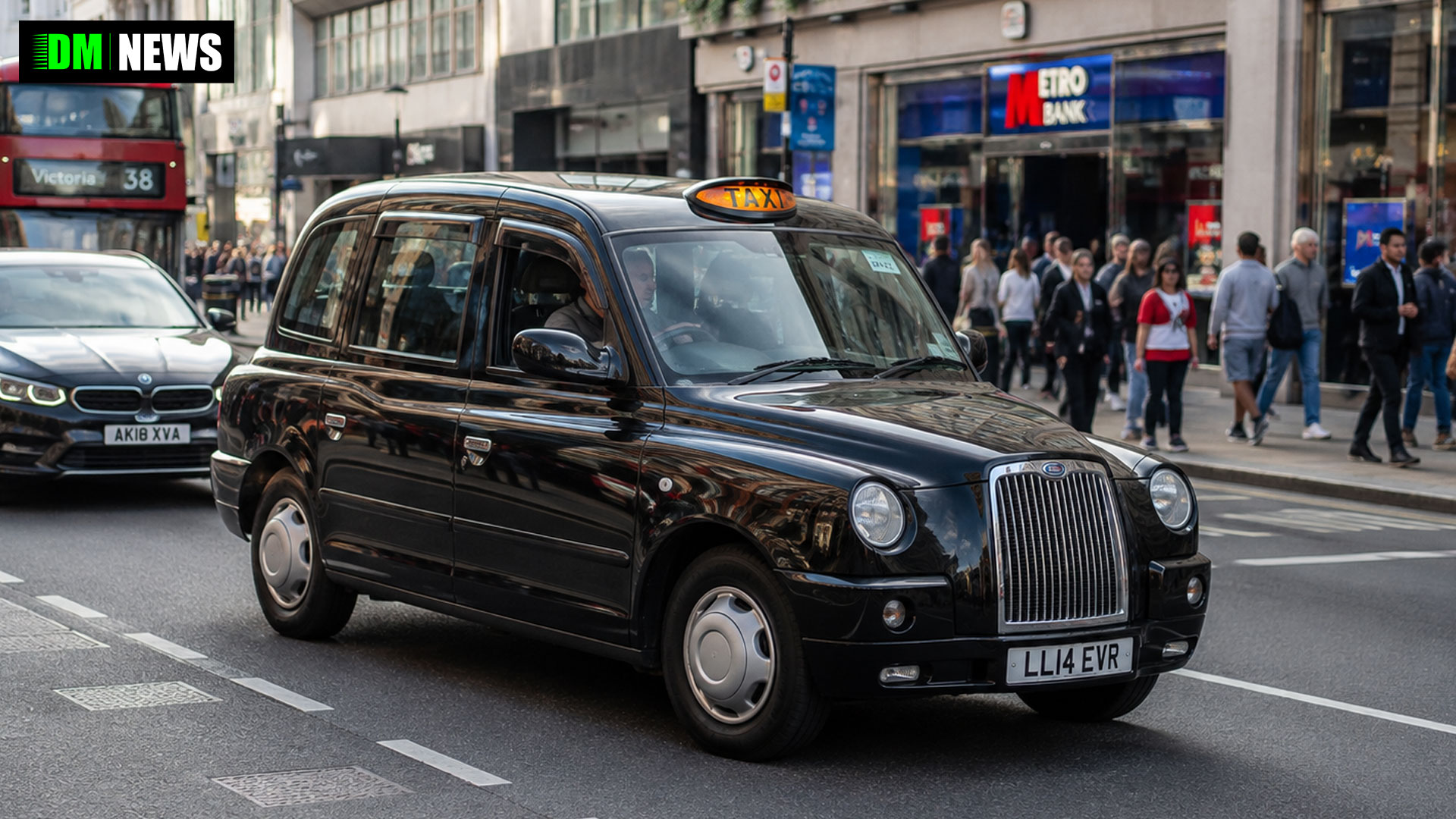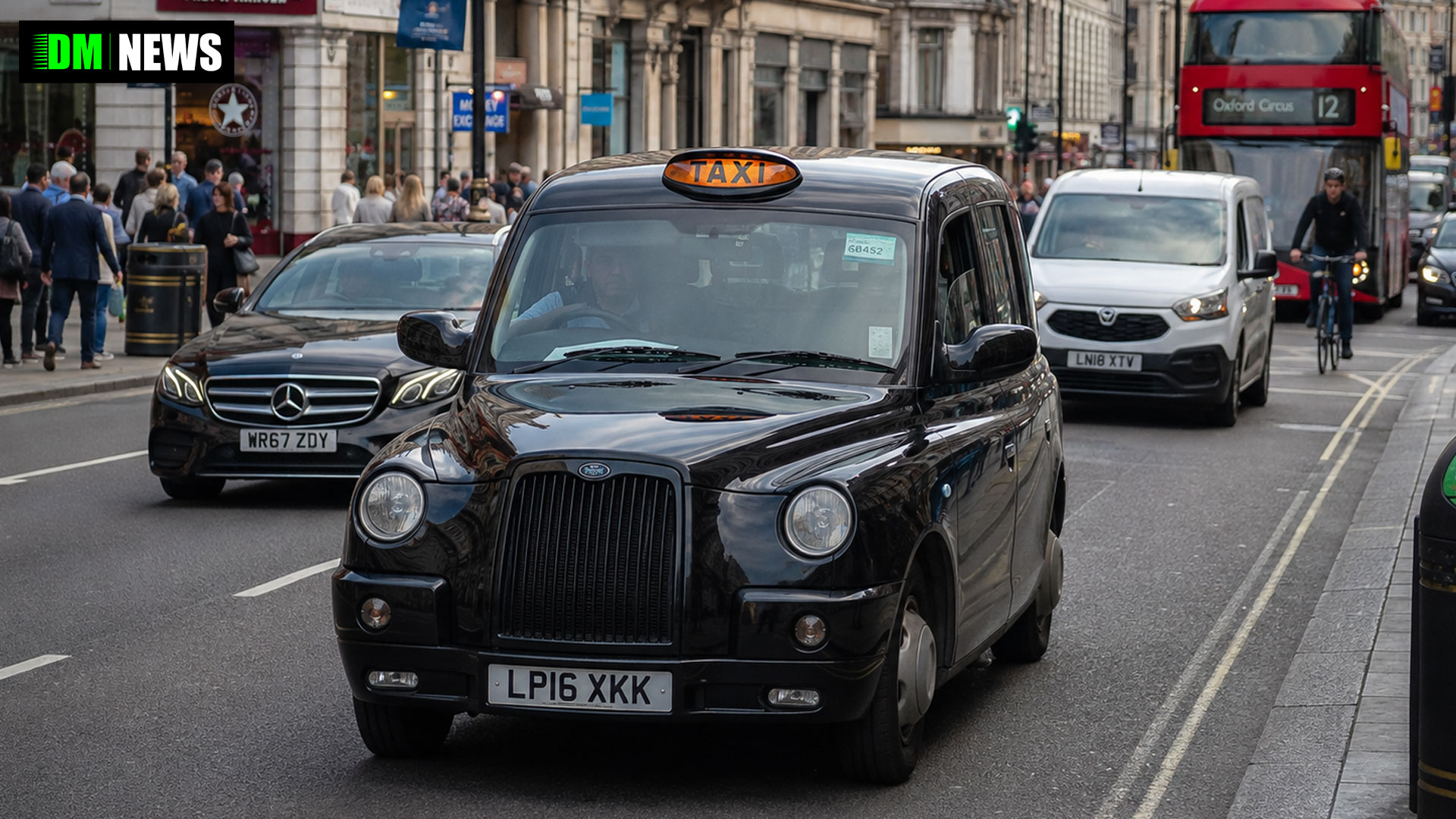

The App Drivers’ and Couriers’ Union (ADCU) has today welcomed calls by London Assembly Member and Chair of the London Transport Committee, Elly Baker, for urgent government action to protect the capital’s taxi and private hire (PHV) drivers.
Amid a sharp decline in the number of active drivers operating in London, Baker has written to Andy Lord, Transport for London (TfL) Commissioner, and The Rt Hon Heidi Alexander MP, Secretary of State for Transport, outlining immediate steps needed to support a safe and sustainable industry.
Industry Under Pressure
London’s taxi and private hire sectors have been facing a steep decline in recent years.
The number of licensed black cabs has dropped by over a third since 2013, while private hire operator numbers have fallen from more than 3,000 to under 1,800.
A growing backlog of licence renewals and increased operational costs have also left thousands of drivers unable to work, with many blaming TfL’s administrative delays and fee increases.
Amid this, Elly Baker has urged TfL and the Government to take decisive action — echoing long-standing calls from driver unions and trade bodies for stronger regulation, more transparency from app-based platforms, and improved driver protections.
Baker’s Recommendations
In her letters to TfL and the Department for Transport, Baker has outlined several key proposals, including:
- A cap on private hire vehicle (PHV) numbers to prevent oversupply and congestion.
- Mandatory data sharing by app operators (covering fares, algorithms and pricing structures).
- Greater financial support for drivers, including targeted relief during periods of low demand.
- Amendments to the Employment Rights Bill to protect drivers from being forced into “bogus self-employment”.
- Meaningful engagement with the London Assembly’s Transport Committee before future policy decisions.
Baker criticised both the Government’s slow response to the rise of app-based work and TfL’s failure to consult with the Transport Committee before publishing its Taxi and Private Hire Action Plan 2025.
ADCU Welcomes Baker’s Intervention
Cristina-Georgiana Ioanitescu, President of the ADCU, praised Baker’s action and said the union shares her concerns:
“We share Elly Baker’s disappointment in the lack of engagement with the Transport Committee before the publication of the Taxi and Private Hire Action Plan.
We also echo her calls for greater data transparency, vehicle caps, and an end to unsafe technologies such as Uber’s Trip Radar. These are key protections our members urgently need to operate safely and make a fair living.”
Ioanitescu added that the ADCU remains ready to work directly with both TfL and the Government to build a “fit-for-purpose, joined-up transport system” that ensures fair pay and safety for drivers.
“Listen to Those Who Live and Breathe the Trade”
Elly Baker said she remains deeply concerned about the future of London’s taxi and private hire industries:
“The lack of meaningful engagement with drivers’ representatives and the Transport Committee has added to those fears.
I’m grateful to ADCU for helping us understand the real-world impact of the lack of regulation on large app-based operators.
I urge the Government and TfL to listen to those who live and breathe these trades so that we can build a taxi and private hire sector that truly works for both drivers and passengers.”
Employment Rights and the Future of the Trade
The ADCU is also calling for urgent amendments to the Employment Rights Bill to strengthen worker status protections for taxi and private hire drivers, many of whom remain classed as self-employed despite operating under strict control by ride-hailing platforms.
The union has also submitted evidence to the Transport Committee’s “Joined-up Journeys” inquiry, setting out how private hire drivers can play a stronger role in the UK’s integrated transport system — if current regulatory and structural barriers are addressed.
What This Means for the Industry
- Driver unions: A clear opportunity to push for stronger regulation, fair pay, and better protections.
- Government and TfL: Growing pressure to act quickly to prevent further decline in the sector.
- App companies: Likely to face more scrutiny and tighter data-sharing requirements.
- Passengers: Reforms could shape pricing, service availability, and safety standards across London.
Sources
- ADCU backs London Assembly Member’s call for urgent Government action – TaxiPoint
- ADCU calls on the Mayor & TfL to make caps, data access and worker rights conditions of Uber’s licence renewal – ADCU
- Taxi & Private Hire plans in the spotlight – London Assembly
Thanks for visiting DM News!
If you’ve got a question, story, or anything you’d like to say, head over to DriverMatty.com — I’d love to hear from you!
And while you’re there, don’t forget to check out my other websites and social media channels.