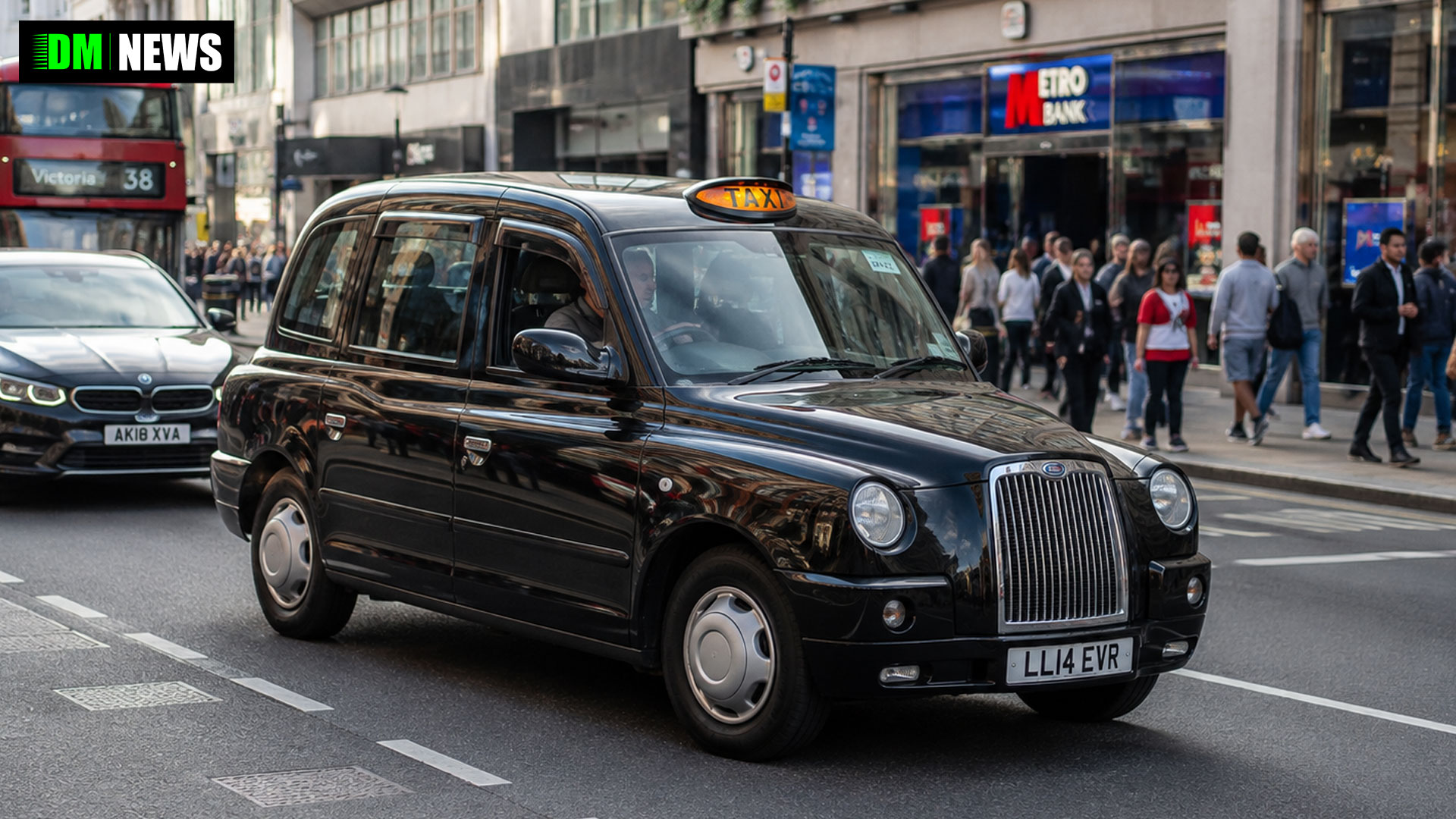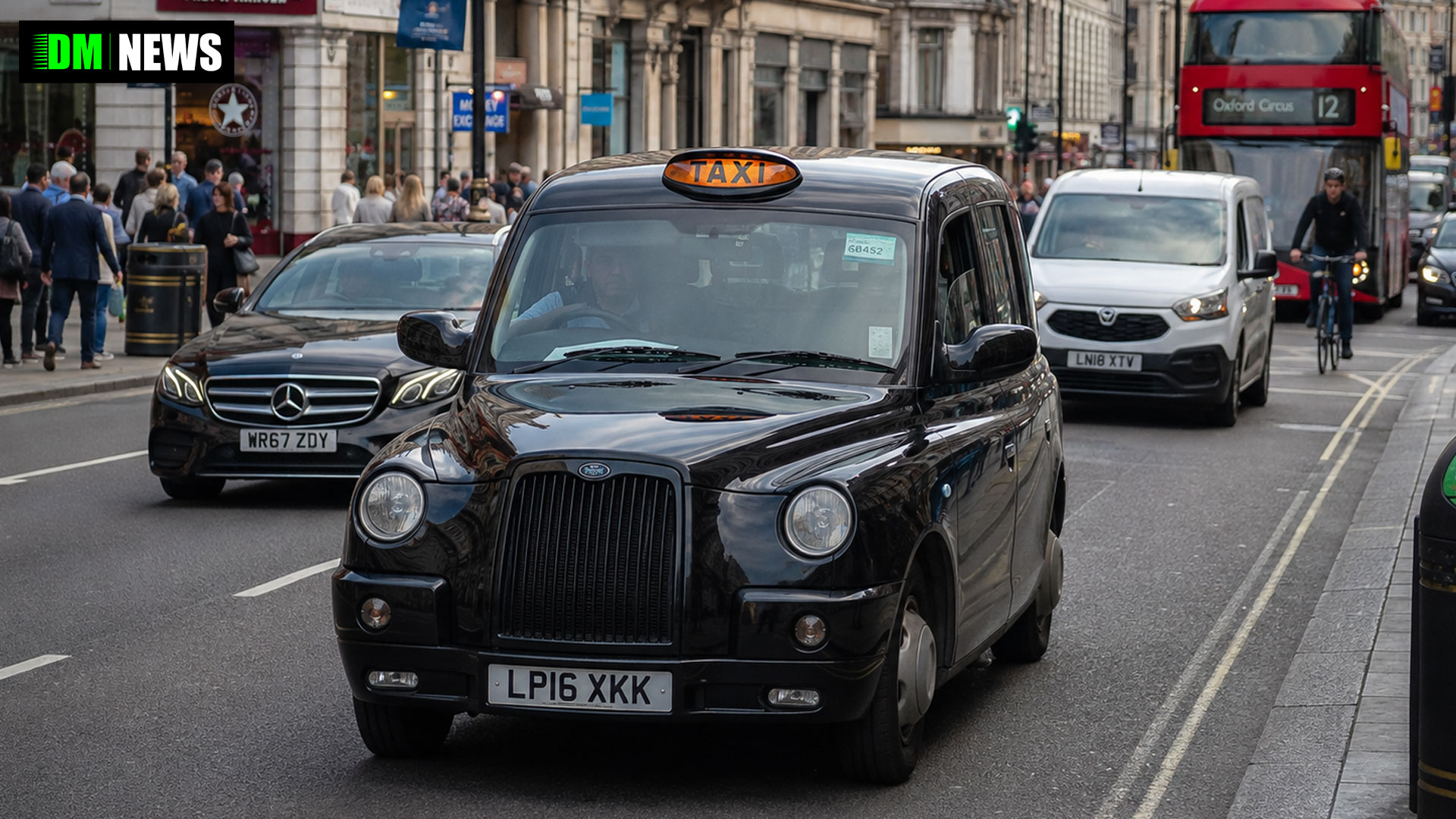
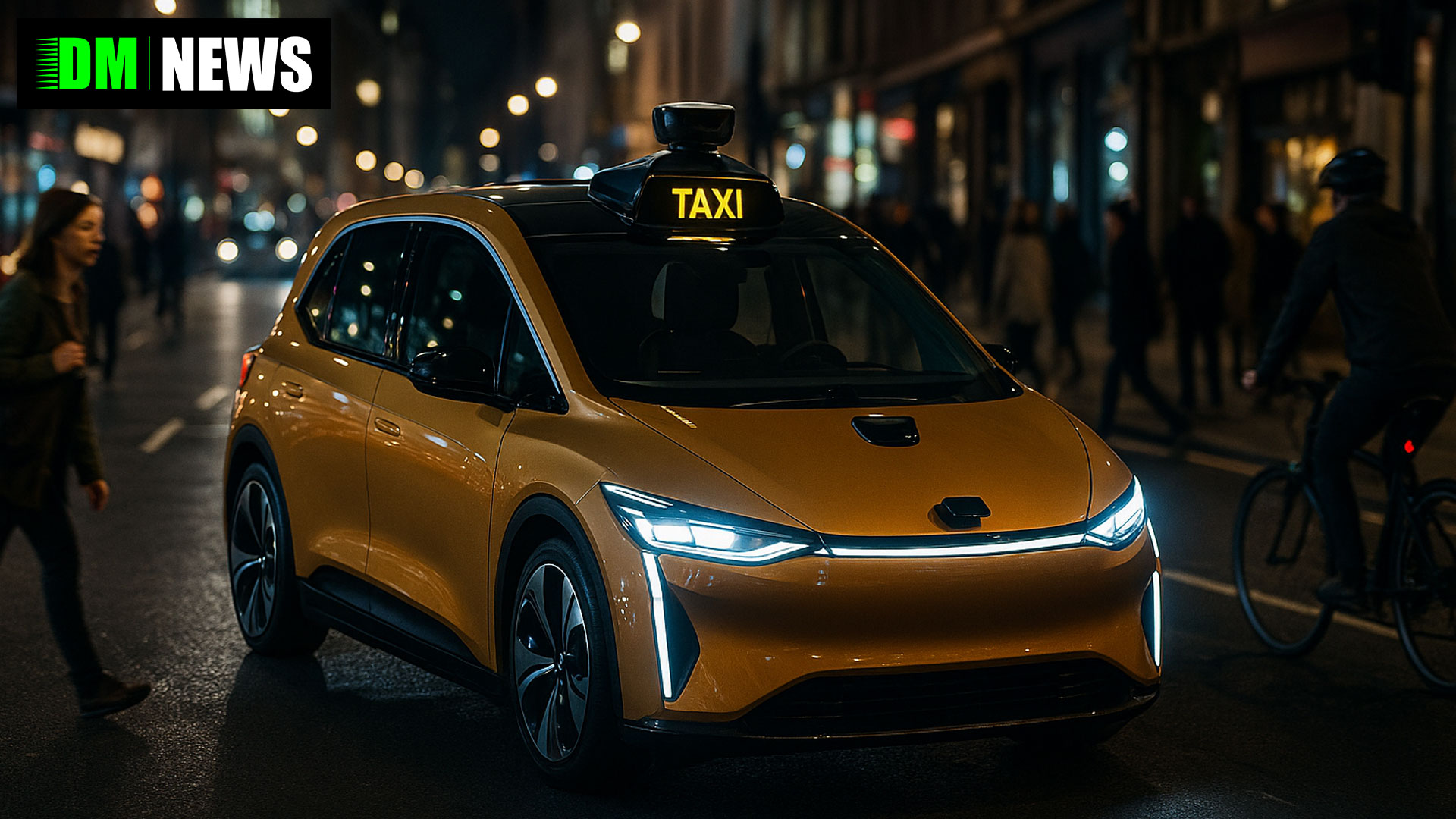
Transport for London (TfL) has warned that the UK’s existing taxi and private hire licensing laws are not equipped to manage the arrival of autonomous vehicles (AVs), as trials and national frameworks move closer to reality.
Current Taxi Laws “Not Fit for Purpose”
In evidence submitted to Parliament, TfL said that the Automated Vehicles Act 2024 sets out a broad national framework, but the legislation does not integrate with the local taxi and private hire licensing systems used across the country.
Traditional taxi and PHV regulation is built around human drivers — including background checks, conduct standards, and accountability measures. With robo-taxis removing the driver altogether, TfL says new structures will be required to guarantee public safety and maintain trust.
Safety and Responsibility Concerns
TfL stressed that safety must remain the priority. Unlike controlled motorway testing, urban environments such as London present far greater challenges — from unpredictable pedestrians and cyclists to complex road layouts.
TfL insists that robo-taxis must meet the same rigorous safety standards currently expected of human drivers before they are allowed to carry paying passengers.
Another unresolved issue is accountability. Without a driver, it is unclear who will be responsible when something goes wrong — the operator, the manufacturer, or the local authority. TfL says clarity on liability is vital before wide-scale rollout can begin.
Impact on London’s Taxi Workforce
The warning also highlighted the potential long-term impact on jobs. London has over 120,000 licensed drivers, and widespread automation could reshape or displace large sections of the workforce.
While adoption timelines remain uncertain, TfL argues that planning for workforce transition must begin early to avoid major disruption.
Local Licensing Role at Risk
TfL says local licensing authorities must play a formal role in AV oversight. Without local input, there is a risk of rigid, one-size-fits-all regulation that fails to address real-world challenges in dense urban areas.
It also warned that AV operators could exploit gaps between the new automated vehicle regime and existing taxi rules — potentially avoiding the fare oversight, safety checks, and consumer protections currently required of human-driven taxis and PHVs.
Government Collaboration Essential
TfL is working with the Government and the Centre for Connected and Autonomous Vehicles (CCAV) to shape future regulation, but has made it clear that strong collaboration will be essential.
“Passengers must be protected whether a driver is behind the wheel or not,” TfL said, adding that public safety and accountability must remain at the heart of any framework.
Sources:
TfL – Transport for London Official Site
UK Government – Automated Vehicles Act 2024
Thanks for visiting DM News! If you’ve got a question, story, or anything you’d like to say, head over to DriverMatty.com — I’d love to hear from you! And while you’re there, don’t forget to check out my other websites and social media channels.