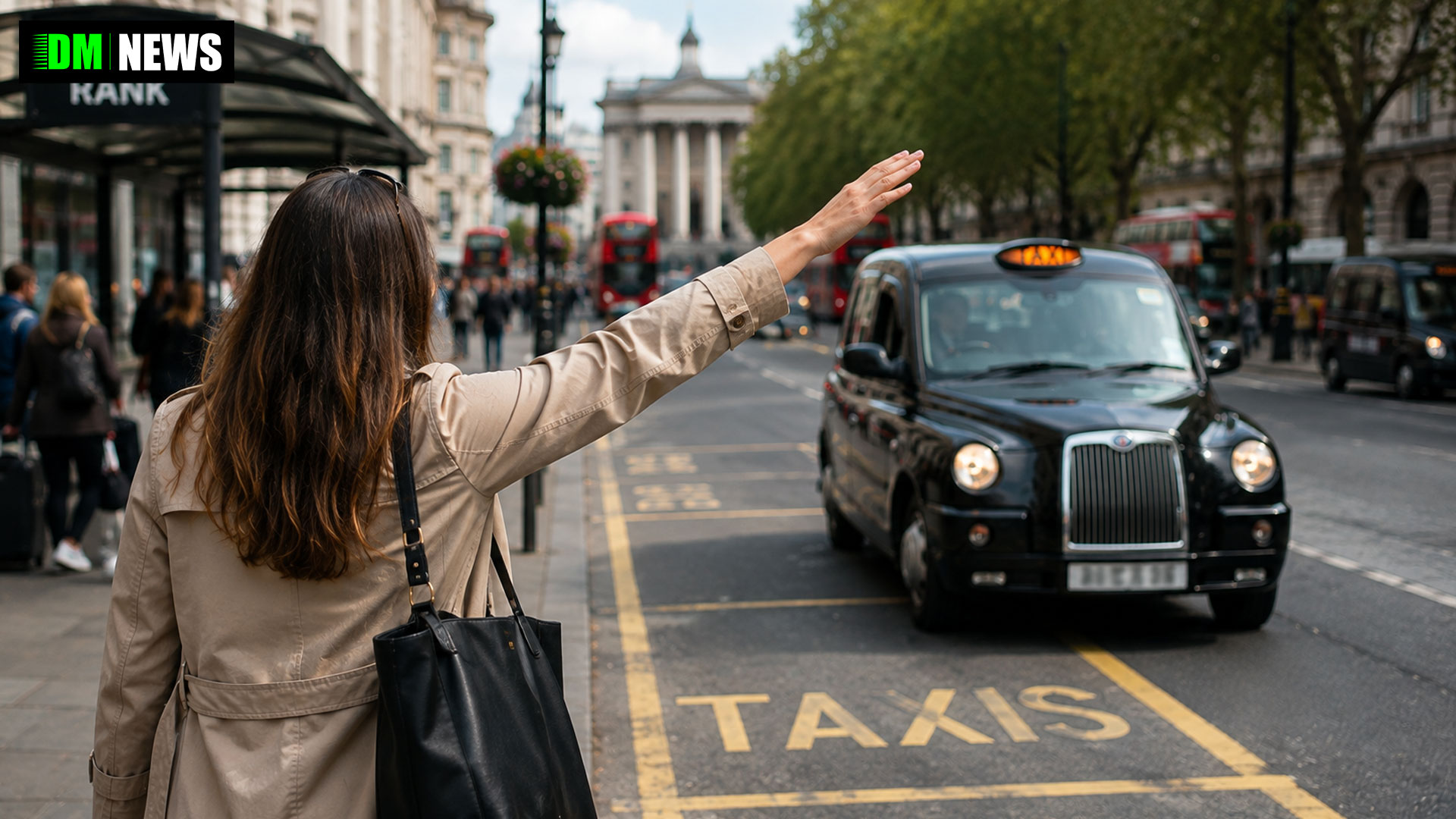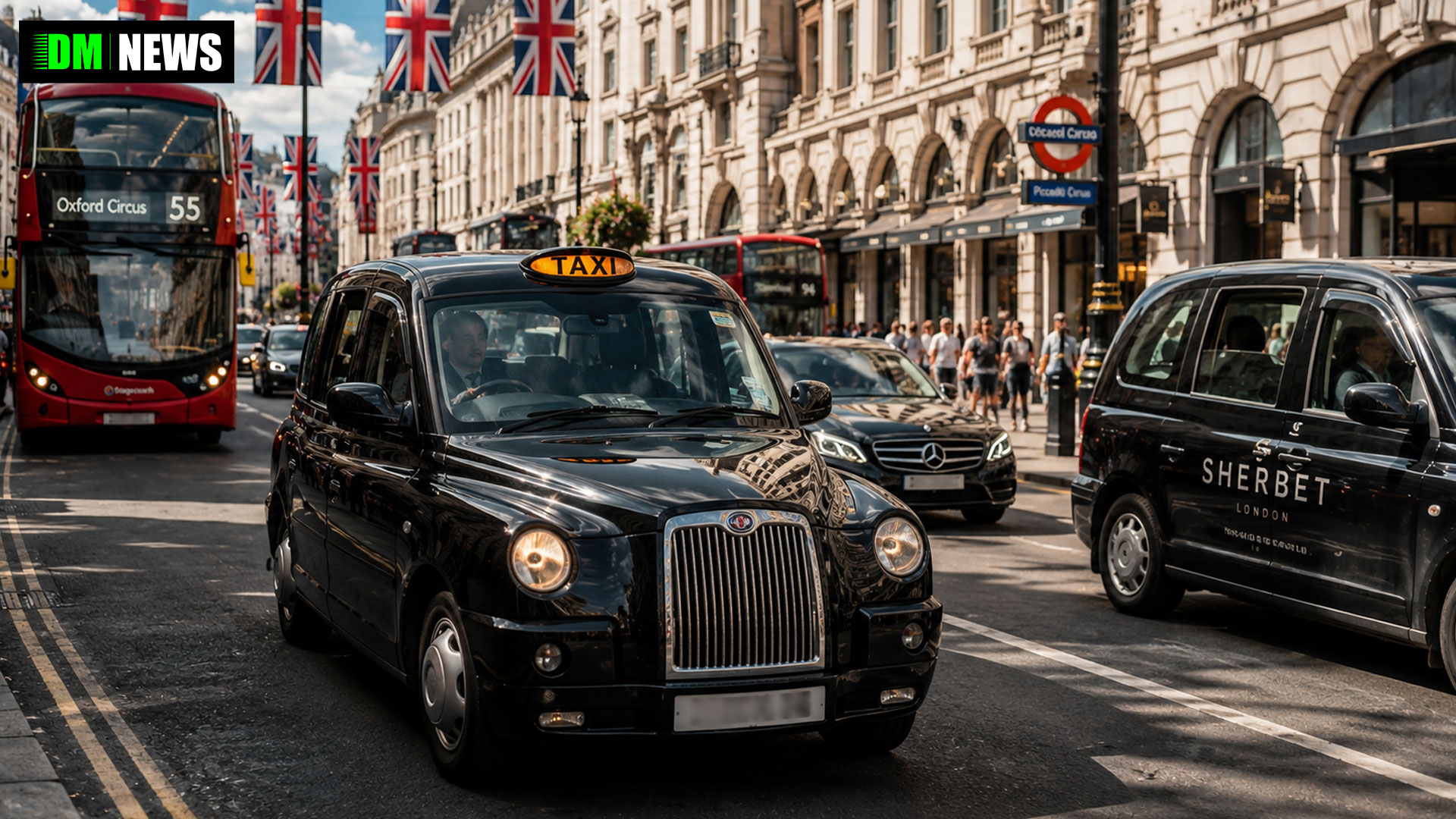
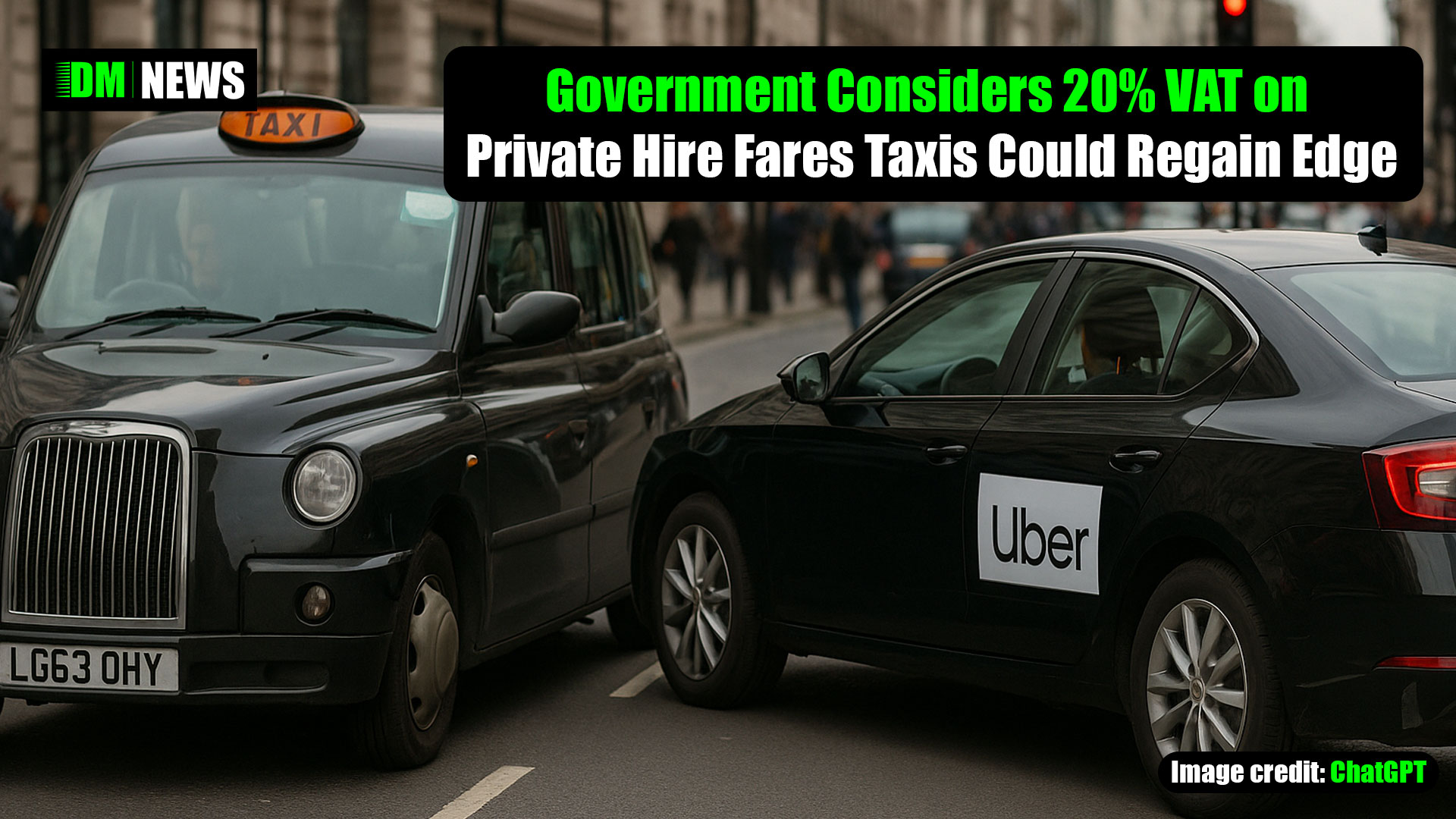
The UK government is weighing up whether to impose a 20% VAT charge on all private hire vehicle (PHV) fares — a move that could dramatically reshape the balance of power between taxis and ride-hailing firms such as Uber and Bolt.
Currently, most taxis (Hackney carriages) are not subject to VAT on fares, as many drivers operate below the registration threshold. By contrast, the government is considering applying the full VAT rate to PHV journeys, which could make them 20% more expensive overnight.
Why the government is considering a “taxi tax”
The proposal, dubbed a “taxi tax” by trade bodies, comes as the Treasury looks to boost revenue. Officials argue that PHV journeys, which account for millions of trips across the UK each year, are an untapped source of VAT income.
Reports suggest this measure could raise hundreds of millions of pounds annually, but critics warn it risks pricing passengers out of affordable travel — particularly in towns and cities where PHVs often undercut taxi fares.

How it could affect the trade
- Private hire fares may rise — PHV operators are expected to pass the VAT cost onto passengers, making trips significantly more expensive.
- Taxis become more competitive — With taxi fares regulated by local councils and not subject to the same VAT charge, Hackney carriages could suddenly be on par with — or even cheaper than — PHVs.
- Driver incomes under pressure — If operators absorb some of the cost instead of passing it all on, PHV drivers could see their earnings squeezed further.
- Shift in customer behaviour — Passengers may return to taxis, reversing a decade-long trend where PHVs became the cheaper option.
Legal and political hurdles
The plan is controversial. The SNP has already condemned it, warning it would “kill the taxi trade” in Scotland and harm vulnerable passengers who rely on affordable transport.
Adding to the complexity, the UK Supreme Court ruled in July 2025 that PHV operators outside London do not have to charge VAT on the full fare under current law. To implement this change, the government would need to rewrite legislation or change how contracts are defined across the industry.
What’s next?
Chancellor Rachel Reeves is expected to outline the proposal in the Autumn Budget on 26 November. If approved, the change would mark the biggest shake-up of taxi and private hire pricing in years, potentially restoring the competitive advantage of local taxi fleets.
For now, drivers and passengers alike are waiting to see whether the so-called “taxi tax” will become reality — and what it means for the future of UK transport.
Thanks for visiting DM News! If you’ve got a question, story, or anything you’d like to say, head over to DriverMatty.com — I’d love to hear from you! And while you’re there, don’t forget to check out my other websites and social media channels.