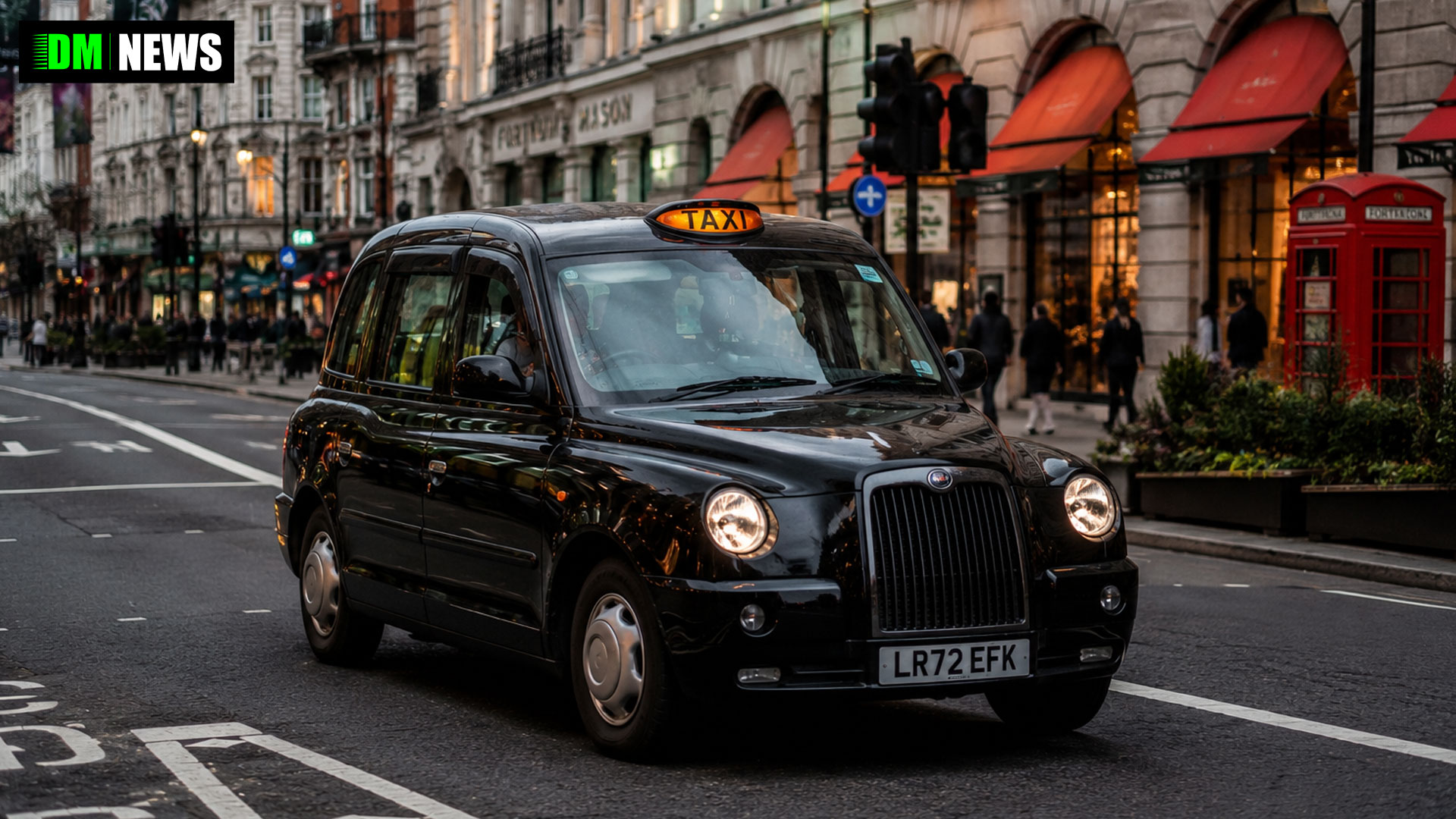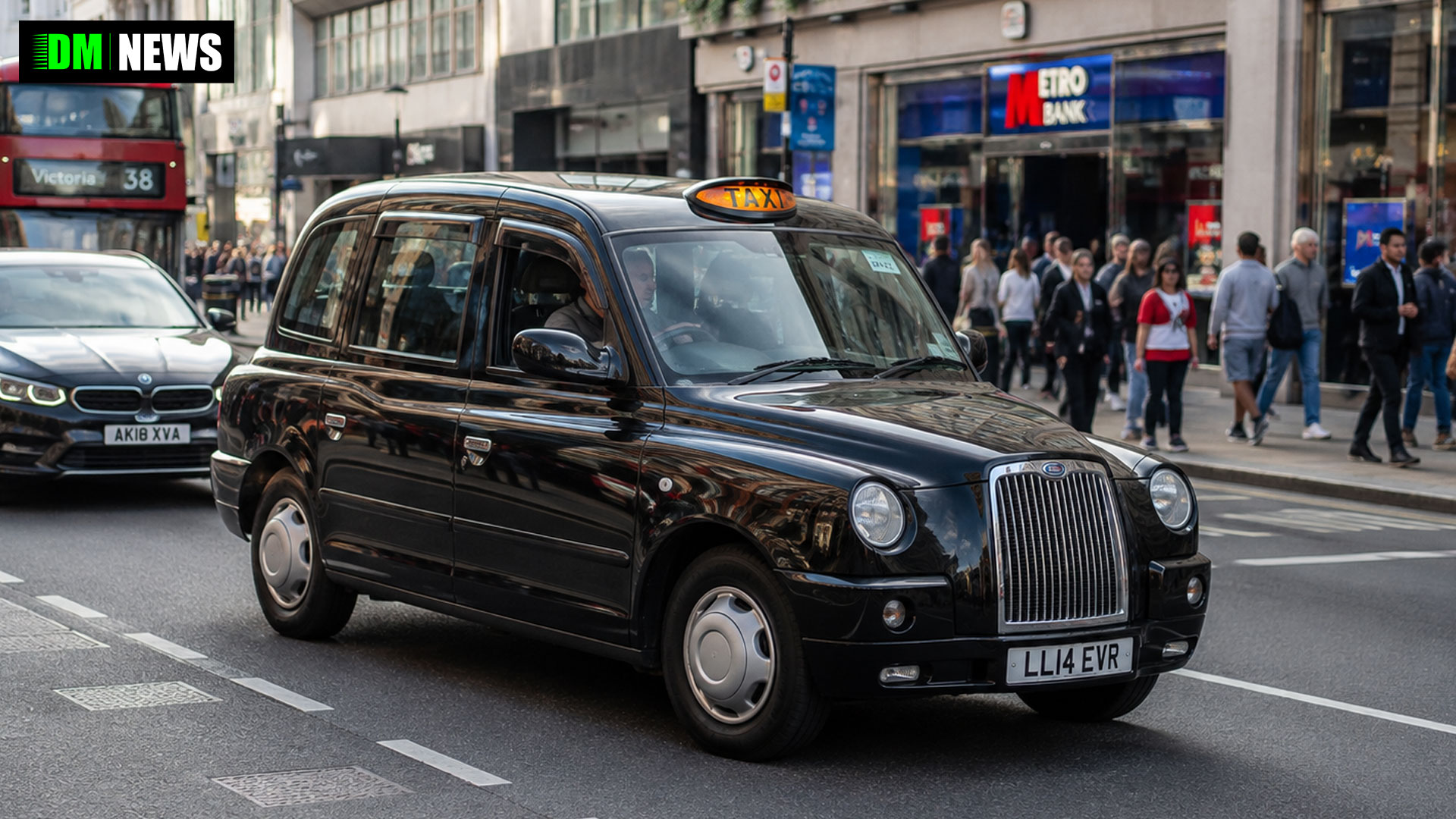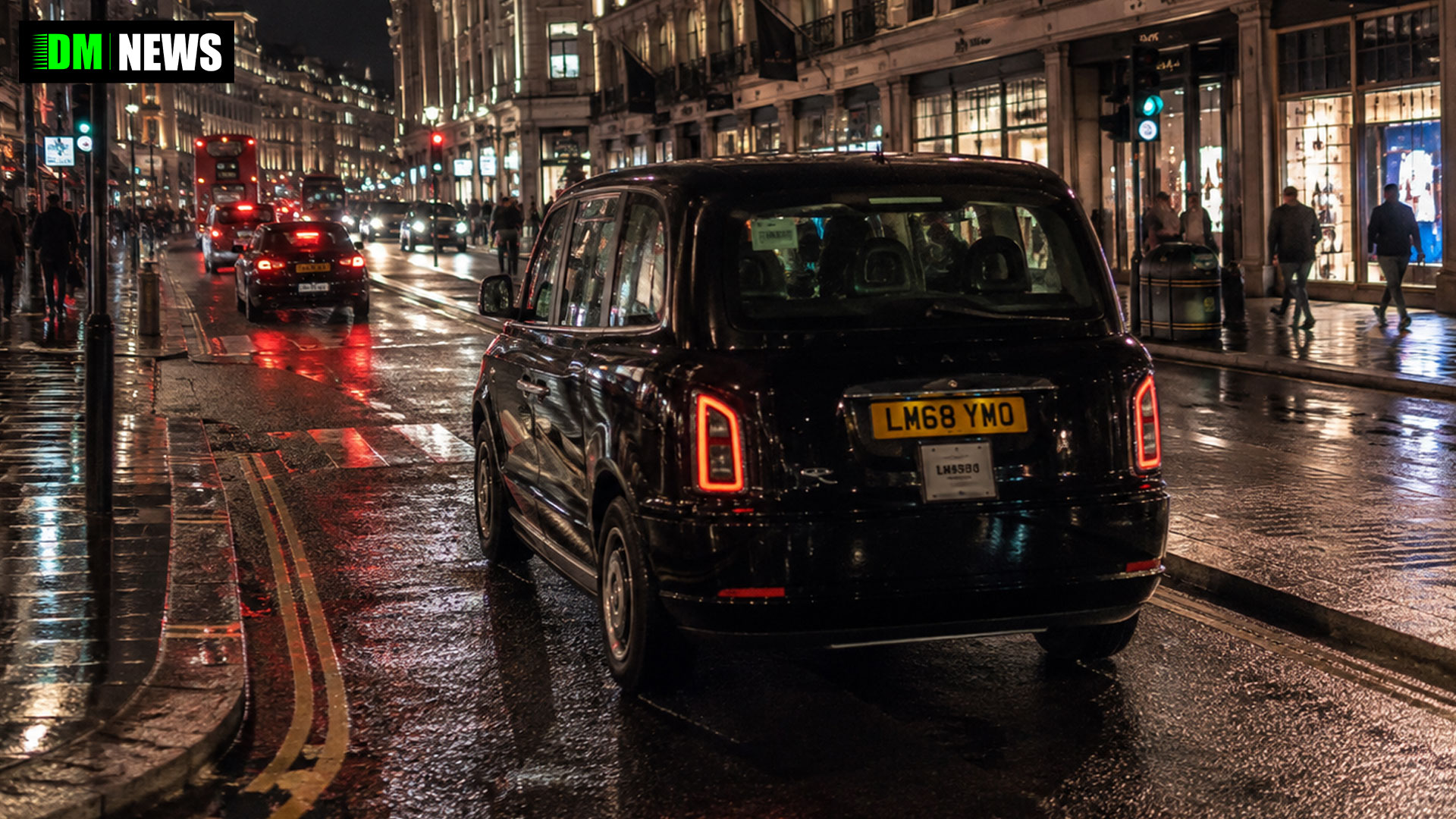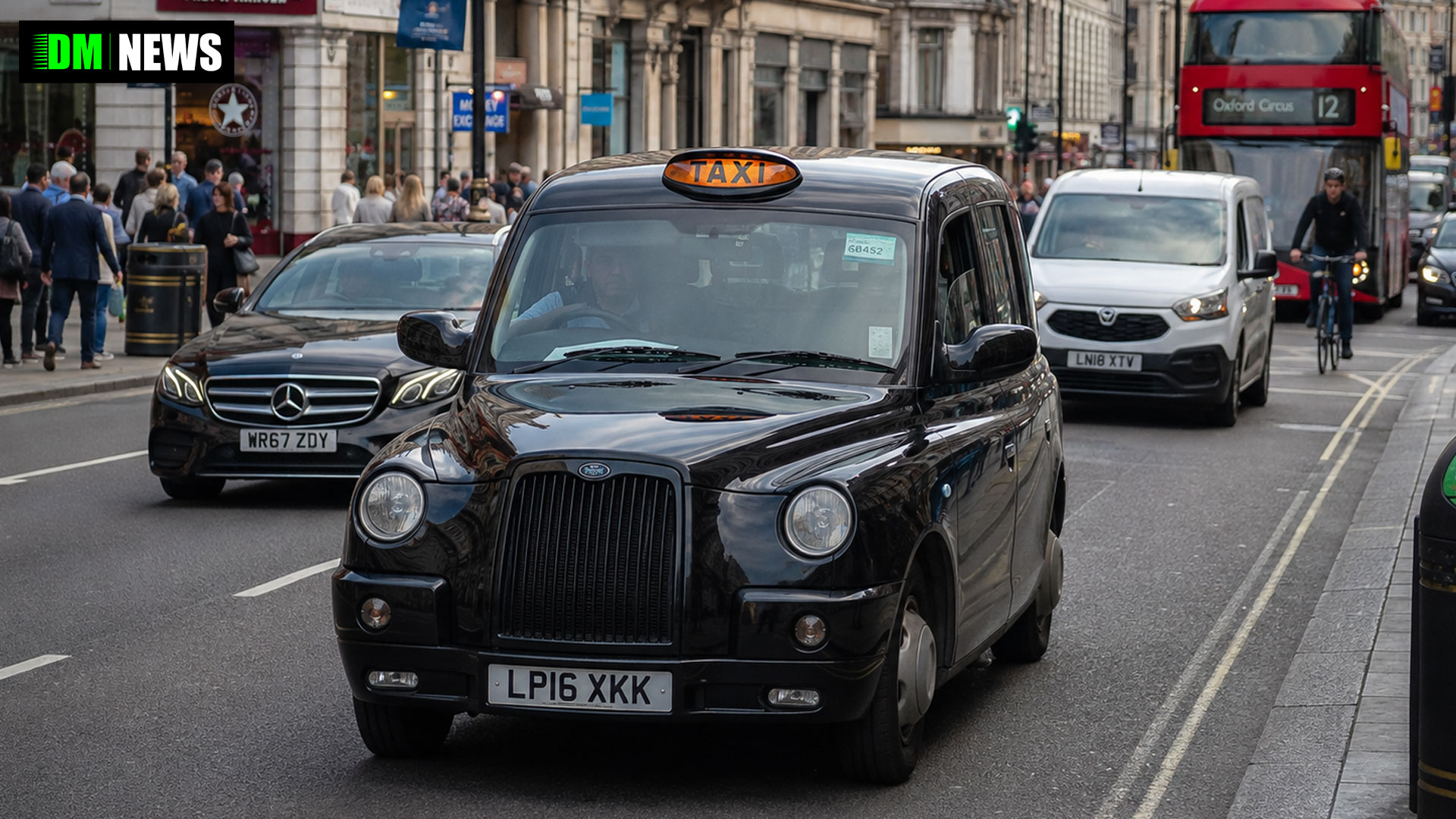
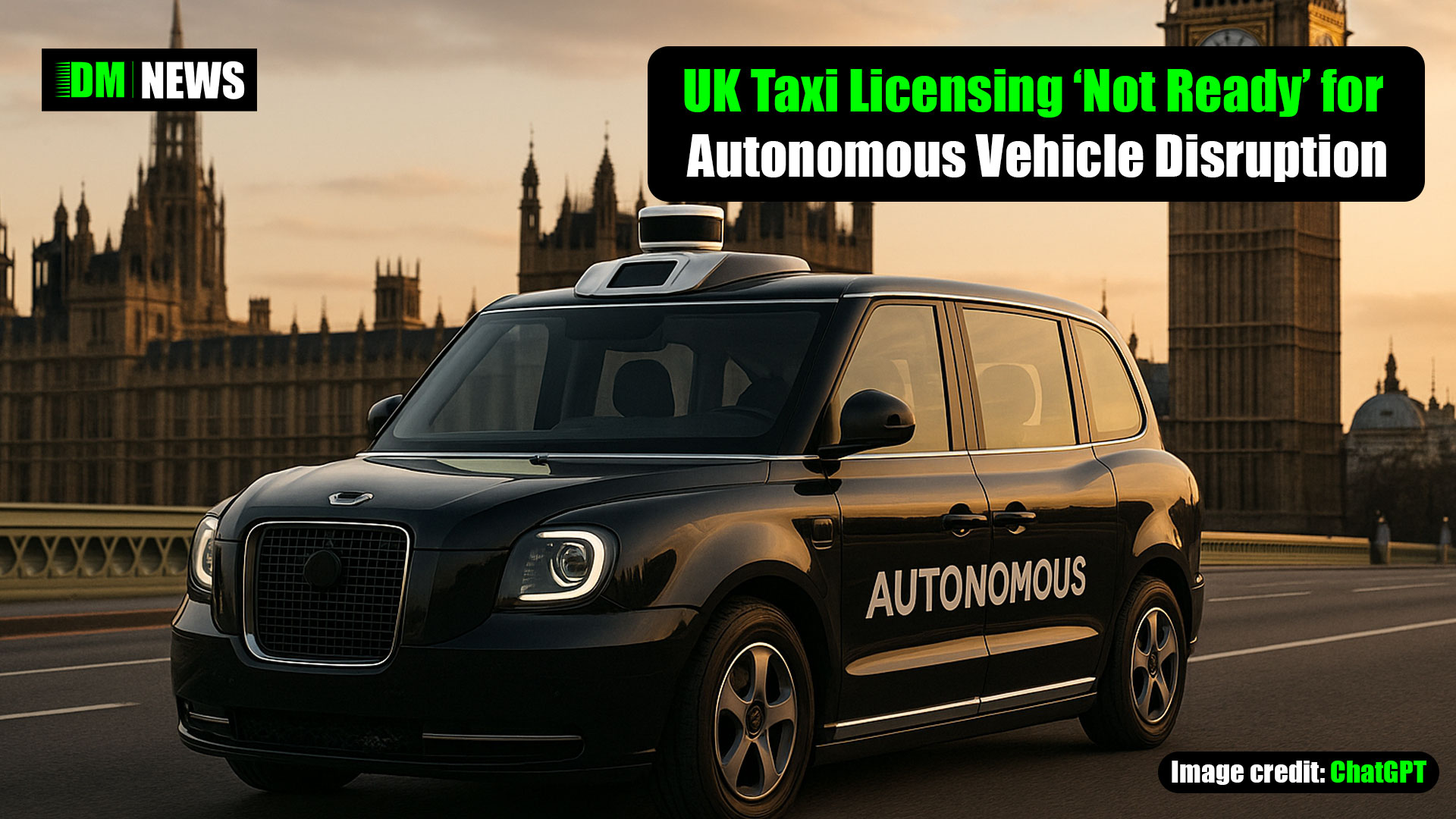
Coventry-based taxi manufacturer LEVC has warned that the rollout of autonomous vehicles (AVs) will have far-reaching consequences for taxi and private hire vehicle (PHV) licensing, with regulators facing significant challenges around safety, liability, and accessibility.
In written evidence submitted to the Transport Select Committee, the maker of the iconic London black cab said the arrival of driverless taxis would demand a complete rethink of existing licensing systems.
Redefining the “Driver”
LEVC stressed that one of the biggest disruptions will be the redefinition of what it means to be a driver. Current licensing and regulatory frameworks are built around human drivers, but automation raises complex questions about:
- Accident responsibility – who is liable in the event of a collision?
- Operator liability – whether vehicle operators or technology providers take legal responsibility.
- Passenger safeguarding – ensuring safety without a human presence.
- Accessibility – meeting the needs of vulnerable users.
The company also raised concerns that local licensing authorities are not yet equipped to handle the scale of change that full autonomy will bring.

Accessibility Concerns
One of the biggest challenges identified is passenger support for disabled users.
Traditional taxi and PHV drivers often assist wheelchair users and others needing help with boarding and alighting. LEVC questioned whether autonomous vehicles will be able to replicate this essential service.
The company warned that without robust safeguards, the shift to AVs could widen service gaps for passengers who already face accessibility challenges.
A Long Road to Full Autonomy
Despite rapid technological advances, LEVC believes that widespread deployment of driverless taxis remains some distance away. In the short term, it supports driver-assist technologies that can reduce fatigue and improve safety but made clear that a new layer of regulatory oversight will eventually be essential.
Call for Government Action
LEVC welcomed the UK Government’s current consultation on AV regulation but urged ministers to ensure that any reforms prioritise:
- Passenger safety
- Accessibility standards
- Fair competition for operators
The company concluded that legislation must keep pace with technology to prevent autonomous vehicles from undermining safety or widening inequalities in passenger service.
Thanks for visiting DM News! If you’ve got a question, story, or anything you’d like to say, head over to DriverMatty.com — I’d love to hear from you! And while you’re there, don’t forget to check out my other websites and social media channels.