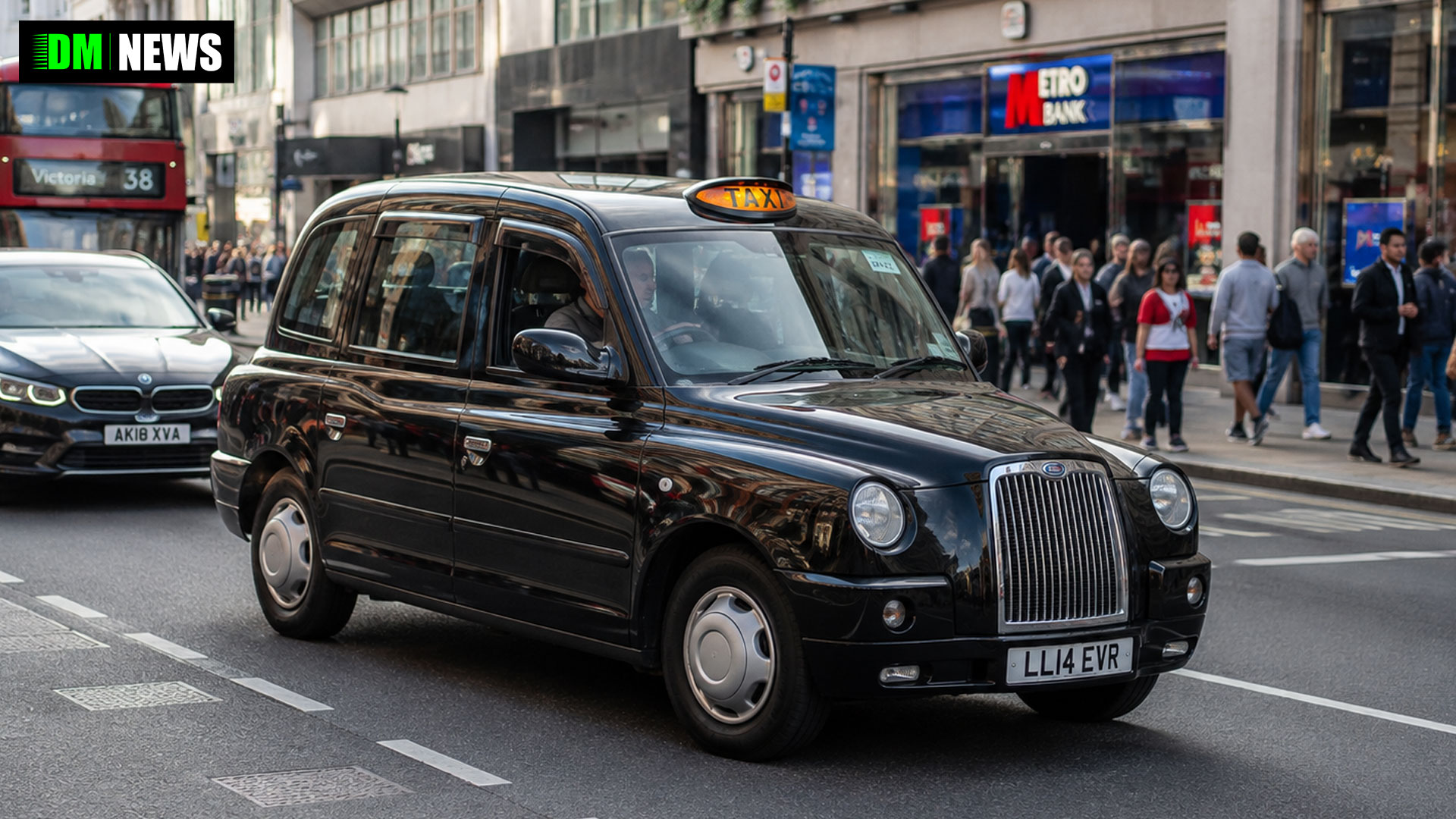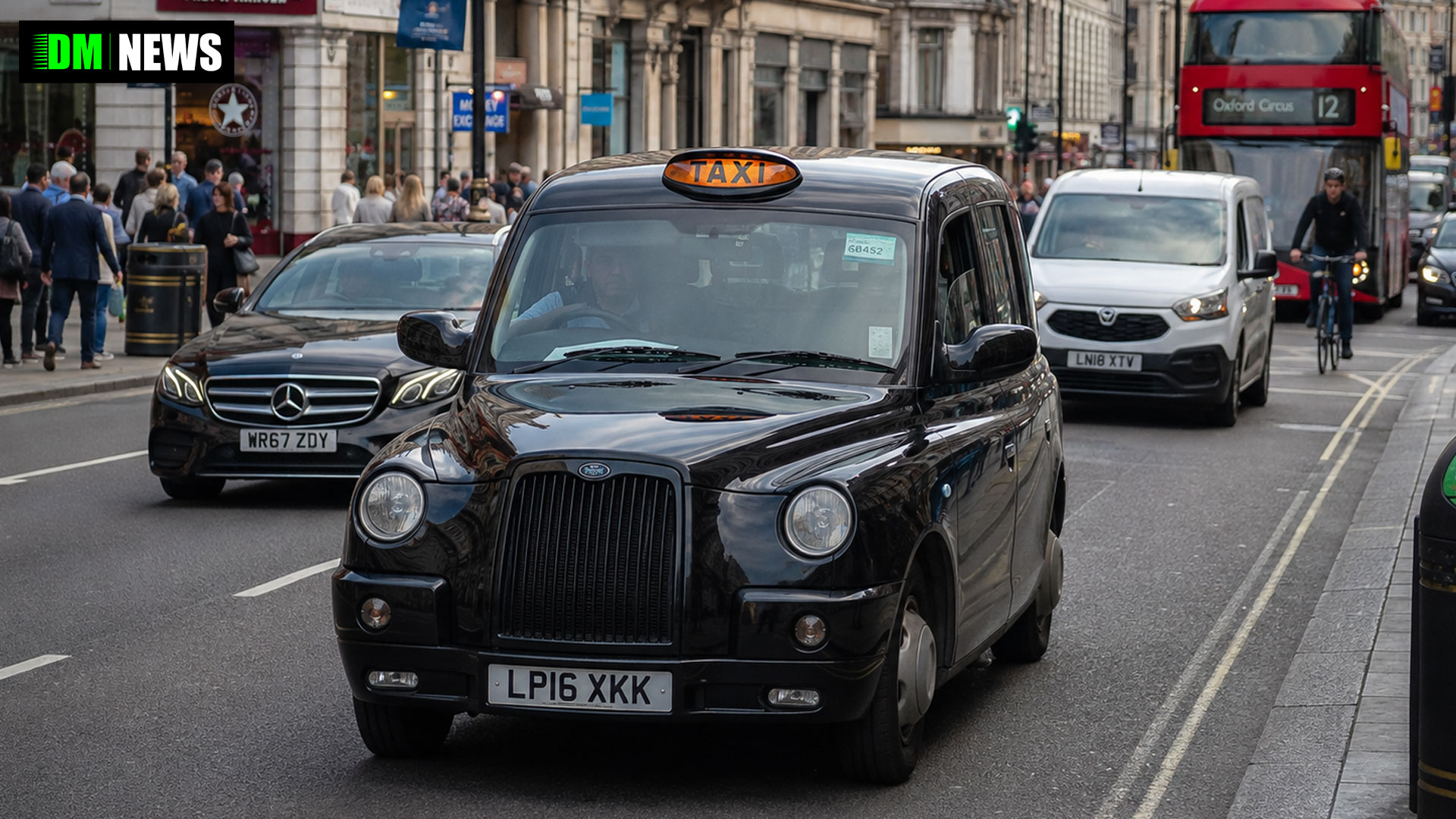

iCabbi has launched The Exchange, a nationwide network aiming to link up to 60,000 taxis across the UK and Ireland under one cooperative system. This move could reshape the private hire landscape by empowering local operators to collaborate while preserving their independence.
How The Exchange Works
- Dispatch Networking
When a local fleet is too busy, they can push the job into The Exchange—keeping the booking within the taxi industry instead of handing it to a ride-hailing app. - App Networking
Passengers using their local fleet’s branded app can now book journeys across the UK, even while travelling—no need to switch to Uber or Bolt. - Phone Call Networking
If a customer phones their regular taxi company while away from home, The Exchange can route the job to a partner fleet—still under the local brand, with no app needed.
Can iCabbi Exchange Compete with Uber?
✅ Strengths vs Uber
- Loyalty to Local Fleets
Instead of centralising control like Uber, iCabbi supports local operators who already have relationships with their communities. - Data & Business Control
Operators maintain ownership of their customers, data, and branding—giving them autonomy, unlike platforms that consolidate control and analytics. - National Coverage, Local Identity
Fleets get the benefits of scale without losing their name, identity, or reputation.
⚠️ Challenges Ahead
- Consumer Habits
Uber’s brand dominates in the UK ride-hailing space, and many passengers are in the habit of opening one app for every journey. - Marketing Muscle
Uber invests heavily in advertising and discounts, which independent fleets may not be able to compete with directly. - Platform Fragmentation
While iCabbi’s Exchange connects fleets, it still relies on customers downloading their local app first—unlike Uber’s single national interface. - Coverage Gaps
Availability will depend on how many fleets join. If key areas lack participation, the network may not be seamless for passengers.
Final Thoughts
The iCabbi Exchange isn’t trying to become Uber—it’s offering a different, collaborative vision: to strengthen local taxi and private hire services with national support. For operators, it’s a way to remain competitive without sacrificing control. For passengers, it could mean seamless journeys across the UK without relying on global tech giants.
This is a bold step towards empowering the local taxi trade with the kind of tools and reach previously reserved for the likes of Uber.
Thanks for visiting DM News! If you’ve got a question, story, or anything you’d like to say, head over to DriverMatty.com — I’d love to hear from you! And while you’re there, don’t forget to check out my other websites and social media channels.