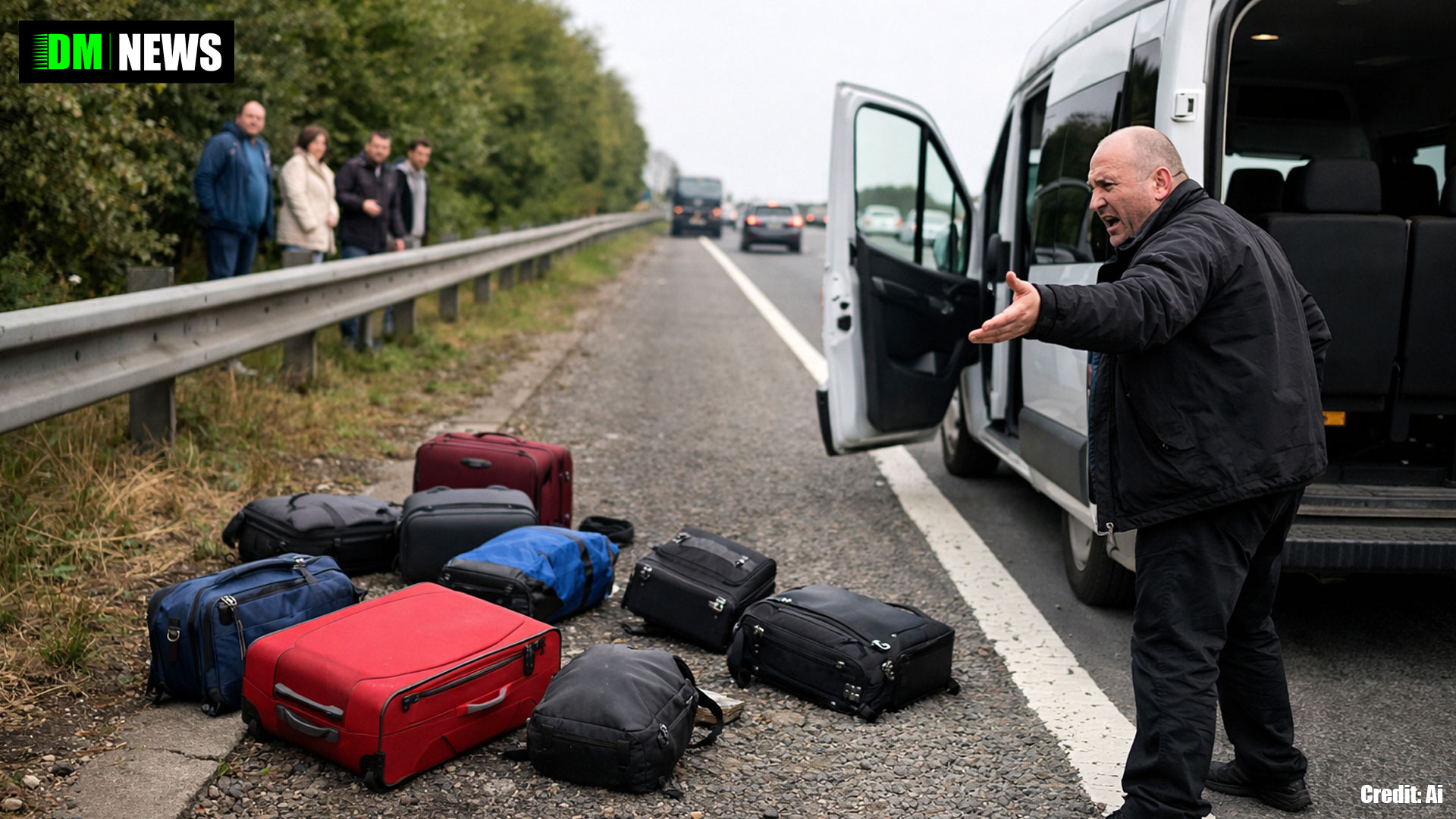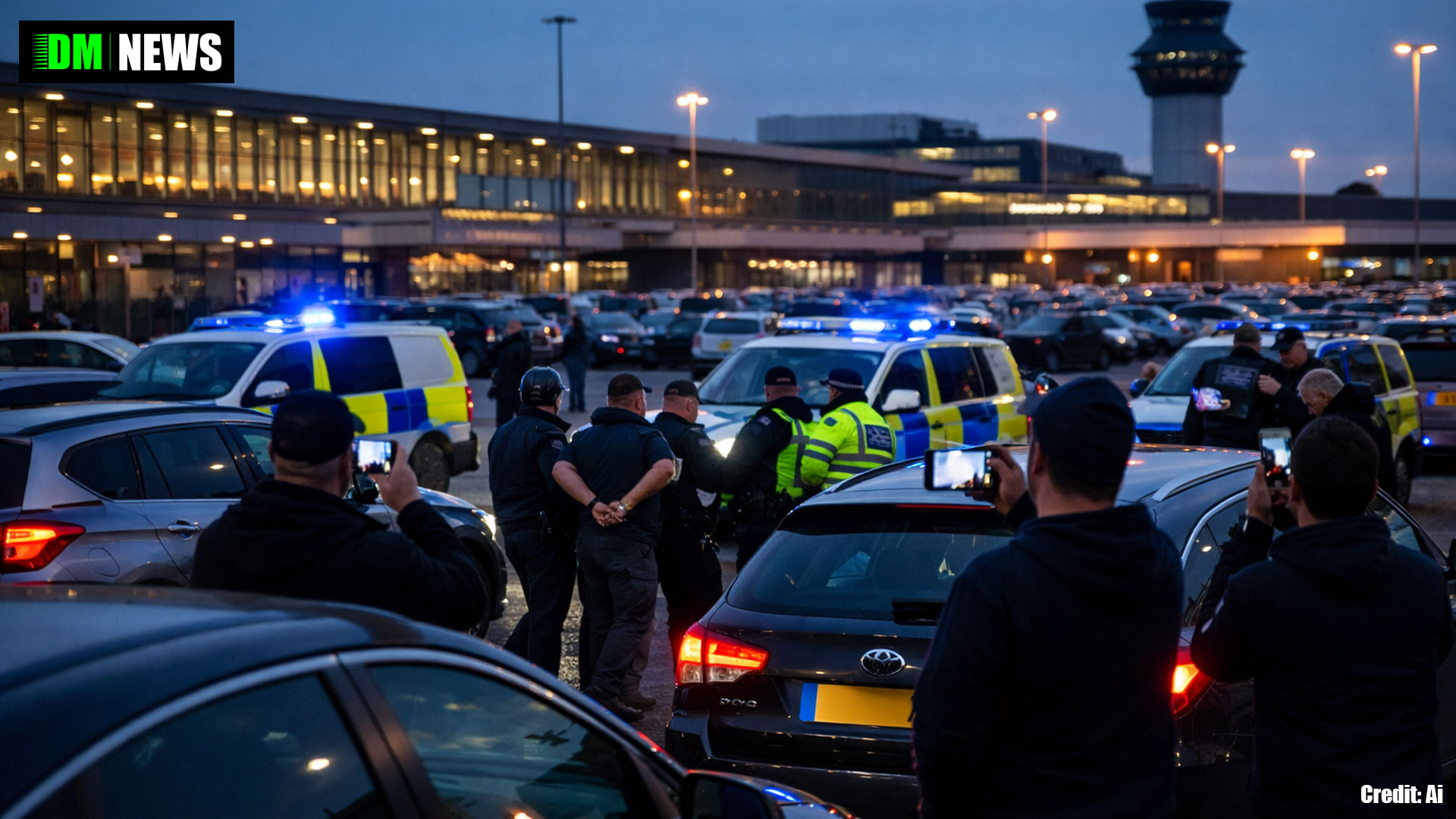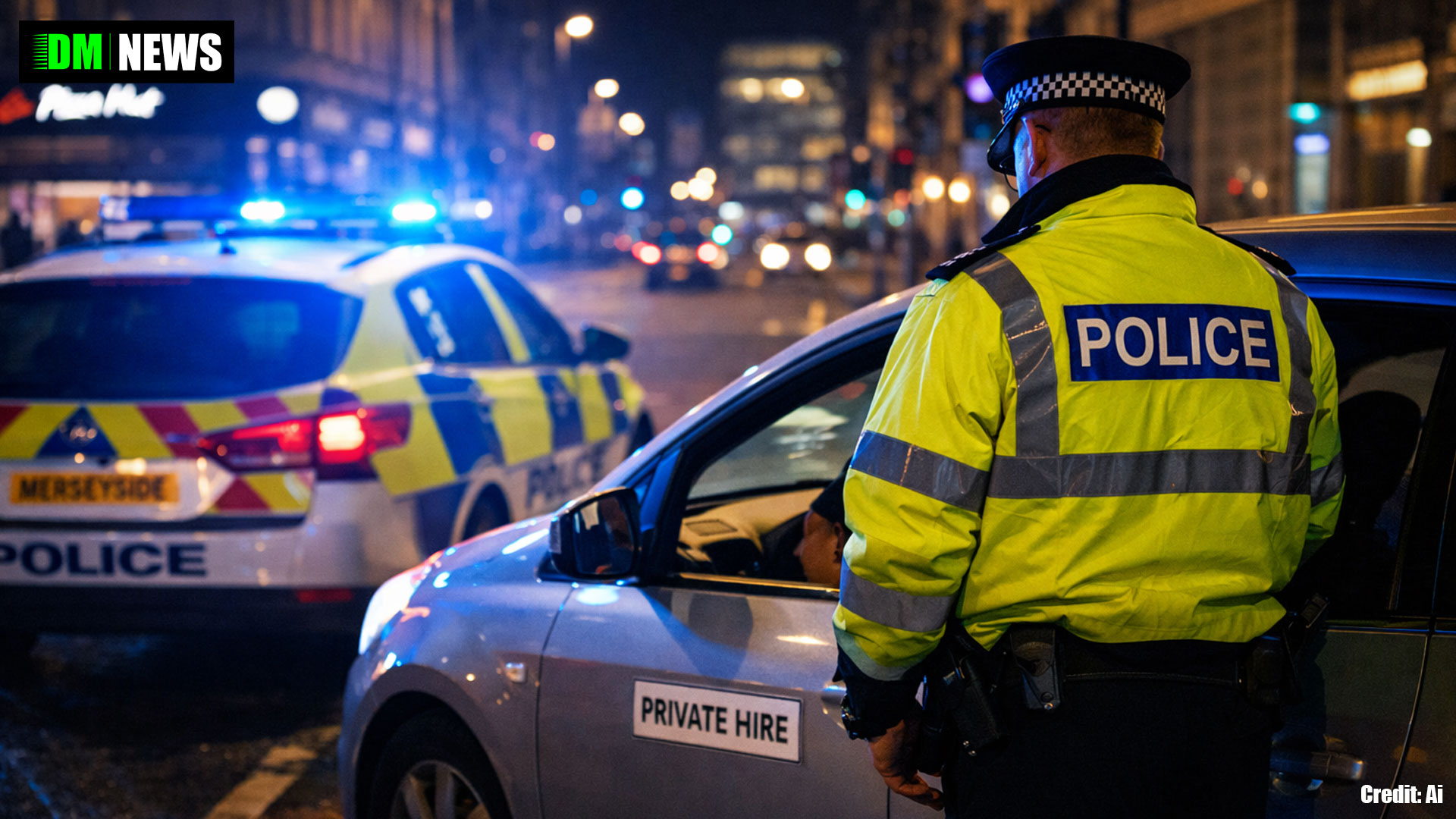
Councillors in North Yorkshire recently raised concerns over “thousands” of drivers operating in their region while holding Wolverhampton-issued licences, with discussions touching on safeguarding pressures and potential gaps in local enforcement. According to PHTM
DM News Commentary: What this really means for the industry
The Wolverhampton licensing debate has been building for years, but moments like this bring the issue back to the surface: cross-border licensing has outgrown the legislation that governs it. Here’s the reality:
1. The licensing system is now national, not local
Because apps like Uber, Bolt, and Veezu allow drivers to work anywhere, the old assumption that a council only licenses its local area no longer reflects how the trade operates. Wolverhampton embraced this shift early with faster digital processes, but other councils now feel overwhelmed by the consequences.
2. Complaints aren’t really about driver quality — they’re about control
Many councils fear they can’t properly enforce standards when the licence comes from elsewhere. Even if Wolverhampton’s checks are strong — and they do promote daily DBS checks and digital monitoring — the lack of local enforcement power makes neighbouring authorities uneasy.
3. Drivers are stuck between inconsistent systems
The industry is dealing with a postcode lottery:
- In one council area, requirements may be extremely strict.
- In another, the application is faster, digital, and cheaper.
Unsurprisingly, thousands of drivers move toward the more efficient system. That doesn’t make them unsafe — it highlights regulatory fragmentation.

4. This pressure is building toward national reform
Several councils, trade groups, and even Wolverhampton itself have called for Parliament to modernise the law. Possible future models include:
- A national PHV licence, similar to how the DVLA handles driving licences
- Local authorities retaining powers only for vehicles working in their boundaries
- A single minimum national standard for safeguarding
Right now, nobody — not councils, not apps, not drivers — is working within a system designed for how the trade actually operates.
5. For drivers, this affects livelihoods
Many Wolverhampton-licensed drivers feel targeted, despite following the rules legally. At the same time, locally licensed drivers feel pushed out of their own areas by a system they see as unfair. This tension is not going away until Parliament steps in.
Thanks for visiting DM News! If you’ve got a question, story, or anything you’d like to say, head over to DriverMatty.com — I’d love to hear from you! And while you’re there, don’t forget to check out my other websites and social media channels.