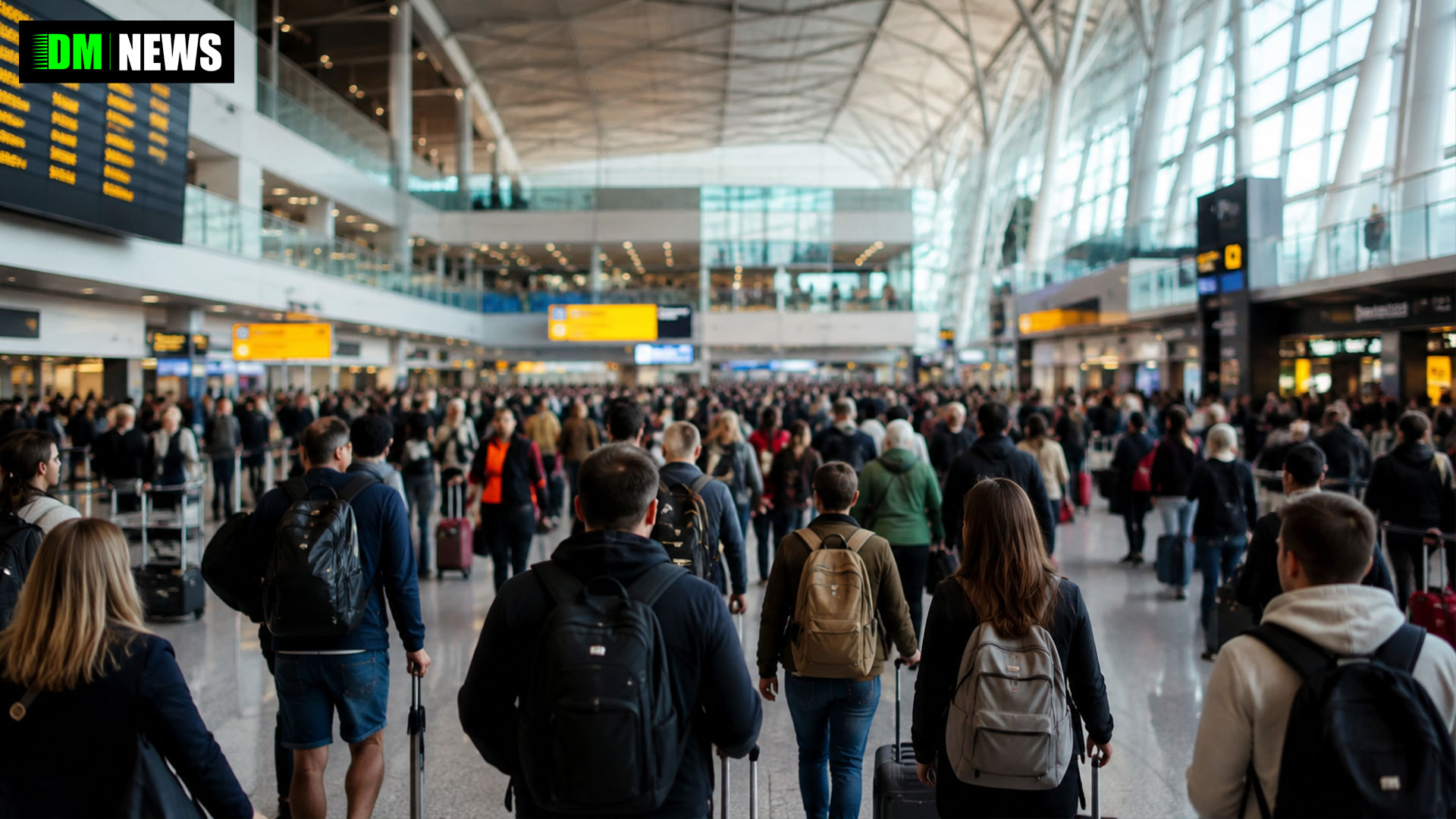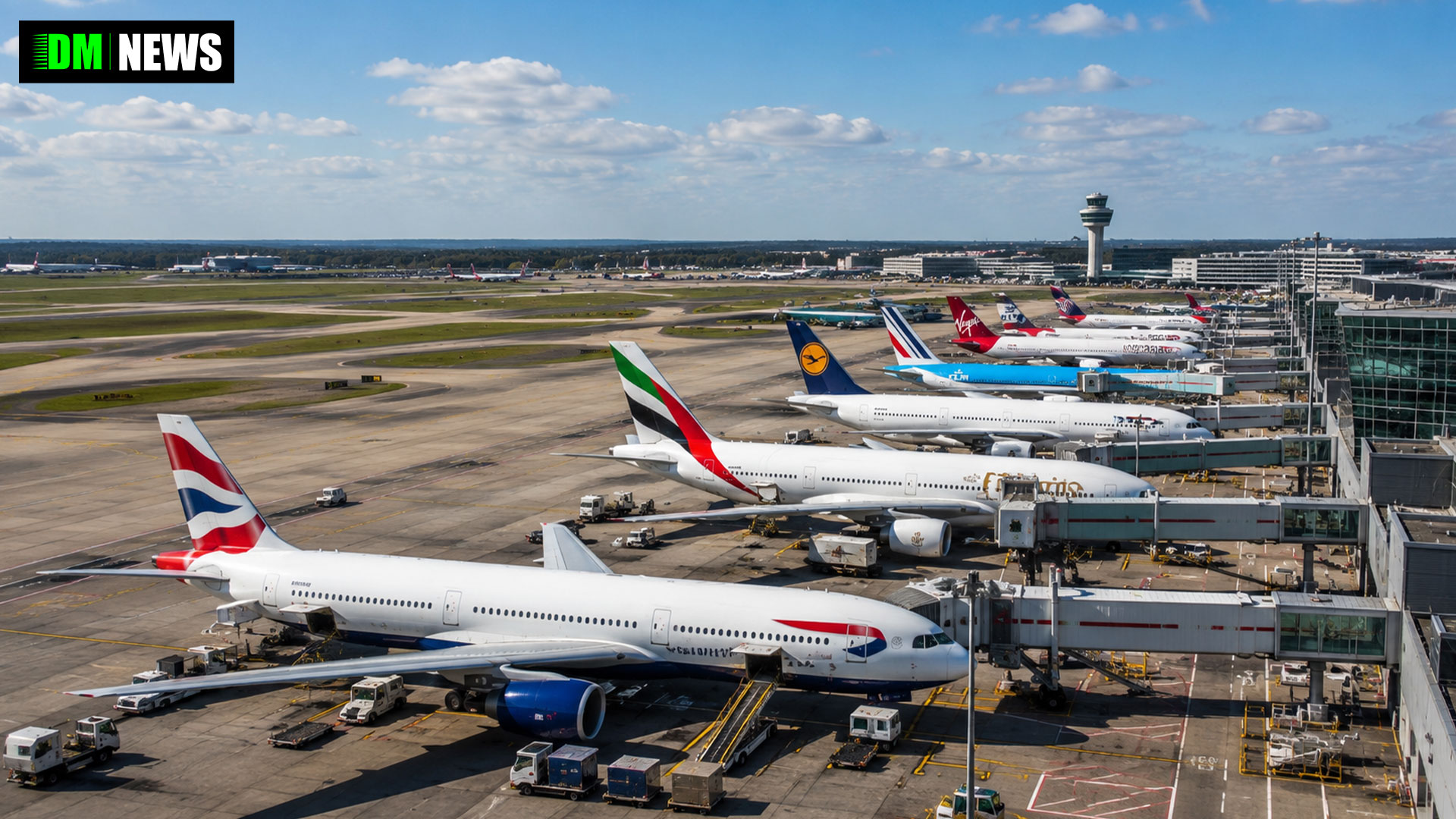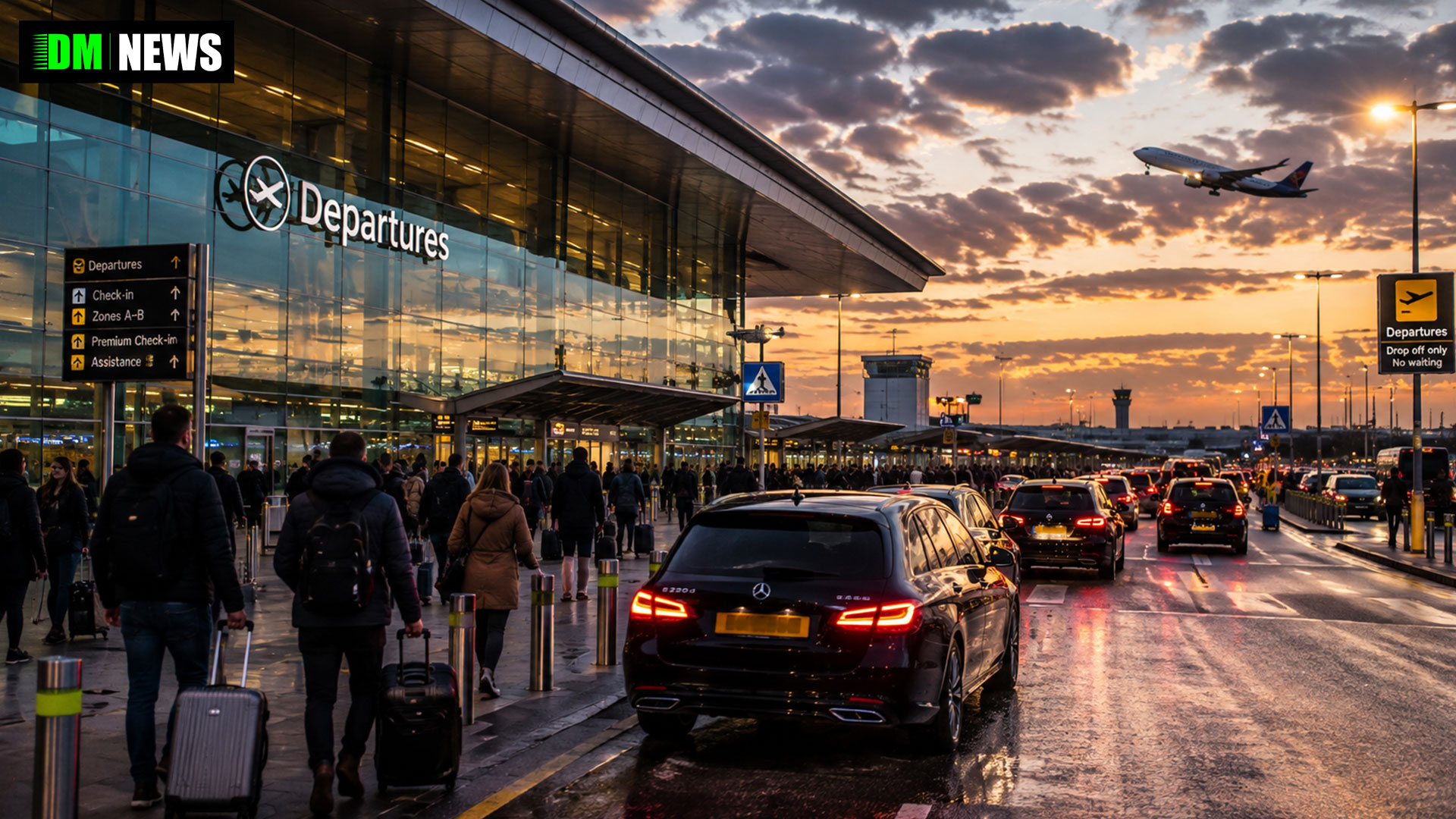
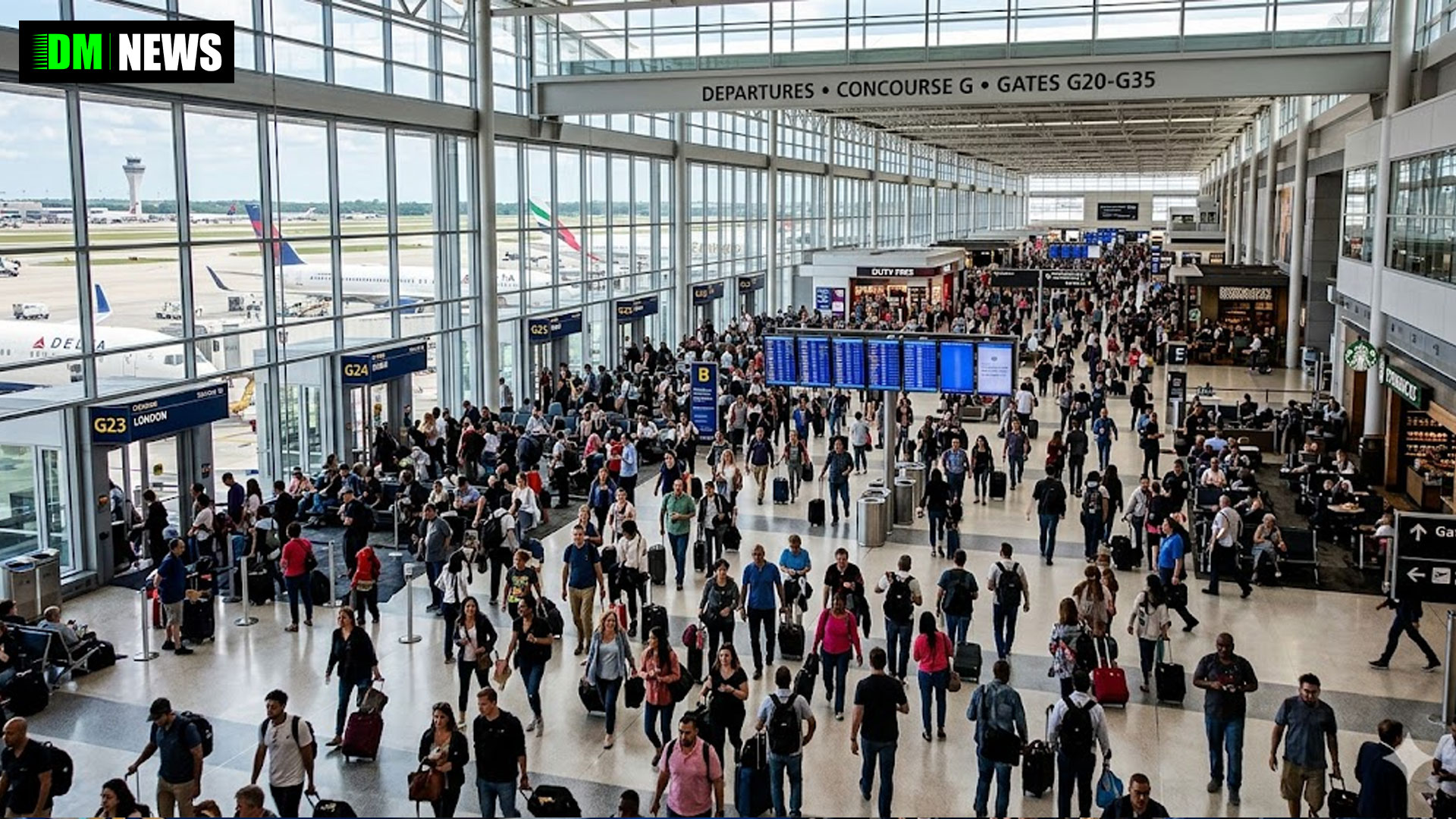
If you’ve got a holiday booked this summer, here’s something worth knowing. The Government has launched what it’s calling a “lightning consultation” — and no, that’s not about the weather. It’s a fast-tracked plan to change the rules around airport take-off and landing slots, all in the name of protecting your summer break.
Why Is This Happening?
The closure of the Strait of Hormuz has been a major disruptor. Tehran has been blocking shipping through the waterway since the early days of the Iran war, with the US responding with a tit-for-tat blockade of tankers going into Iranian ports. The knock-on effect for aviation has been significant — jet fuel costs have roughly doubled since the conflict began, pushing prices to near-record highs.
The International Energy Agency has warned that Europe could face shortages within six weeks if the disruption persists. That’s a serious enough prospect for the Government to act now, rather than wait until families are standing at the departure gate with nowhere to go.

What Are the Rules Changing?
To understand the change, you need to know how airport slots work. Under current rules, carriers must use at least 80% of their allocated slots during a season to prevent them from being reassigned to other airlines. This is known as the “use it or lose it” rule, and in normal times it makes perfect sense — it stops airlines sitting on slots they’re not using.
But in a situation like this, it creates a real problem. Airlines facing fuel uncertainty might keep operating flights they can’t properly fill, just to hold onto their slots for next year. That leads to near-empty “ghost flights” burning scarce fuel — and, in a worst-case scenario, last-minute cancellations when passengers are already at the airport.
The proposed change would allow airlines to hand back a limited proportion of their slots without losing the right to operate them the following season. The idea is to let airlines plan realistically, consolidate flights earlier, and move passengers onto alternative services with as much notice as possible — rather than scrambling at the last minute.
The measure covers the eight busiest English and Scottish airports, including Heathrow, Gatwick, Manchester, and Edinburgh. It mirrors slot alleviation granted during the Covid pandemic, though this time the trigger is potential jet fuel shortages rather than crew availability.
What the Government Is Saying
Transport Secretary Heidi Alexander chaired a roundtable on 30 April with senior figures from Heathrow, Gatwick, British Airways, Virgin Atlantic, and easyJet. She stressed that there are no immediate supply issues, but said the Government is “preparing now to give families long-term certainty and avoid unnecessary disruption at the departure gate this summer.”
The proposal builds on an earlier decision by Airport Coordination Limited, the UK’s independent slot coordinator, to update its guidance so that airlines don’t permanently lose their slots if they can’t operate them due to fuel shortages. The Government says its new measure goes further by allowing airlines to act on the best available information, rather than waiting for a shortage to actually occur.
What About Your Passenger Rights?
This is the bit that matters most if you’ve already got flights booked. If your flight is cancelled by the airline, you have a legal right to choose between being re-routed or receiving a full refund. If your flight is significantly delayed — at least two hours for short-haul, three hours for medium-haul, and four hours for long-haul — you’re entitled to care and assistance, including food, drink, and overnight accommodation where necessary.
Not everyone is happy with the proposed changes, mind you. Rory Boland, editor of Which? Travel, pointed out that millions of Britons have already paid over the odds for peak-time summer flights and questioned whether bending the rules in favour of airlines is fair on passengers. He noted that existing rules already allow airlines to move customers to new flights with more than 14 days’ notice, and that compensation is only payable for cancellations inside that window.
It’s a valid concern. The hope is that earlier action by airlines means a better experience for travellers. Whether that plays out in practice this summer remains to be seen.
The Bottom Line
The UK continues to import jet fuel from a range of countries not reliant on the Strait of Hormuz, including the United States, and domestic production has increased. So for now, there’s no reason to panic about your holiday. But the Government is clearly taking no chances — and getting these protections in place before the peak season kicks off is the sensible move.
If your airline does make changes to your flight, contact them, your travel agent, or tour operator directly — and make sure you know your rights before you travel.
Thanks for visiting DM News! If you’ve got a question, a story tip, or anything you’d like to share, head over to DriverMatty.com — I love to hear from you. While you’re there, don’t forget to check out my other websites and social media channels.
Sources
- GOV.UK — Government sets out plans to protect summer holidays from disruption
- Deeside.com — Slot rules to be relaxed to cut summer flight cancellations
- The National — Jet fuel fears compel UK to change summer airline cancellation rules
- Euronews — UK airlines to group passengers from different flights on same day to save on jet fuel
- VISAhq — UK relaxes airport slot rules to shield summer travel from jet-fuel disruption
- CAPA — UK DfT confirms contingency plans to reduce potential cancellations in summer 2026