
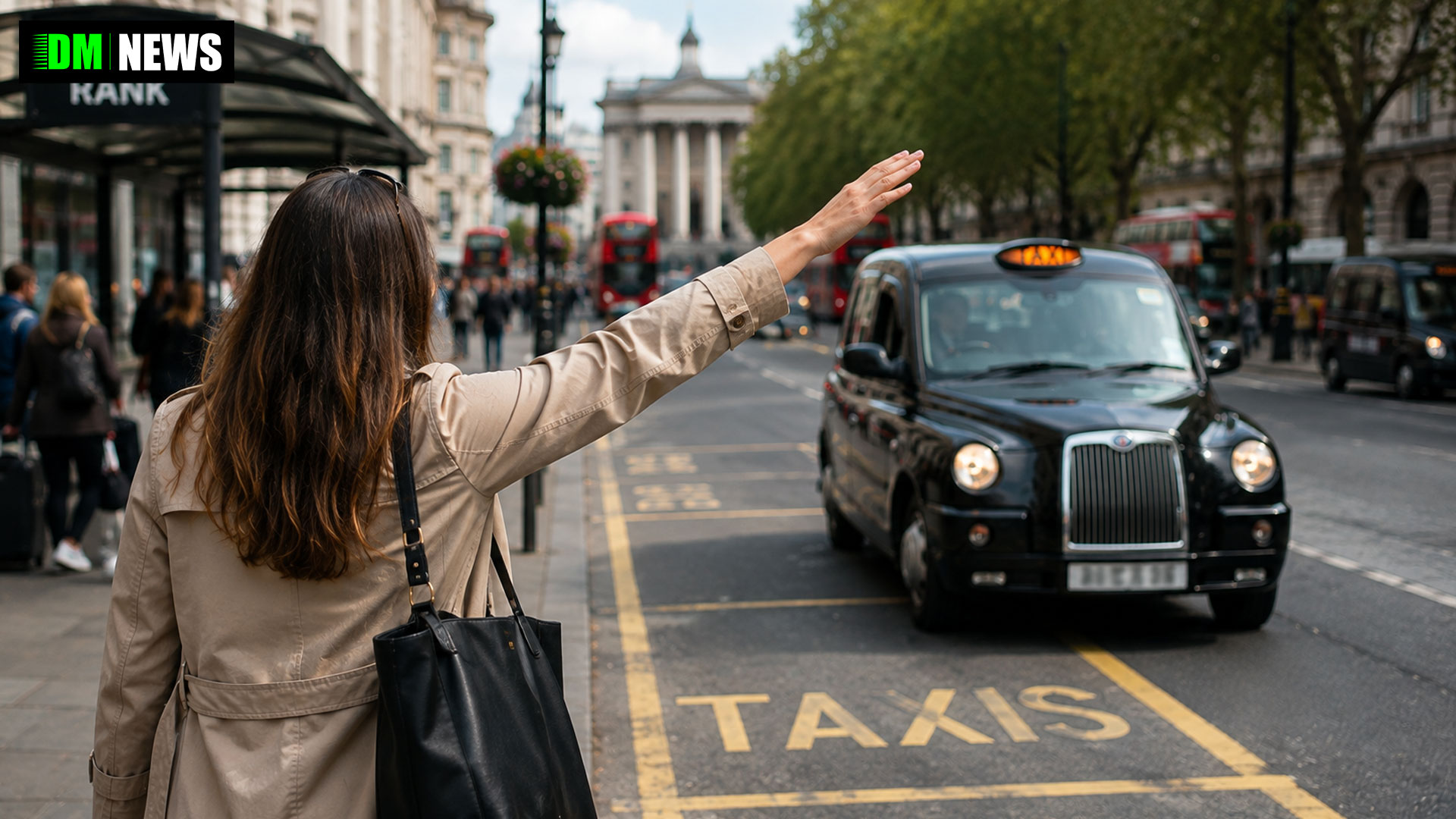
Nearly six in ten of London’s licensed taxi drivers are now aged 56 or older, according to fresh licensing data that has sharpened long-standing fears about who will replace the capital’s ageing black cab workforce.
Transport for London’s January 2026 licensing records show 16,172 licensed taxi drivers in the capital, of whom 9,568 — 59.2% — are aged 56 or above. More than 5,800 are already 61 or older, and the largest single age bracket, 56 to 60, accounts for 3,729 drivers on its own. At the other end of the scale, just 64 drivers are aged between 21 and 30, representing only 0.4% of the total, while only 6.4% are 40 or under.
The picture looks markedly different in private hire. TfL recorded 104,776 PHV drivers in January 2026, of whom 30.1% were 40 or under and 5.6% were in the 21 to 30 bracket. Around 19.9% of PHV drivers are 56 or older, less than a third of the equivalent figure for taxis.

Nationally, Department for Transport figures show England had 417,300 taxi and PHV driver licences at 1 April 2026, up 9% on 2024 — but that overall growth masks a split market. Taxi-only licences fell 11% over the same period to around 30,400, while PHV-only licences rose 13% to 296,800. The licensed taxi fleet itself shrank by 7% to 52,300 vehicles, even as the PHV fleet grew 13% to 290,000.
The imbalance matters beyond simple driver numbers. Taxis can be hailed on the street or picked up from ranks, and the DfT says 54% of England’s taxis are wheelchair accessible, compared with just 2% of PHVs — meaning a shrinking taxi fleet carries knock-on consequences for rank availability, accessible transport and late-night coverage for passengers who can’t or won’t use app-based booking.
Cost remains the biggest barrier to new entrants. Beyond application, DBS and medical fees, a new taxi driver typically needs either a significant deposit to buy a vehicle outright or around £400 a week to rent one, on top of insurance that tends to run higher for younger, less experienced drivers. In London, TfL says mastering the Knowledge typically takes three to four years, with licensing charges including a £138 application fee, £205 grant fee, £225 written exam fee and a £425 appearance charge before DBS, medical and driving-test costs are even factored in.
For operators and fleet owners, the message from this data is clear: recruitment and retention of younger drivers isn’t just a long-term concern anymore, it’s a live capacity issue for the trade over the next five years.
Running a taxi or private hire business? DM Taxi Assistant helps you take bookings, manage jobs and dispatch drivers, all from one simple system.
Thanks for visiting DM News! If you’ve got a question, a story tip, or anything you’d like to share, head over to DriverMatty.com — I love to hear from you. While you’re there, don’t forget to check out my other websites and social media channels.
Sources: