Electric vehicle demand is accelerating across Europe, with new figures showing EVs taking a growing share of new car sales while Renault reports a dramatic increase in electric orders from UK customers.
Data published on Monday 24 August shows electric vehicle registrations across 16 major European markets increased by 13% year-on-year during July.
Those markets represent more than 90% of car sales across the European Union and European Free Trade Association, making the figures a useful indication of the direction of the wider European car market.
Electric vehicles accounted for 25.7% of all new cars registered across the 16 markets during July.
The shift is particularly noticeable at Renault in the UK.
Two years ago, electric vehicles represented around 10% of Renault’s UK sales. In July 2026, more than half of the manufacturer’s UK orders were electric.
The Renault 5 also became Britain’s best-selling electric car during July, highlighting growing demand for smaller and more affordable EVs rather than electric vehicles being concentrated solely at the premium end of the market.
Renault is preparing to expand its affordable electric range further. The electric Twingo is expected to arrive later this year with a starting price below £20,000 before any potential UK Government support.
Across the European Union as a whole, EV sales increased by 40.5% during the first six months of 2026 compared with the same period last year. More than 1.2 million electric cars were sold, accounting for 20.7% of new-car sales.
Higher fuel prices appear to be one factor encouraging motorists to consider switching.
Research conducted by online car marketplace Carwow in late July found 62% of 1,000 respondents believed switching to an electric vehicle was the best long-term response to persistently high fuel costs.
The trend could be particularly significant for taxi and private hire drivers, where fuel is one of the largest operating expenses.
High-mileage drivers potentially have more to gain from lower electric running costs than typical private motorists, although the economics vary considerably depending on whether a vehicle can be charged cheaply at home or has to rely heavily on more expensive public rapid charging.
Purchase price, usable range, charging speed, insurance and expected annual mileage also remain important considerations when choosing an EV for professional driving.
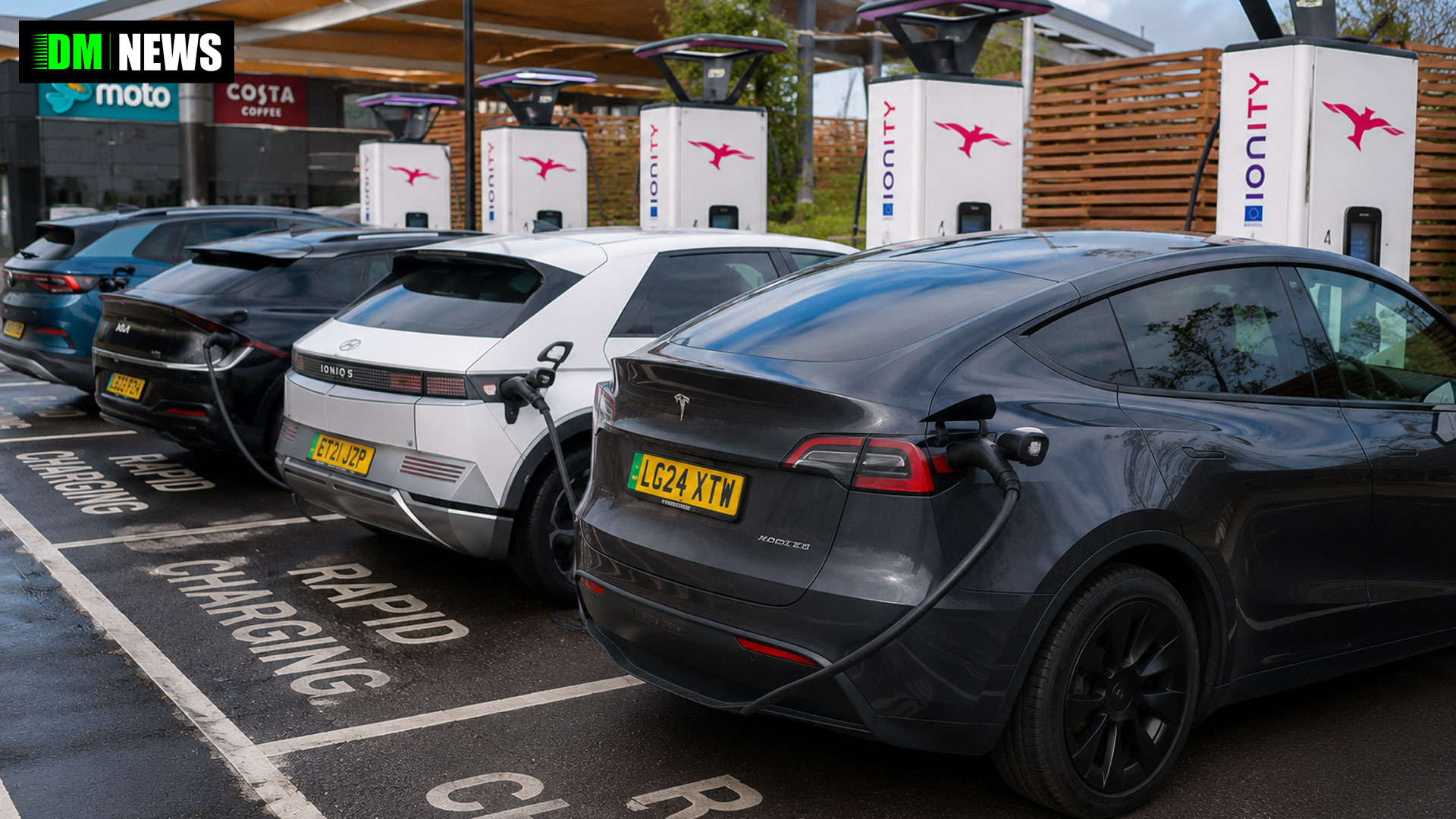
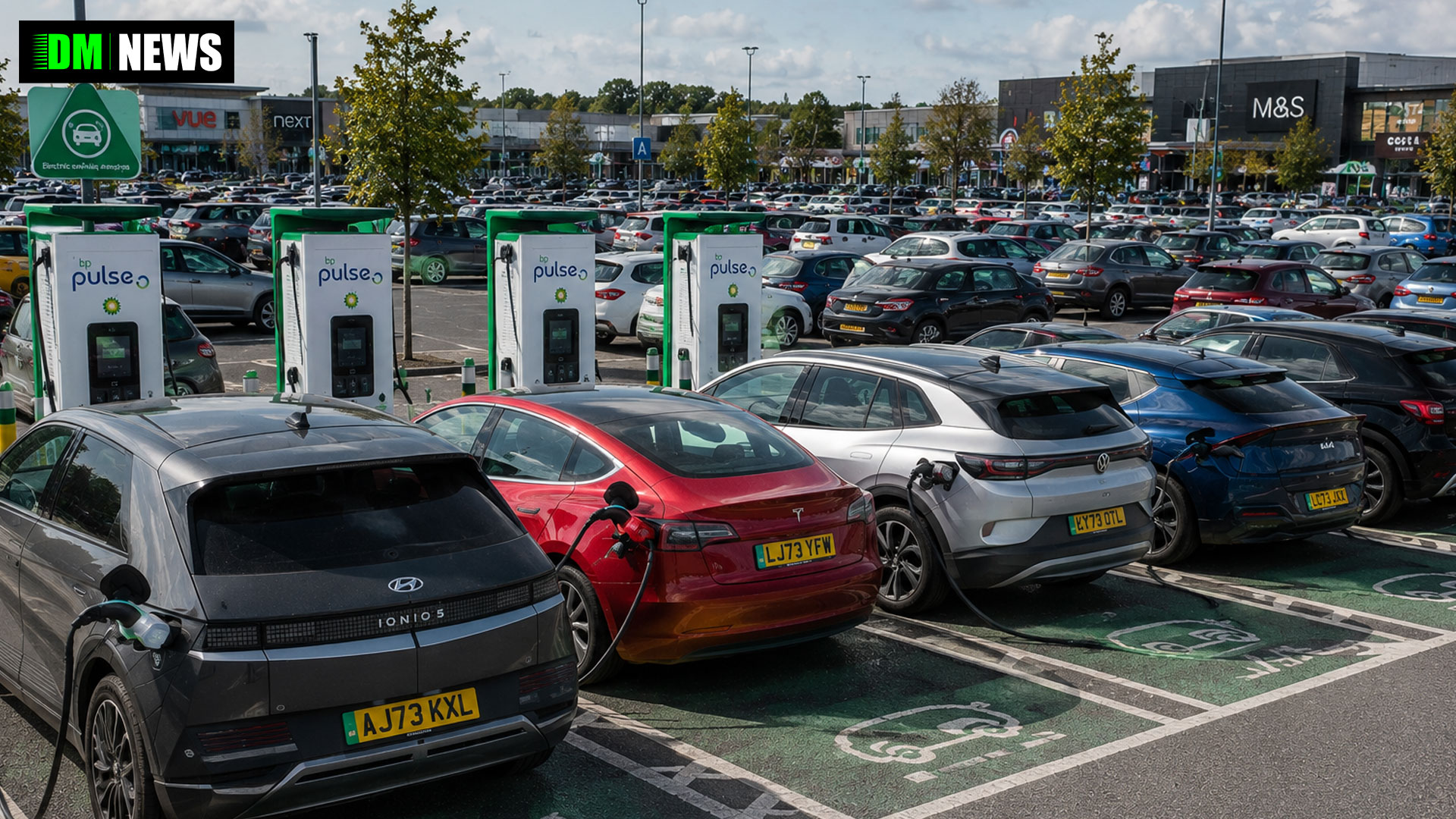
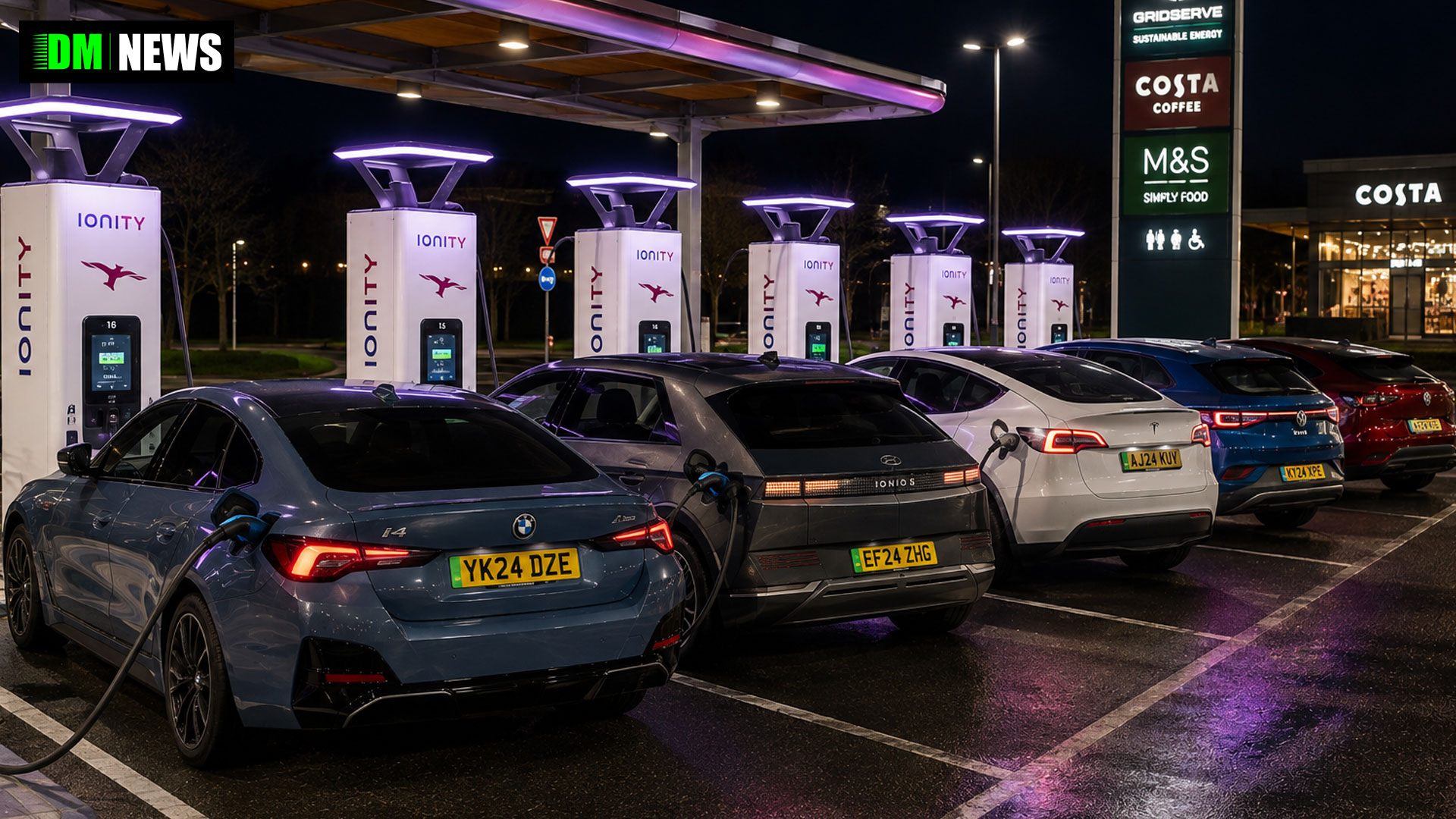
Despite increasing sales, charging infrastructure continues to be one of the biggest barriers to wider adoption.
Drivers living in flats or properties without off-street parking can find it considerably more difficult to access cheap overnight charging, potentially reducing the financial advantage of switching from petrol or diesel.
For professional drivers, that means the headline purchase price and advertised range are only part of the calculation. The cost and availability of charging during a working week can have a substantial effect on the true cost per mile.
Nevertheless, the latest figures suggest electric cars are continuing their move into the mainstream European market, helped by a combination of higher fuel costs, Government incentives and a growing selection of more affordable models.
Thanks for visiting DM News! If you’ve got a question, a story tip, or anything you’d like to share, head over to DriverMatty.com — I love to hear from you. While you’re there, don’t forget to check out my other websites and social media channels.
Sources
Reuters — High Oil Prices, Subsidies and Affordable Models Rev Up European EV Sales