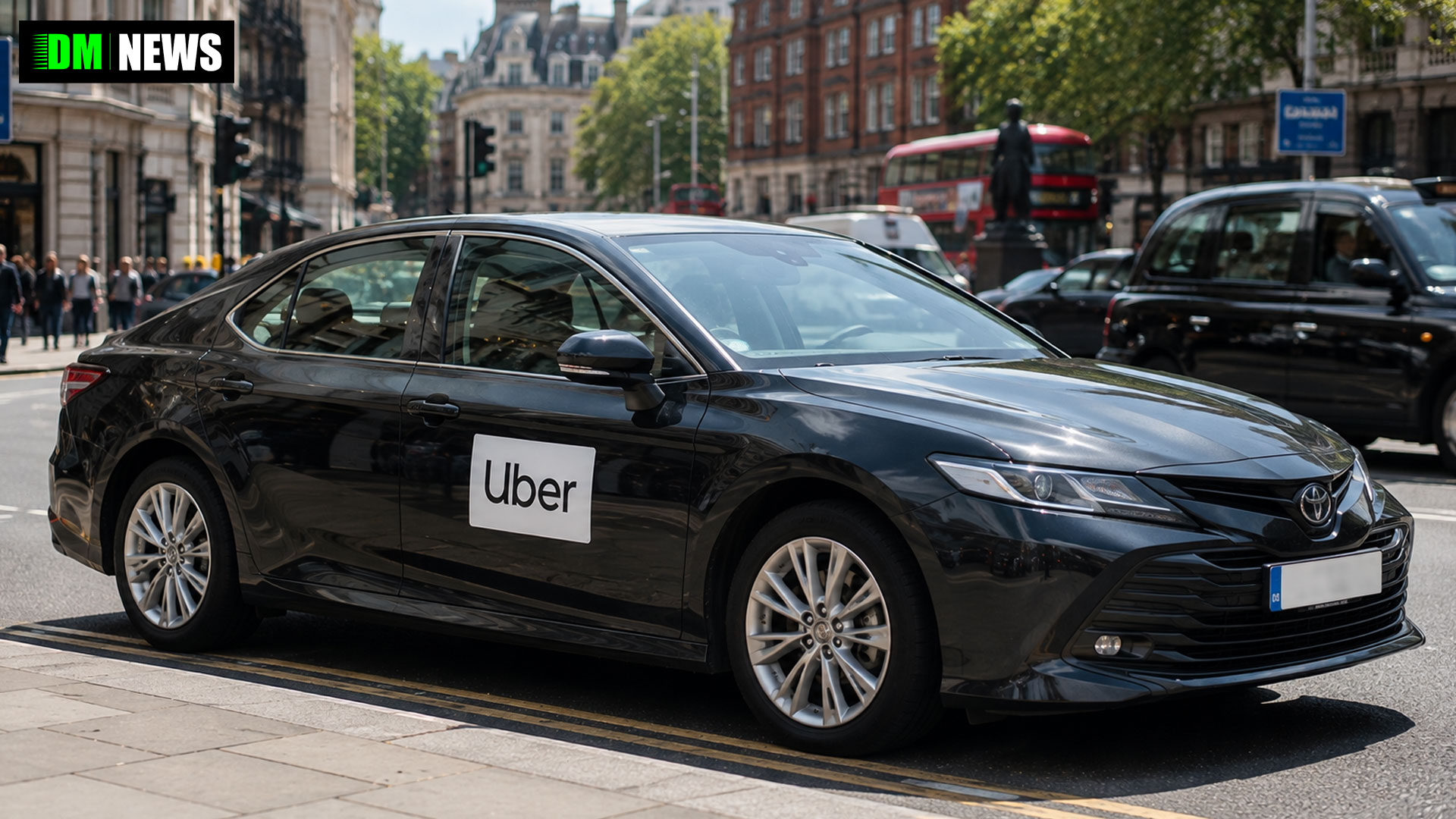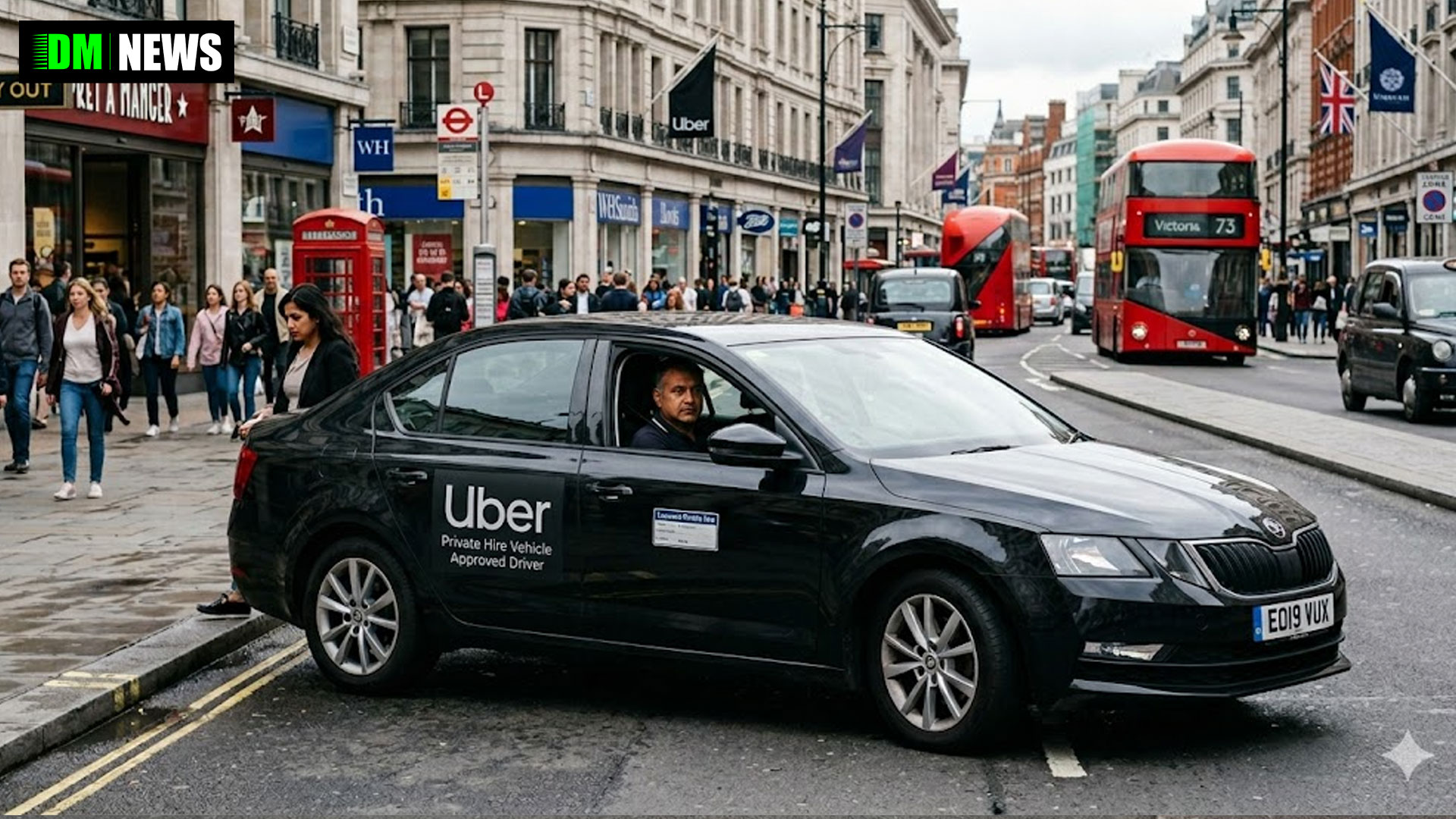
If you’re driving for Uber or working private hire locally, the vehicle you choose could be the difference between a profitable week and a wasted one — and it’s not about how much you earn, but how much you keep.
That’s the core message from DriverMatty’s latest YouTube video, which breaks down exactly why the wrong car choice can quietly eat into a driver’s income, even when the jobs keep coming in.
It’s Not About Income, It’s About Expenses
With Uber rates sitting close to £1 a mile, the video makes the point that two drivers can bring in wildly different profits despite similar workloads. One driver might turn over £2,000 a week but face £1,000 in running costs, leaving just £1,000 in their pocket. Another might do half the work for £1,000 a week, but with minimal expenses, they could end up keeping more of it.
The video is blunt about the temptation to chase bigger, flashier vehicles for higher-paying Uber tiers — a Mercedes E-Class for Exec work, or a large minibus for XL jobs — without factoring in what those vehicles cost to run, service and maintain. A V-Class was singled out as an example of a vehicle whose running costs are hard to justify unless the driver’s workload genuinely demands it.
Two Extremes to Avoid
According to the video, drivers tend to fall into one of two traps. The first is buying an old, cheap car — sometimes for as little as £1,500 — that comes with high fuel costs and a higher risk of mechanical problems. If that car is doing 20p a mile in diesel against a pound-a-mile fare, a large chunk of the profit disappears before the driver even notices.
The second trap is the opposite: taking on a big finance deal for a nearly new electric vehicle to chase ultra-low running costs, without considering whether the monthly payments actually make sense for the work being done.
The advice is to sit somewhere in the middle — ideally with a finance budget of £10,000 to £15,000, which should still secure a reliable, fairly recent secondhand car without the reliability risks that come with older, higher-mileage vehicles.
Electric If You Can, Hybrid If You Can’t
For drivers with off-street parking and the ability to charge at home, the video recommends going fully electric, citing running costs as low as 2p a mile. For those without home charging — flat-dwellers or drivers without a driveway — a good hybrid is presented as the sensible middle ground.
A few specific examples were used to illustrate the point, all found within the £10,000–£15,000 range on Autotrader:
- A 2020 Jaguar I-Pace, priced around £12,000–£12,500, with roughly 47,000 miles
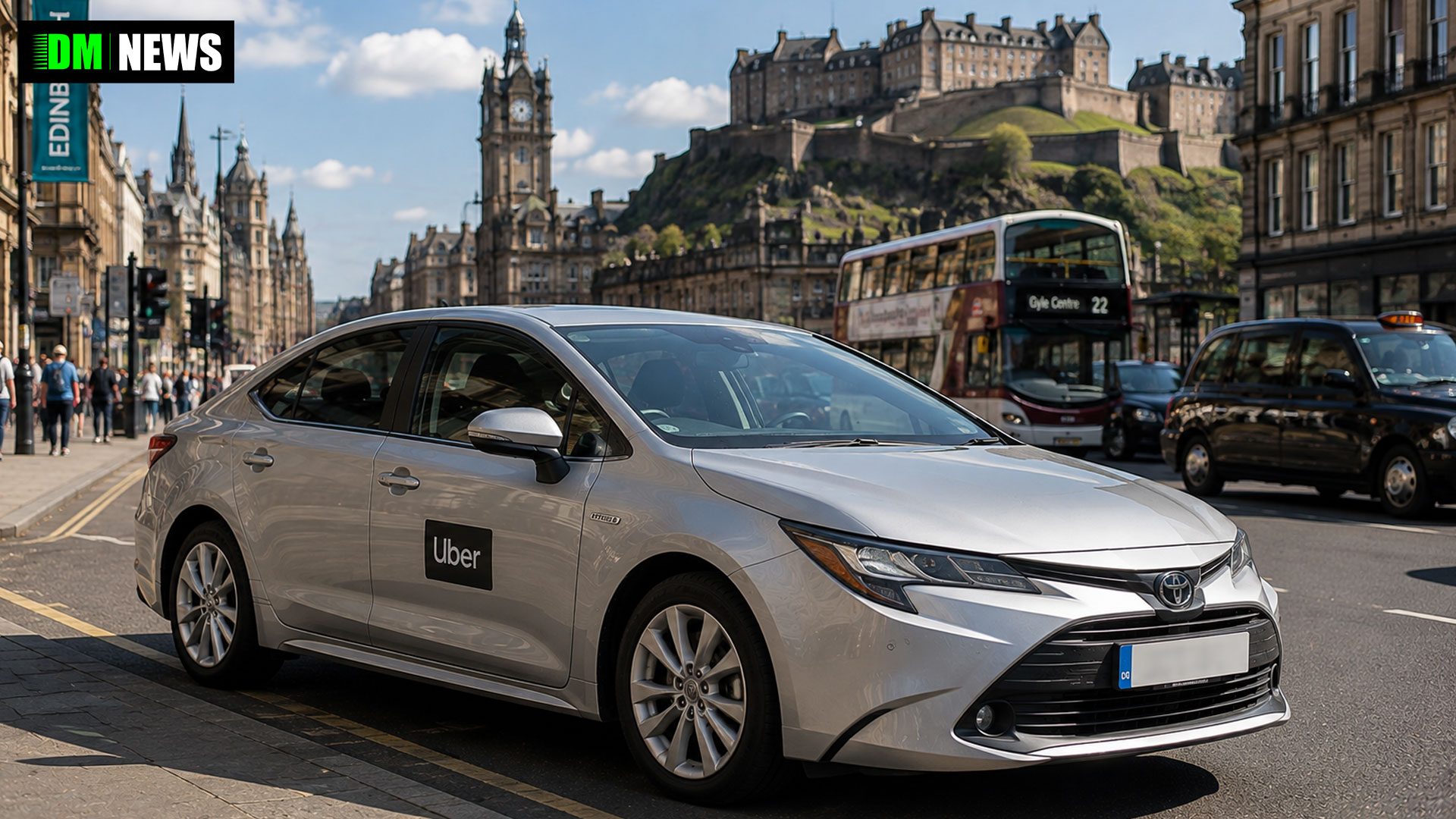
- A Toyota Corolla, praised as one of the best all-round Uber cars thanks to around 70mpg and a decent boot, despite its smaller size
- A Hyundai Ioniq 5, priced around £14,000, described as closer to an SUV in size despite its hatchback-style appearance
- A larger option for drivers doing Uber XL, offering six-passenger capacity and mid-range fuel economy of around 50mpg, where council licensing rules permit it
The Bottom Line for 2026
The overarching advice for full-time Uber and private hire drivers is to avoid both extremes — don’t go too cheap, because running costs will likely claw back any savings, and don’t overstretch on finance for a vehicle whose low running costs don’t offset a hefty monthly payment.
Other hybrids mentioned as solid options included the Toyota Prius, Kia Niro, and various Hyundai hybrid models, while the MG5 was flagged as an increasingly common sight on taxi fleets, with used examples available in the same £10,000–£15,000 range.
Thanks for visiting DM News! If you’ve got a question, a story tip, or anything you’d like to share, head over to DriverMatty.com — I love to hear from you. While you’re there, don’t forget to check out my other websites and social media channels.