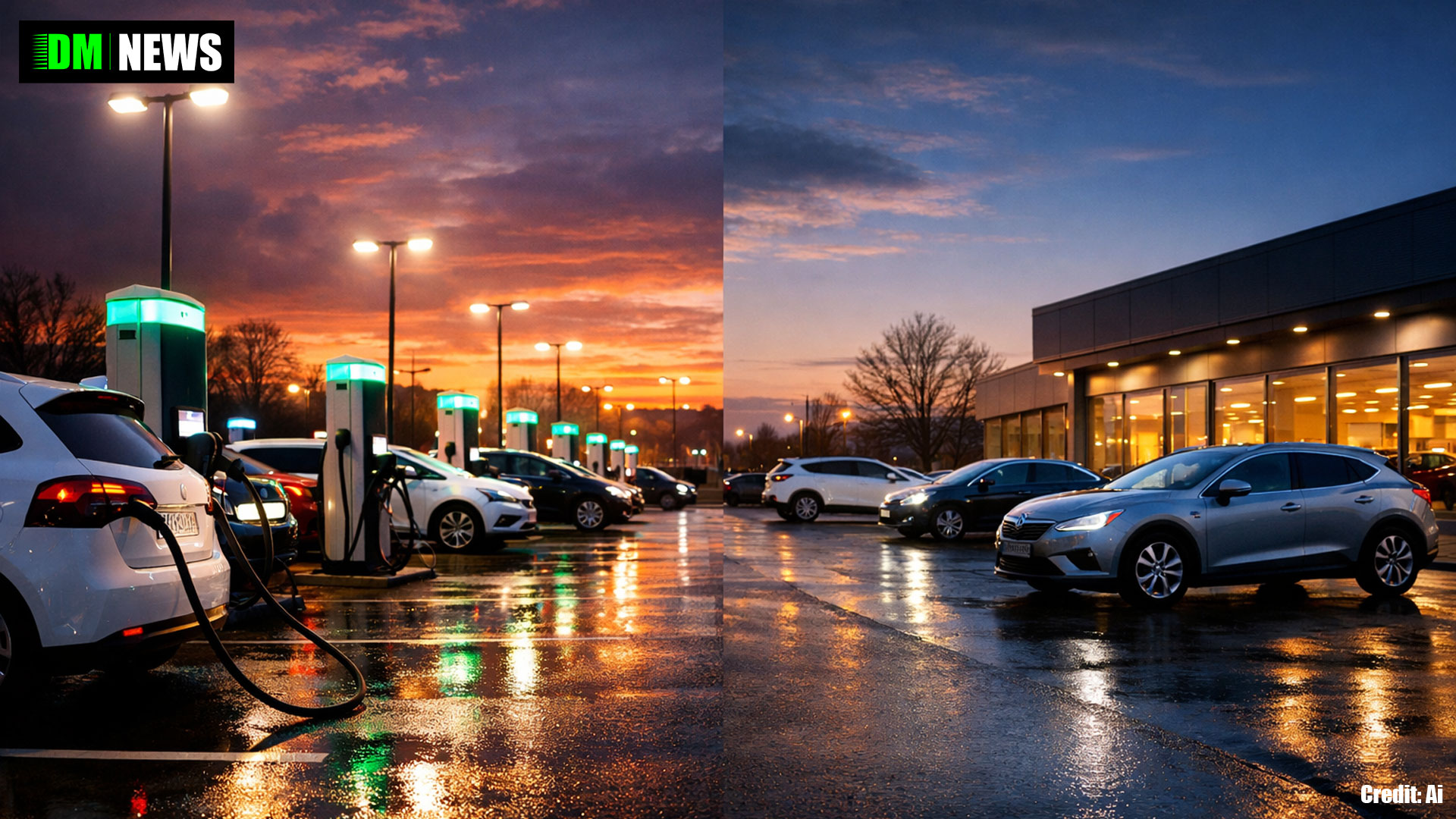
Global electric vehicle (EV) sales reached 1.2 million units in January 2026, marking a 3% year-on-year decline.
The report shows that while overall volumes remain high, growth has cooled compared to previous years. January’s 1.2 million unit total reflects a slight contraction compared to the same month in 2025.
Despite the drop, the headline figure highlights continued global demand for EVs, with over a million vehicles sold in a single month. The data comes at a time when the electric vehicle market has been navigating shifting tax structures, changing government incentives, and wider economic pressures.
The 3% decline suggests a slowdown rather than a sharp correction, with sales remaining at substantial levels globally.
Challenging backdrop for EV adoption
The January figures arrive following a period of adjustment in several markets. Changes to taxation policies, subsidy schemes and financial conditions have created a more complex environment for both private buyers and fleet operators.
Even so, sales reaching 1.2 million units indicate that EV adoption continues at scale. While growth momentum appears to have softened, the figures do not point to a dramatic collapse in demand.
According to Benchmark Mineral Intelligence, January’s results reflect a modest dip rather than a severe downturn.

DM News Commentary
A 3% drop on paper sounds negative — but when you look at the wider picture, it’s arguably a sign of resilience.
The EV market has faced tax changes, incentive reductions and broader economic uncertainty. In that context, a single-digit percentage decline suggests demand hasn’t fallen off a cliff.
Key Pressures Facing EV Drivers
- Vehicle Excise Duty (VED) introduced – From April 2025, EVs are no longer road tax exempt.
- Expensive Car Supplement applies above £50,000 – EVs over £50k now face the luxury car supplement for five years.
- Plug-in Car Grant scrapped – No upfront government support for new EV purchases.
- Public charging VAT at 20% – Higher than 5% home electricity VAT.
- Potential future pay-per-mile road pricing – Ongoing discussions about replacing fuel duty revenue.
- Insurance and repair costs rising – Higher parts and battery repair expenses impacting premiums.
For taxi and private hire drivers, EV decisions are increasingly about total running costs rather than headlines. Purchase price, charging infrastructure, downtime and tax treatment all influence whether switching makes sense.
If sales have only slipped 3% during a period of policy shifts and financial pressure, it suggests the EV transition is still moving forward — just at a steadier pace than during peak growth years.
Thanks for visiting DM News! If you’ve got a question, story, or anything you’d like to say, head over to DriverMatty.com — I’d love to hear from you! And while you’re there, don’t forget to check out my other websites and social media channels.