
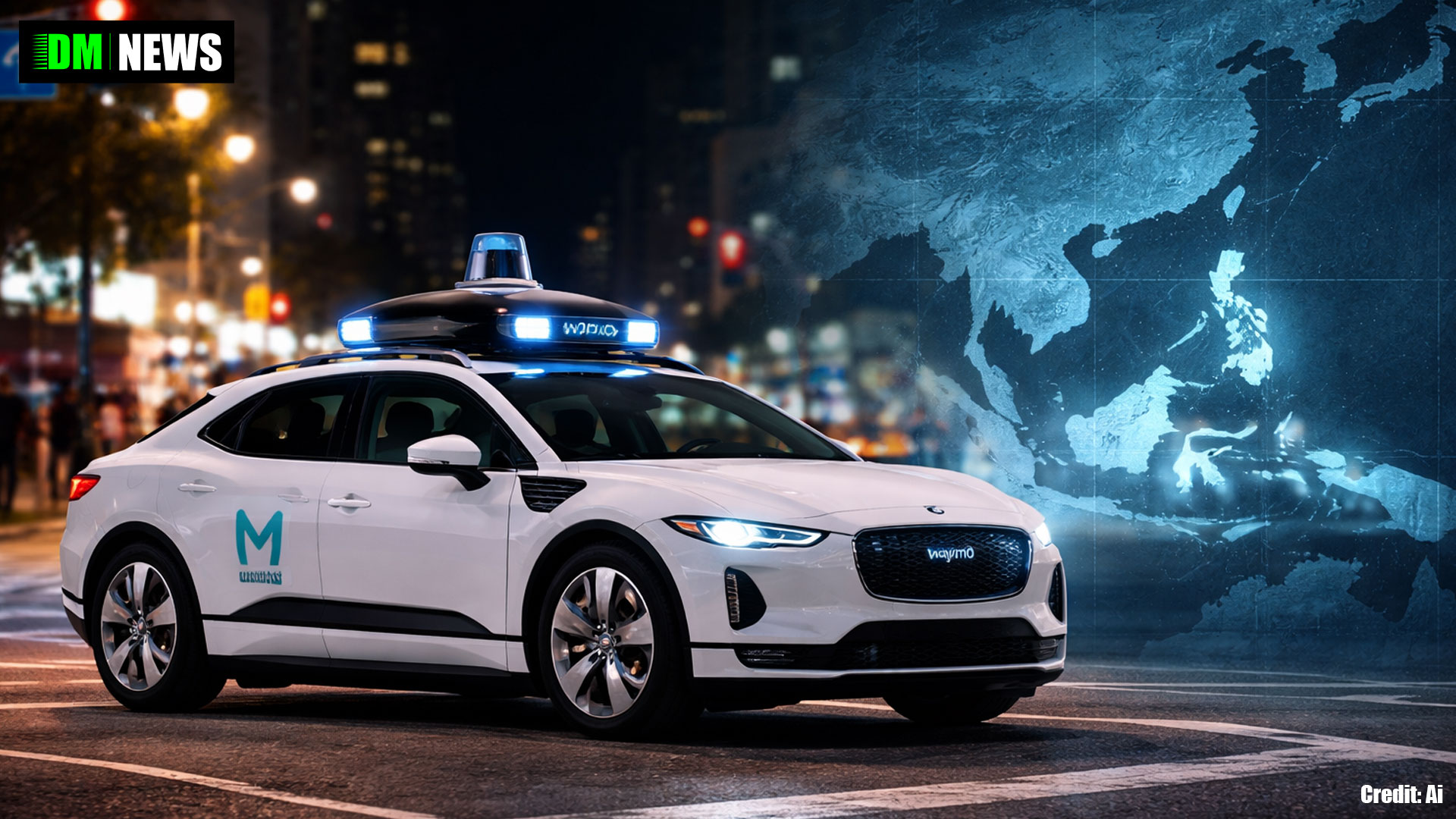
A viral TikTok video has reignited controversy around Waymo after claims that some of the human operators supporting its driverless taxis are based outside the United States.
In the video, shared on TikTok, it is explained that although Waymo vehicles operate without a driver in the car, they are still supported by human operators who can assist when the autonomous system encounters complex or unusual situations. These can include navigation challenges, roadworks, emergency scenarios, or unexpected hazards.
According to the person speaking off camera, it has now been confirmed that while some of these operators are based in the USA, others are located overseas. The speaker describes this as “shocking,” particularly given that these roles involve safety-critical decisions that may need to be made instantly.
The video references comments attributed to Dr Pena, who reportedly confirmed that some remote operators are based in the Philippines.

Concerns raised in the clip include the possibility of delays in receiving live vehicle data, potential cybersecurity risks, and questions over whether overseas operators hold US driving licences or have first-hand familiarity with American road layouts and traffic laws. The speaker also criticises the wider implications for jobs, arguing that while taxis were disrupted by Uber and Lyft within the same country, outsourcing remaining human roles overseas takes job displacement to another level.
Waymo has previously stated that remote assistance plays a limited role and that vehicles remain autonomous, but the company has not publicly detailed how overseas teams are integrated into live operations beyond general safety assurances.
DM Commentary
This is exactly the kind of revelation that will alarm drivers, passengers, and regulators alike.
From a taxi and private-hire standpoint, safety intervention roles should be as close to the road as possible — geographically, legally, and culturally. If a driverless vehicle encounters a dangerous situation on US roads, people will expect any human involvement to be immediate, accountable, and operating under the same standards as everyone else on that road.
There’s also a bigger issue here around jobs. Drivers are repeatedly told automation will “create new roles,” yet hearing that some of those roles may be sent overseas completely undermines that argument. Replacing local taxi jobs with technology is one debate; exporting the remaining human jobs abroad is another entirely.
As autonomous vehicles expand, transparency is going to be critical. The public will want clear answers on who is watching these vehicles, where they are based, how quickly they can intervene, and who is responsible when something goes wrong.
Without that trust, the rollout of driverless taxis is only going to face more resistance — not less.
Thanks for visiting DM News! If you’ve got a question, a story tip, or anything you’d like to share, head over to DriverMatty.com — I’d love to hear from you.
While you’re there, don’t forget to check out my other websites and social media channels.