According to a report by Birmingham Mail, the UK Government is considering changes that could allow electric vehicle drivers without private driveways to charge at home using domestic electricity, potentially reducing running costs to around 2p per mile.
DM News Commentary
While the headline figure has sparked plenty of debate online, it’s important to clarify what’s actually being discussed. This is not a new pay-per-mile tax or road-charging scheme. The widely quoted 2p-per-mile figure refers to the estimated cost of electricity per mile when charging an EV at home on a standard or off-peak domestic tariff.

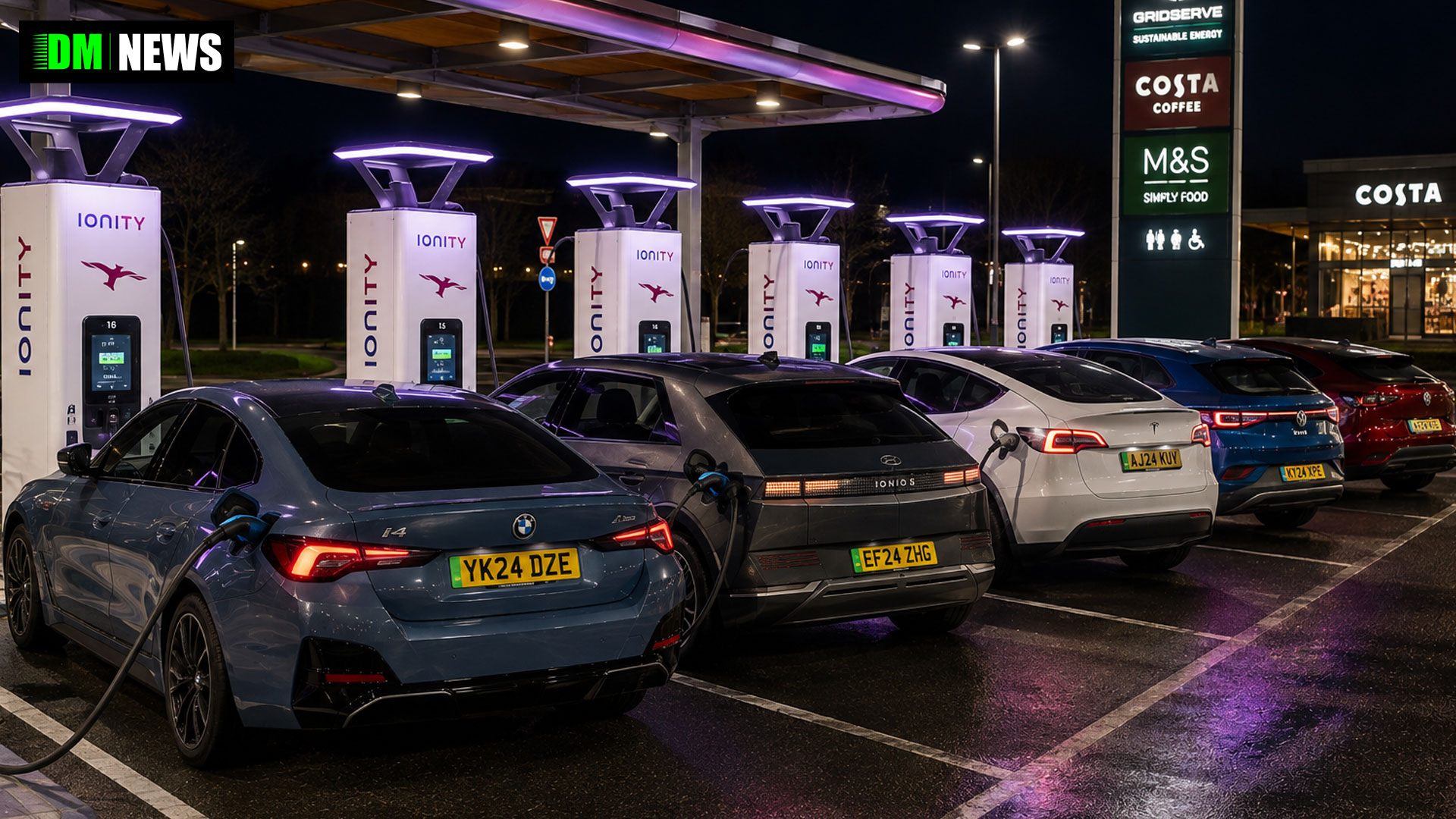
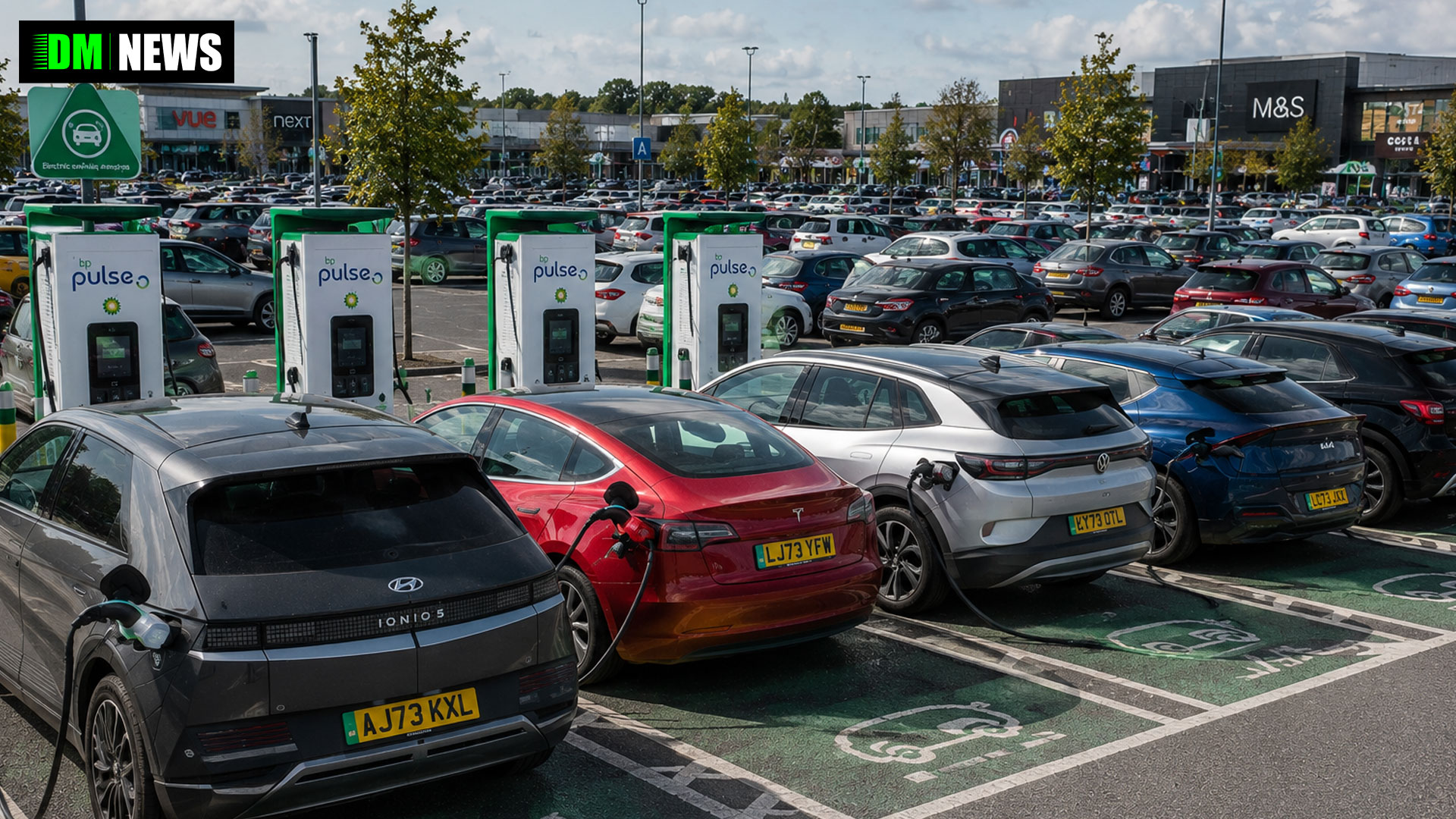
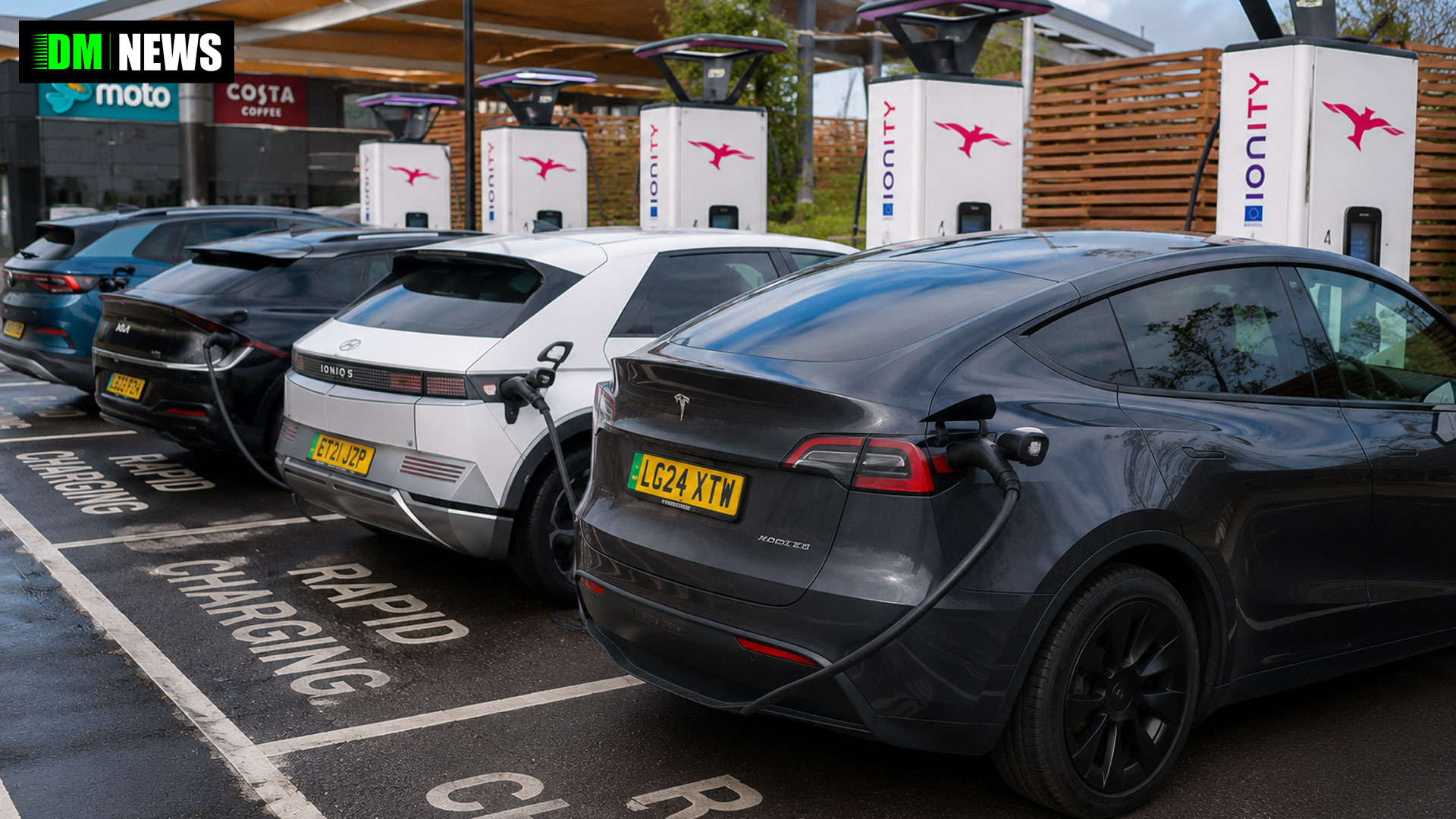
The issue the Government is trying to address is a long-standing imbalance. Drivers with driveways can install home chargers and benefit from cheap overnight electricity, while those living in terraced housing, flats, or rented properties often rely on public chargers — where costs can be several times higher.
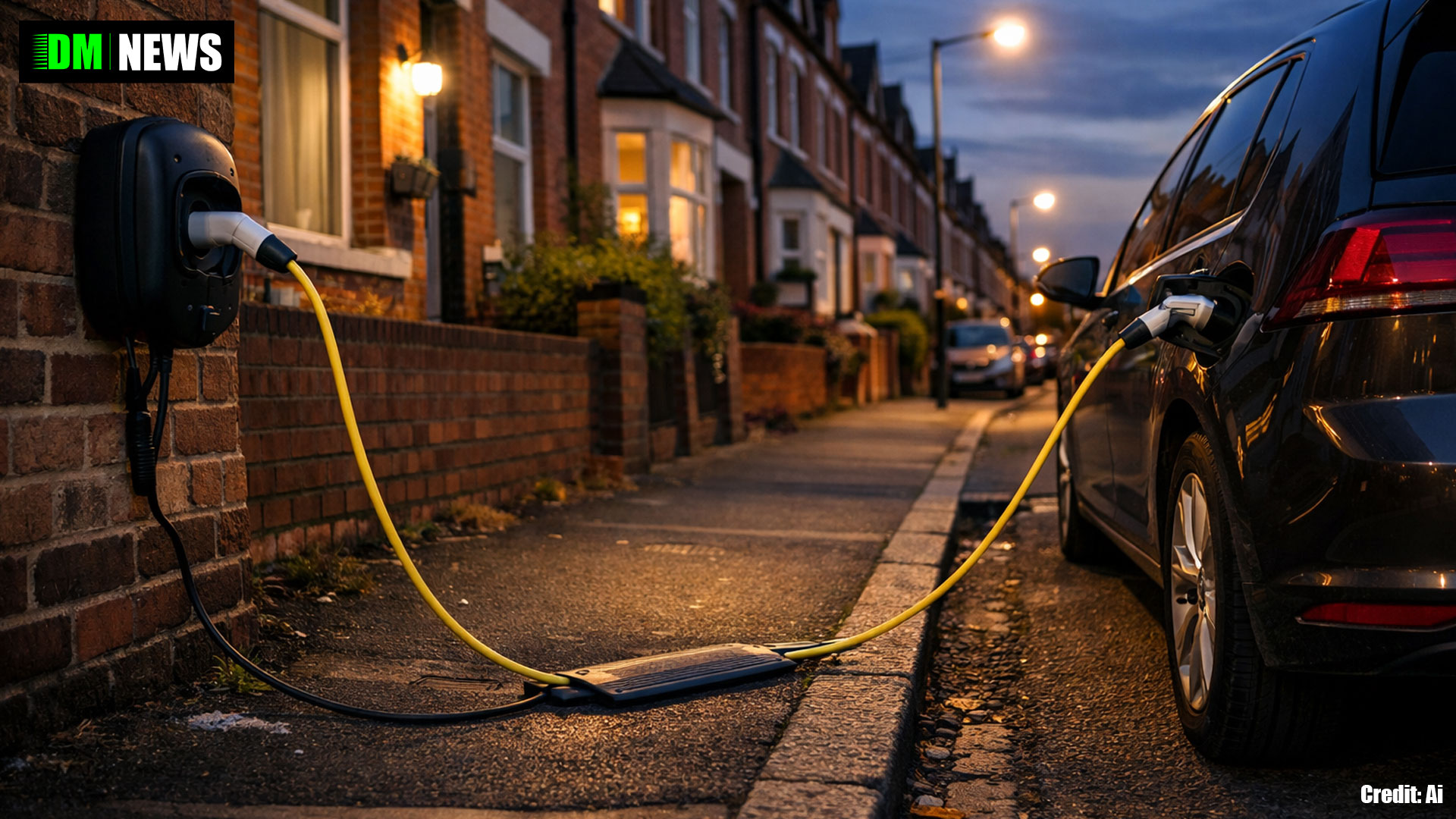
The proposals being explored would focus on cutting red tape around pavement-crossing chargers, making it easier for households with on-street parking to legally run a charging cable from their home to the vehicle. In many areas, current planning rules, council permissions, and legal costs make this either expensive or impossible.
For taxi and private hire drivers, this could be particularly significant. Many urban drivers live in streets without off-road parking and are being pushed towards EVs by local authority licensing rules. Without access to affordable charging, some drivers report that electric vehicles can actually be more expensive to run than diesel or hybrid alternatives.
If councils are given clearer national guidance — and residents are allowed to install safe, regulated pavement solutions — the gap between home charging and public charging costs could narrow considerably. That, in turn, would make EVs more viable for city-based drivers, renters, and the private hire trade.
However, the success of any scheme will depend heavily on local authority cooperation. Previous charging initiatives have shown that inconsistent council policies can undermine national plans. Until clear, uniform rules are in place, many drivers will remain cautious.
Thanks for visiting DM News! If you’ve got a question, story, or anything you’d like to say, head over to DriverMatty.com — I’d love to hear from you! And while you’re there, don’t forget to check out my other websites and social media channels.