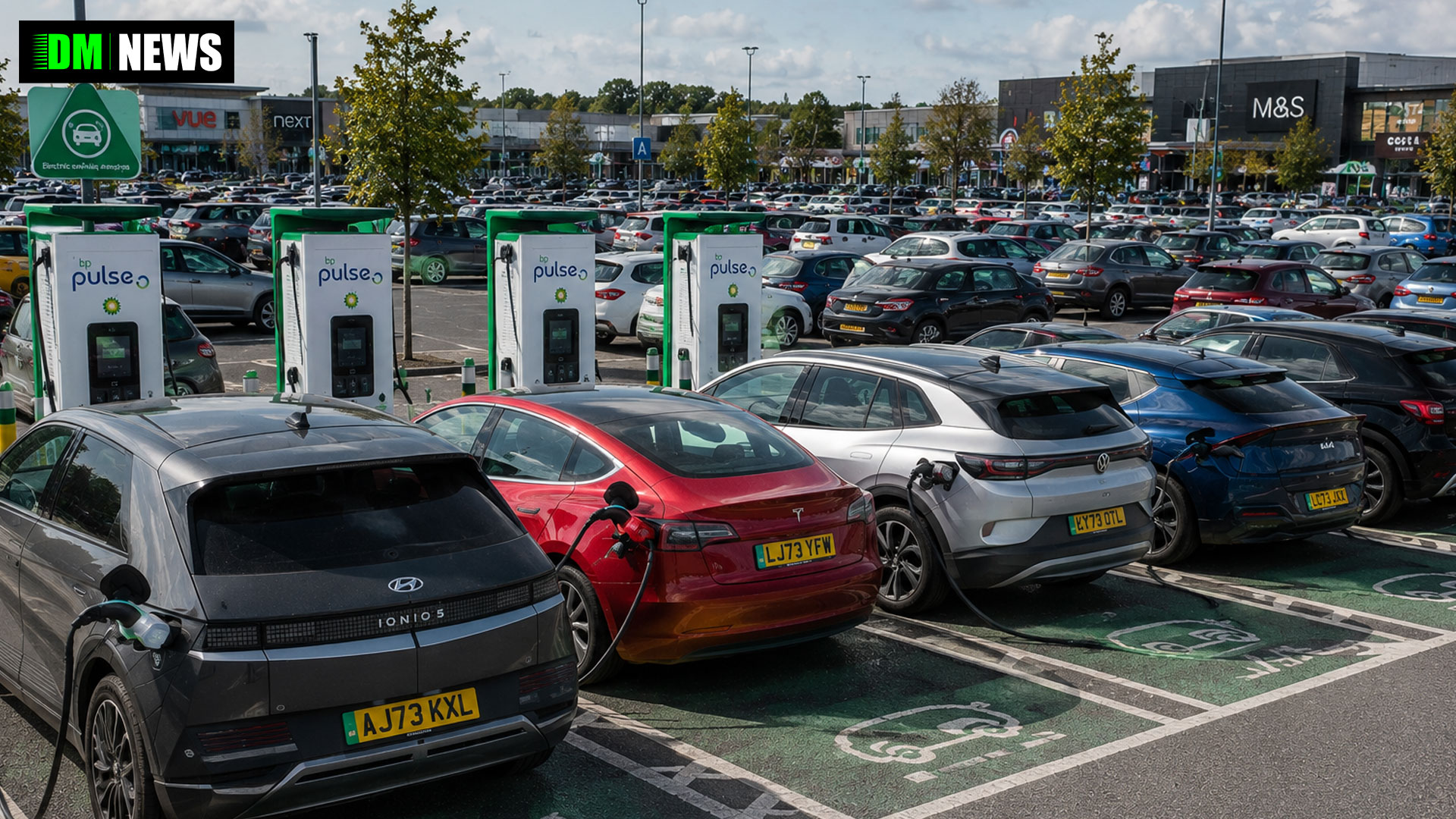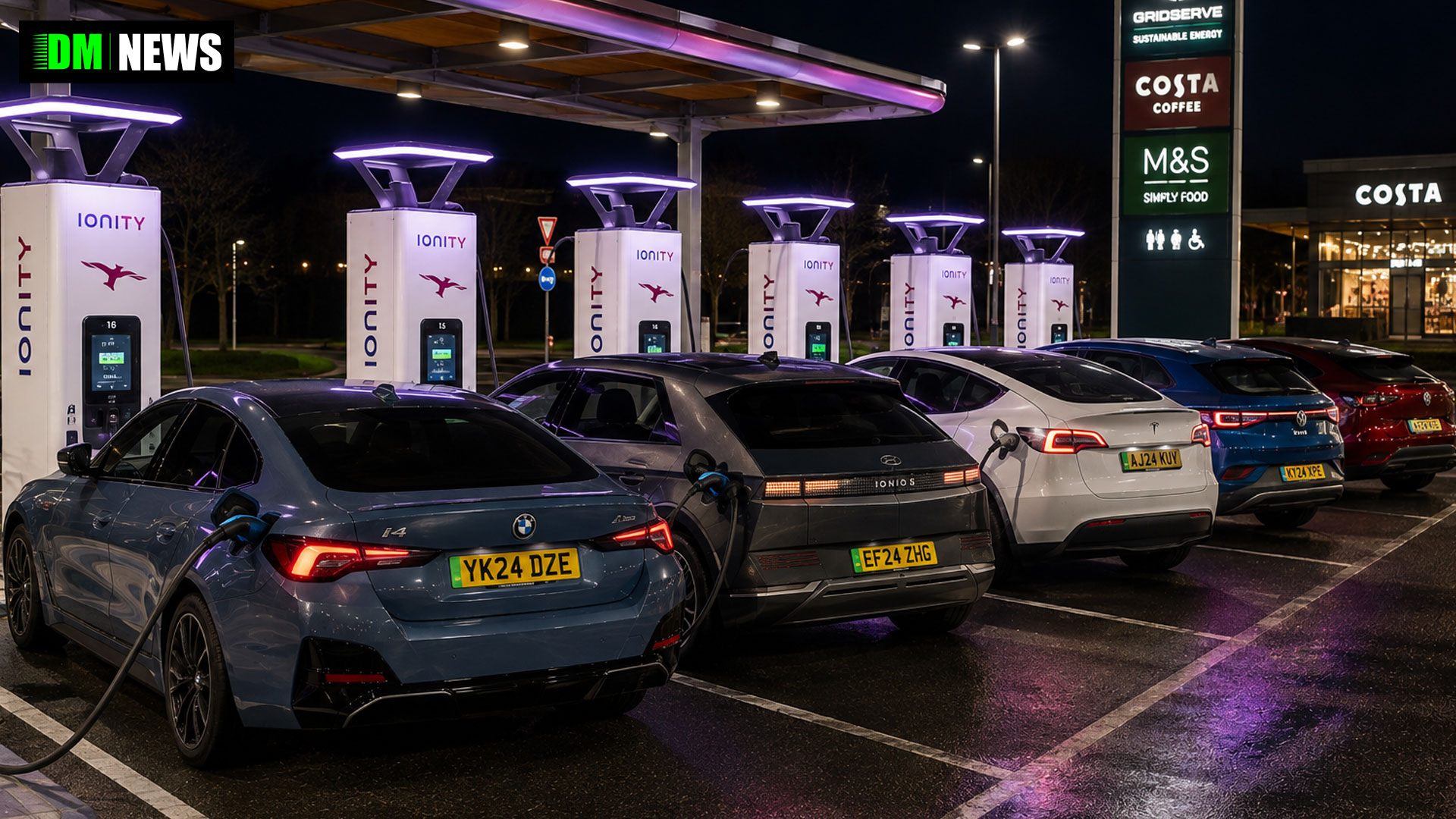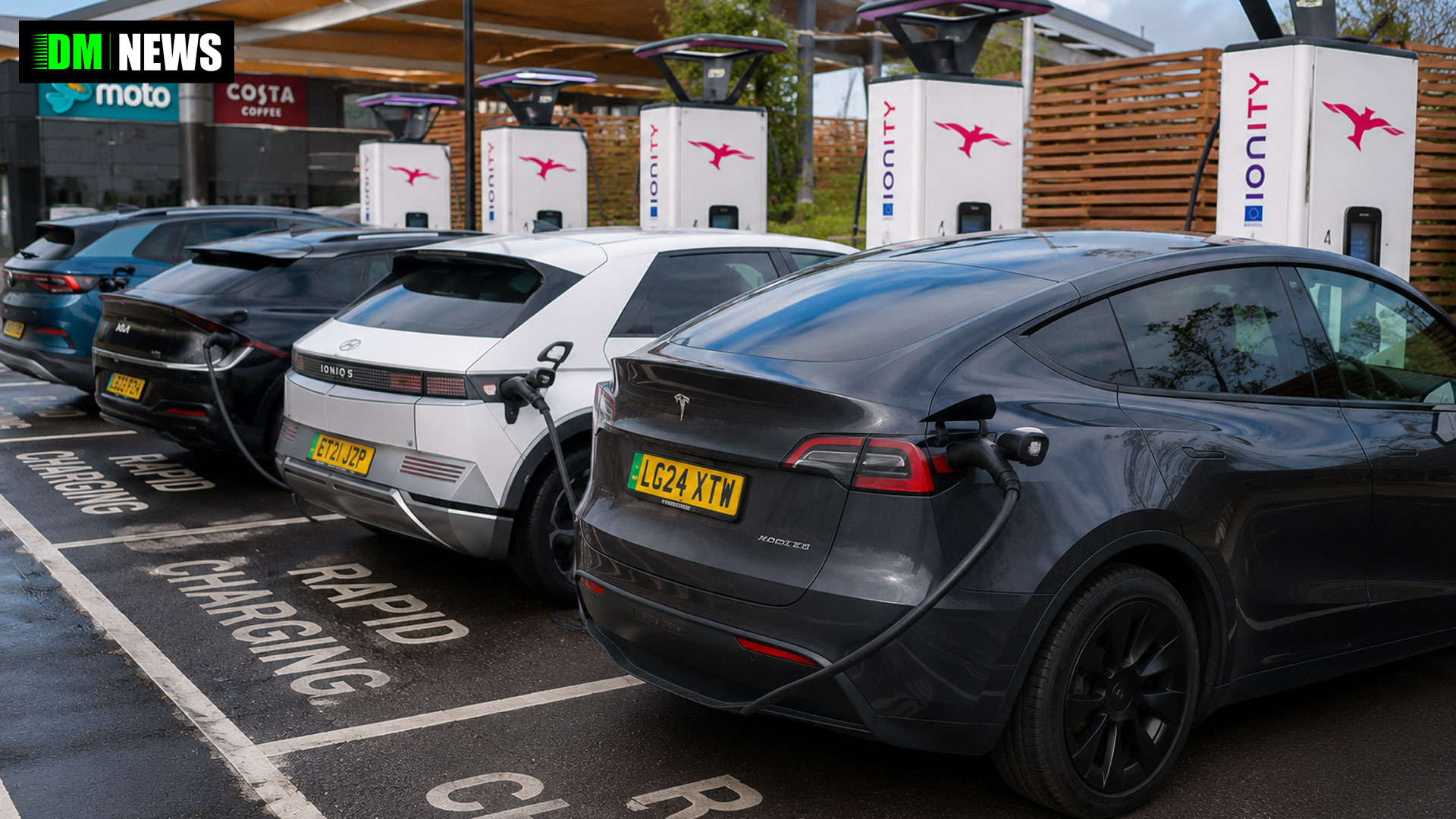
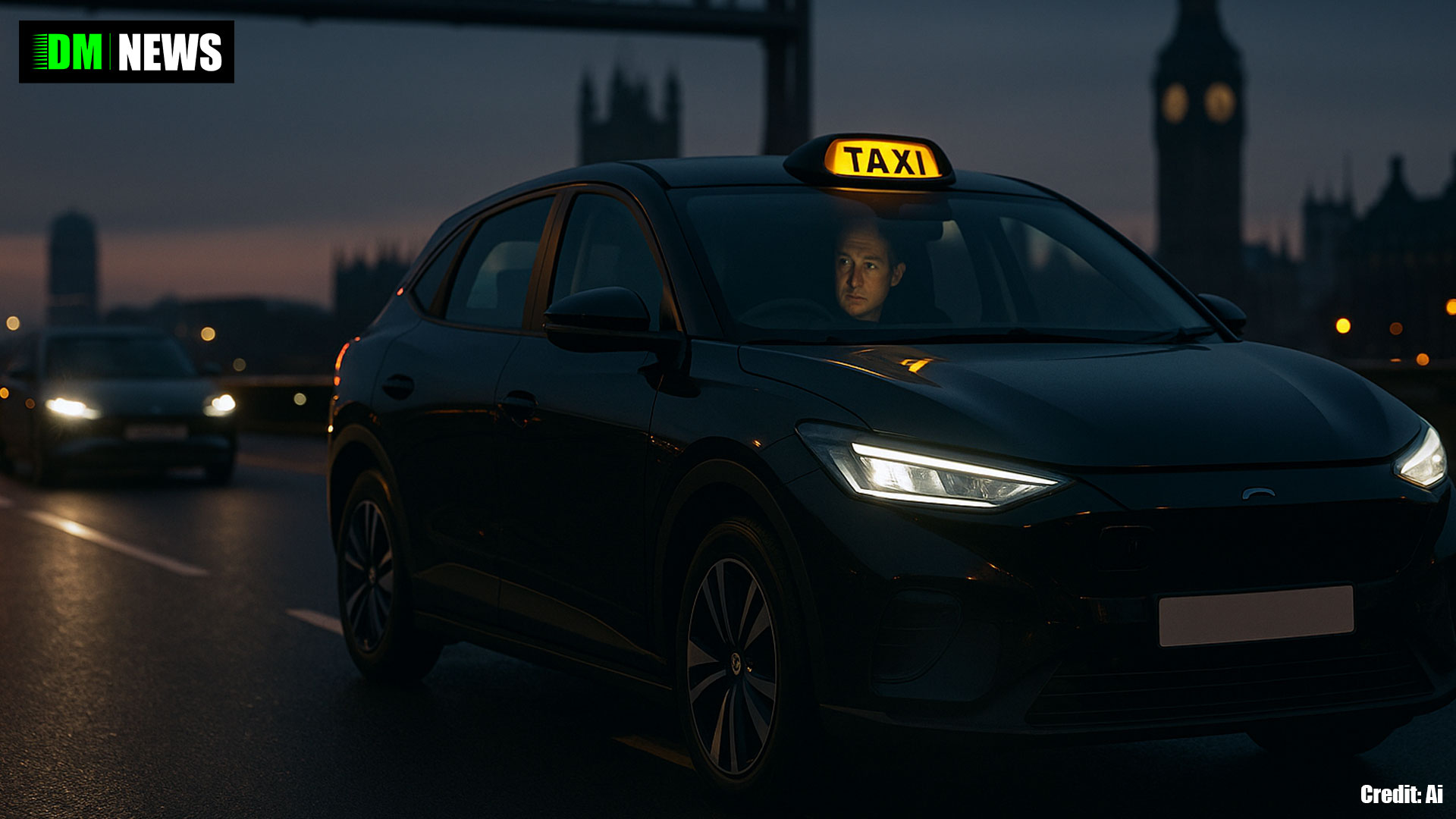
According to a report by GB News, Ford UK boss Lisa Brankin has urged Chancellor Rachel Reeves not to introduce a proposed pay-per-mile tax on electric vehicles. The outlet says the Treasury is considering a charge of around 3p per mile from 2028, aimed at replacing lost fuel-duty revenue as drivers switch to EVs.
DM News Commentary
For taxi, PHV and Uber drivers, this latest proposal feels like yet another example of the goalposts being moved.
Over the past few years, drivers were strongly encouraged — and in some areas effectively forced — to go electric. Councils pushed EV adoption through clean-air policies, stricter licensing rules, diesel surcharges and the promise of lower running costs. Drivers upgraded based on:
- Cheaper per-mile costs
- Zero road tax
- Access to clean-air zones without penalty
- Council incentives and reduced licence fees in some regions
- Manufacturers promising long-term savings and “future-proof” fleets
Yet in real-world terms, many of those benefits are either shrinking or disappearing altogether.

Road tax is coming back, public charging is getting more expensive, clean-air-zone rules keep shifting, insurance for EVs continues to rise — and now a pay-per-mile tax is being lined up.
For high-mileage drivers (20,000–40,000+ miles a year), EVs were sold as the smart long-term investment. But adding a per-mile tax flips that logic completely. Instead of rewarding cleaner vehicles, the Government risks making EVs more expensive to operate than hybrids or highly efficient diesels — particularly on long-distance airport jobs.
Drivers who followed the rules early now find themselves:
- Paying higher finance for an EV
- Paying more for tyres, insurance and repairs
- Seeing their “cheap to run” advantage vanish
- Facing a potential new tax based purely on the miles they drive to earn a living
The frustration is obvious. Many feel they did exactly what Government, councils and manufacturers asked — they invested thousands in cleaner fleets — and now the incentives that justified the cost are being dismantled one by one.
If a blunt 3p-per-mile charge goes ahead with no exemptions for professional drivers, the shift to electric taxis and private-hire vehicles will slow dramatically. Worse, some operators may return to diesel simply because it becomes cheaper and more predictable.
It’s hard to push a green transition while simultaneously removing the reasons people made the switch in the first place.
Thanks for visiting DM News! If you’ve got a question, story, or anything you’d like to say, head over to DriverMatty.com — I’d love to hear from you! And while you’re there, don’t forget to check out my other websites and social media channels.