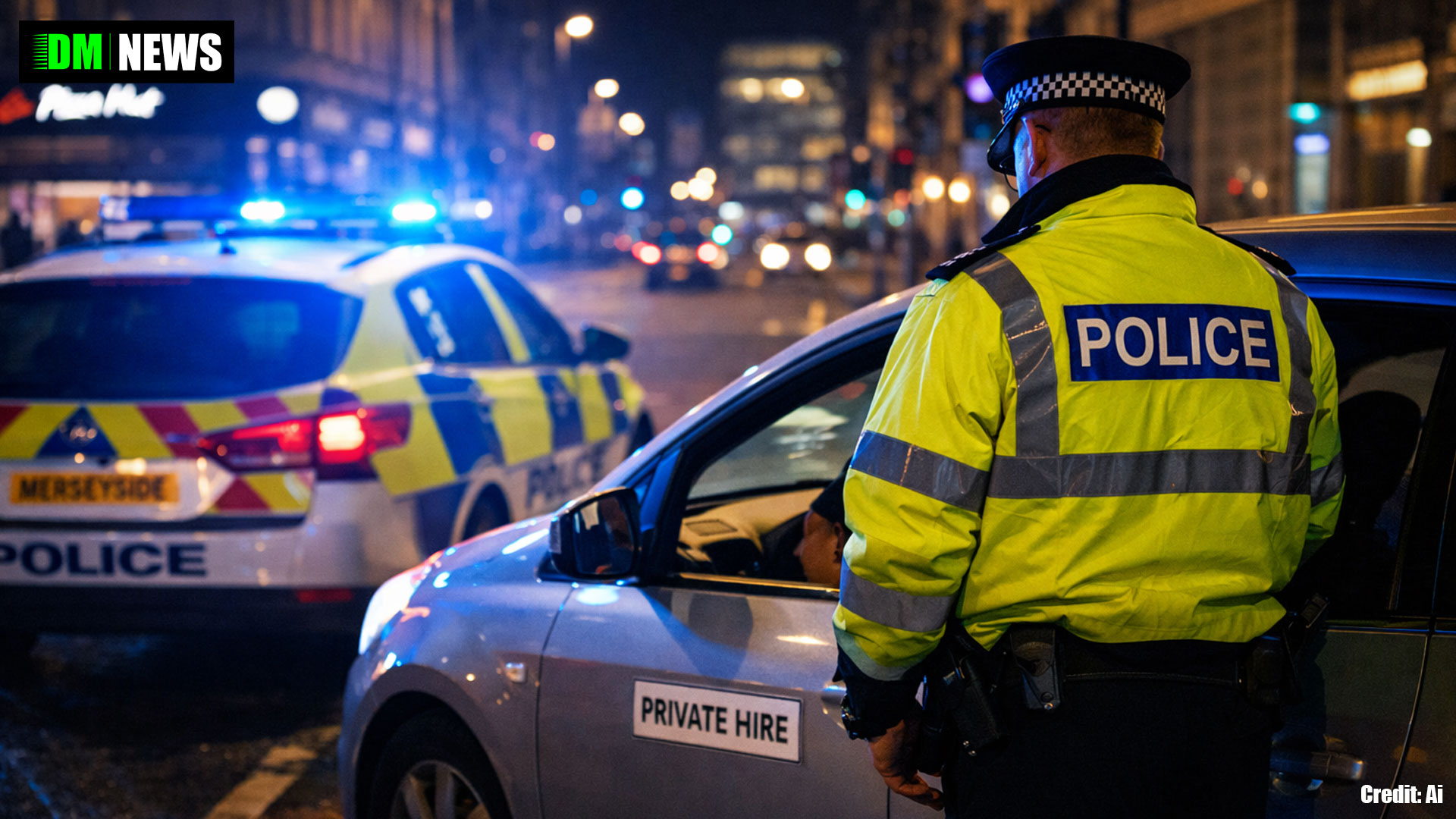

The Institute of Licensing (IoL) has urged Parliament to deliver urgent reform of the UK’s taxi and private hire vehicle (PHV) licensing system, warning that the current patchwork approach is failing both passengers and drivers.
The call comes as part of the IoL’s submission to the Transport Committee inquiry into taxi and PHV standards, which launched in July 2025. The inquiry is examining whether local authorities have the tools they need to regulate safety, accessibility, service quality, and emerging challenges such as digital ride-hailing platforms and cross-border working.
Why Reform Is Needed
The IoL said the existing framework is outdated and inconsistent, leaving local licensing authorities to interpret standards differently across the country. This, the body argues, undermines passenger safety and creates unfair competition for licensed drivers.
Among its concerns are:
- Out-of-area drivers: loopholes that allow drivers licensed in one council area to operate widely across others, often without adequate enforcement.
- Public safety risks: vulnerable groups such as children, women and disabled passengers are not always protected under current localised systems.
- Enforcement gaps: poor data sharing between councils and police limits regulators’ ability to remove unsuitable drivers from the road.

IoL’s Key Recommendations
- National Minimum Standards
Adoption of the Department for Transport’s Statutory Taxi and Private Hire Vehicle Standards as a baseline across all licensing authorities in England and Wales. - Legislative Reform
Replacement of fragmented, outdated taxi legislation with a modern, unified framework. - Stronger Enforcement & Data Sharing
Enhanced use of the National Register of Licence Revocations and Refusals (NR3), along with greater police-council cooperation. - Cross-Border Licensing Rules
A clear framework to ensure drivers cannot bypass local rules by seeking licences from less stringent authorities.
Transport Committee’s Focus
The inquiry is also considering the industry’s readiness for future challenges, including the role of autonomous vehicles and the dominance of digital platforms such as Uber and Bolt.
Committee Chair Ruth Cadbury MP has already described the current system as “not good enough,” saying reform is essential to restore public confidence and deliver a fair, consistent licensing regime nationwide.
What It Means for the Trade
For drivers, a reformed system could mean:
- A level playing field across the UK, reducing the impact of cross-border operators.
- More clarity on licensing requirements, training and vehicle standards.
- Stronger protections against rogue operators undermining the trade.
For passengers, reforms promise safer, more consistent journeys, with better protections for vulnerable users.
Thanks for visiting DM News! If you’ve got a question, story, or anything you’d like to say, head over to DriverMatty.com — I’d love to hear from you! And while you’re there, don’t forget to check out my other websites and social media channels.