
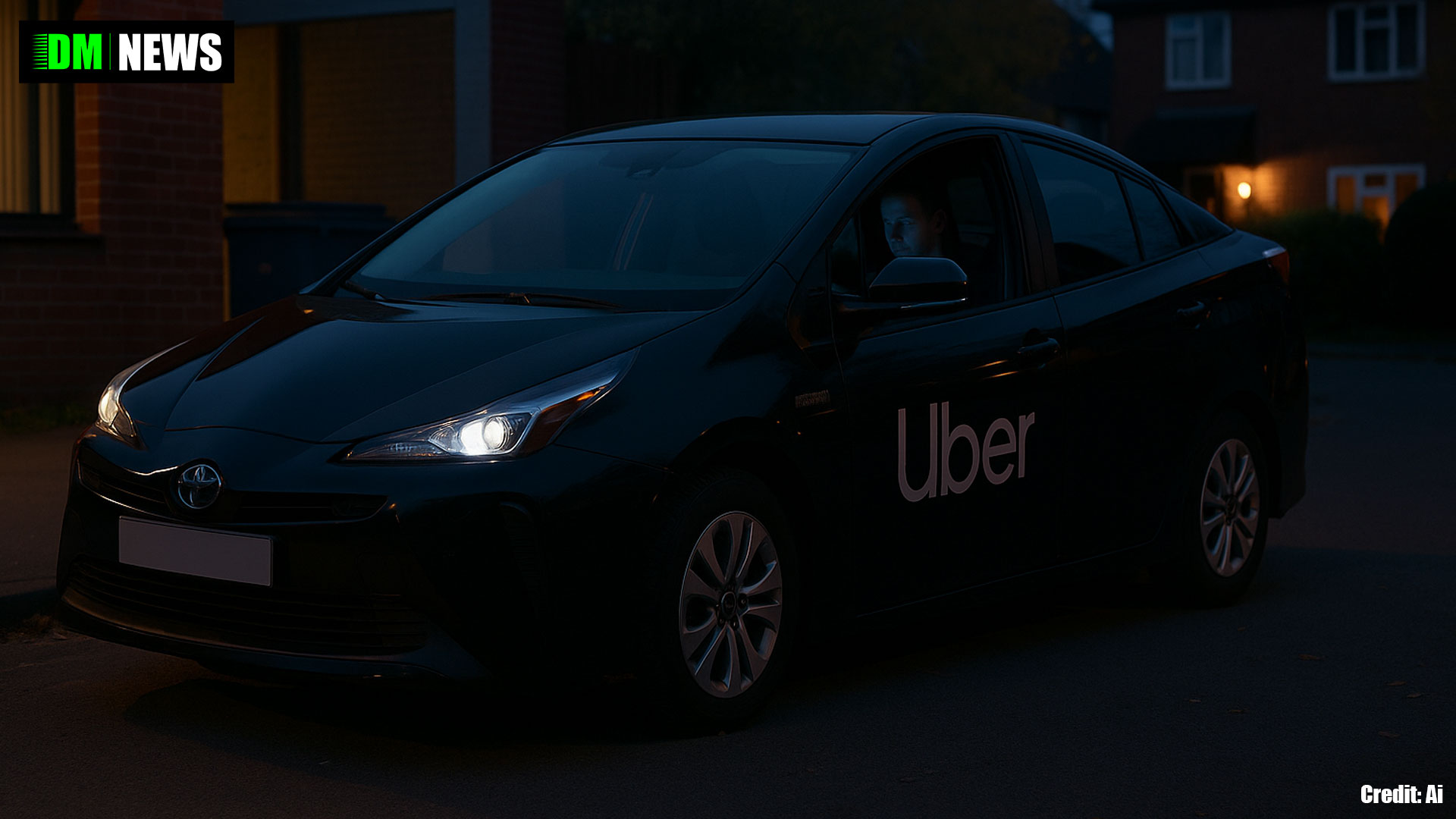
Uber has contacted its drivers directly via an in-app email outlining how the latest Government Budget decision will affect its business model outside London. Uber also published a short video message from Andrew Brem, Uber UK’s General Manager, explaining the changes in more detail.
Uber tells drivers VAT will now only apply to the service fee outside London
According to Uber’s driver email, the UK Government’s Budget has introduced two different VAT approaches for the private hire sector:
- Outside London: VAT will only be charged on the Service Fee Uber charges to drivers.
- In London: 20% VAT will continue to apply to the entire passenger fare.
Uber says it is “quickly adapting how we operate outside London” to ensure passengers do not pay VAT on the full fare. Instead, only the service fee will carry VAT – a move Uber claims will avoid fare increases that could weaken passenger demand.
The message reassures drivers that “there are no immediate changes for you”, stressing that operations outside London will stay the same for now.
The company added that more detailed guidance will follow in the coming weeks and encouraged drivers to watch Andrew Brem’s video message for clearer context on what to expect as the rules evolve.
Uber released a video about the whole situation:
DM News Commentary
This update is the first official sign of how major operators like Uber will respond to the Government’s new VAT direction for the private hire sector. Crucially, Uber is positioning this as a way to shield passengers outside London from sudden price hikes, which in turn protects trip demand for drivers.
It also underlines a huge divide between London and the rest of the UK. London riders will still see VAT applied to the entire fare — a system the capital has already been operating under — but outside London, Uber is opting to keep VAT strictly tied to its Service Fee, rather than the total price of the trip.
For drivers, this announcement may ease some fears around immediate fare disruption, but questions remain around how operators will adapt long-term — especially with broader VAT reforms for ride-sharing and private hire platforms expected from 1 January 2026.
As more operators confirm their position, this could reshape pricing structures across the country, including how independent firms choose to structure their own agency models in comparison to Uber’s.
Thanks for visiting DM News! If you’ve got a question, story, or anything you’d like to say, head over to DriverMatty.com — I’d love to hear from you! And while you’re there, don’t forget to check out my other websites and social media channels.