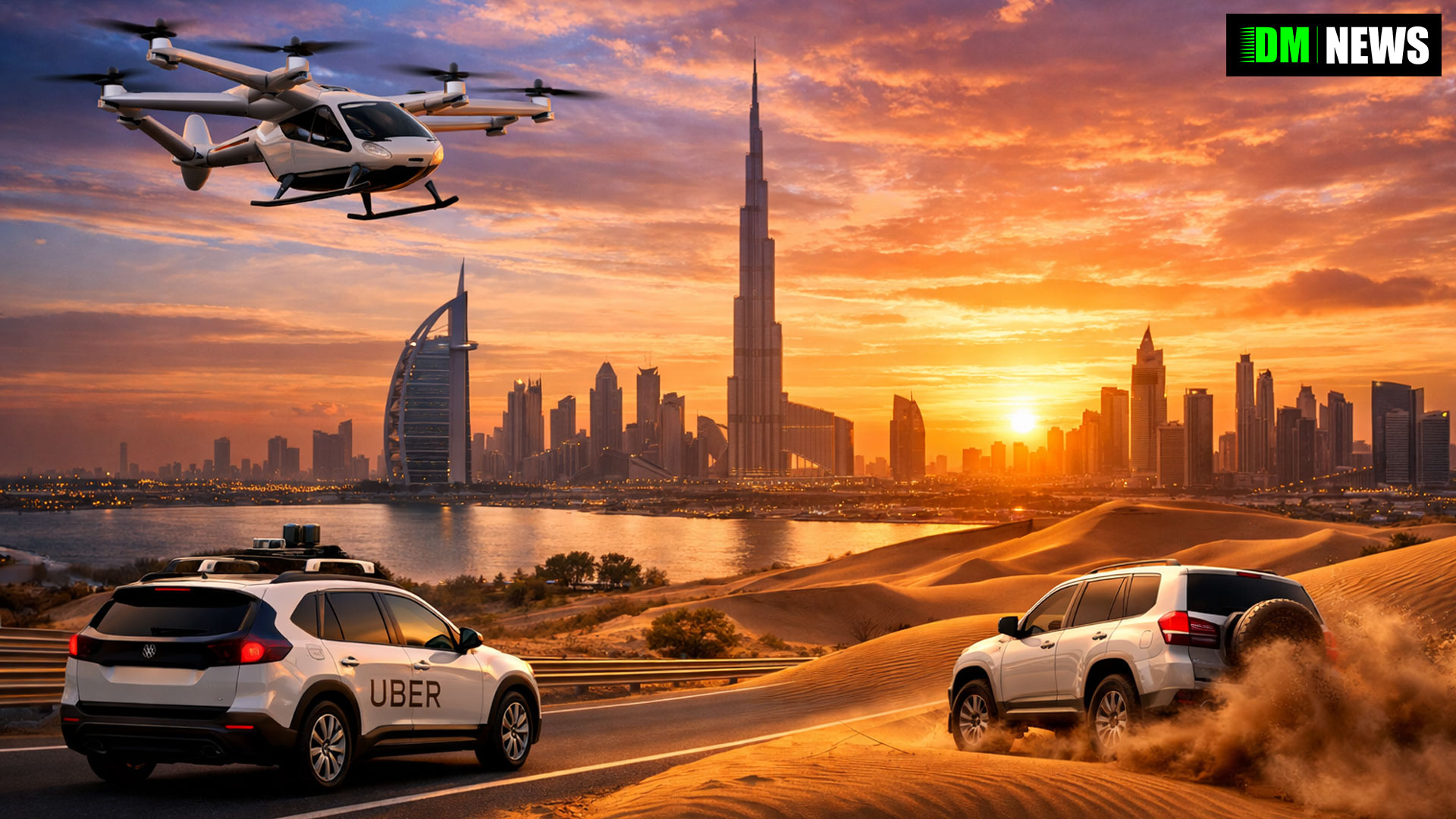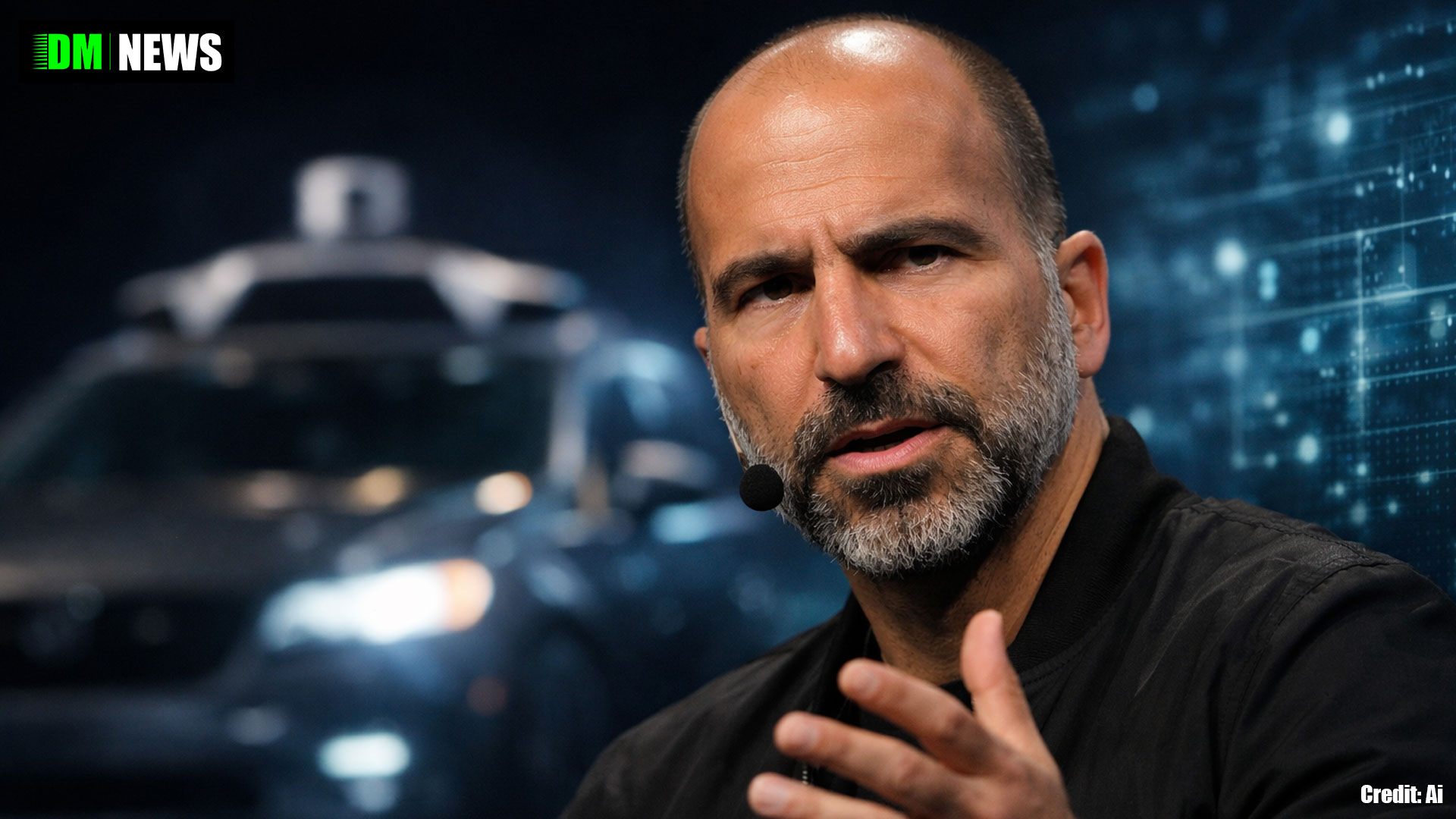
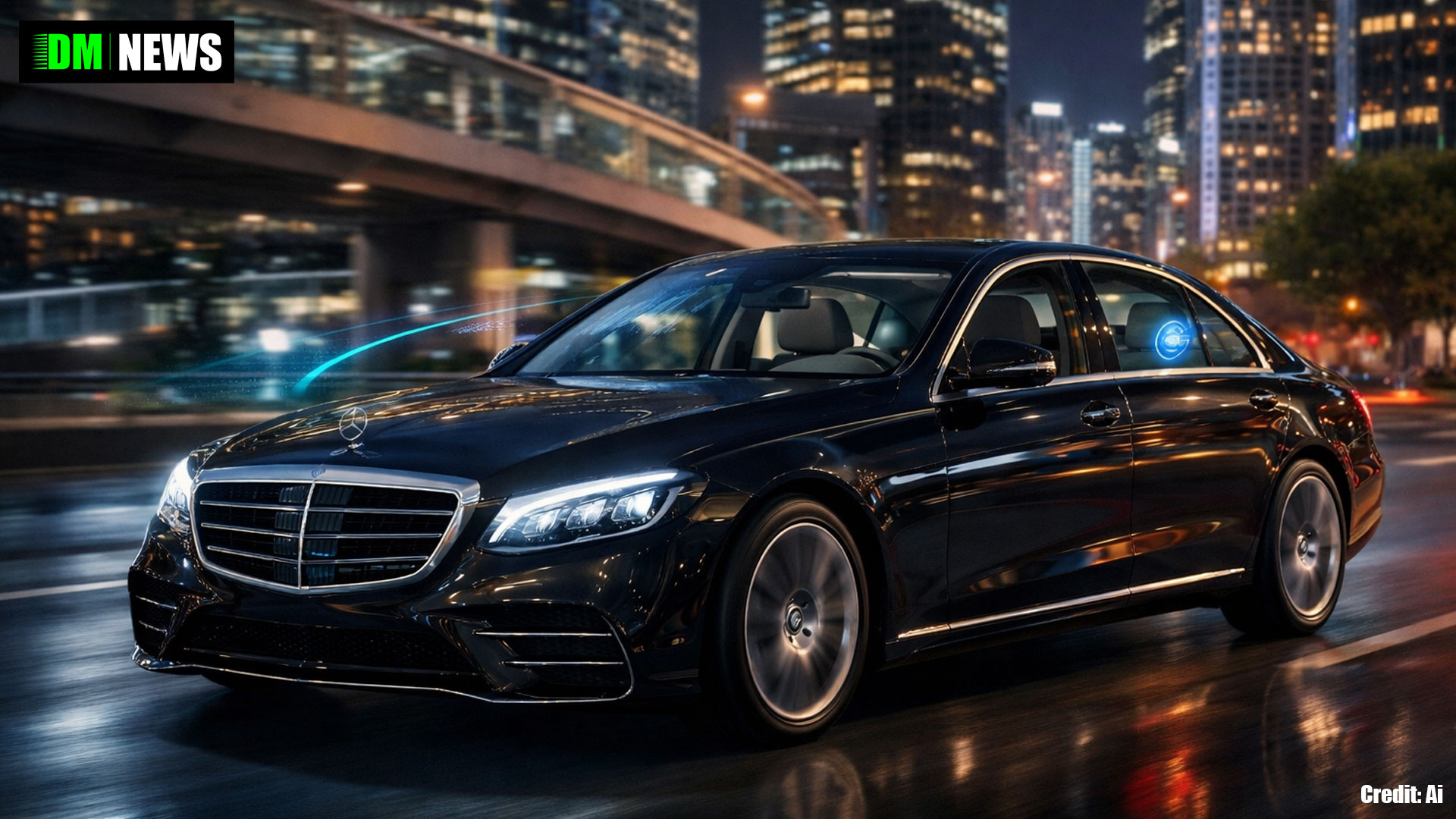
According to a report by Tech in Asia, Nvidia, Uber, and Mercedes-Benz are moving forward with plans to develop a fleet of robotaxis based on the Mercedes-Benz S-Class. The project is focused on launching autonomous ride-hailing services in major global cities, though no firm launch timeline has been confirmed yet.
The partnership, which began last year, is centred around building a global autonomous driving platform. This platform will integrate directly with Mercedes-Benz’s in-house MB.OS software system. While partners will be able to develop and deploy advanced autonomous driving applications, Mercedes will retain control over its core vehicle systems and architecture.
A key part of the collaboration is Nvidia’s autonomous driving technology, which will power much of the AI and computing behind the self-driving capabilities. This positions Nvidia as an increasingly direct competitor to established autonomous players such as Tesla and Waymo, both of which are already running driverless vehicle trials and limited services.
Despite the scale of the announcement, the companies stopped short of confirming when passengers might actually see Mercedes S-Class robotaxis available on the Uber platform.

DM News Commentary
For a long time, driverless taxis were positioned as a threat mainly to standard private hire and rideshare work — short city trips, budget fares, and high-volume urban journeys. That narrative is now clearly changing.
By choosing the Mercedes-Benz S-Class as the base vehicle, Uber, Nvidia, and Mercedes are signalling that autonomous vehicles are now targeting the chauffeur and executive market as well. This isn’t about replacing a £7 city hop — it’s about taking on premium airport runs, corporate travel, hotel transfers, and luxury ride-hailing where comfort and brand image matter.
Traditionally, executive and chauffeur services have been seen as safer from disruption. Clients value professionalism, discretion, presentation, and a human driver. But an S-Class robotaxi reframes that experience as consistent, quiet, and predictable luxury — with no driver costs, no shift limits, and no availability issues.
This marks a significant escalation. The private hire sector is already feeling pressure from driverless pilots in the US, and now the top end of the market is firmly in the crosshairs. If autonomous platforms can deliver a reliable premium experience, they won’t just undercut fares — they’ll challenge the very idea of what a chauffeur service looks like.
There’s still a long road ahead, especially with regulation and public trust, but the direction is clear. Driverless taxis are no longer just coming for the base of the market — they’re moving up the ladder.
Thanks for visiting DM News! If you’ve got a question, a story tip, or anything you’d like to share, head over to DriverMatty.com — I’d love to hear from you.
While you’re there, don’t forget to check out my other websites and social media channels.