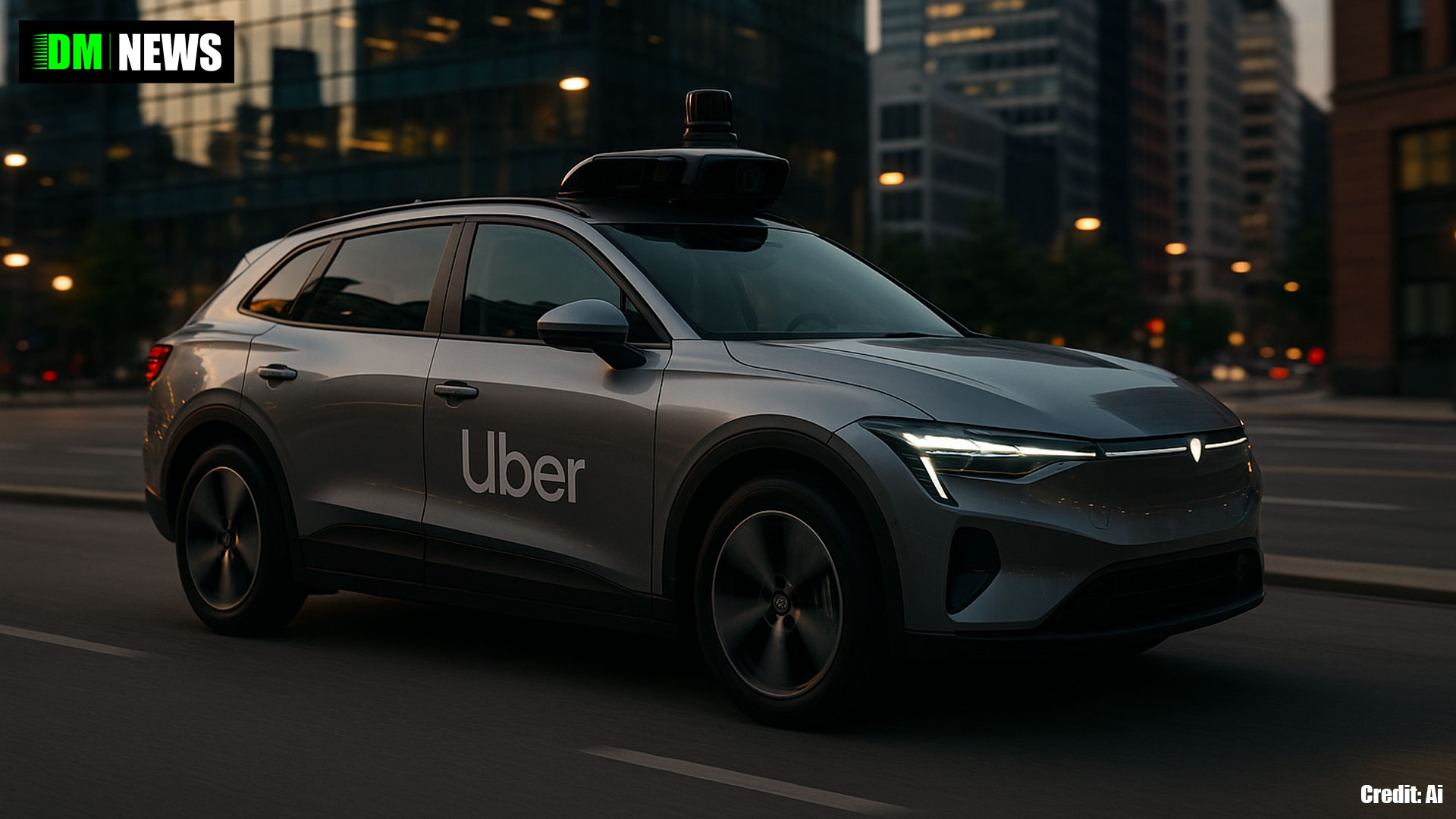
Uber has announced an ambitious plan to introduce up to 100,000 fully driverless vehicles into its global ride-hailing network, starting in 2027.
According to NVIDIA News, the fleet will use Nvidia’s advanced DRIVE AGX Hyperion 10 platform — a system designed to enable Level 4 autonomous driving.
Uber’s self-driving strategy
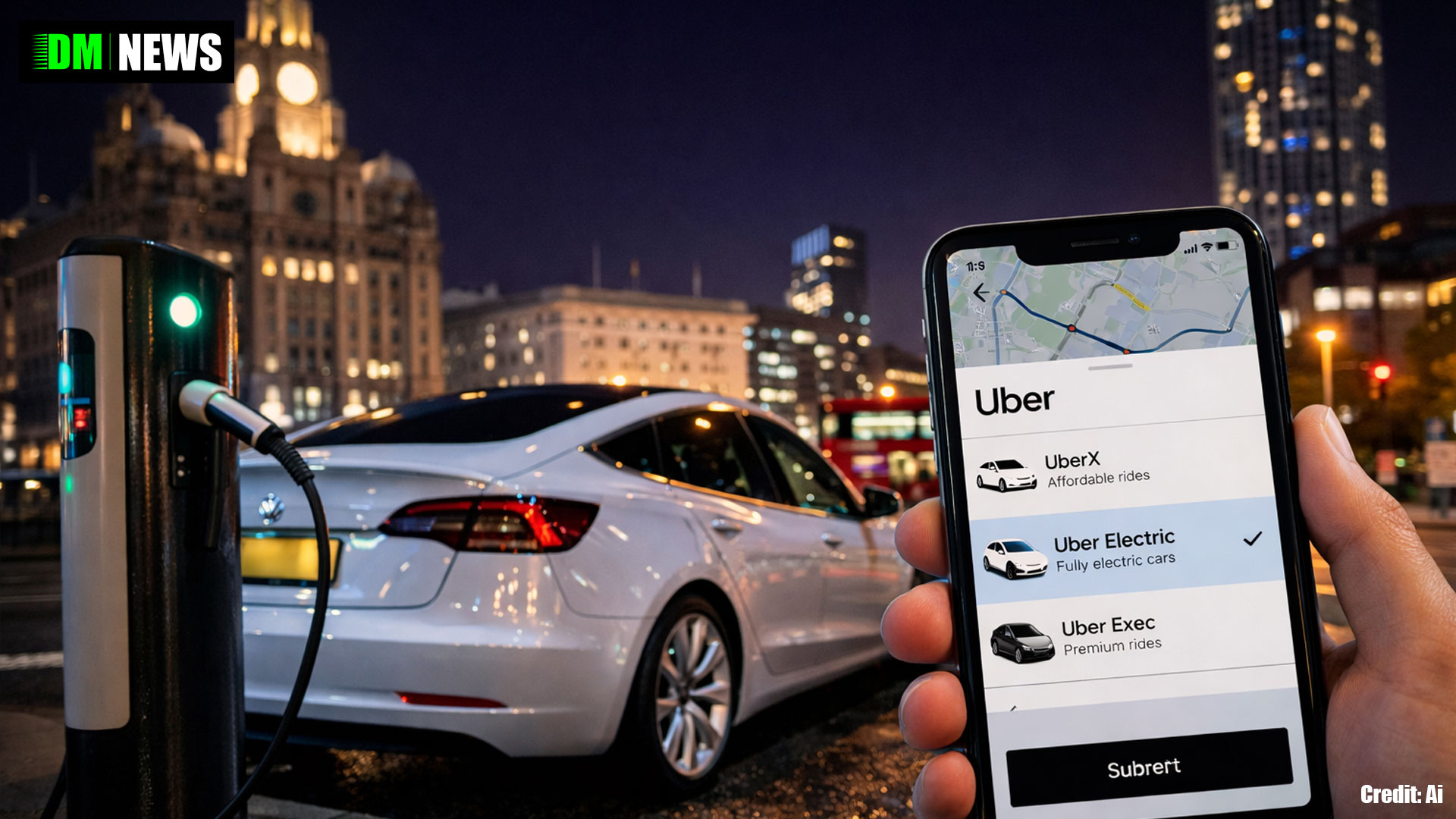
The vehicles will operate alongside human drivers within the Uber app, allowing passengers to book either a traditional or driverless trip.
As reported by MotorTrend, Uber will work closely with automaker Stellantis N.V., which will manufacture AV-ready cars designed to integrate with Nvidia’s self-driving technology.
Production is expected to begin in the coming years, with large-scale roll-out to follow by 2027–2028.
Uber’s target of 100,000 autonomous vehicles includes previous supply agreements, with the company aiming for one of the largest driverless ride-hail fleets in the world, according to The Driverless Digest.
What it means for the UK taxi and private hire industry
The introduction of such a large autonomous fleet could reshape how urban mobility operates — including in the UK.
For taxi and private hire drivers, it raises key questions around competition, regulation, and future employment:
- Competition: As Uber deploys driverless cars, human-driver availability and pricing may face new pressure in major cities.
- Regulation: UK authorities will have to determine how to license and insure self-driving taxis — similar to ongoing trials already seen in Milton Keynes and London.
- Safety and public trust: The technology’s success depends on how safe passengers feel without a human driver, especially during complex urban trips.
- Adapting fleets: Local taxi and private-hire companies may eventually look to integrate partial automation or driver-assist systems into their vehicles to stay competitive.
Industry reaction
While Uber has not confirmed if or when driverless vehicles will arrive in the UK, experts suggest it could take several years for regulators and insurers to approve such technology on British roads.
However, the scale of Uber’s investment shows that automation in mobility is no longer theoretical — it’s approaching fast.

DM News Commentary
Uber’s 100,000-vehicle plan is a bold statement about where the ride-hailing industry is heading.
For UK taxi and private hire drivers, it’s unlikely to cause immediate disruption — but it’s a glimpse into the long-term future. Electric, connected and potentially driverless vehicles are coming, and the smartest operators will prepare early by modernising their fleets and digital systems.
Thanks for visiting DM News!
If you’ve got a question, story, or anything you’d like to say, head over to DriverMatty.com — I’d love to hear from you!
And while you’re there, don’t forget to check out my other websites and social media channels.