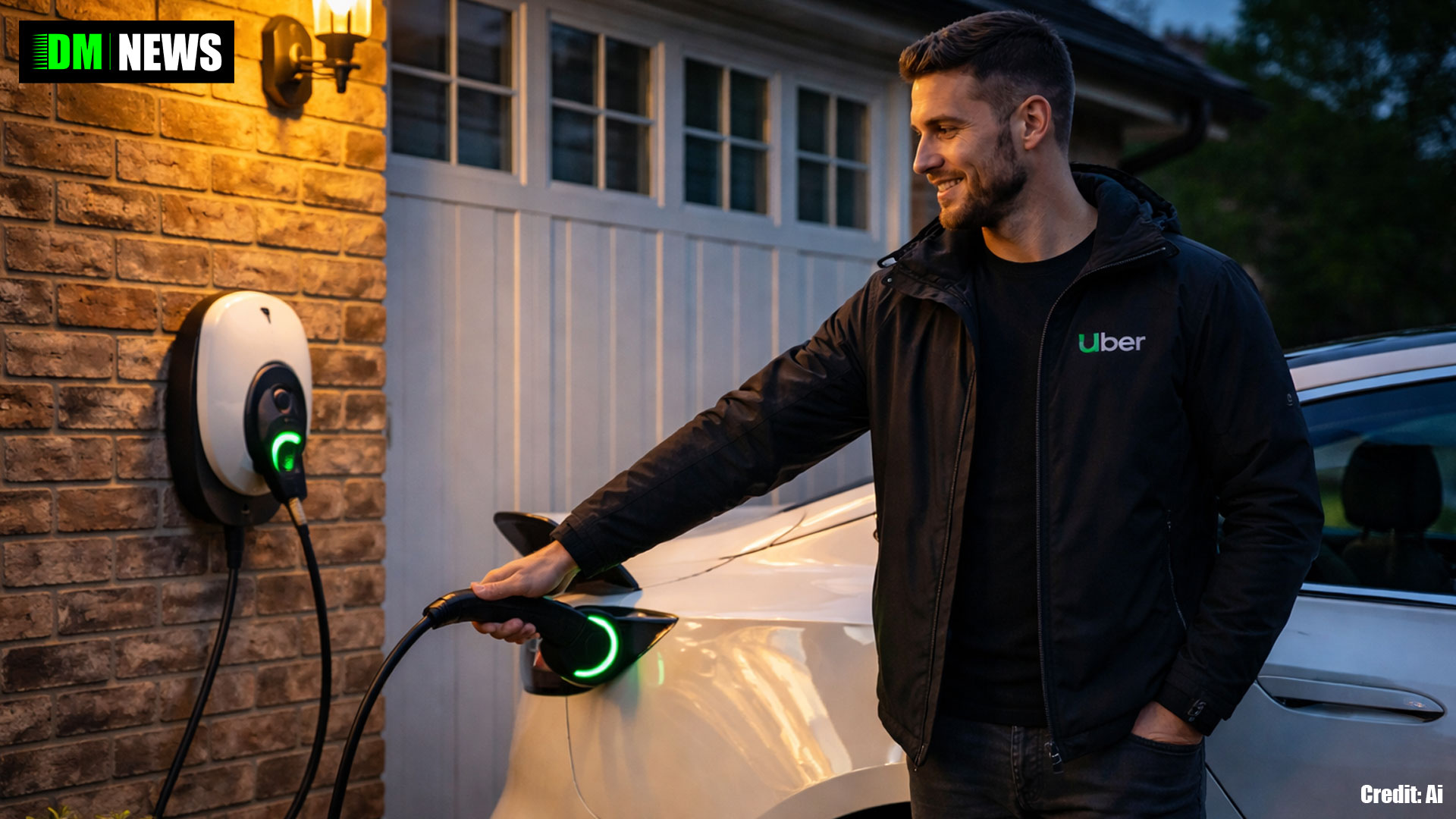

According to a statement published by Southend-on-Sea City Council, Uber has chosen to surrender its Private Hire Operator Licence for Southend-on-Sea, despite the council granting the licence only weeks earlier.
The council confirmed that Uber had made a formal application, which was lawfully approved by the Licensing Sub-Committee on 15 December 2025. However, Uber later informed the authority that it had decided to give up the licence voluntarily.
Council leader Cllr Daniel Cowan said the authority remains open to businesses operating in the city but made clear that all private hire operators must meet the same standards and safeguards. He added that operators who do not adhere to local licensing conditions will not be allowed to operate in Southend.
Cllr Martin Terry, Cabinet Member for Community Safety and Regulatory Services, praised council officers and the Licensing Sub-Committee for their handling of the application, stating that conditions attached to licences are a normal part of the process and based on evidence presented. He also confirmed there will be further engagement opportunities during an upcoming review of taxi and private hire policy.

DM Commentary
This is an interesting one — and not something we see very often.
Uber was granted a licence, then made the decision to walk away. That suggests the issue wasn’t refusal, but conditions. Local authorities are well within their rights to apply additional safeguards, and Southend has made it clear it expects everyone to play by the same rules.
For the local taxi and private hire trade, this sends a strong message: councils can and do stand firm on licensing standards, even with multinational operators. Whether Uber felt the conditions were too restrictive, commercially unviable, or simply not worth the hassle, the end result is the same — they’re not operating in Southend.
With a wider taxi and PHV policy review on the horizon, this case will be watched closely by drivers, operators, and councils elsewhere. It raises a bigger question: are we starting to see a shift where local authorities are more confident in holding large platforms to account?
Due to cross-border hiring rules, Uber can still operate in Southend using drivers licensed by out-of-area councils.
Thanks for visiting DM News! If you’ve got a question, a story tip, or anything you’d like to share, head over to DriverMatty.com — I’d love to hear from you.
While you’re there, don’t forget to check out my other websites and social media channels.