
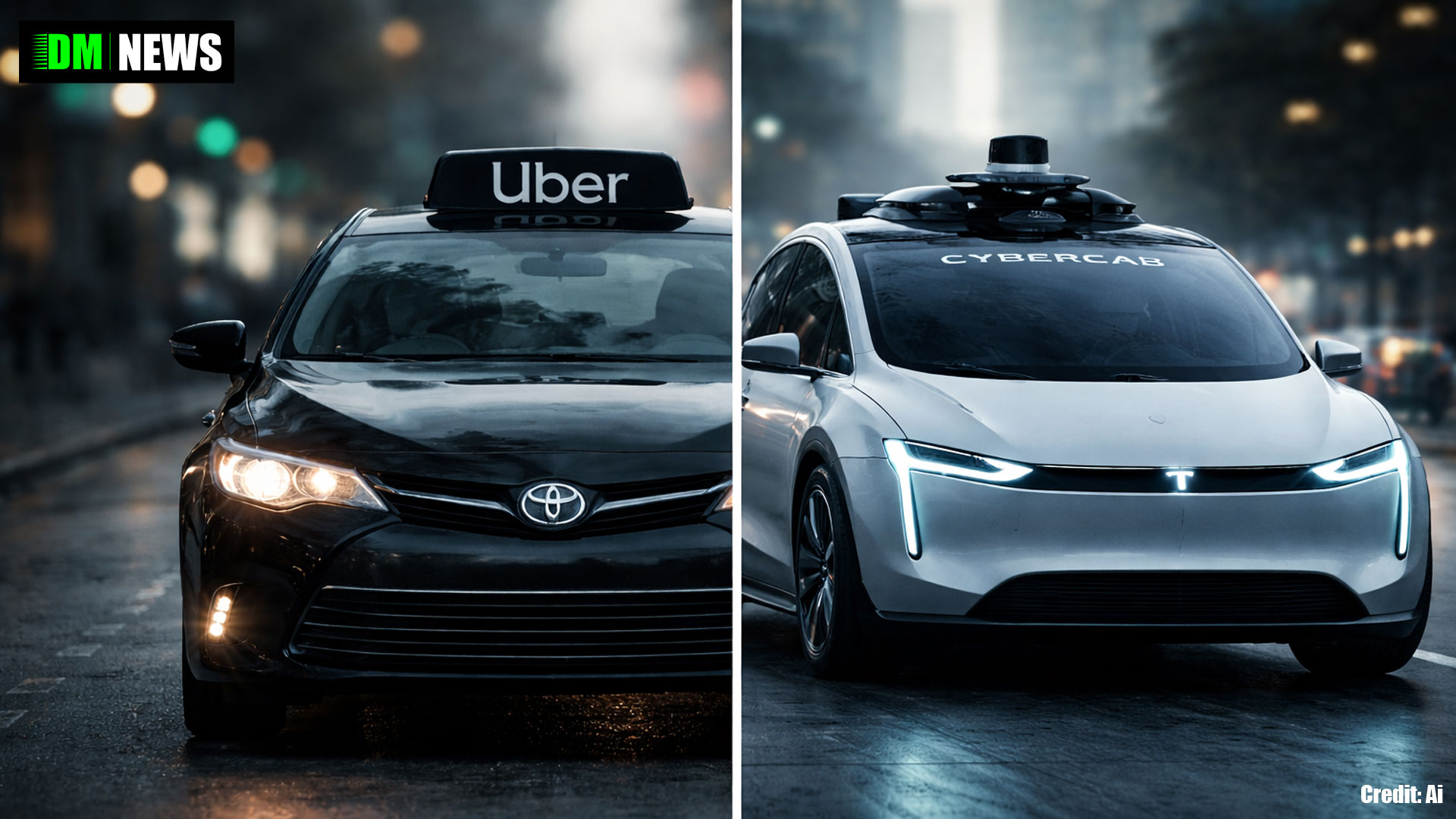
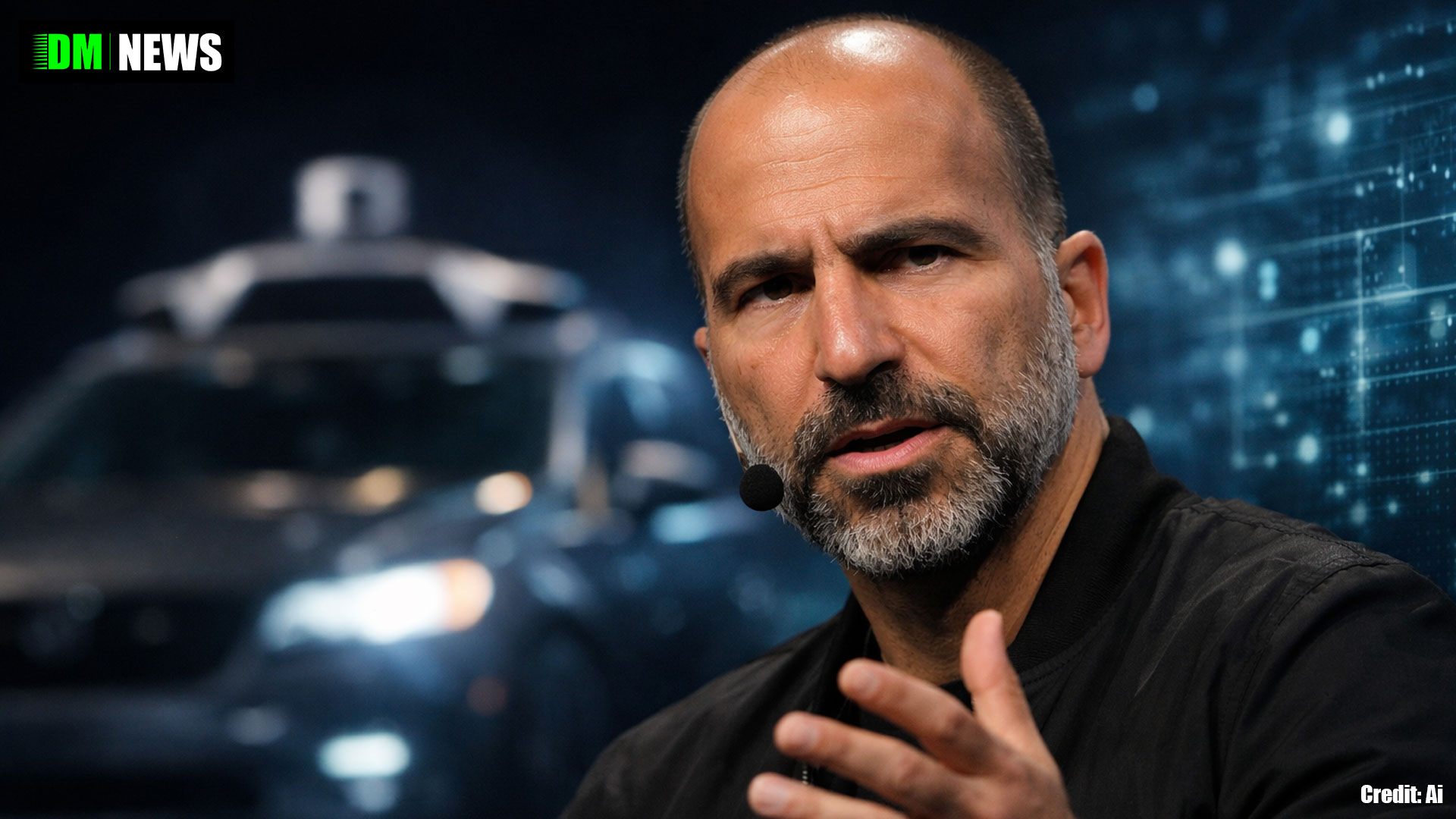
A new investor-focused report has raised questions about Uber’s long-term position in the ride-hailing market as autonomous vehicle technology continues to develop, particularly from rivals such as Waymo and Tesla.
According to an article published by Proactive Investors, Uber could face structural challenges in the future if fully driverless ride-hailing becomes commercially viable at scale. The report highlights that competitors investing heavily in autonomy may eventually be able to operate at lower costs by removing the need for human drivers, potentially undercutting traditional ride-hailing models
The article points to Waymo, backed by Alphabet, which is already operating driverless taxi services in selected US cities without safety drivers. Tesla is also referenced as continuing to promote its long-term vision of an autonomous “robotaxi” network, where privately owned vehicles could be deployed for ride-hailing when not in personal use. While the report acknowledges that large-scale deployment still faces regulatory, technical, and public-acceptance hurdles, it notes that markets often price in future disruption well before it fully materialises.
By contrast, the article explains that Uber no longer develops its own autonomous driving technology and instead relies on partnerships. This strategy could leave the company exposed if rivals achieve reliable, scalable autonomy ahead of the rest of the market. The report suggests that, in a driverless future, companies controlling both the technology and the vehicles could enjoy stronger margins and pricing power than platform-based operators like Uber.

DM News Commentary
From a taxi and private hire perspective, this is another reminder that the long-term direction of the industry is being shaped by forces far beyond day-to-day driving. While autonomous taxis are not imminent in the UK, the investment and momentum behind them is real, and it’s something drivers and operators should keep an eye on rather than dismiss outright.
That said, autonomy is unlikely to replace all forms of taxi and private hire work anytime soon. Airport transfers, assisted travel, school contracts, long-distance bookings, and local authority work still rely heavily on trust, accountability, and human interaction. Regulation in the UK also moves far more cautiously than in some US cities, which may slow widespread adoption.
For Uber drivers in particular, this kind of analysis reinforces a familiar theme: long-term strategic risks tend to sit with drivers, not platforms. Diversifying work, building direct customers, staying compliant, and not relying solely on one app remains a sensible approach as the industry evolves.
Thanks for visiting DM News!
If you’ve got a question, a story tip, or anything you’d like to share, head over to DriverMatty.com — I’d love to hear from you.
While you’re there, don’t forget to check out my other websites and social media channels.











One Comment
Comments are closed.