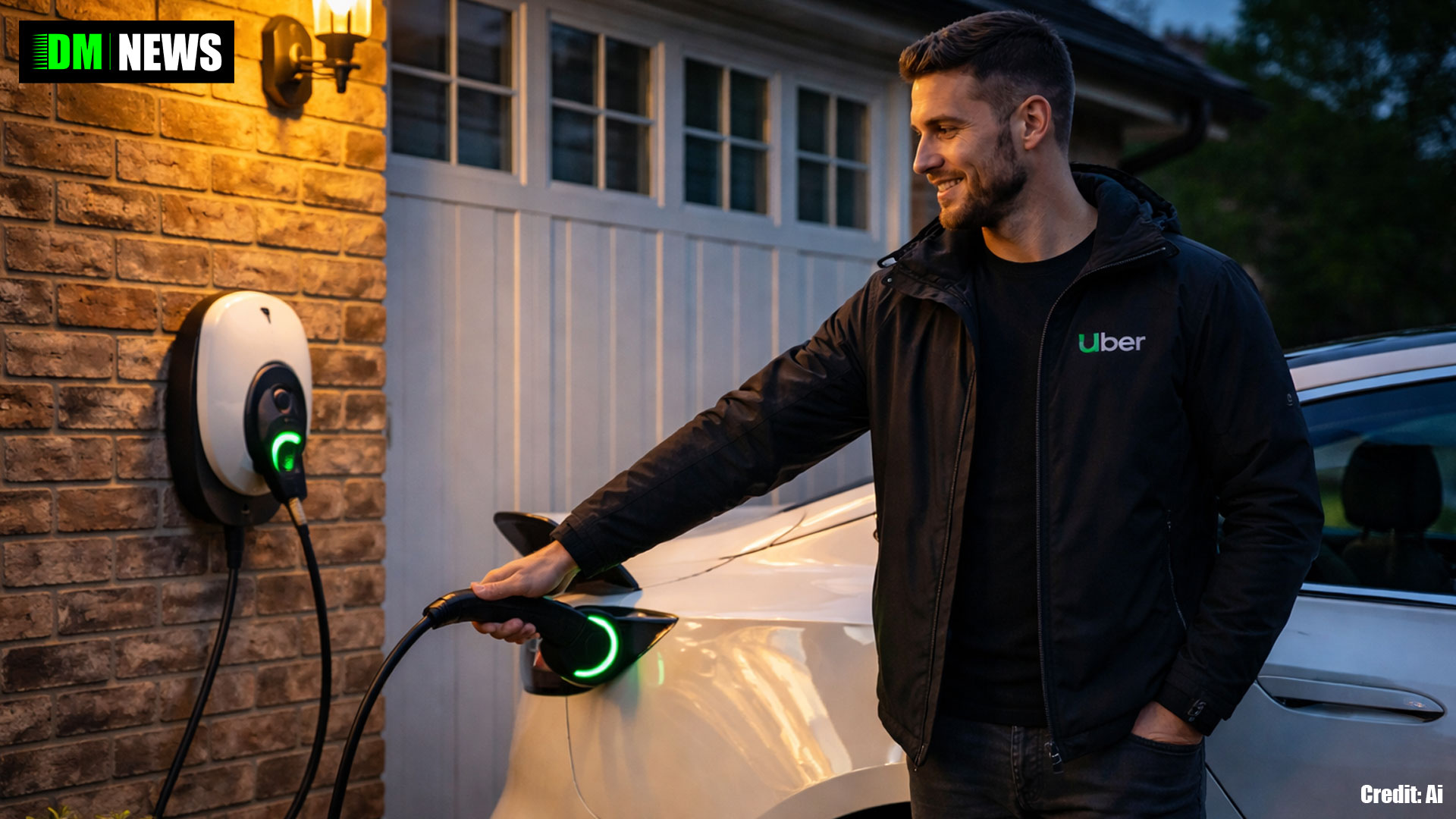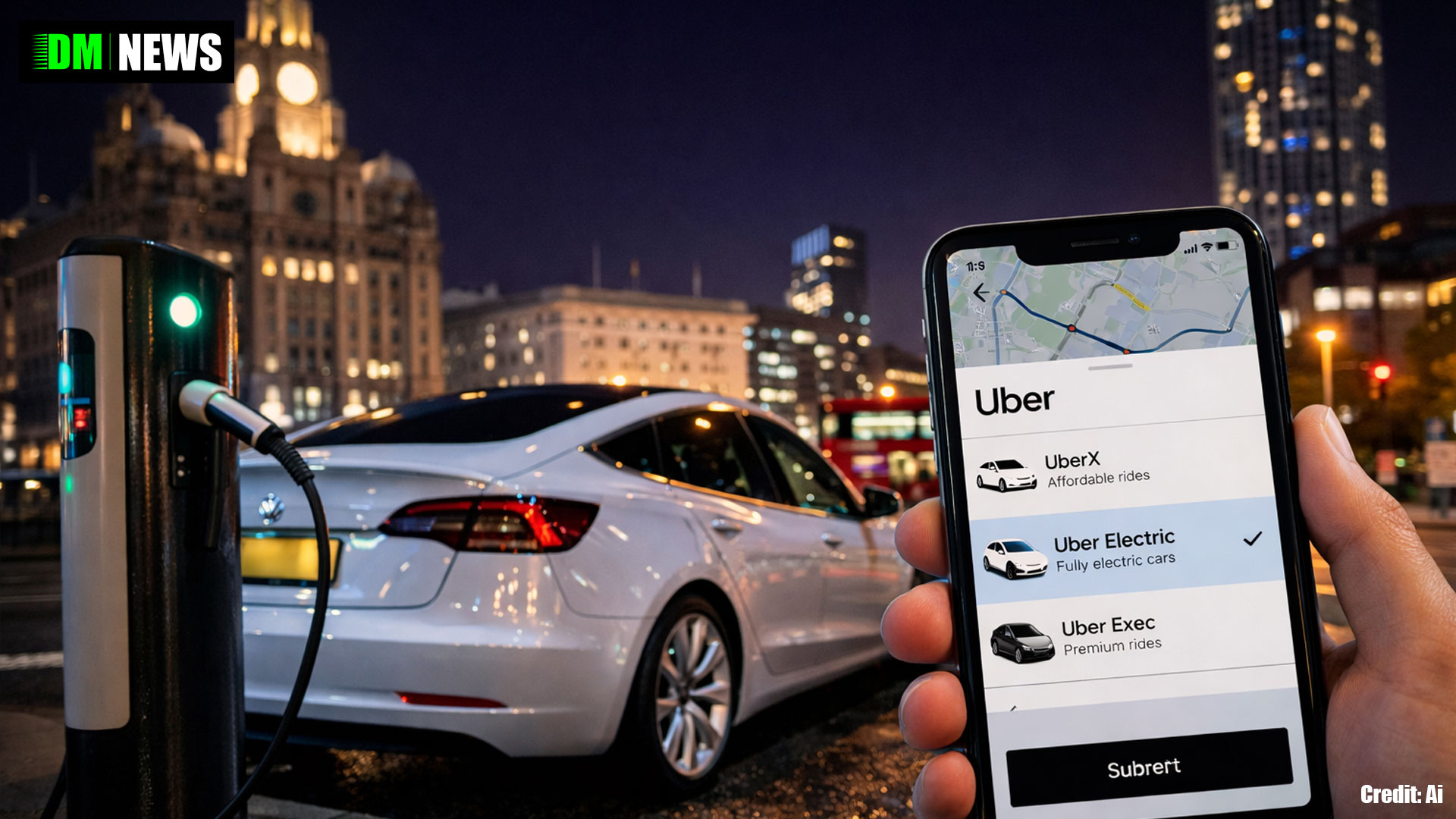
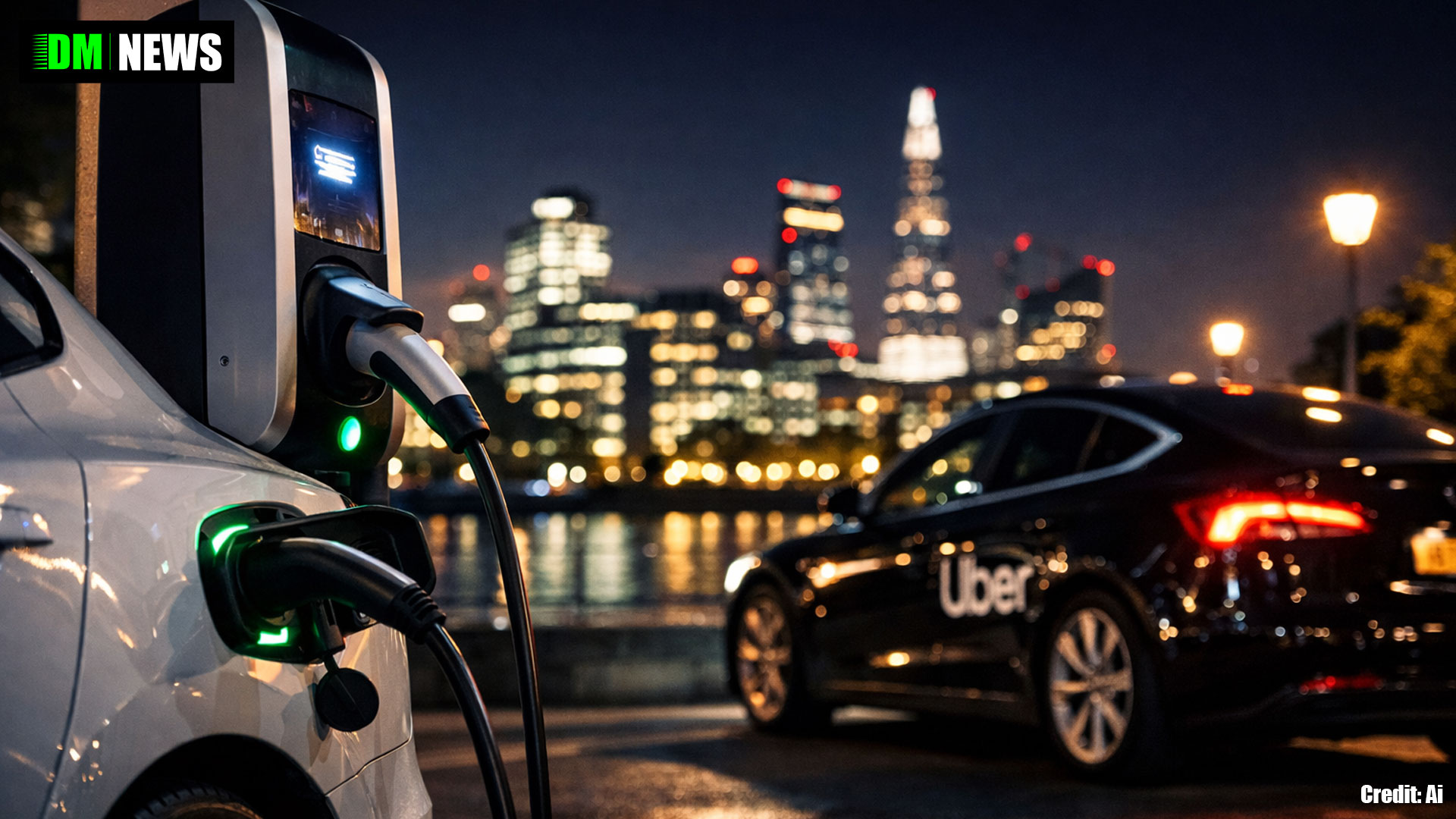
A recent article published by Business Matters Magazine reports that Uber has officially dropped its previously stated target of becoming a fully electric vehicle (EV) platform by 2030.
According to the report, Uber had originally pledged that all rides on its platform in the UK, Europe, and North America would be zero-emission by the end of the decade. However, the company has now acknowledged that this goal is no longer realistic under current conditions.
The article explains that Uber cited several barriers to achieving full electrification, including the high upfront cost of electric vehicles, limited charging infrastructure, and slower-than-expected adoption by drivers. While Uber says it remains committed to supporting the transition to EVs, it has stopped short of setting a new firm deadline to replace the 2030 target.
Business Matters Magazine also notes that Uber will continue offering incentives and support schemes to encourage drivers to switch to electric, but admits that market and economic pressures have made its original ambition difficult to deliver at scale.

DM Commentary
Uber stepping back from its 2030 EV target will come as little surprise to many drivers in the UK. While electric vehicles make sense on paper, the reality on the ground is far more complex.
For private hire and Uber drivers, the cost of switching to electric remains a major obstacle. Vehicle prices are still high, charging access is inconsistent across the country, and rapid chargers — when available — are often expensive or unreliable. Add rising insurance costs and reduced incentives compared to previous years, and it’s clear why many drivers are hesitant.
This move highlights a wider issue: pushing aggressive EV deadlines without the infrastructure, financial support, and real-world planning to back them up simply doesn’t work. Until EV ownership becomes genuinely viable for high-mileage drivers, targets like this were always going to be difficult to meet.
Uber may still talk about electrification, but this shift quietly confirms what drivers have been saying for years — the transition needs to be realistic, gradual, and properly supported, not driven by headlines alone.
Thanks for visiting DM News! If you’ve got a question, a story tip, or anything you’d like to share, head over to DriverMatty.com — I’d love to hear from you.
While you’re there, don’t forget to check out my other websites and social media channels.