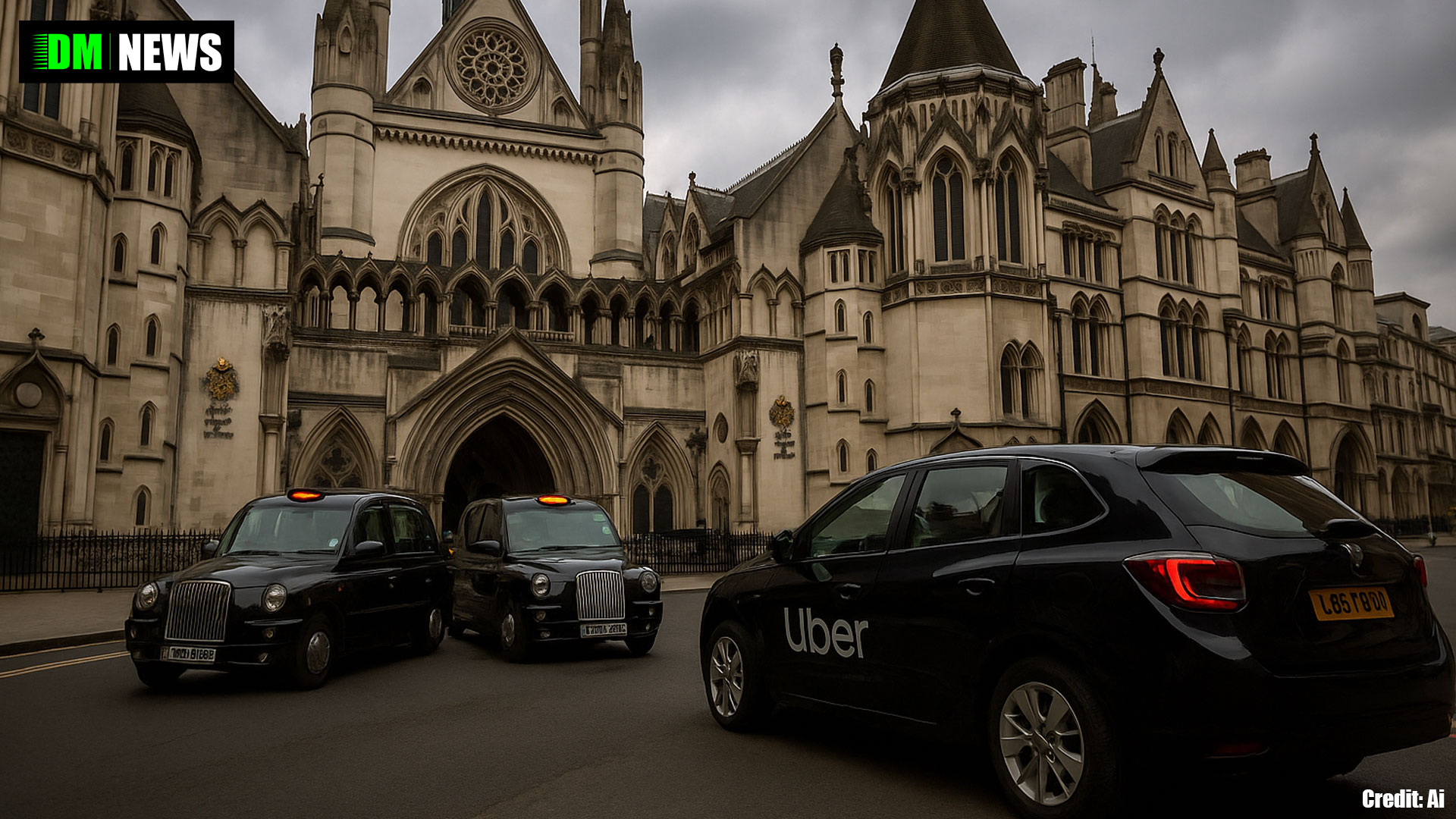
Lawyers for Uber have told the High Court that a legal claim brought by nearly 13,500 London black cab drivers should be dismissed because it was filed too late.
The group action, reported by the Evening Standard, accuses Uber London of misrepresenting its business model to Transport for London (TfL) between 2012 and 2018, allowing the firm to operate unlawfully and undercut traditional taxi drivers.
The cabbies — backed by rival taxi app founder Justin Peters of Kabbee and iRide — allege they collectively lost millions in earnings because Uber’s booking system didn’t comply with the Private Hire Vehicles (London) Act 1998. They claim Uber “knowingly misled” TfL about how bookings were processed, giving them an unfair commercial advantage.
Uber’s response
Uber’s legal team argued this week that the drivers’ case should be thrown out entirely, saying it was brought too late under the statute of limitations. The company continues to deny wrongdoing, insisting it has “always operated lawfully” and that it holds a valid operator’s licence from TfL.
Wider implications for London’s taxi industry
If the High Court allows the case to proceed, it could become one of the largest compensation claims in UK transport history — potentially exceeding £250 million in damages.
Legal experts say the case could set a significant precedent for how ride-hailing platforms are regulated and how long traditional drivers can wait before bringing claims for alleged unfair competition.
Black cab drivers argue that Uber’s early years in London triggered a sharp fall in their income and damaged the long-standing value of the licensed taxi trade — an industry with deep cultural and professional roots in the capital.
Heading to an airport or returning home from a large event?
Consider DM Airport Transfers — providing door-to-door pre-booked taxi, minibus, and executive transfers across the UK. Reliable, comfortable, and available 24/7.
DM News Commentary
This legal fight highlights the ongoing tension between traditional taxi drivers and ride-hailing platforms in London.
While Uber remains dominant in the private-hire sector, this case could open the door for more claims against tech-based operators if the court finds Uber misled regulators. For both PHV and taxi professionals, it’s another reminder of how quickly legal definitions can shift in an industry shaped by innovation, competition, and compliance.
Thanks for visiting DM News! If you’ve got a question, story, or anything you’d like to say, head over to DriverMatty.com — I’d love to hear from you! And while you’re there, don’t forget to check out my other websites and social media channels.