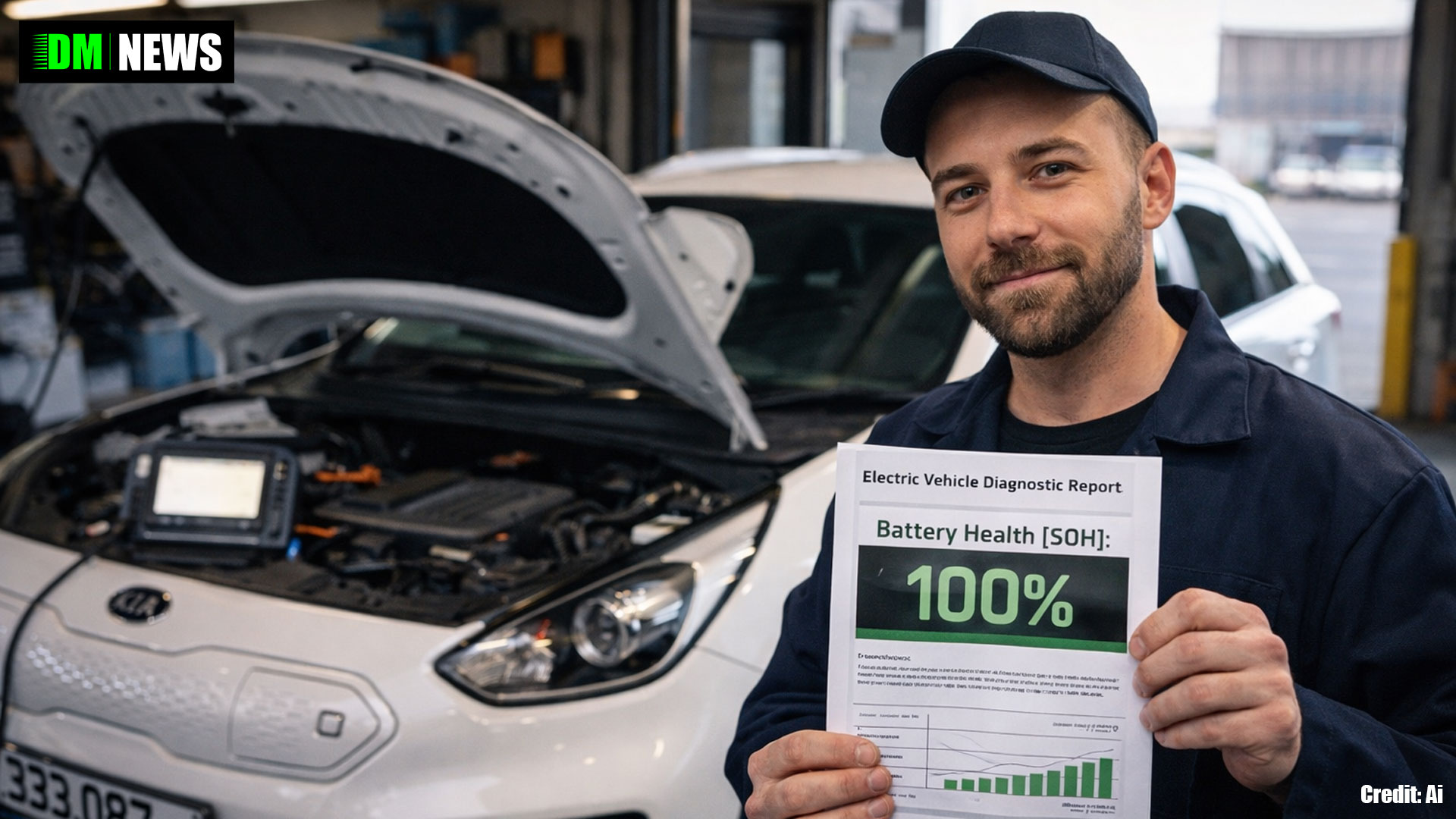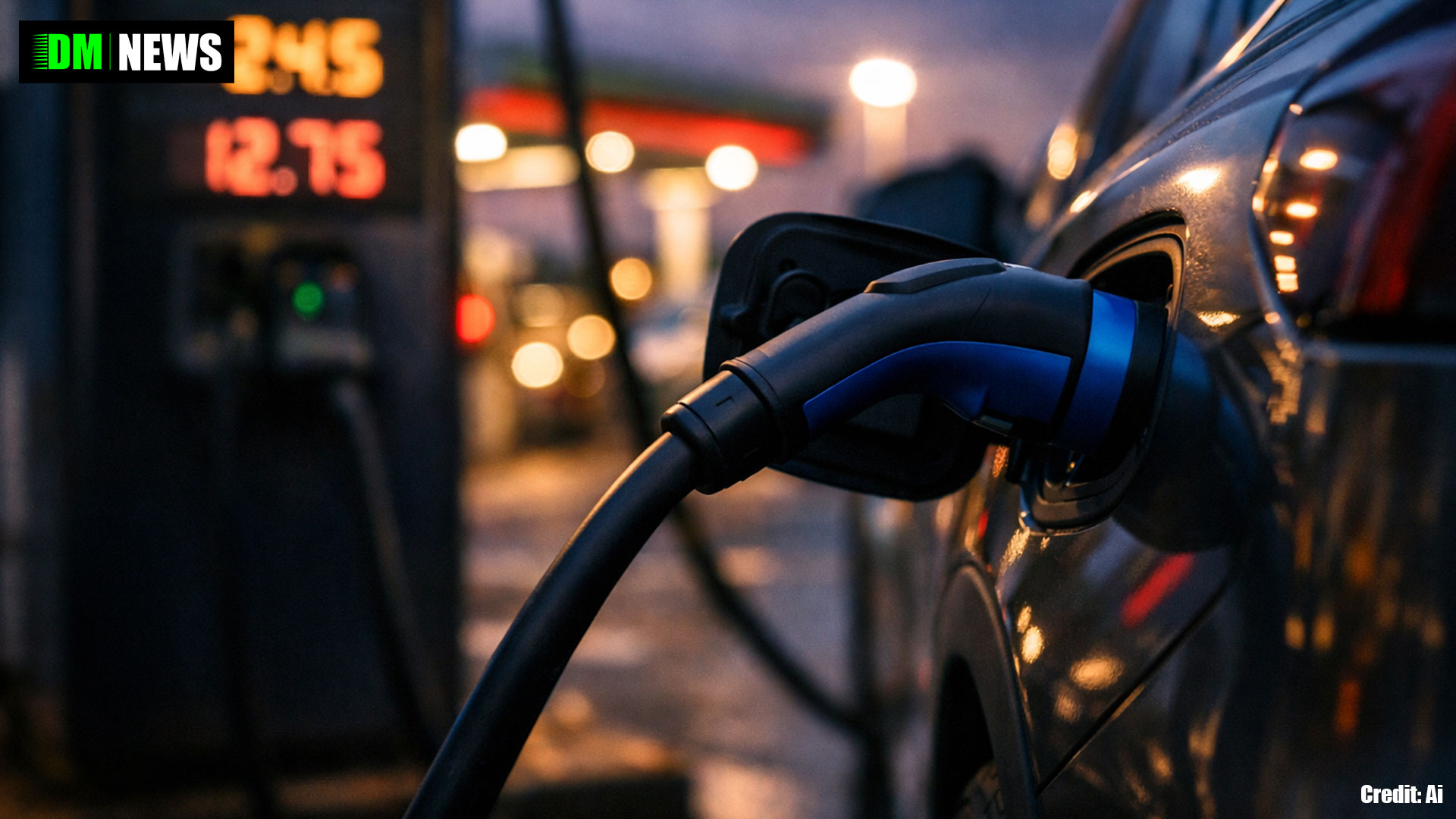
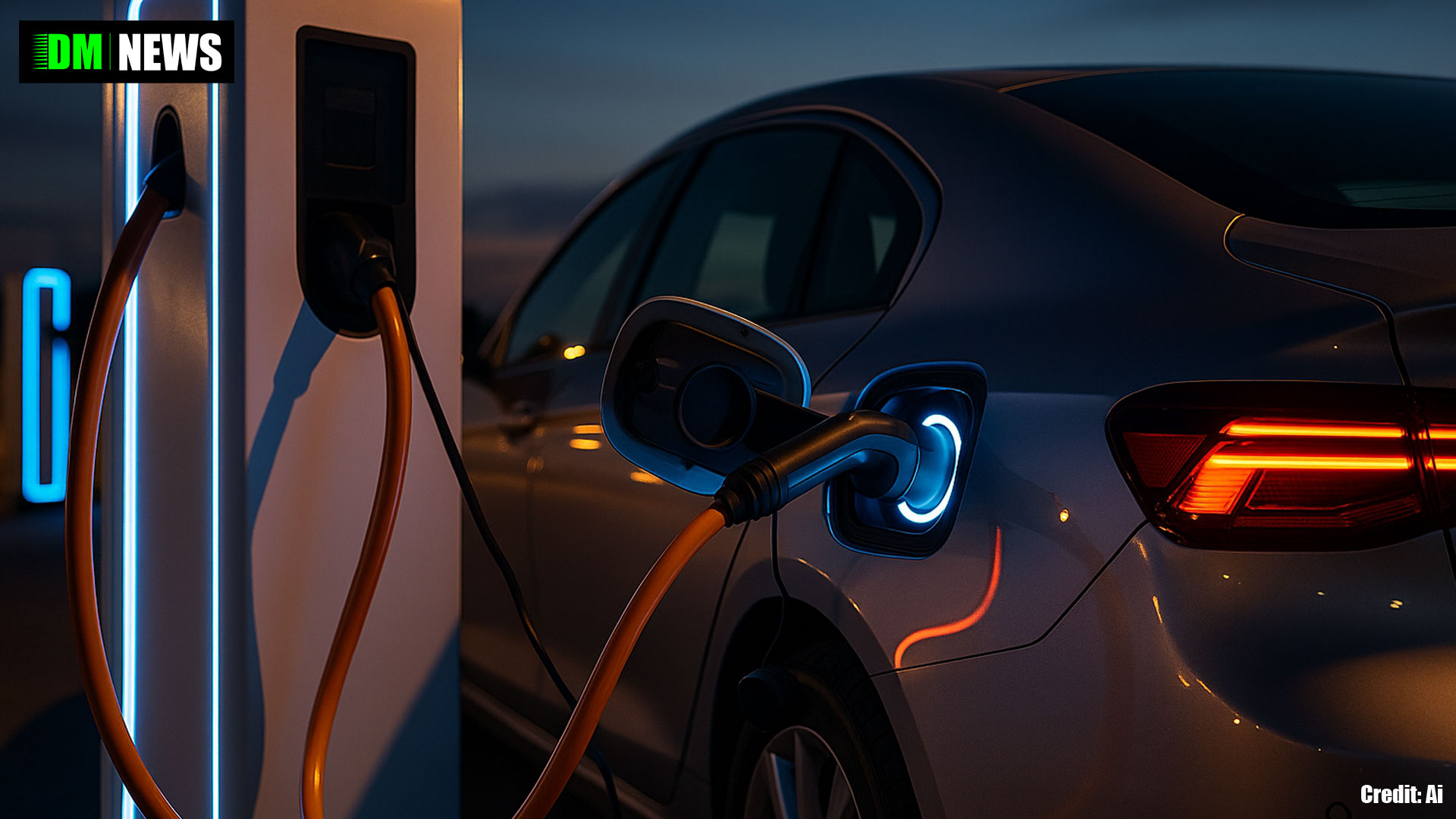
According to a new official announcement from Shell media release, the company has developed an advanced thermal management fluid that could dramatically cut electric-vehicle charging times while improving battery safety and performance.
What Shell has developed
In the update, Shell reveals it has formulated a next-generation “EV-Plus Thermal Fluid” designed for full-immersion battery cooling. The company says the fluid is electrically non-conductive and fills all the gaps between cells to control heat more effectively than current cooling methods
Shell worked with UK-based engineering group RML to build a demonstration 34 kWh battery pack, showing that the technology could support charging from 10% to 80% in under 10 minutes
The company also claims this approach improves temperature uniformity and reduces hotspots — a major factor in battery wear and safety risk.
Potential real-world gains
Shell says a lightweight, efficient EV could theoretically gain around 24 km of range per minute when using this technology, compared with approximately 5 km/min under today’s typical rapid-charging conditions
The company also states that improved heat control may enable:
- Better charging efficiency
- Higher sustained charge rates
- Enhanced safety
- Lower long-term battery degradation
These improvements could help speed up global EV adoption as manufacturers push to meet stricter emissions targets.
What this means for taxis and private hire
Faster charging is one of the biggest barriers holding back taxi and private-hire drivers from switching to EVs. Long charge stops increase downtime, reduce daily earnings, and add operational pressure — particularly during peak periods.
If Shell’s immersion-cooling system reaches production vehicles, it could mean:
- Sub-10-minute top-ups, similar to a short petrol break
- Less thermal stress on batteries during high-mileage usage
- Improved long-term battery health, useful for high-cycle fleet cars
- Lower maintenance costs over time
However, the technology will only matter once vehicle manufacturers start integrating immersion-cooled battery packs. There is currently no confirmed timeline.
Challenges and limitations
While the technology is promising, several hurdles remain:
- The 34 kWh test pack is smaller than what most modern EVs use.
- Ultra-fast charging requires compatible grid infrastructure and chargers.
- We don’t yet know the cost impact for manufacturers or fleets.
- Taxi operators cannot retrofit existing EVs — adoption depends on future models.
At this stage, Shell is showcasing a technology proof-point, not a product drivers can buy today.

DM News Commentary
Shell’s breakthrough highlights a major shift coming to the EV world: thermal management, not just battery size, will decide how fast an EV can charge. For taxi and private-hire drivers who rely on uptime, this type of innovation could eventually make electric vehicles far more practical — especially for high-mileage fleets.
But for now, it’s a future-facing development, not an immediate change. Operators should keep an eye on which manufacturers adopt immersion-cooled battery designs, as those vehicles may become far more appealing for PHV and taxi work.
Thanks for visiting DM News! If you’ve got a question, story, or anything you’d like to say, head over to DriverMatty.com — I’d love to hear from you! And while you’re there, don’t forget to check out my other websites and social media channels.