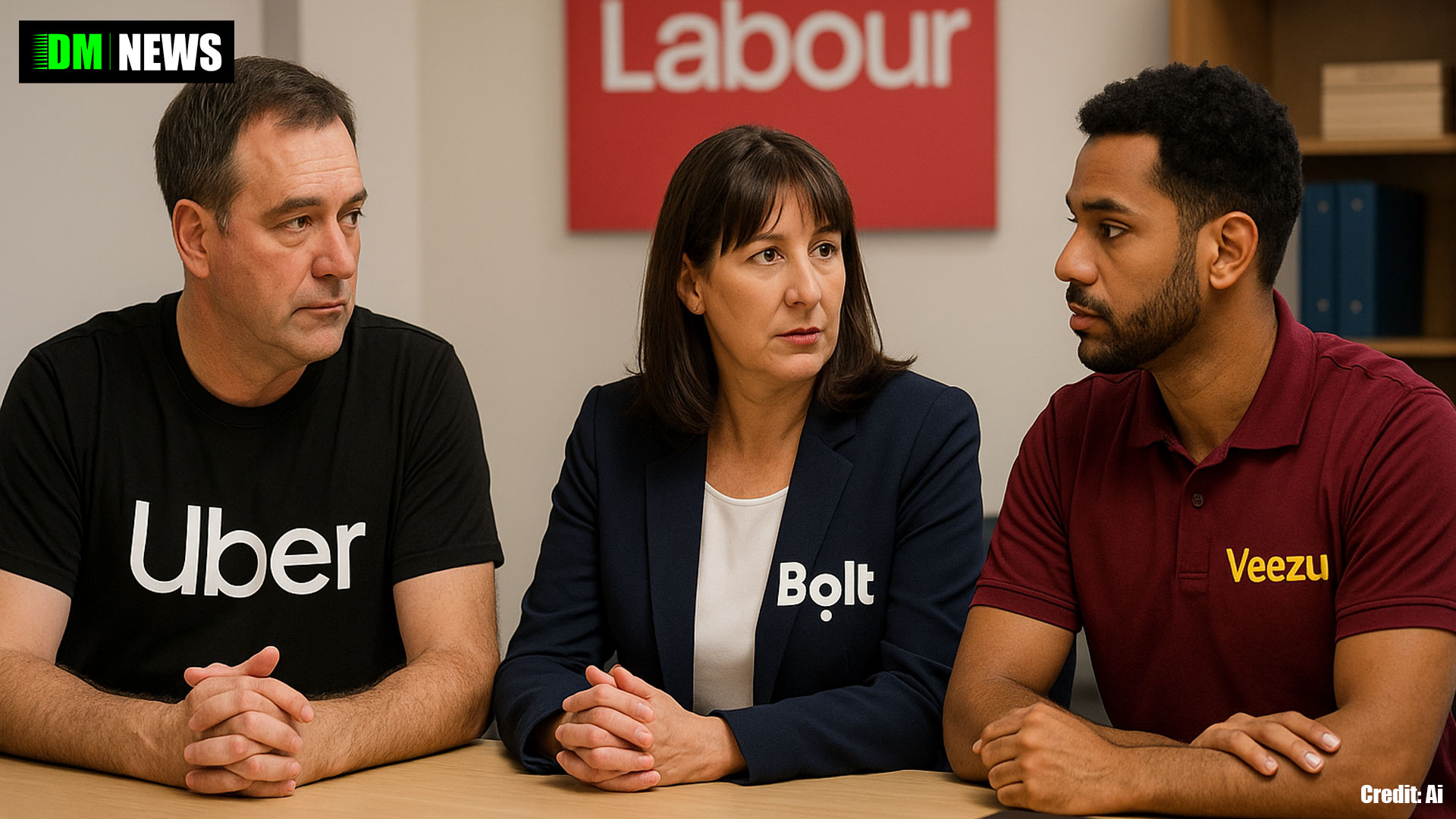
Uber, Bolt and Veezu warn of major fare hikes as Budget approaches
Labour is reportedly considering adding 20% VAT to all private hire vehicle (PHV) journeys in its upcoming Budget later this month. The proposal has prompted a strong response from the UK’s three biggest ride-hailing firms — Uber, Bolt and Veezu — who have jointly written to Chancellor Rachel Reeves urging her to rethink the plan.
According to The Times, the companies warned that the tax would hit vulnerable passengers hardest.
What the companies are saying
In their joint letter, the three operators said they are “united in urging [the Government] not to impose an inflationary VAT increase that would hit vulnerable passengers by driving up the cost of fares for transport services which are an essential lifeline.”
Their message is clear:
A 20% “taxi tax” would raise fares, reduce affordability, and risk pricing out people who rely on PHVs every day — especially elderly passengers, disabled users, night-shift workers, rural communities, hospital patients, and domestic abuse survivors who depend on safe, accessible transport.
DM News analysis: What this means for drivers, passengers and the sector
While the letter highlights the impact on vulnerable users, the story is much bigger — and politically sensitive.
1. Fares WILL go up if VAT is added
PHV margins are already razor-thin. Bringing the entire fare under VAT — not just the operator’s commission — would almost certainly push fares higher. Operators may try to absorb some of the hit, but most of the cost will inevitably fall on passengers.
For taxi and PHV drivers, that means:
- Passengers taking fewer trips
- Lower tips and longer waiting times
- More pressure to work longer hours to make the same income
2. The night-time economy could take a hit
Bars, restaurants, arenas, clubs and festivals all depend on affordable late-night transport. A sudden 15–20% jump in prices could push many people back onto buses — or encourage more illegal, unsafe, unlicensed lifts.
3. Vulnerable users are at genuine risk
DM News regularly covers cases where taxis and PHVs are a lifeline:
- Domestic abuse victims using discreet rides to escape danger
- Older people attending hospital appointments
- Care workers travelling to vulnerable adults
- Women choosing PHVs late at night for safety
A VAT-driven fare increase directly undermines that safety net.
4. Small operators face the biggest squeeze
Uber can fight a VAT change.
Bolt can fight a VAT change.
Veezu can fight a VAT change.
But thousands of local operators — the backbone of UK PHV transport — cannot. Many would be forced to close, or scale back operations to survive.
5. Labour is walking into a political minefield
Introducing a new “tax on taxis” during a cost-of-living squeeze could create a backlash from:
- drivers
- passengers
- disability groups
- rural communities
- night-time safety campaigners
It’s unclear whether the Government will push forward — but the resistance is now loud, coordinated and public.

DM News Commentary
This issue isn’t just about VAT — it’s about the future shape of the UK taxi and private hire industry. Drivers are already struggling with rising insurance premiums, fuel costs, licence fees and platform commissions. A blanket 20% VAT could be the moment the market finally breaks.
For operators, this is a warning sign to prepare for sharper pricing, tougher competition and potentially major shifts in passenger behaviour.
For drivers, it’s yet another reminder that political decisions — not just platform policies — are reshaping the trade.
And for passengers, especially vulnerable groups, a tax designed for revenue could unintentionally cut off the transport they rely on most.
Thanks for visiting DM News!
If you’ve got a question, story, or anything you’d like to say, head over to DriverMatty.com — I’d love to hear from you!
And while you’re there, don’t forget to check out my other websites and social media channels.