September 18, 2025 | DM News
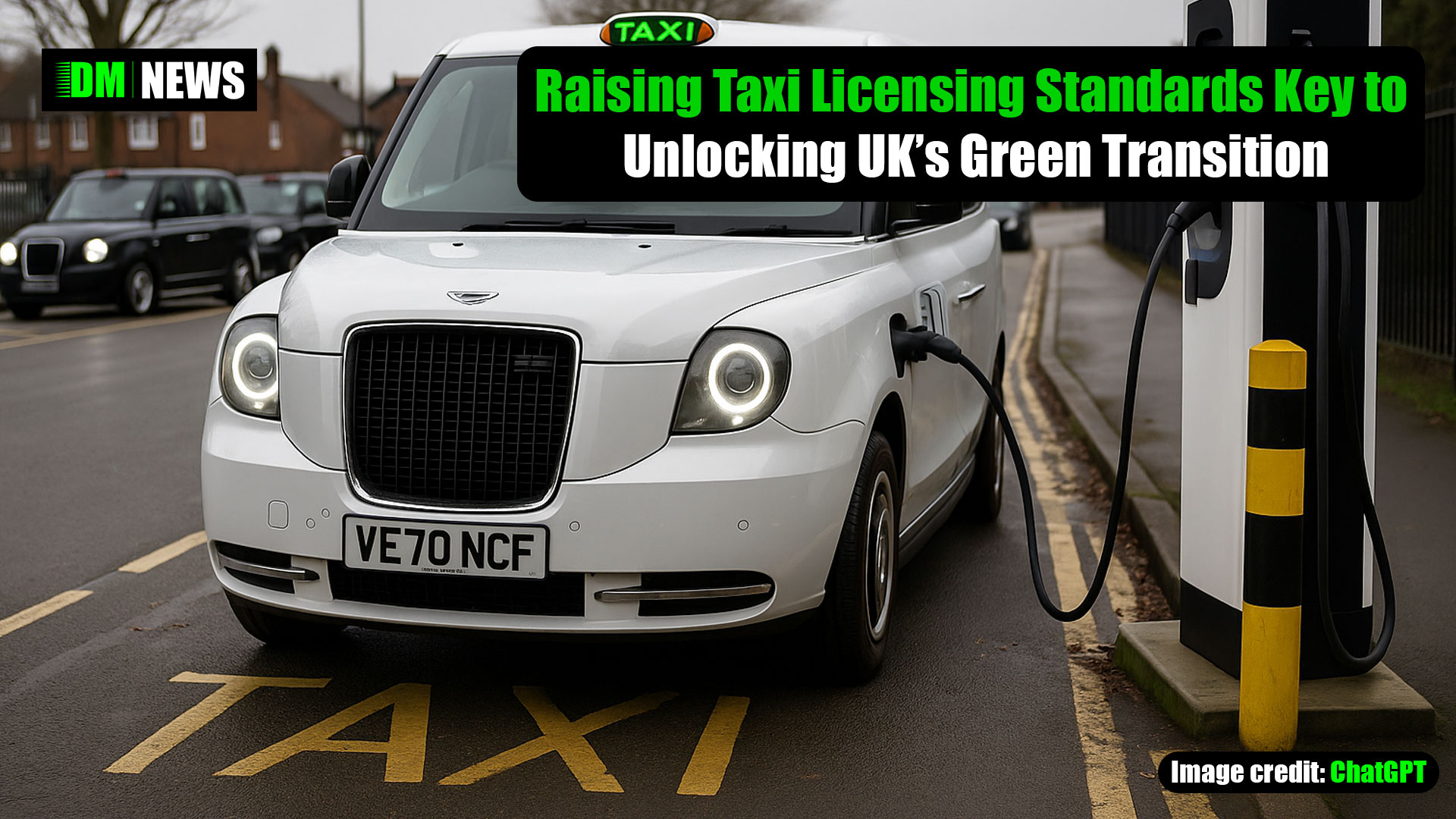
Environmental campaigners are calling on the government to use taxi and private hire vehicle (PHV) licensing reform as a central tool in the UK’s push towards cleaner air, greener jobs, and stronger EV adoption.
In a new submission to Parliament’s licensing inquiry, Transport & Environment UK (T&E UK) and the Clean Cities Campaign argue that the current fragmented system is holding back electrification outside of London, while undermining public health and industrial opportunities.
Patchwork Licensing Hindering Progress
Taxis and PHVs make up just a fraction of the UK’s vehicle fleet, but due to their high mileage and long operating hours, they account for over 4% of all UK car emissions. Diesel vehicles remain a major contributor to toxic nitrogen dioxide (NO₂) pollution in cities, with levels still breaching legal limits in more than a dozen areas.
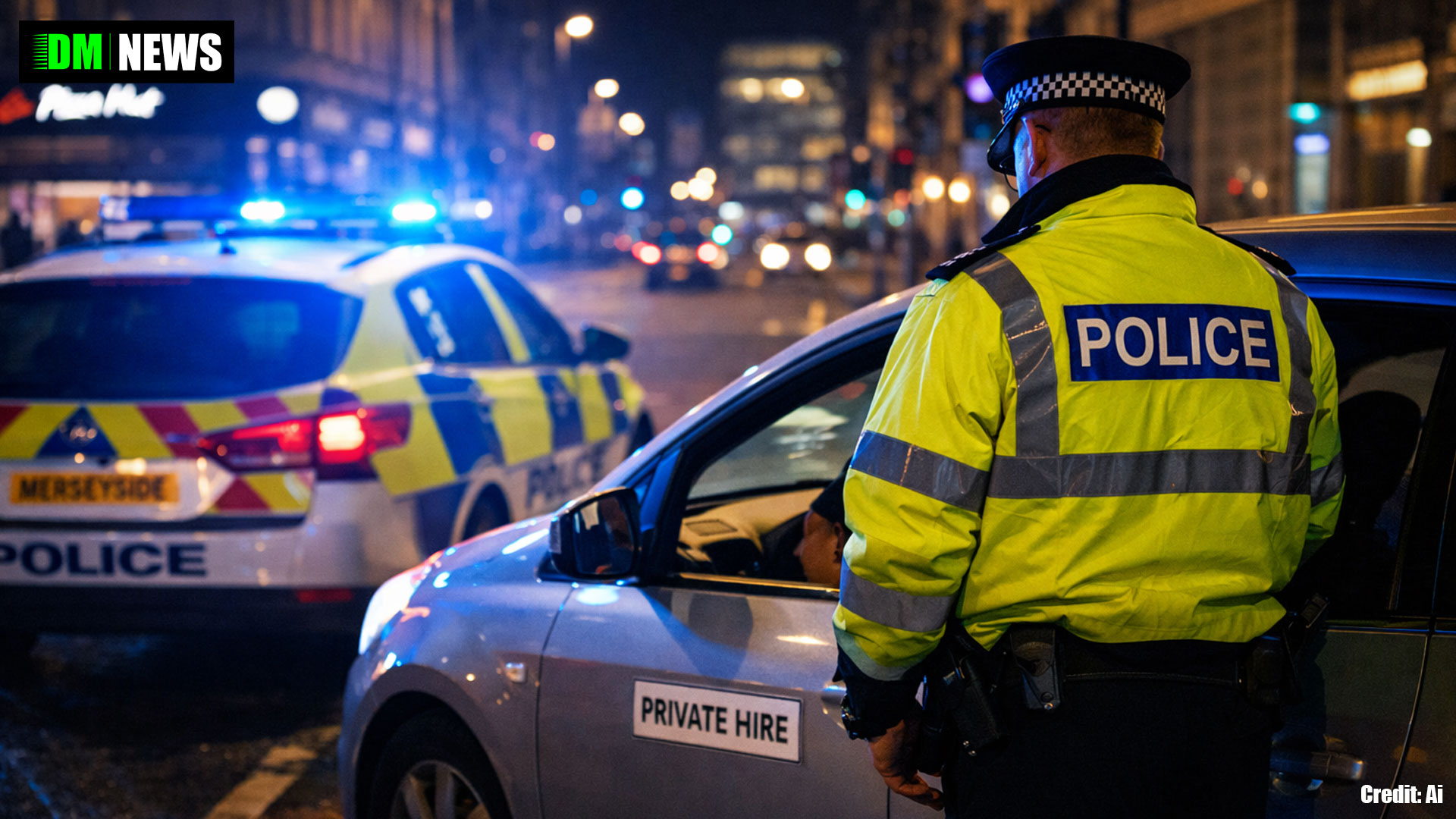
While Transport for London (TfL) has introduced tough standards — banning new diesel taxis and requiring zero-emission capable vehicles — many councils elsewhere allow older, polluting cars to continue in service.
Cross-border licensing loopholes worsen the problem, allowing drivers to register in one authority but operate in another with weaker rules, bypassing local clean air plans.

London Leading, Rest of England Lagging
T&E analysis shows a stark contrast:
- 1 in 5 PHVs in London are now fully electric.
- Outside London, the figure drops to just 1 in 100.
Campaigners say this is not due to a lack of demand from drivers or passengers, but because of inconsistent regulation that makes it difficult for drivers to plan investments with confidence.
National Standards Proposed
To fix this, T&E and Clean Cities Campaign are urging the government to introduce national minimum standards:
- From 2028, all newly licensed taxis and PHVs must be zero-emission vehicles.
- From 2028, a 10-year age limit on petrol and diesel taxis and PHVs would apply, ensuring the oldest and dirtiest vehicles are retired.
The groups argue this dual approach would:
- Give drivers certainty over future rules.
- Support UK manufacturing — particularly the new Sunderland-built Nissan Leaf.
- Cut harmful emissions years earlier.
- Provide consistency for councils and charging infrastructure investors.
Boost for UK Industry
The submission highlights that around 5% of London’s EV taxi and PHV fleet is made up of Nissan Leafs. With the next generation of the Leaf to be built in Sunderland, campaigners say stronger licensing rules could directly support British jobs and the EV supply chain.
Black cab manufacturer LEVC has also warned against delays to Clean Air Zones and vehicle age limits in cities like Manchester, noting that policy certainty is key to driver confidence and long-term investment.
Public Health Benefits
Campaigners stress that taxis and PHVs are highly visible on city streets, meaning action in this sector could deliver a rapid and noticeable improvement in local air quality.
Phasing out diesel vehicles would help protect children, the elderly, and those with health conditions most vulnerable to toxic air.
The submission also warns against treating plug-in hybrids (PHEVs) as a solution, noting that they emit on average 3.5 times more CO₂ than test figures suggest, with higher running costs for high-mileage taxi drivers.
London Case Study: A Blueprint for the UK
Since 2018, all new London taxis have had to be zero-emission capable, sparking major investment in Coventry by LEVC and accelerating electrification in the capital.
By January 2025:
- 60.7% of London’s taxis were range-extended EVs.
- 53.4% of PHVs were battery electric or plug-in hybrid.
Private operators such as Uber responded by launching its £145m Clean Air Fund, helping drivers cover the cost of EVs and charging infrastructure.
TfL is now preparing a fresh consultation in 2025/26 on requiring full zero-emission taxis and PHVs, a move campaigners say other cities could replicate if national licensing loopholes are closed.
What’s Next?
The government’s taxi licensing inquiry is still gathering evidence. If the recommendations from T&E UK and Clean Cities Campaign are adopted, the UK could see one of the fastest transitions to EV taxis in Europe, cutting pollution and supporting domestic manufacturing in the process.
Thanks for visiting DM News! If you’ve got a question, story, or anything you’d like to say, head over to DriverMatty.com — I’d love to hear from you! And while you’re there, don’t forget to check out my other websites and social media channels.