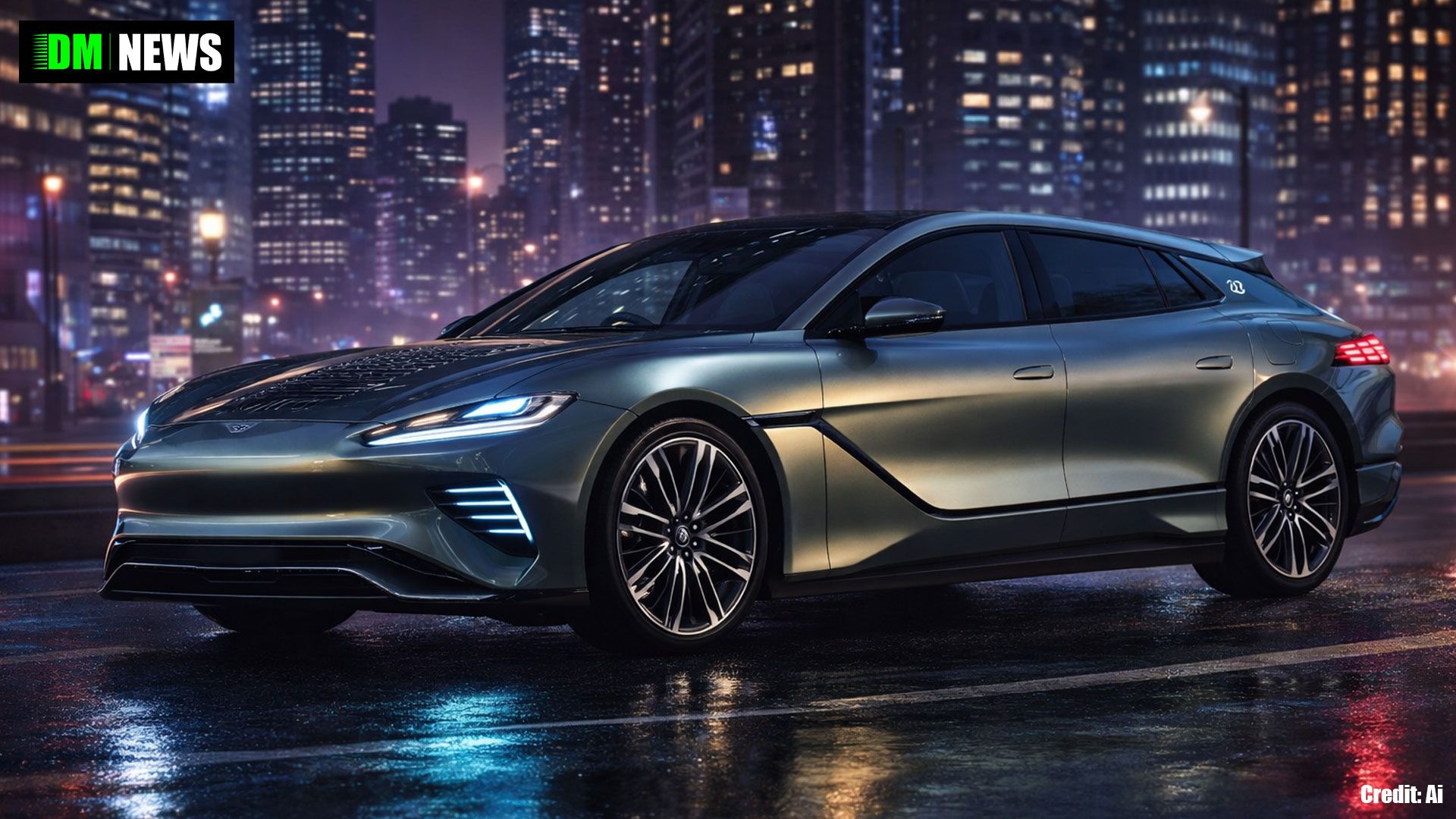
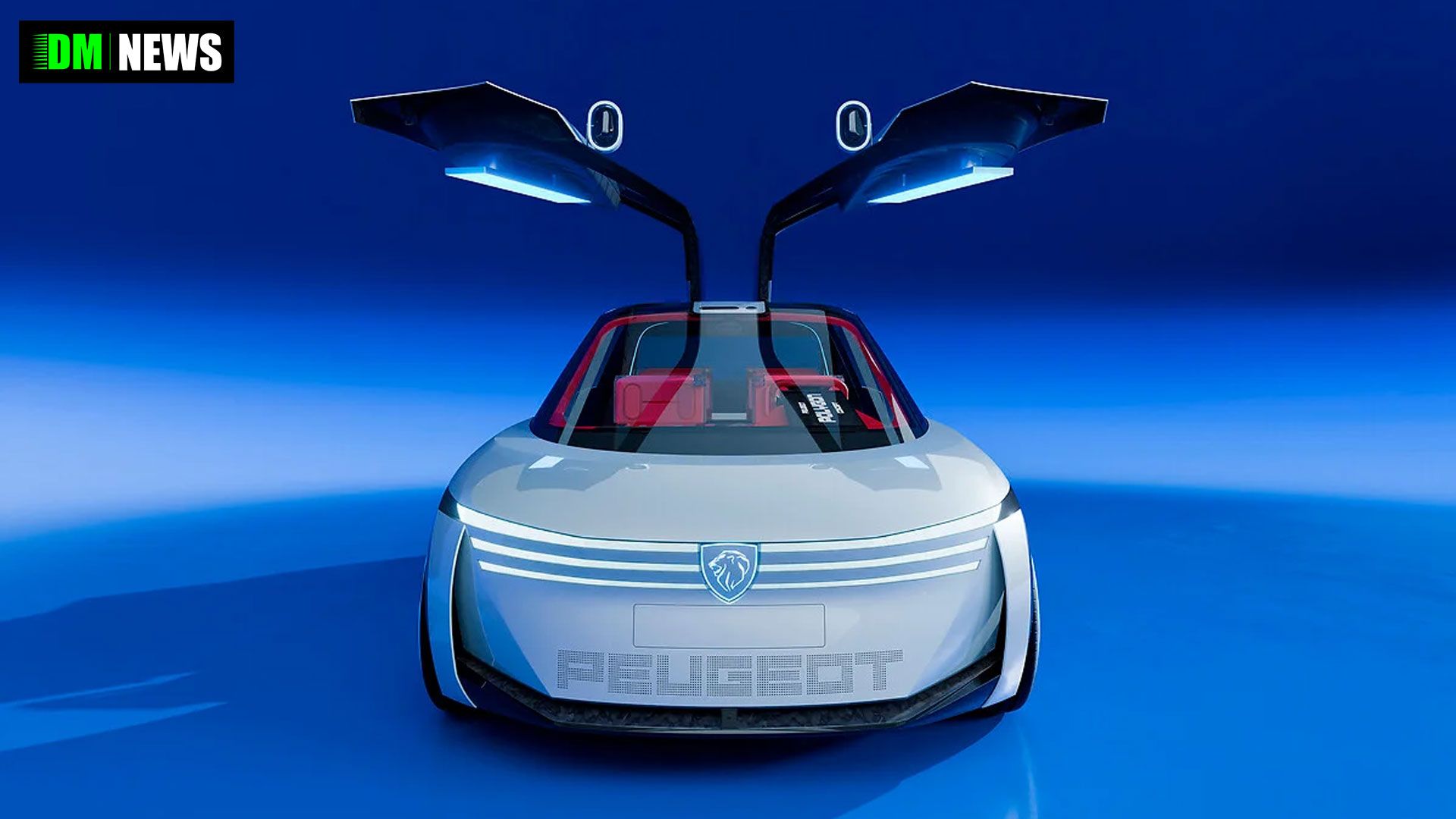
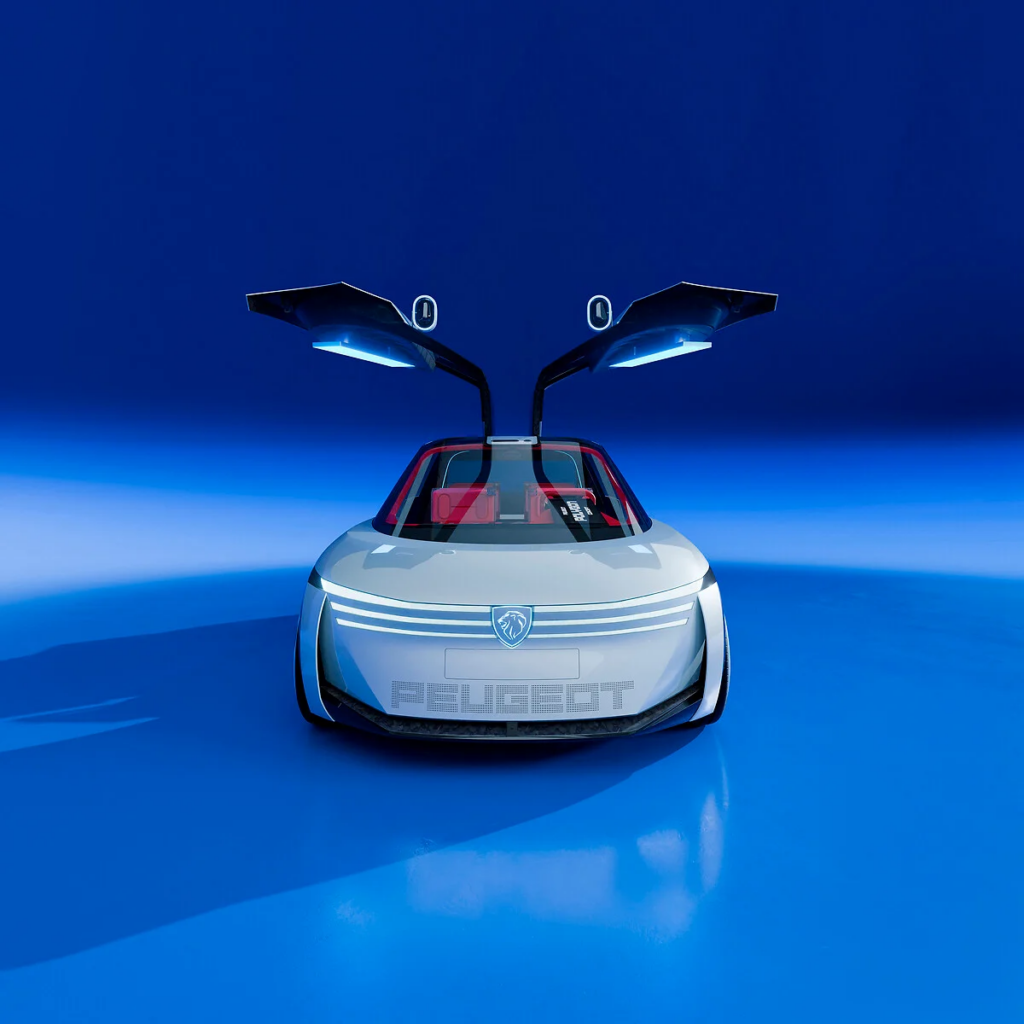
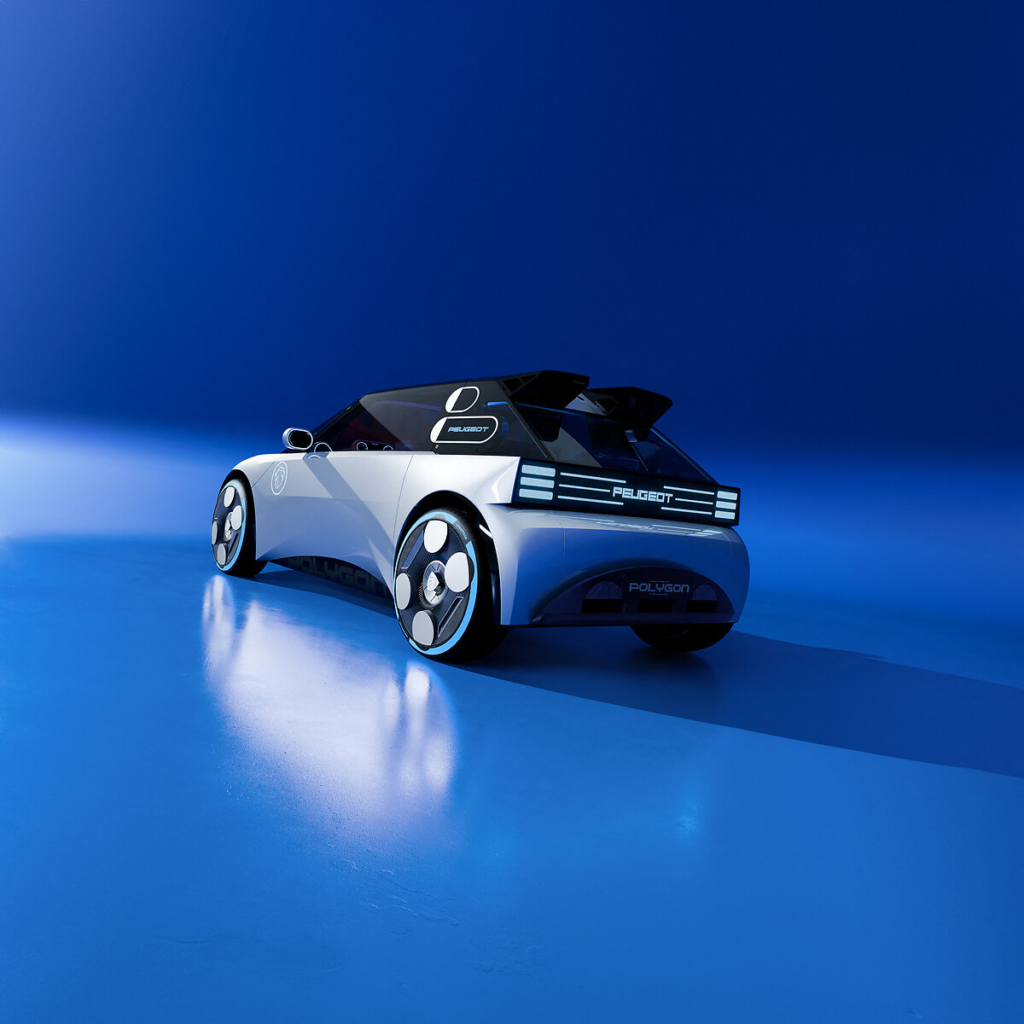
Peugeot has officially unveiled the Polygon Concept, a futuristic compact concept car that offers a bold preview of the brand’s vision for the next generation of vehicles.
The concept car measures under four metres in length, but despite its compact size it introduces a range of innovations designed to shape Peugeot models expected to arrive from 2027 onwards. According to the company, the Polygon Concept acts as a dynamic testing platform for new technologies, design language, and sustainable manufacturing methods.
The concept was first teased digitally inside “Polygon City” in the Fortnite game, before being revealed as a physical vehicle demonstrating how these ideas could work in real-world driving conditions.
Reinventing the steering wheel with Hypersquare
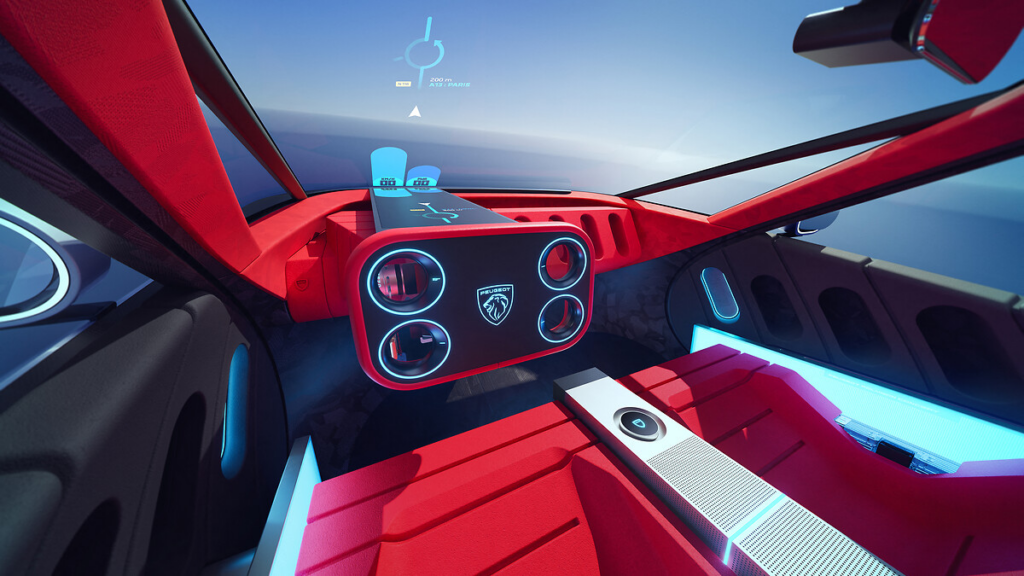
One of the most radical features of the Polygon Concept is Peugeot’s new Hypersquare® steering control, which replaces the traditional circular steering wheel with a square-shaped interface.
The Hypersquare works together with Steer-by-Wire technology, removing the traditional mechanical connection between the steering wheel and the front wheels and replacing it with an electronic system. This technology is already used in aerospace applications and Peugeot says it will appear on a production vehicle starting in 2027.
The system also adjusts the steering ratio depending on speed. At low speeds, such as parking or tight manoeuvres, the Hypersquare allows quick movements with minimal steering input. The system rotates just under a full turn lock-to-lock, compared with around three turns in a conventional steering wheel.
At higher speeds, smaller inputs allow precise adjustments to the car’s direction. Peugeot says the combination delivers greater agility, responsiveness and comfort while filtering out unwanted vibrations from the road.
Windscreen becomes the main display
Inside the Polygon Concept, Peugeot has redesigned the familiar i-Cockpit layout.
Instead of traditional dashboard screens, the car uses a Micro-LED projection system that displays driving information directly onto the windscreen. The display measures 24cm by 74cm, roughly equivalent to a 31-inch screen.
Drivers can customise the information displayed depending on driving mode. Three main settings are offered:
- Cruise – designed for relaxed everyday driving
- Fun – a more engaging visual environment
- Hyper – a more dynamic driving-focused mode
When the vehicle is stationary, the Micro-LED system can also display animations that are visible from outside the car, linking the interior lighting and exterior design together.
A new design direction for Peugeot
The Polygon Concept also previews a fresh design language for future Peugeot models.
At the front, the brand’s signature three-claw lighting design is reimagined using Micro-LED technology in a horizontal layout. The lighting can display animated graphics and colour effects when the car is stationary.
Elsewhere, the design focuses on clean geometric shapes and a “feline” stance, reinforcing Peugeot’s evolving identity.
A Micro-LED display on the C-pillar also allows drivers to check the car’s battery charge level from outside, located next to a pop-up charging connector.

Personalisation taken to another level
Peugeot has designed the Polygon Concept with extensive personalisation options both inside and out.
The cabin includes modular holders that allow passengers to store everyday items such as phones, headphones, backpacks, caps or even skateboards. Components like the Hypersquare steering control, dashboard elements and seat foam can also be swapped quickly for different colours or styles.
Even the tyres feature unique customisation. Peugeot partnered with Goodyear to develop laser-engraved coloured tyre sidewalls, allowing different visual styles to match each configuration.
The tyres also include Goodyear SightLine technology, which communicates with the vehicle to provide real-time information about tyre condition and road performance.
Three different personalities in one car
To demonstrate how flexible the concept can be, Peugeot revealed three visual configurations for the Polygon Concept.
Urban focuses on sleek styling and city-friendly design.
Player introduces a sportier appearance with more aggressive detailing.
Explorer adds a rugged look with protective elements designed to suggest off-road capability.
These versions were also showcased within the Polygon City environment inside Fortnite, giving players a chance to explore the concept virtually.
Designed with sustainability in mind
Sustainability plays a major role in the Polygon Concept’s development.
Peugeot says the vehicle uses a high proportion of recycled materials, including interior lacquer containing recycled tyre components and a “forged textile” material made from recycled seats of dismantled Peugeot vehicles.
The seats themselves are built using 3D-printed shells made from recycled plastic (R-PET) combined with a single-piece moulded foam structure.
The overall design also reduces the number of parts used in the car. For example, the vehicle has two large butterfly doors instead of four conventional doors, while many components are designed to be easily replaceable.
According to Peugeot, this approach makes the vehicle easier to manufacture, repair, update and eventually recycle.
DM News Commentary
Concept cars like the Peugeot Polygon rarely reach production exactly as shown, but they often hint at where the industry is heading.
Features such as steer-by-wire steering systems, windscreen-wide displays and modular interiors suggest manufacturers are rethinking how drivers interact with vehicles entirely. The idea of easily replaceable components and long-term personalisation could also change how long people keep their cars.
For drivers in industries such as taxis, private hire, and ride-hailing, innovations that simplify controls, improve visibility, and reduce manufacturing complexity could eventually translate into more durable vehicles with lower running costs.
Whether the Hypersquare steering wheel becomes the next big innovation or remains a bold experiment remains to be seen — but Peugeot is clearly exploring some radical ideas for the cars of the late 2020s.
Thanks for visiting DM News! If you’ve got a question, a story tip, or anything you’d like to share, head over to DriverMatty.com — I’d love to hear from you.
While you’re there, don’t forget to check out my other websites and social media channels.