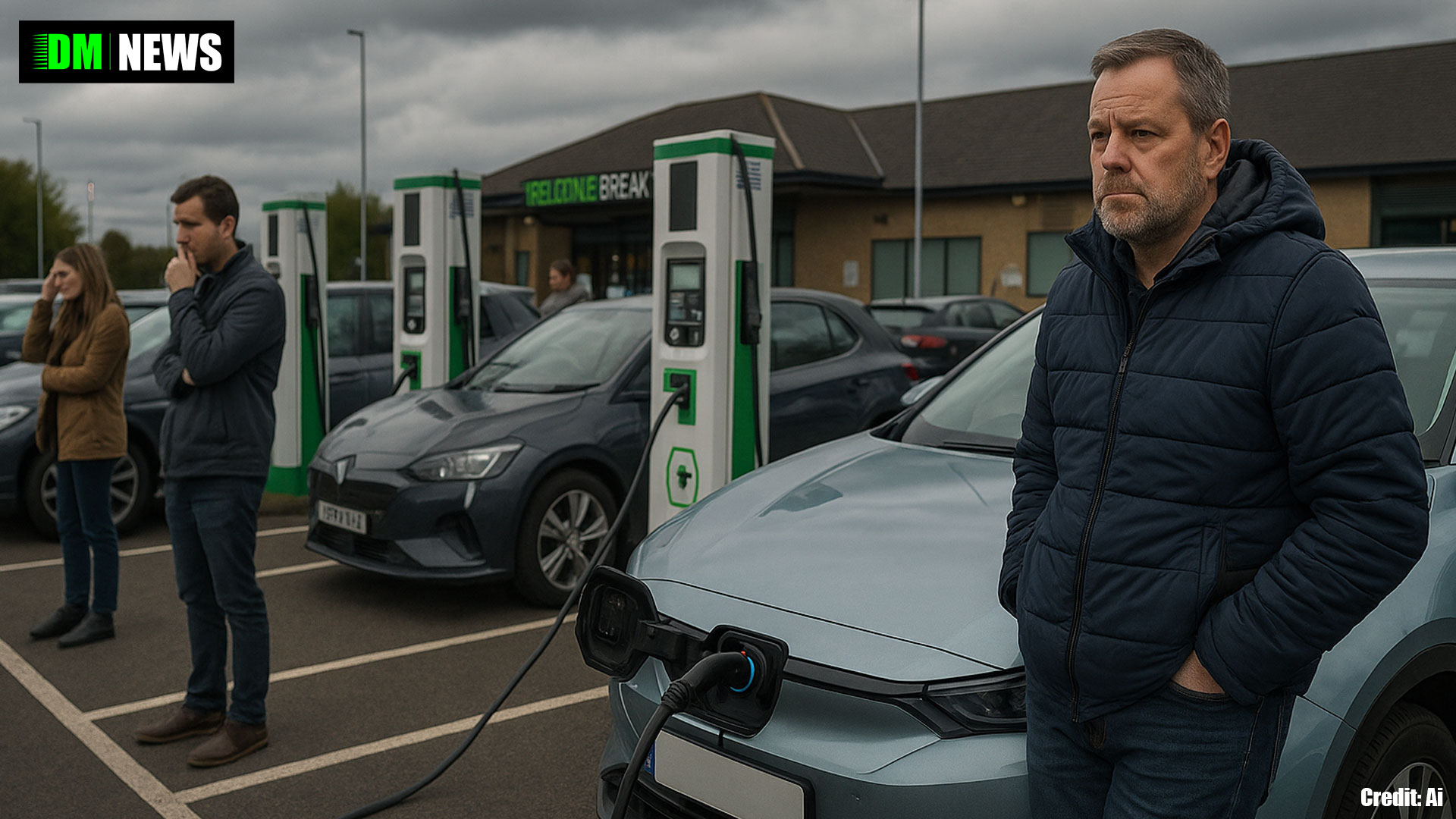
New research from Close Brothers Motor Finance has revealed that almost half of UK drivers have reconsidered purchasing an electric vehicle (EV) following recent changes to car tax rules.
The survey found that 45% of motorists are now less likely to buy an EV, with many citing increased running costs and new tax burdens as key factors influencing their decision.
The end of tax-free electric motoring
From April 2025, electric vehicles will no longer be exempt from Vehicle Excise Duty (VED). All newly registered EVs will now pay £10 in the first year and then the standard annual rate of £195.
In addition, EVs with a list price above £40,000 will face the “Expensive Car Supplement” — adding an extra £425 per year for five years, bringing the total tax bill for some EVs to around £620 annually.
Industry experts warn that this policy shift is making EV ownership less appealing to private buyers who had been encouraged to switch under earlier government incentives.
Buyer sentiment shifting
According to Close Brothers Motor Finance, the tax changes are directly influencing consumer confidence:
- 22% of drivers say they no longer plan to buy an EV.
- 24% are now considering purchasing a used EV instead of a new one.
Dealerships and fleet operators are already reporting increased hesitation from customers who feel the financial advantage of going electric is diminishing.
Impact on taxi and private hire operators
For taxi, private hire, and airport transfer businesses — many of which are gradually transitioning to electric fleets — the changes could slow down adoption.
Higher upfront prices combined with annual tax increases make it harder for small operators and self-employed drivers to justify the switch. Industry insiders suggest this could delay progress toward local clean air targets and zero-emission licensing requirements.
Operators are also being urged to review total cost of ownership carefully, including:
- Purchase price or lease rates
- Charging infrastructure access
- Range and downtime
- Insurance and maintenance
- Now, increased annual tax costs
Calls for government review
Close Brothers Motor Finance and other automotive industry bodies have called on the government to reconsider the tax structure for electric vehicles.
They argue that while EVs remain crucial to achieving net-zero goals, the removal of key financial incentives risks stalling momentum and undermining confidence at a critical stage for the market.
The road ahead
Despite the challenges, EV adoption continues to rise, particularly among fleets and company car users who still benefit from lower benefit-in-kind (BiK) rates.
However, analysts warn that private drivers — who make up the majority of the market — could now delay their switch, opting for hybrid or efficient petrol alternatives until costs stabilise.
For businesses in the private hire and airport transfer sector, the focus will likely shift toward maximising the value of existing petrol and diesel fleets while monitoring how the government responds to growing pressure from the industry.
Thanks for visiting DM News! If you’ve got a question, story, or anything you’d like to say, head over to DriverMatty.com — I’d love to hear from you! And while you’re there, don’t forget to check out my other websites and social media channels.
Sources: