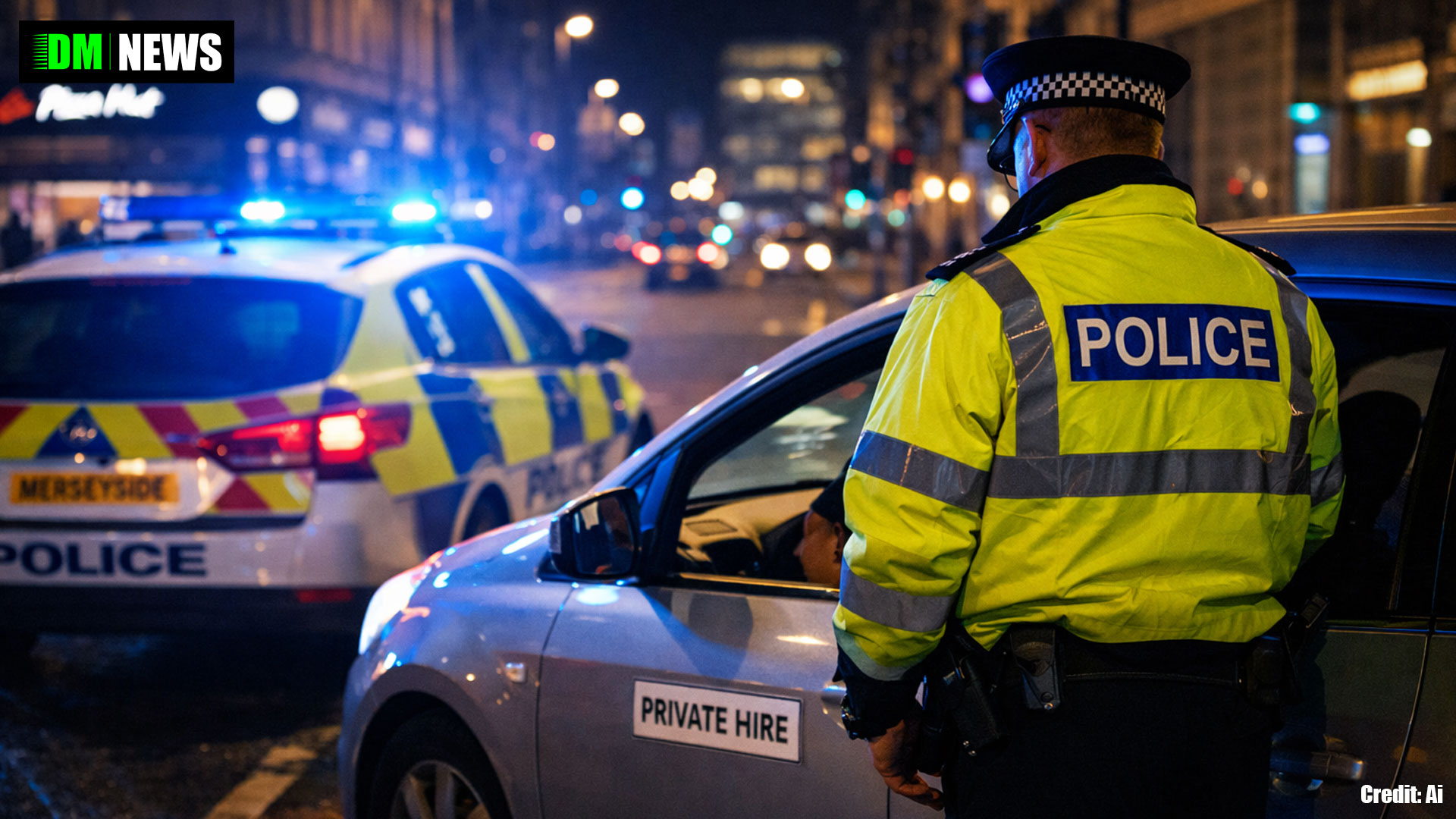
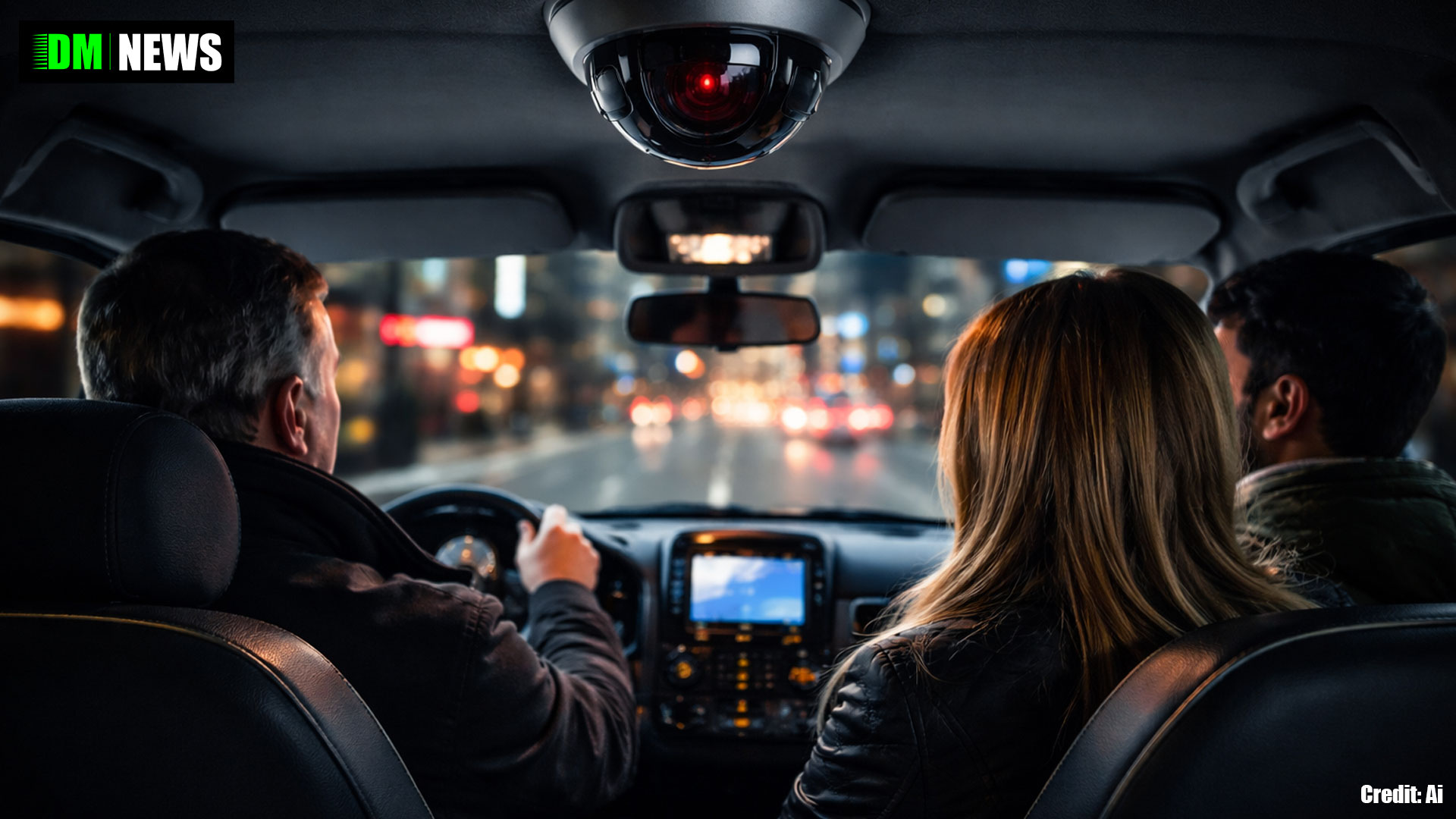
An article published by the BBC reports that a government minister has publicly signalled support for making CCTV mandatory in taxis and private hire vehicles. According to the piece, the proposal is being positioned as a safeguarding measure aimed at helping prevent and detect serious crimes, including grooming gang exploitation.
The article explains that CCTV is seen as a tool that could both deter criminal behaviour and provide crucial evidence where allegations are made. It also notes that licensing authorities have long debated the balance between public safety, driver protection, and passenger privacy, with CCTV frequently raised following high-profile cases involving abuse and exploitation.
The minister’s comments suggest that the government may be more open to a national approach, rather than the current patchwork of local licensing conditions, where some councils mandate CCTV and others do not.

DM Commentary
This is a sensitive but important discussion for the taxi and private hire trade. CCTV has increasingly been recognised as a form of protection not just for passengers, but for drivers too. Many drivers already support in-vehicle cameras because they can deter false allegations and provide clear evidence when incidents occur.
However, any move towards mandatory CCTV needs to be handled carefully. Clear national standards would be essential — covering data storage, access, retention periods, signage, and compliance with data protection rules — so drivers aren’t left navigating complex and inconsistent local requirements.
If introduced properly, CCTV could help raise confidence in the trade and strengthen safeguarding without unfairly burdening drivers or operators. But it must be practical, proportionate, and properly regulated, rather than another unfunded mandate pushed down to the frontline.
Thanks for visiting DM News! If you’ve got a question, a story tip, or anything you’d like to share, head over to DriverMatty.com — I’d love to hear from you.
While you’re there, don’t forget to check out my other websites and social media channels.