
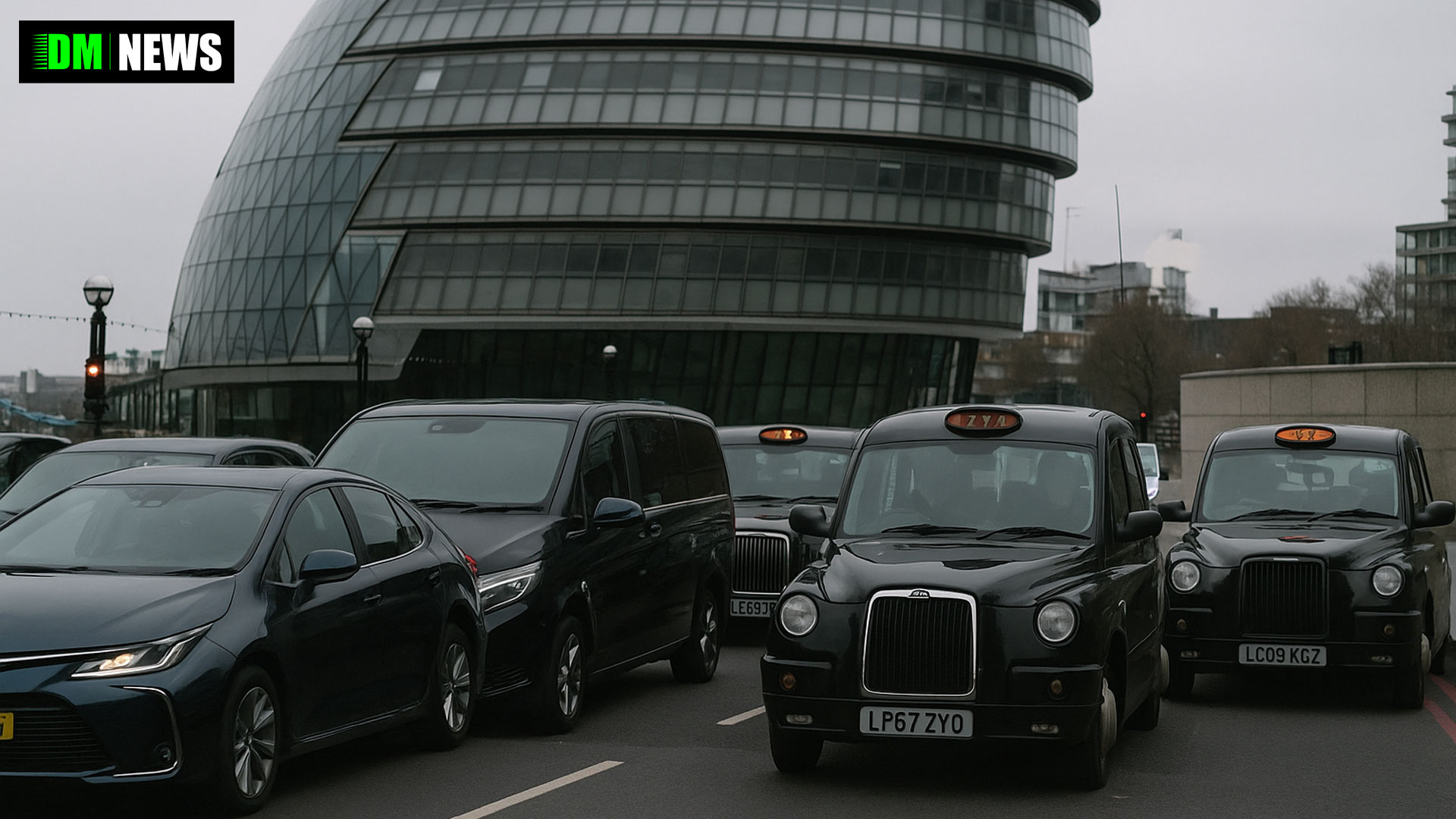
The number of private hire drivers licensed to operate in London has surged past 106,000, sparking renewed calls for tighter regulation amid growing concerns over congestion, driver income, and passenger safety.
Record Numbers Raise Industry Alarm
According to figures published by Transport for London (TfL), the capital now has more than 106,000 licensed private hire drivers — the highest on record. The figure reignites long-standing concerns from unions, the London Assembly, and the taxi trade that the city’s roads are becoming oversaturated with minicabs and app-based drivers.
Elly Baker, Labour London Assembly Member and Chair of the Transport Committee, said the situation is “no longer sustainable” and has written to both TfL Commissioner Andy Lord and Transport Secretary Heidi Alexander urging urgent reform.
“The capital’s private hire industry has reached breaking point. Without action to introduce a cap on driver numbers, we risk worsening congestion, reducing driver income, and undermining safety standards,” Baker warned.
Unions and Trade Groups Demand Urgent Action
The App Drivers and Couriers Union (ADCU) has echoed the London Assembly’s concerns, calling for a legally enforceable cap on private hire vehicle (PHV) licences.
The union says the constant influx of new drivers — many joining platforms such as Uber, Bolt and Freenow — is pushing existing workers to breaking point.
James Farrar, ADCU General Secretary, said:
“We’ve reached a stage where thousands of drivers can no longer make a living. TfL needs Government powers to limit the number of licences issued. It’s about fairness, safety, and protecting the trade.”
The union also wants TfL to make data-sharing mandatory for all private hire operators, allowing regulators to see fare structures, driver pay, and algorithmic pricing decisions — something they say would bring “transparency and accountability” to the ride-hailing market.
A Decade of Change in London’s Taxi Market
While private hire numbers have climbed sharply, the number of licensed black cabs in London has dropped from around 22,800 in 2014 to fewer than 15,000 in 2024. Many within the taxi trade believe the surge in PHV licences has eroded work for traditional cabbies and worsened traffic in central London.
The London Assembly is also warning that “cross-border” drivers — those licensed in councils such as Wolverhampton but working predominantly in the capital — are adding to the saturation problem and making enforcement harder.
TfL and Government Response
TfL said it recognises the growing challenges in the sector and will “carefully consider” recommendations made by both the Assembly and industry representatives. The authority’s Taxi and Private Hire Action Plan is currently under review, with officials exploring what powers may be needed to manage licence numbers.
However, a TfL spokesperson confirmed that no formal cap currently exists, and any new limits would likely require Government approval.
Meanwhile, the Department for Transport has stated that licensing decisions remain devolved to local authorities but confirmed it is monitoring the situation closely as part of a nationwide inquiry into taxi and PHV standards launched by the Transport Committee earlier this year.
Impact on Drivers and the Road Ahead
Industry figures say the record-high number of private hire drivers is having a direct impact on take-home pay. More competition for passengers means longer waiting times, longer hours, and growing pressure to accept lower fares.
Many drivers have also raised safety and wellbeing concerns, warning that exhaustion is becoming commonplace. Environmental campaigners argue that the rise in vehicles undermines efforts to reduce emissions and congestion.
While both TfL and Westminster appear cautious about imposing a cap, momentum is clearly building for reform. With London’s roads more crowded than ever, the future of the capital’s private hire industry — and the livelihoods of over 100,000 drivers — hangs in the balance.
Thanks for visiting DM News! If you’ve got a question, story, or anything you’d like to say, head over to DriverMatty.com — I’d love to hear from you! And while you’re there, don’t forget to check out my other websites and social media channels.