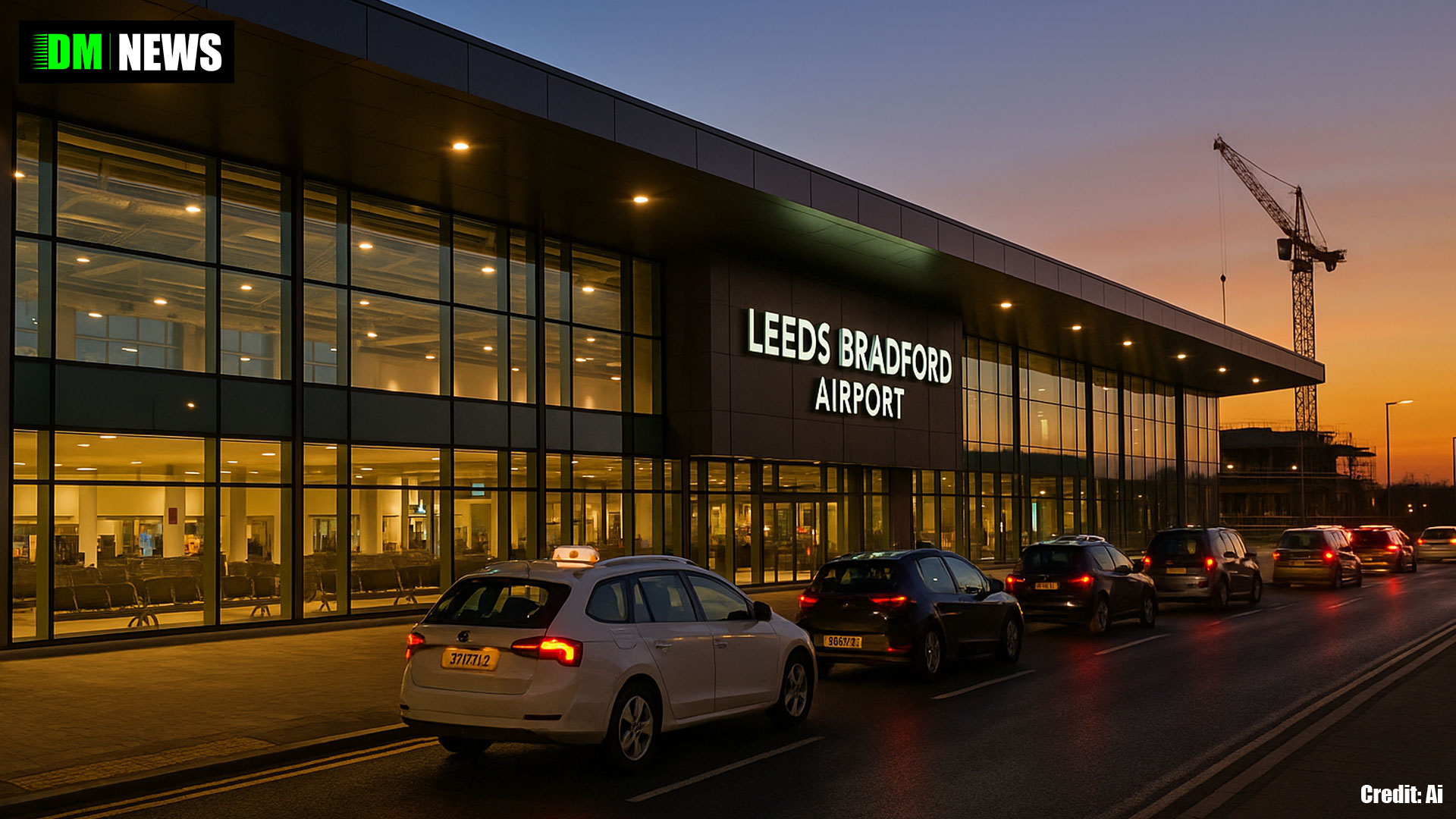
Leeds Bradford Airport (LBA) has begun a significant upgrade of its terminal facilities as part of its LBA:REGEN development programme, which forms a core part of the airport’s wider Vision 2030 strategy. According to the airport’s official announcement, the project will deliver 38% more terminal floorspace, 76% more retail space, 83% more seating, and a major overhaul of security and arrivals areas.
Phase 1: New terminal extension
The airport confirms that Phase 1 includes a large three-storey terminal extension designed to improve passenger flow and reduce congestion during peak times. The new building will introduce expanded security zones, improved check-in areas, and upgraded baggage facilities.
Phase 2: Full refurbishment of the existing terminal
LBA says the current terminal will undergo a full modernisation during Phase 2, including new lounges, updated retail and food outlets, improved accessibility features, and upgraded immigration halls. This work is expected to be completed by 2026.
Why the expansion matters
The airport states that its investment will help support long-term passenger growth and improve the overall reliability of the airport experience. The Vision 2030 plan also sets out ambitions to strengthen Yorkshire’s global connectivity and create substantial job opportunities over the next decade.
Impact on taxi, private hire and airport transfer operators
For drivers and operators across Leeds, Bradford and wider Yorkshire, the regeneration will likely bring:
- Higher transfer demand as passenger numbers increase.
- Changes to pick-up/drop-off zones, particularly during construction phases.
- Temporary traffic diversions around terminal access roads.
- More late-night and early-morning services as the airport expands its flight offering over time.
Operators serving LBA should monitor airport updates closely, as changes to road layouts, signage and passenger flow can directly affect waiting times and customer satisfaction.

DM News Commentary
The LBA:REGEN programme marks the biggest transformation in the airport’s modern history. For taxi and private-hire drivers, this isn’t just a construction story — it’s a clear signal to prepare for rising demand and shifting logistics around the terminal. Drivers who stay ahead of layout changes and adapt quickly to new operating zones will have the strongest advantage as the airport continues to grow.
Thanks for visiting DM News! If you’ve got a question, story, or anything you’d like to say, head over to DriverMatty.com — I’d love to hear from you! And while you’re there, don’t forget to check out my other websites and social media channels.