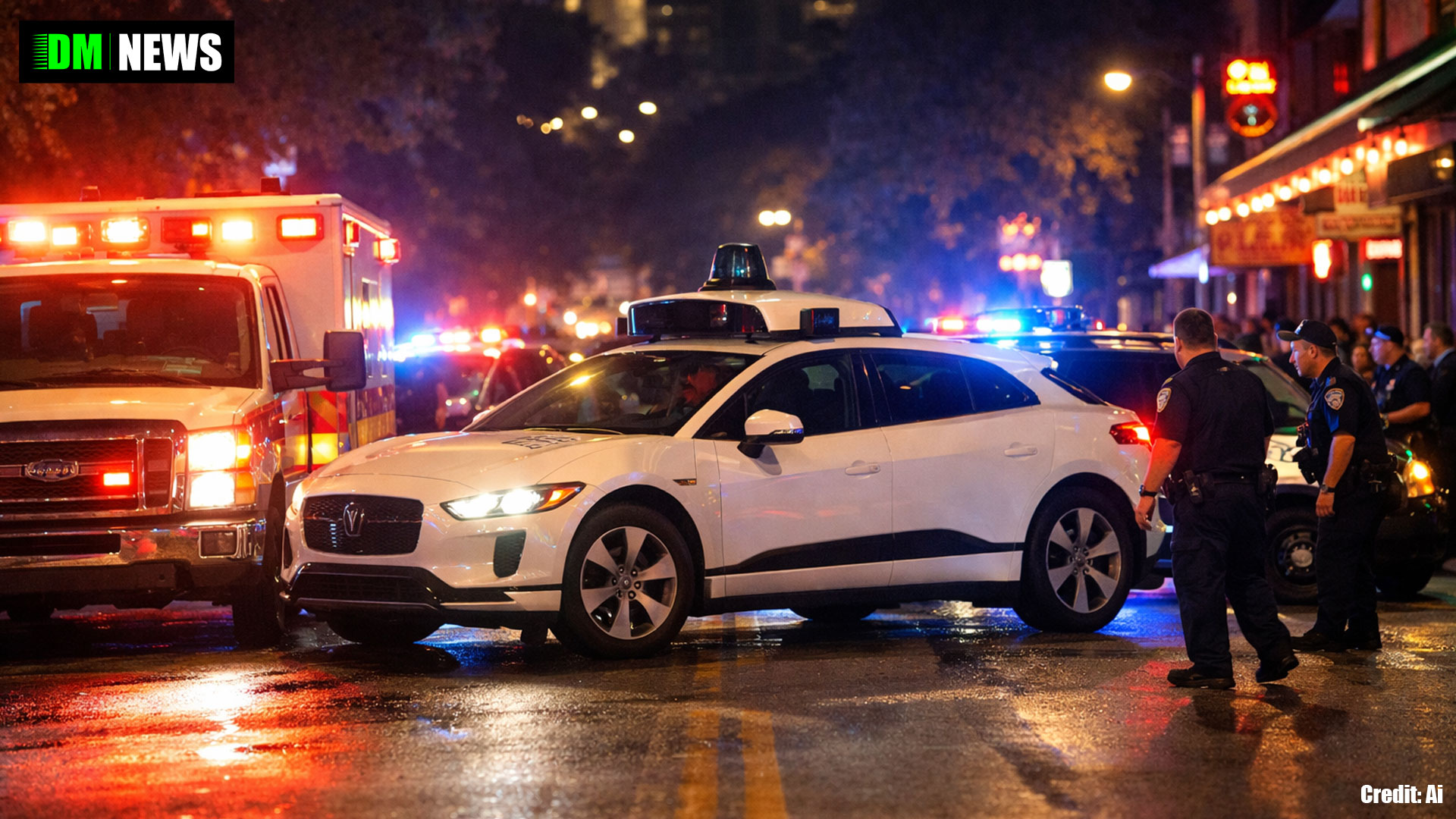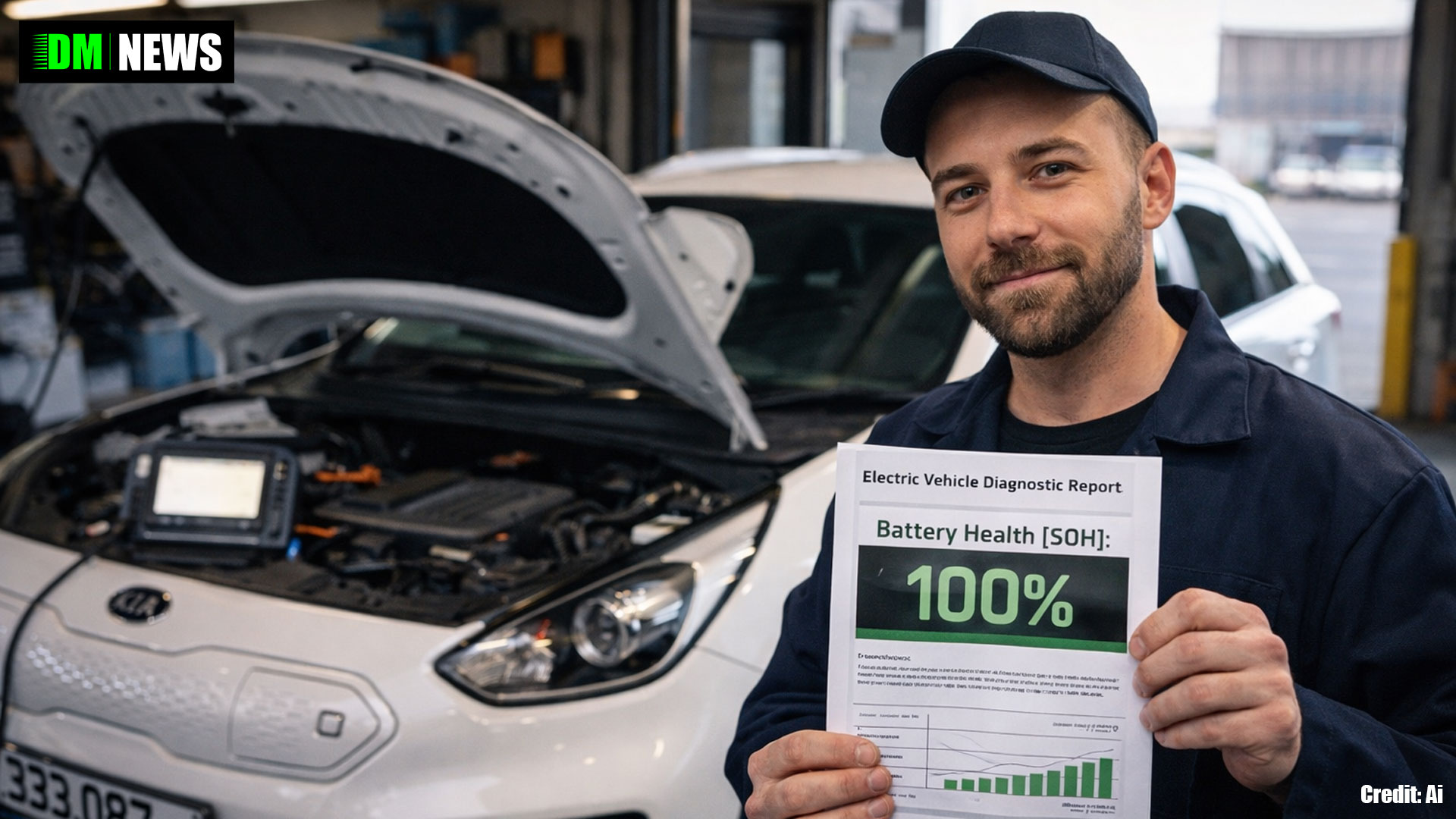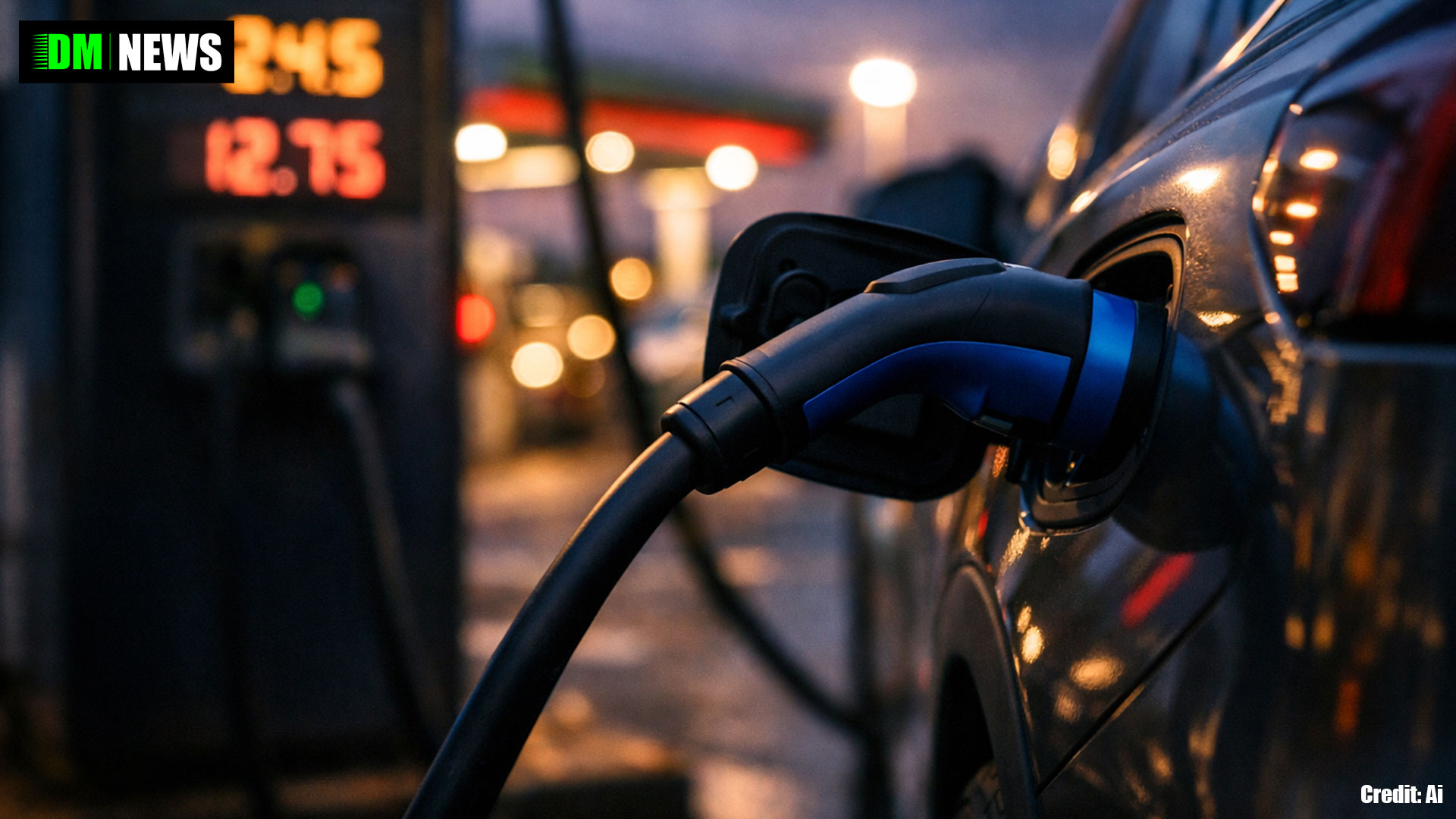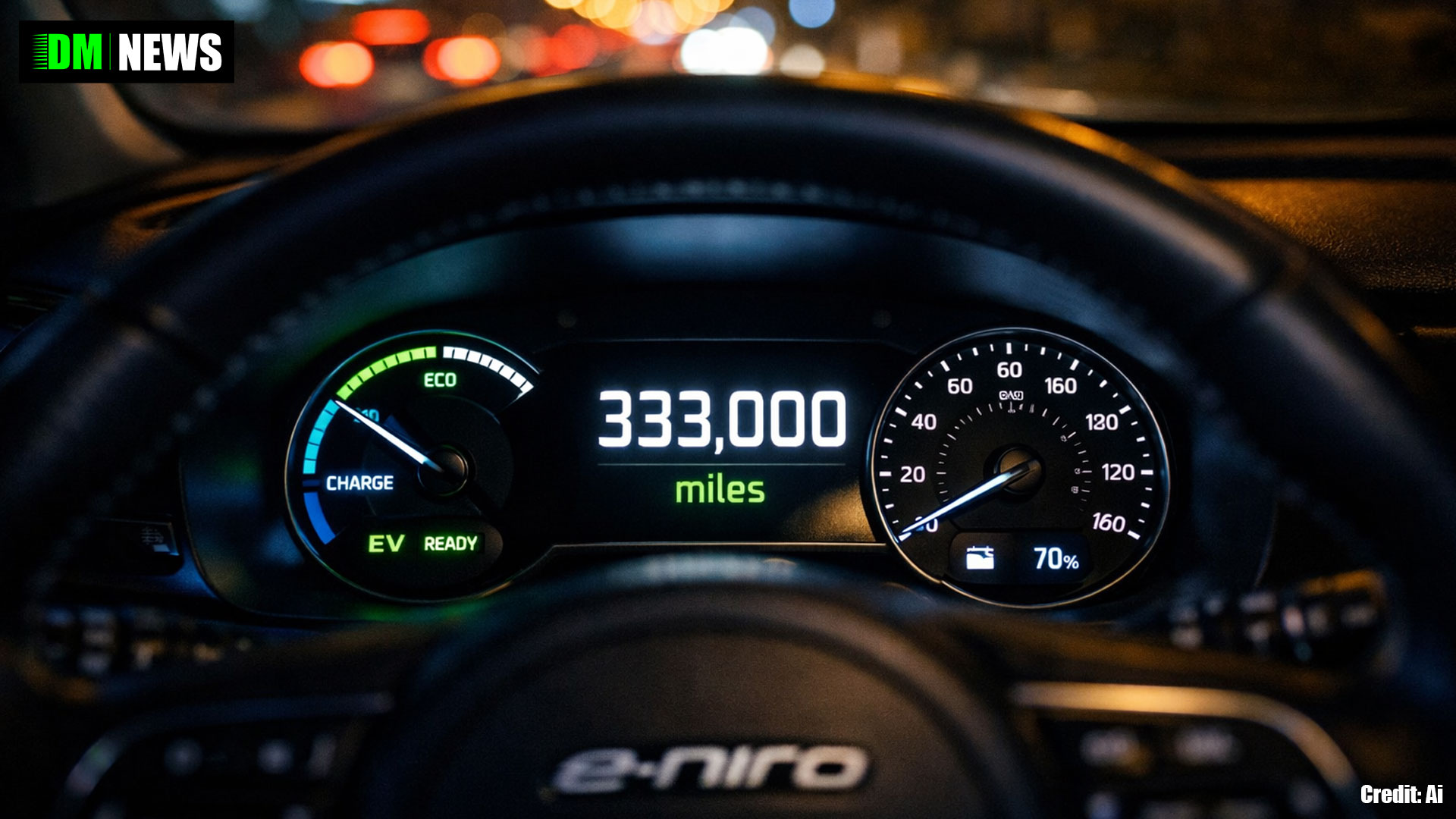
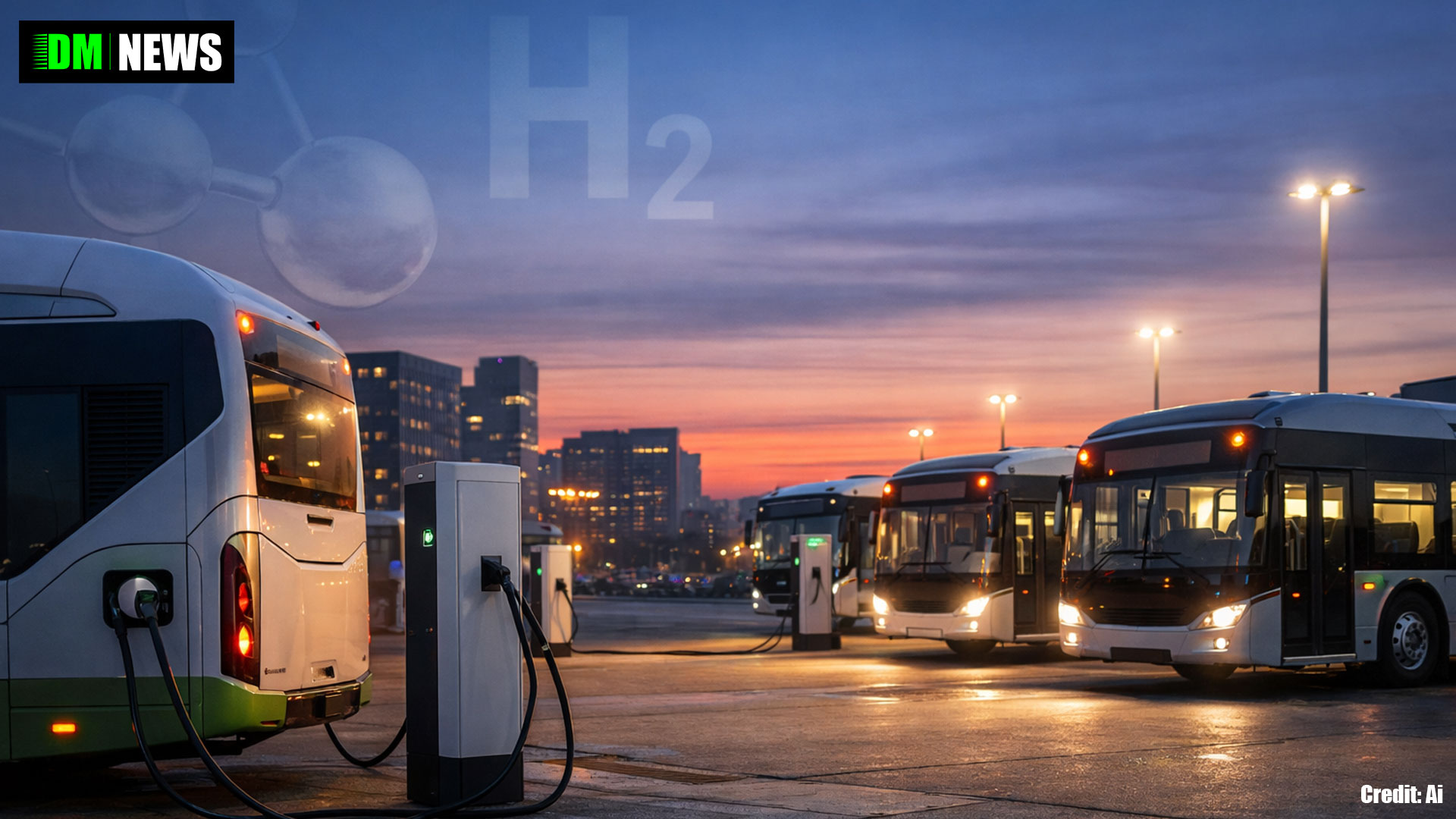
A report published by Route One has revealed that Liverpool’s hydrogen bus fleet is set to transition to battery-electric operation, following further investment into charging infrastructure and vehicle upgrades. The buses — originally introduced as part of the city’s hydrogen trial — will now operate using onboard batteries rather than hydrogen fuel cells, reflecting a broader shift in transport strategy as technology and funding priorities evolve.
While the original aim of the project was to test hydrogen as a zero-emission alternative for public transport, the move highlights how quickly real-world transport plans can change once cost, infrastructure, and reliability are fully assessed.
DM News Commentary
The Liverpool decision raises a much bigger question that goes far beyond one city’s bus fleet: is hydrogen actually the future, or has battery-electric already won the race?
Hydrogen has long been marketed as a clean, zero-emission solution, particularly for heavy vehicles where long range and quick refuelling are essential. On paper, it sounds ideal. In practice, however, hydrogen continues to face major hurdles — high production costs, limited refuelling infrastructure, complex maintenance, and reliance on specialist supply chains.

Battery-electric, on the other hand, has moved rapidly from “experimental” to “mainstream.” Charging networks are expanding, vehicle costs are falling, and reliability is improving year by year. For operators, councils, and transport authorities, electric vehicles are increasingly the lower-risk, easier-to-deploy option.
Liverpool’s move away from hydrogen doesn’t necessarily mean hydrogen has no future at all — but it does suggest that, for now, decision-makers are backing what works today rather than what might work tomorrow.
For the wider transport and mobility sector — including taxis, private hire, and airport transfer fleets — this trend matters. If large public transport operators are stepping back from hydrogen, it sends a clear signal about where investment, infrastructure, and long-term planning are heading.
Hydrogen may still have a role in niche or specialist applications, but when it comes to everyday transport, the momentum appears firmly behind battery-electric — not because it’s perfect, but because it’s ready now.
Thanks for visiting DM News! If you’ve got a question, story, or anything you’d like to say, head over to DriverMatty.com — I’d love to hear from you!
And while you’re there, don’t forget to check out my other websites and social media channels.