A new update from Octopus Energy confirms that energy prices are set to fall from 1 April 2026, following government action to reduce policy costs on electricity bills. According to the announcement, customers across the UK will automatically benefit from the reduction, with no action required.
The change follows the government’s commitment in the November 2025 Budget to cut around £150 in policy-related costs from the average household energy bill. As outlined by Ofgem, this has resulted in a £117 reduction in the energy price cap—roughly a 7% drop for a typical dual-fuel household.
**If you’re thinking of switching to Octopus Energy to take advantage of their low-cost overnight tariff, you can sign up here and receive £50 free credit. (referral link)**
What’s Changing From April?
For most households, the process is simple:
- Variable tariffs (price cap tariffs): Rates will automatically decrease in line with the new cap from April 1st.
- Fixed tariffs: Even if customers have locked in their rates, suppliers like Octopus will temporarily reduce unit prices to pass on the savings until the fixed term ends.
Octopus confirmed customers “don’t need to do anything,” with savings applied automatically.
Why Are Prices Dropping?
The reduction is largely driven by government intervention. After warnings from energy providers about rising policy costs, the government stepped in to remove a significant portion of these charges from electricity bills.
With Ofgem setting the new lower cap, suppliers are now passing those savings directly onto customers.

Real Impact: EV Drivers Already Seeing Big Savings
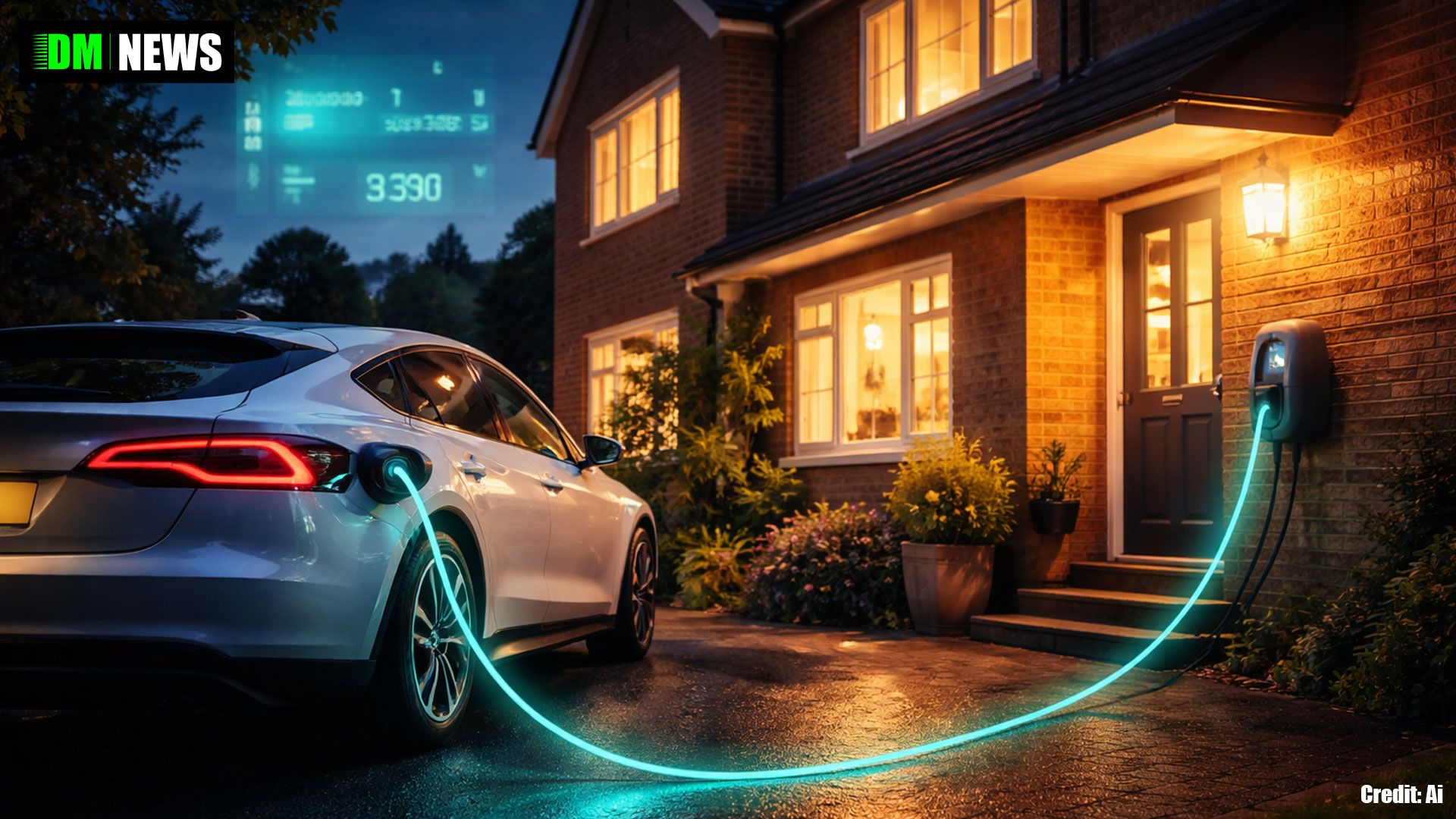
Several people have reached out to Driver Matty on social media reporting that off-peak electricity rates have dropped from around 7p per kWh to as low as 3.5p per kWh.
That’s effectively halving charging costs overnight.
For electric vehicle drivers, this is a big deal:
- Running costs can drop to roughly 1–2p per mile, depending on vehicle efficiency
- Overnight home charging becomes significantly cheaper than ever
- The gap between EV and petrol/diesel running costs widens even further
For high-mileage drivers — especially those doing airport transfers, private hire, or long-distance work — this kind of reduction has a real impact on profitability.
What It Means Going Forward
While energy prices remain higher than pre-crisis levels, this drop is a welcome shift in the right direction. Lower electricity costs not only ease pressure on households but also accelerate the financial benefits of switching to electric vehicles.
Suppliers like Octopus Energy have also indicated they will continue pushing for further reforms to keep energy pricing fair and competitive.
DM News Commentary
This is genuinely positive news — and not just for households, but for drivers across the UK.
If off-peak rates really are dropping to around 3.5p per kWh for some tariffs, that changes the game. For anyone running an EV, especially in the taxi and private hire trade, your fuel costs are now getting close to negligible compared to diesel.
We’re now talking about pennies per mile, which makes EVs even more attractive for airport runs, city work, and long-distance jobs.
The key thing now is awareness. A lot of drivers still haven’t fully explored off-peak tariffs or smart charging — and this update shows just how powerful those savings can be.
Thanks for visiting DM News! If you’ve got a question, a story tip, or anything you’d like to share, head over to DriverMatty.com — I’d love to hear from you.
While you’re there, don’t forget to check out my other websites and social media channels.