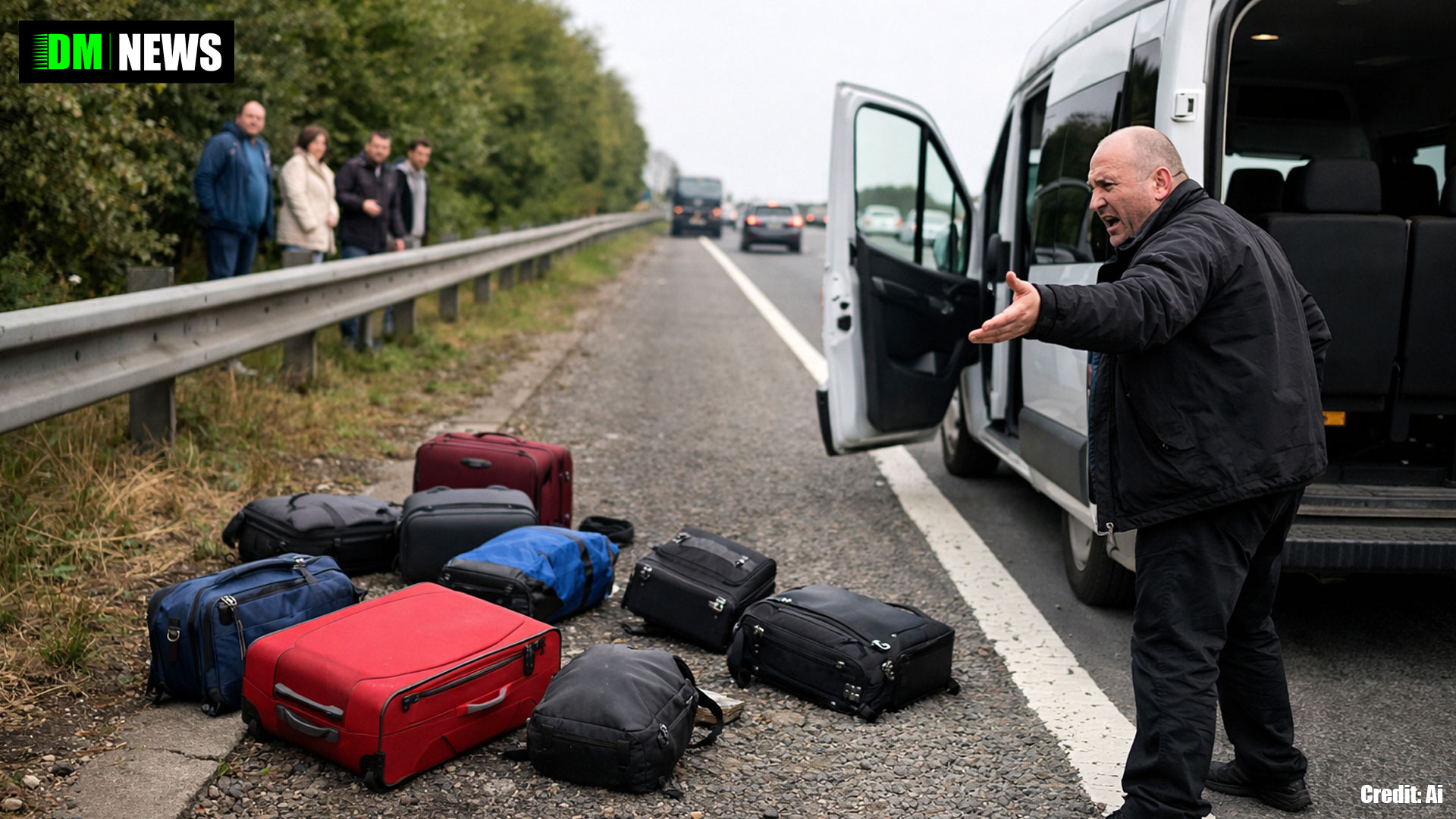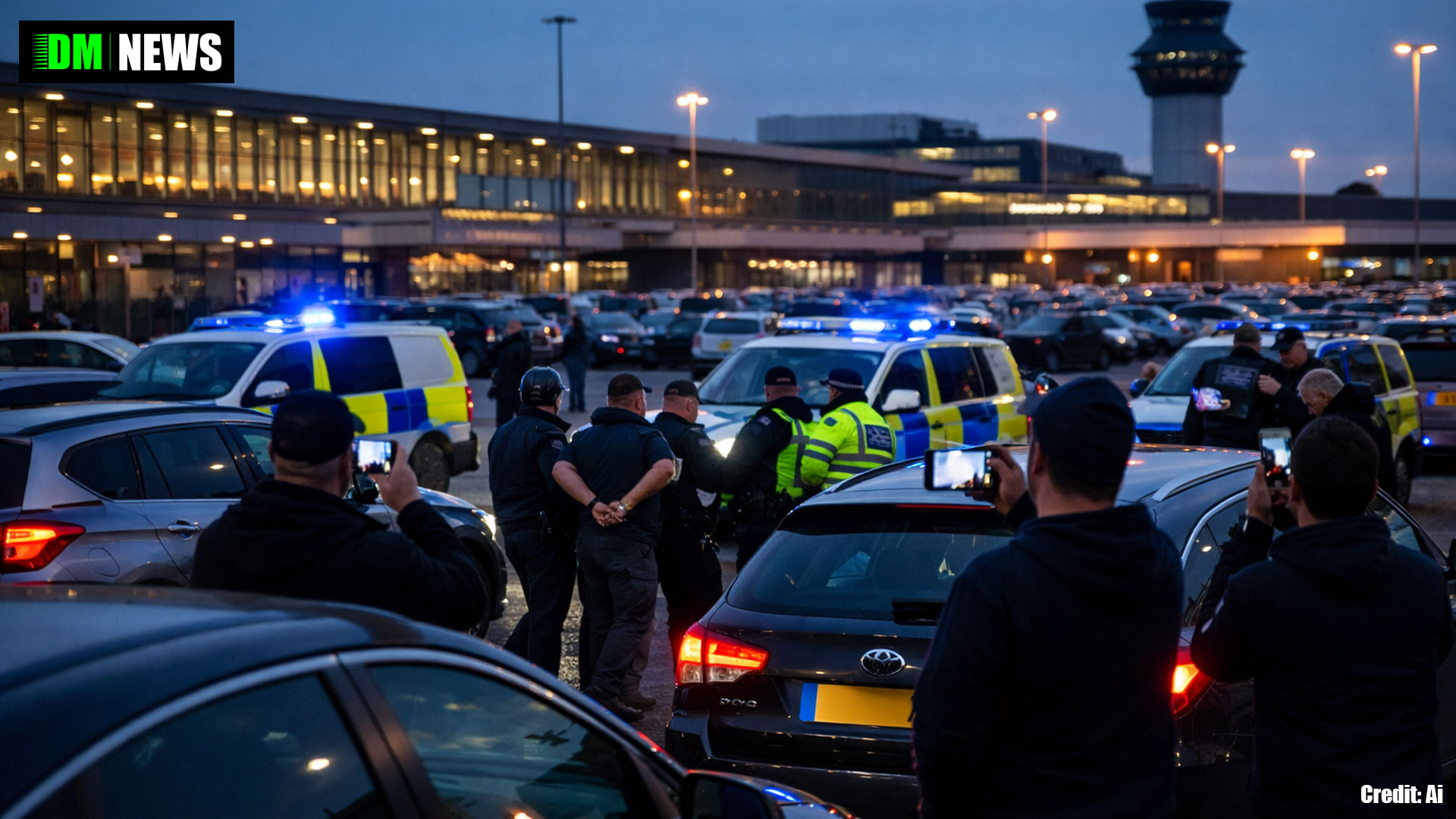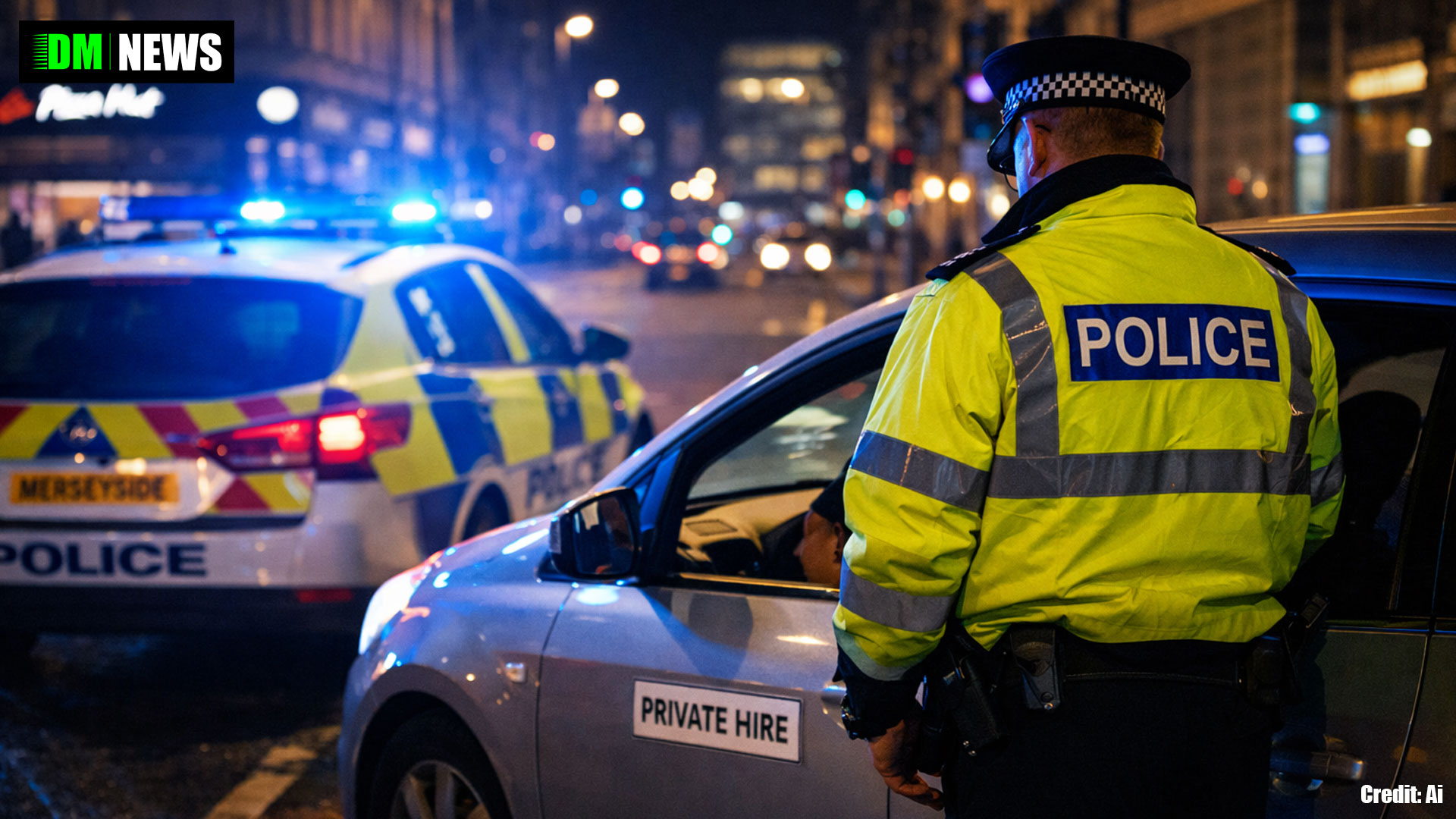
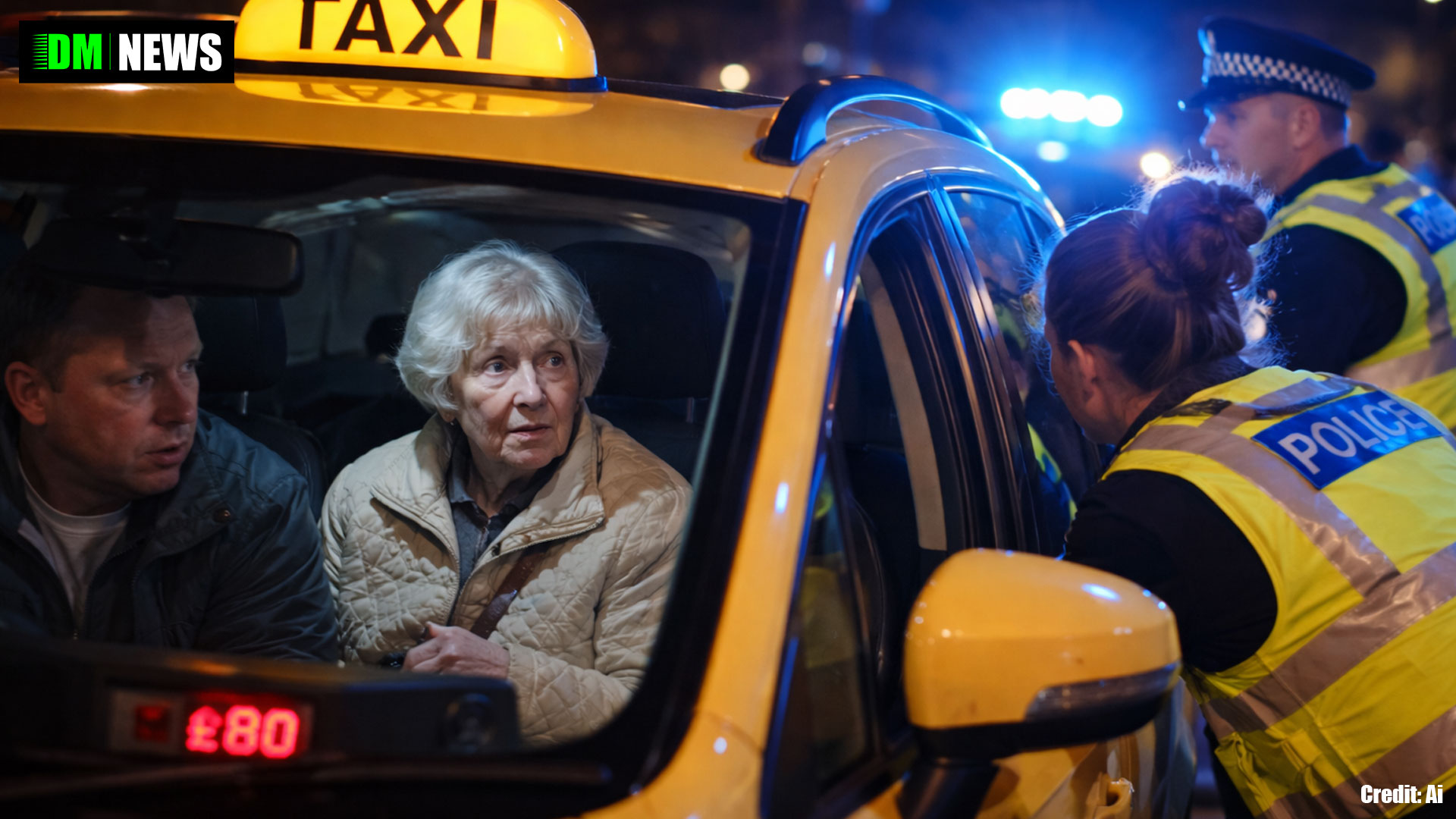
A late-night taxi journey in Cambridge took an unexpected turn when an elderly woman was unable to say where she lived, prompting concern from a member of the public and ultimately leading to a police welfare check.
According to a post shared by Cambridge City Police on Facebook, the incident happened at around 1.50am when the woman had already built up an £80 taxi fare. The taxi driver appeared confused, and something didn’t feel right to a man who witnessed the situation and made the decision to call police.
While staying on the phone with the call handler, the man explained that the woman insisted she lived on a particular road in Cambridge but was struggling to remember basic details, including her age. Further checks revealed that although she had lived in Cambridge earlier in life, she was now living in Newmarket.
Crucially, Suffolk Constabulary had already received a missing person report from the woman’s family shortly before the call came in. Officers attended the area, took the woman home safely, and reunited her with her family.
Police confirmed that the woman had a Herbert Protocol form completed, allowing officers to cross-reference the address she was giving with her personal details. Additional safeguarding measures are now being put in place.
Cambridge City Police also used the incident to highlight the importance of the Herbert Protocol — a scheme designed to help locate people living with dementia if they go missing. Families and friends are encouraged to complete the form in advance, which includes key information such as physical description, health details, familiar places, and an up-to-date photograph.
The force also mentioned newly launched yellow dementia wristbands, which store next-of-kin contact details so members of the public can help reunite someone quickly, often without the need for police involvement.

DM Commentary
From a taxi and private hire perspective, this is exactly why drivers’ instincts matter. Taxi drivers are often the last line of safeguarding late at night — especially when elderly or vulnerable passengers are involved.
An £80 fare at nearly 2am, confusion over an address, and memory struggles are clear red flags. In this case, the driver and a concerned member of the public helped prevent what could have been a far more serious outcome.
This also raises an important point for operators and drivers: safeguarding awareness isn’t just about crime — it’s about welfare. Knowing when to pause a journey, ask questions, or involve authorities can genuinely save lives.
Thanks for visiting DM News! If you’ve got a question, a story tip, or anything you’d like to share, head over to DriverMatty.com — I’d love to hear from you.
While you’re there, don’t forget to check out my other websites and social media channels.