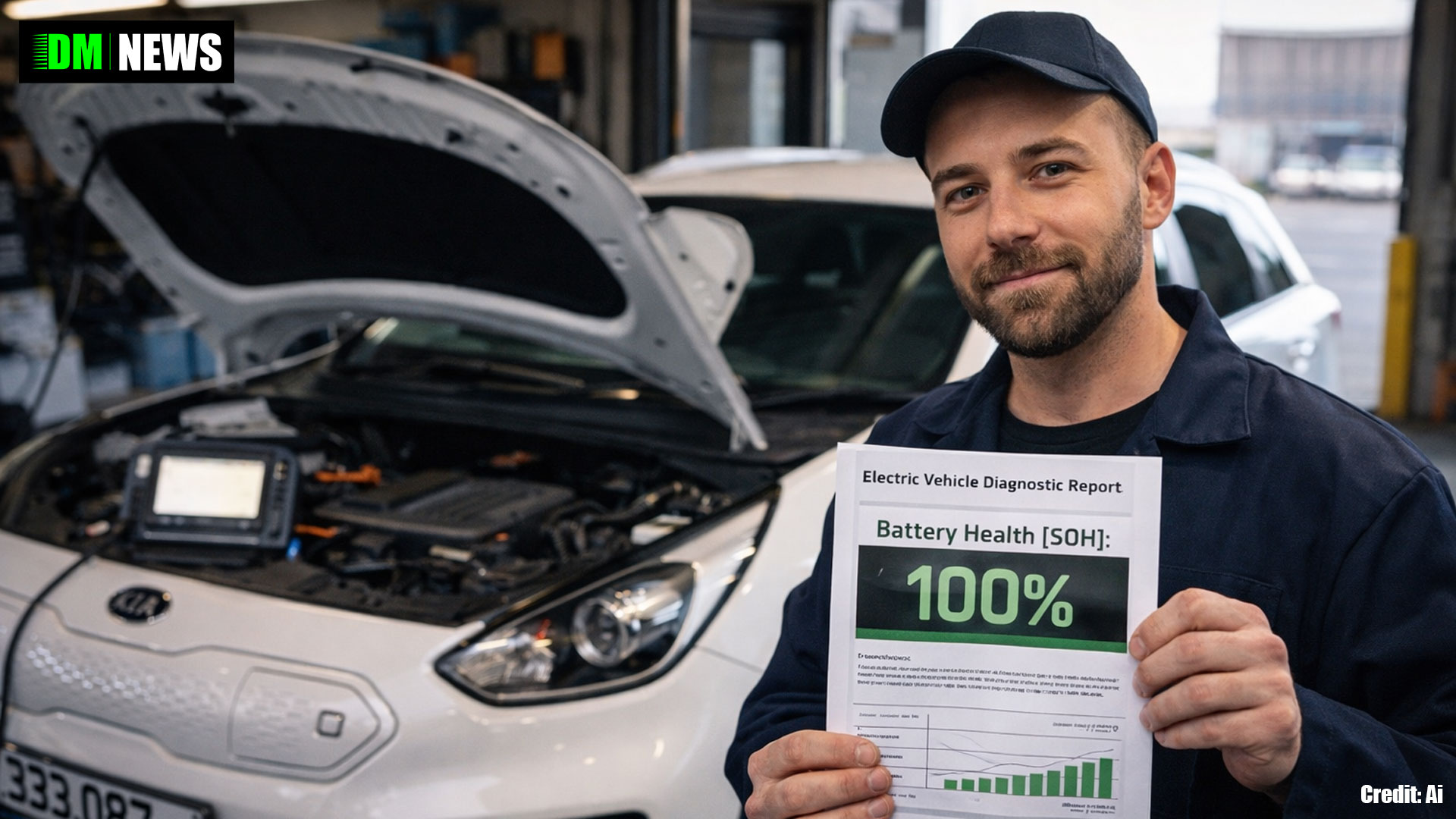
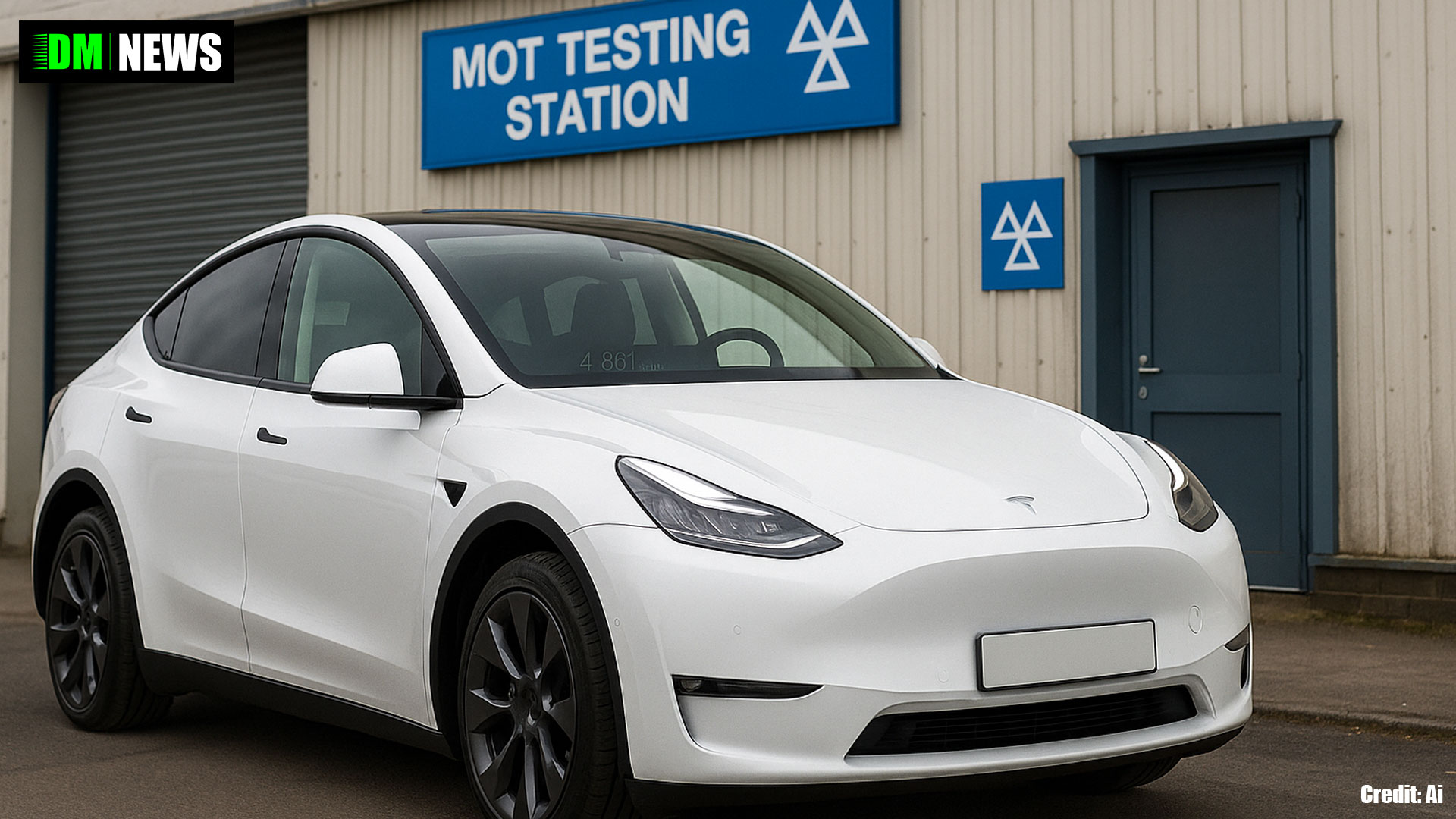
As the government prepares to introduce a proposed 3p-per-mile tax on electric vehicles, one major question keeps coming up: how will the mileage be checked on brand-new cars that don’t need an MOT for the first three years?
Because nothing official has been confirmed yet, the following ideas reflect possibilities — not policy — to help the public understand how the system might work once details are eventually announced.
How could the mileage be measured?
1. Odometer reading recorded at first registration
The simplest idea is that the DVLA logs the mileage the moment a new EV is registered.
That number could be used as the starting point until the vehicle gets its first MOT three years later.
2. Annual self-reported mileage
Another possibility is that drivers submit their mileage once a year online, similar to giving a meter reading.
Owners could upload a photo of the odometer, and checks could be carried out when needed.
3. Digital mileage reporting via connected cars
Many modern EVs already send data to manufacturers.
In future, the government could work with car makers to verify mileage automatically — although this idea raises privacy and legal questions, so it may not be the first method chosen.
4. Tax calculated only at the first MOT
One simple approach would be to wait until the car reaches its first MOT at three years old and then calculate the tax in a single lump sum based on all miles driven since new.
While easy to administer, this could result in very large one-off bills.
Why the first MOT could become expensive for heavy-use drivers
If the mileage tax is collected at MOT time, drivers who cover a lot of miles — long-distance commuters, motorway users, taxi drivers, and families who do regular school and work runs — could face a significant bill in one go.
For example, someone who does 12,000–15,000 miles a year could easily clock up 40,000–45,000 miles by their first MOT.
Under a 3p-per-mile model, this could lead to a sizeable one-off charge unless phased payments are offered.
This is why many motorists are watching carefully to see how the government decides to implement the system.

DM News Commentary
The big concern from everyday drivers is fairness. People who purchased EVs were encouraged by lower running costs, cheaper “fuel”, and government incentives — so a new tax structure will need to be introduced carefully.
Key questions still remain:
- Will drivers be allowed to pay in instalments?
- Will new cars have to log mileage at registration?
- Will families who rely on long-distance driving be hit harder than others?
- Will connected-car data be used, and what does that mean for privacy?
There’s also a big unanswered question about people who drive for a living — taxi drivers, Uber drivers, delivery drivers, and other high-mileage workers. These groups rely on their vehicles every day, often covering tens of thousands of miles a year, so that a 3p-per-mile tax would hit them far harder than the average motorist. Many are now wondering whether the Government will introduce a reduction, exemption, or “professional driver allowance” to avoid unfairly penalising those who keep the country moving. So far, nothing official has been announced, but it’s a discussion that isn’t going away — and one the Government will likely need to address before the new system comes into force.
DM News will continue monitoring this developing topic as more information becomes available.
Thanks for visiting DM News! If you’ve got a question, story, or anything you’d like to say, head over to DriverMatty.com — I’d love to hear from you! And while you’re there, don’t forget to check out my other websites and social media channels.