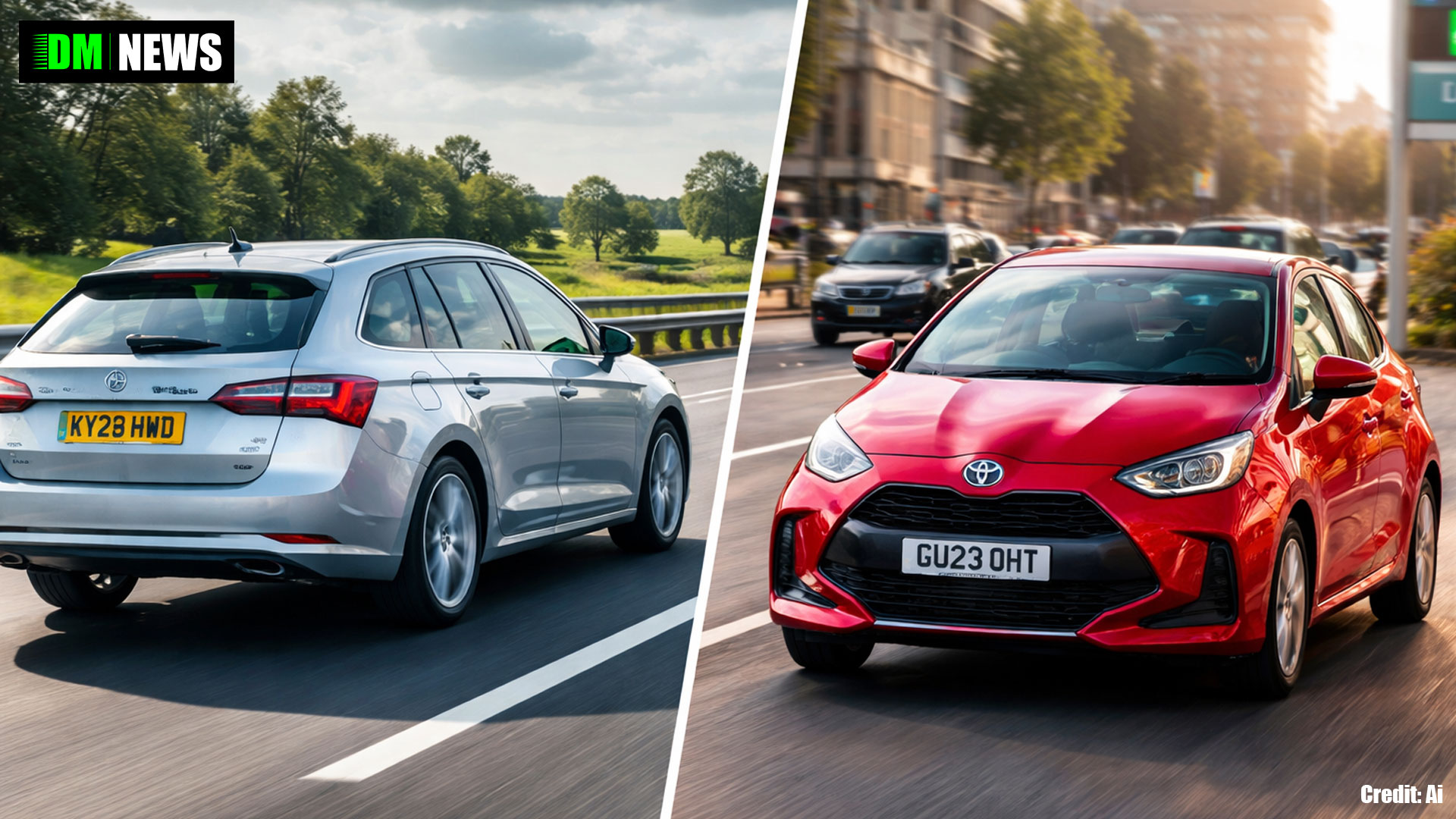
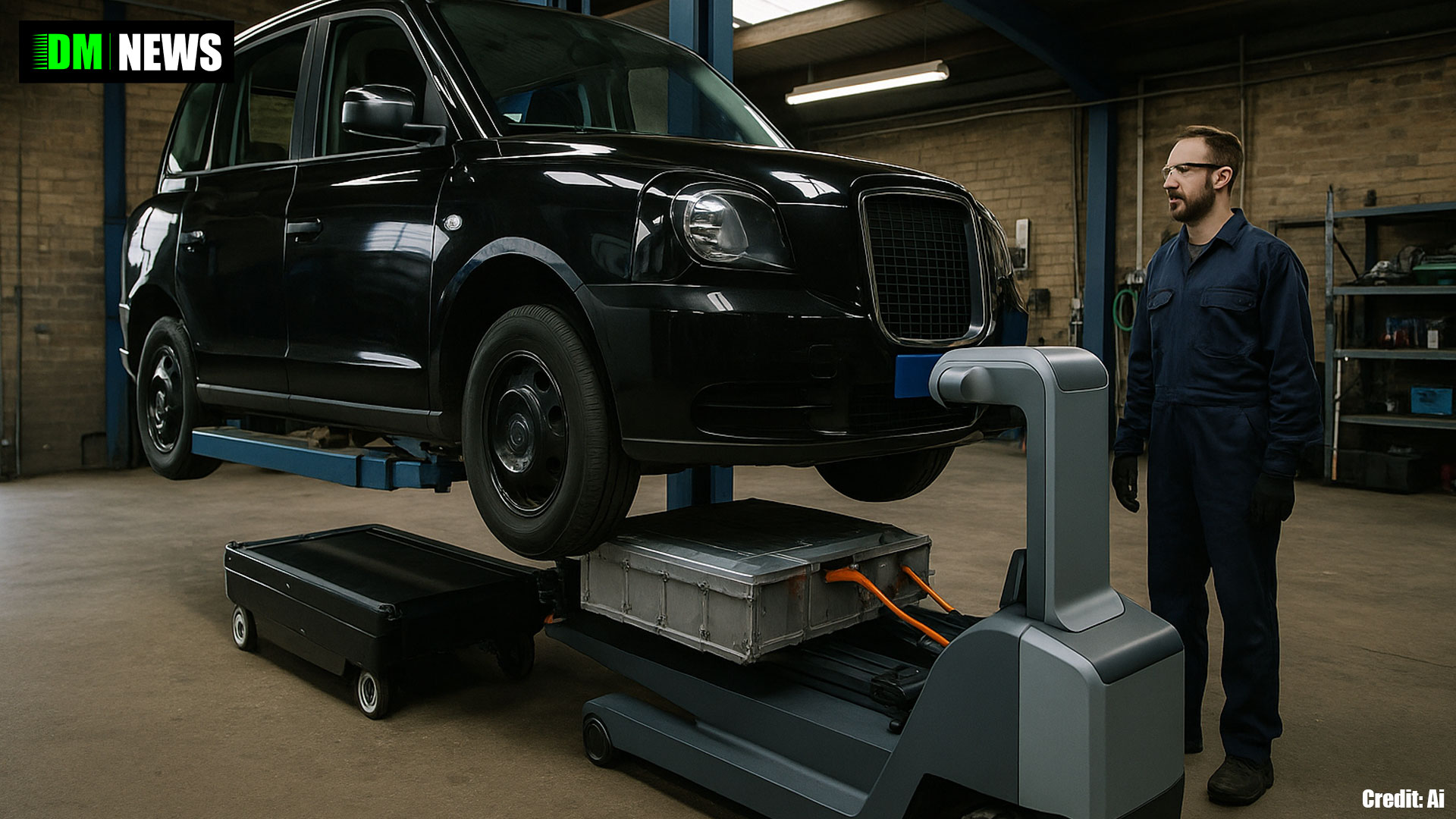
The concept of swapping out a depleted electric-vehicle battery for a fully charged one — rather than waiting to plug in — is gaining momentum in the UK, and could offer major benefits for high-utilisation vehicles such as taxis and private-hire fleets.
UK rollout and market signals
While globally the technology has gone further (for example NIO’s network in China and Europe) ElectricDrives, in the UK recent research shows strong public backing: a study by Venson Automotive Solutions found that 73% of UK motorists would support battery-swap stations as an alternative to conventional charging. FleetPoint
Additionally, UK-based content noted that NIO plans to bring battery-swap capability to the UK by 2025 — signalling manufacturer interest. ClearWatt
Why this matters for taxi & private-hire
For the taxi/private-hire industry, where vehicles spend long hours on the road and downtime is lost income, battery swapping presents several potential advantages:
- Rapid turnaround: Instead of waiting 20-30 minutes (or more) for a rapid charge, a swap could be done in minutes.
- Reduced charging bottlenecks: In urban areas or on-street-parking scenarios where charging access is limited, swapping sidesteps that constraint.
- Fleet uptime improvement: Vehicles can be back on the road faster, lowering idle time and improving return on investment.
- Battery-as-a-service model: Some swap systems decouple battery ownership from the vehicle — reducing upfront cost and shifting responsibility for battery health.
Challenges & considerations for the UK market
However, several hurdles remain before widespread adoption in the UK:
- Infrastructure investment: Swap stations require space, specialised equipment, and supply of charged battery units — making rollout expensive and logistically challenging. For example, one UK article noted that although driver support is high, the technology “remains in its infancy” locally. FleetPoint
- Standardisation & compatibility: For taxi fleets that may run several vehicle brands, compatibility of battery modules and swap mechanisms is key. Without industry-wide standards, adoption may be limited.
- Business model clarity: Fleet operators will need clarity on cost-benefit: subscription fees for batteries, availability of swap stations in their service area, and potential lock-in with particular brands.
- Support from government/policy: Although the UK has strong EV charging deployment goals, battery-swap infrastructure is not yet widely incentivised in policy announcements.
DM News Commentary
For taxi and private hire operators weighing the shift to electric vehicles, battery-swap technology presents an intriguing option — especially for high-mileage vehicles working round the clock. As these stations begin to roll out in the UK (likely first in major fleet/urban hubs), forward-thinking operators should monitor developments closely. Key moves could include negotiating fleet agreements with manufacturers offering swap-compatible models, mapping areas of swap station rollout relative to service zones, and modelling expected downtime savings versus subscription costs.
In short: battery swapping is not yet mainstream in the UK — but for the trade, when it arrives, the service-speed advantage could be a game-changer in high-utilisation settings.
Thanks for visiting DM News!
If you’ve got a question, story, or anything you’d like to say, head over to DriverMatty.com — I’d love to hear from you! And while you’re there, don’t forget to check out my other websites and social media channels.